
Paysage Cubiste — History & Facts
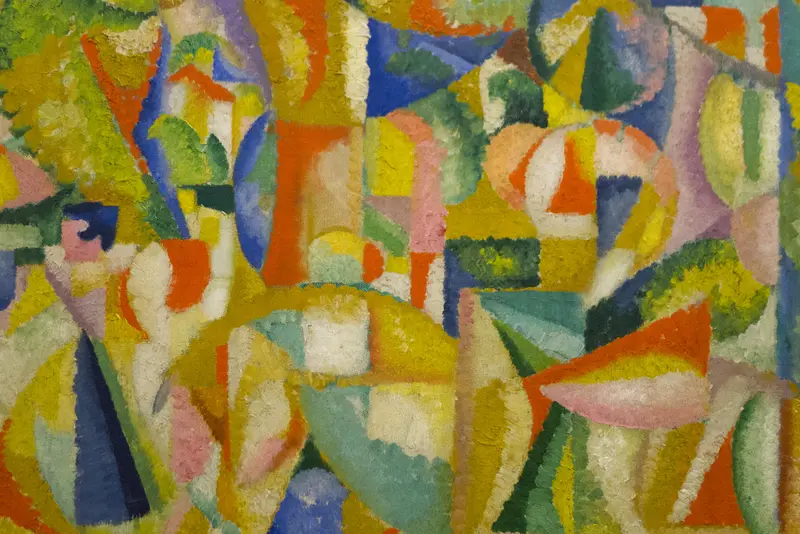
In Paysage Cubiste, vibrant colors dominate the canvas, creating a dynamic landscape filled with geometric shapes. The composition features fragmented forms of trees and hills, arranged in a way that challenges traditional perspectives. The use of bold blues, greens, and yellows adds energy to the scene.
This painting exemplifies the Cubist approach to depicting nature through abstraction. The painting is executed in oil on canvas, a medium that allows for rich texture and depth. The brushwork is expressive, with visible strokes that enhance the sense of movement within the landscape. Viewers can observe how the artist has layered colors to create a sense of dimension.
The overall composition is balanced yet complex, inviting the viewer to explore every corner. Amadeo de Souza-Cardoso was a prominent figure in the early 20th-century modern art scene, particularly in Portugal. Paysage Cubiste reflects his engagement with Cubism, a movement that sought to break away from traditional representation. Interestingly, this work showcases his unique interpretation of Cubism, blending it with elements of Portuguese culture.
Souza-Cardoso's innovative style has gained recognition, making him a key artist in the history of modern art.
More Artworks by Amadeo de Souza-Cardoso
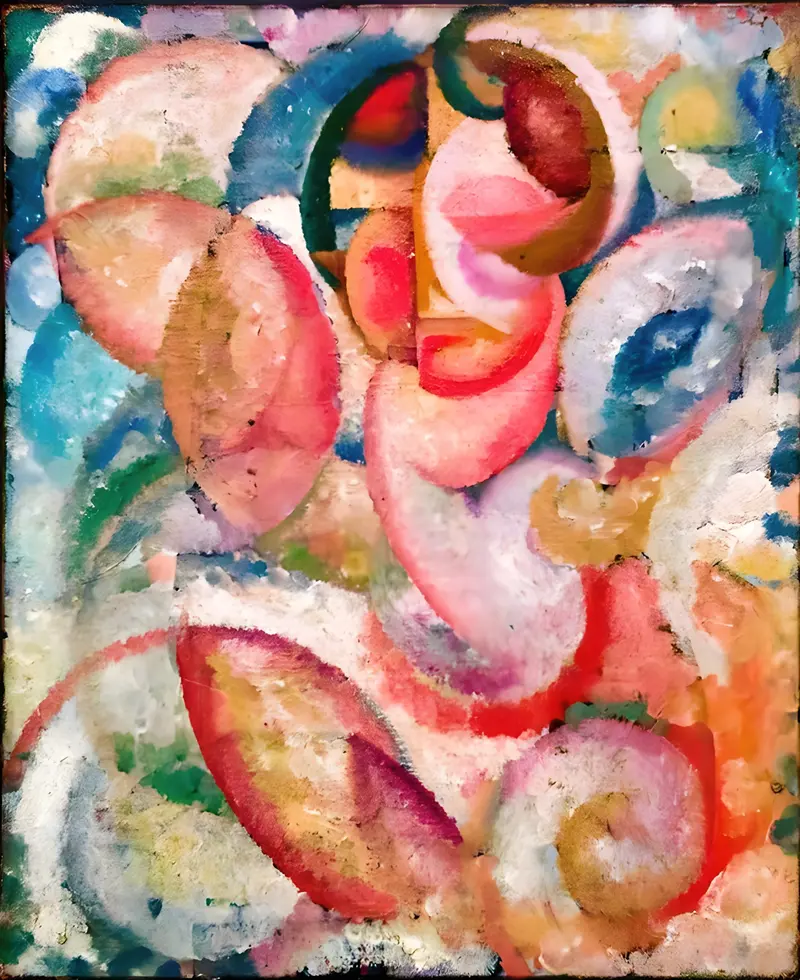
Untitled
Amadeo de Souza-Cardoso
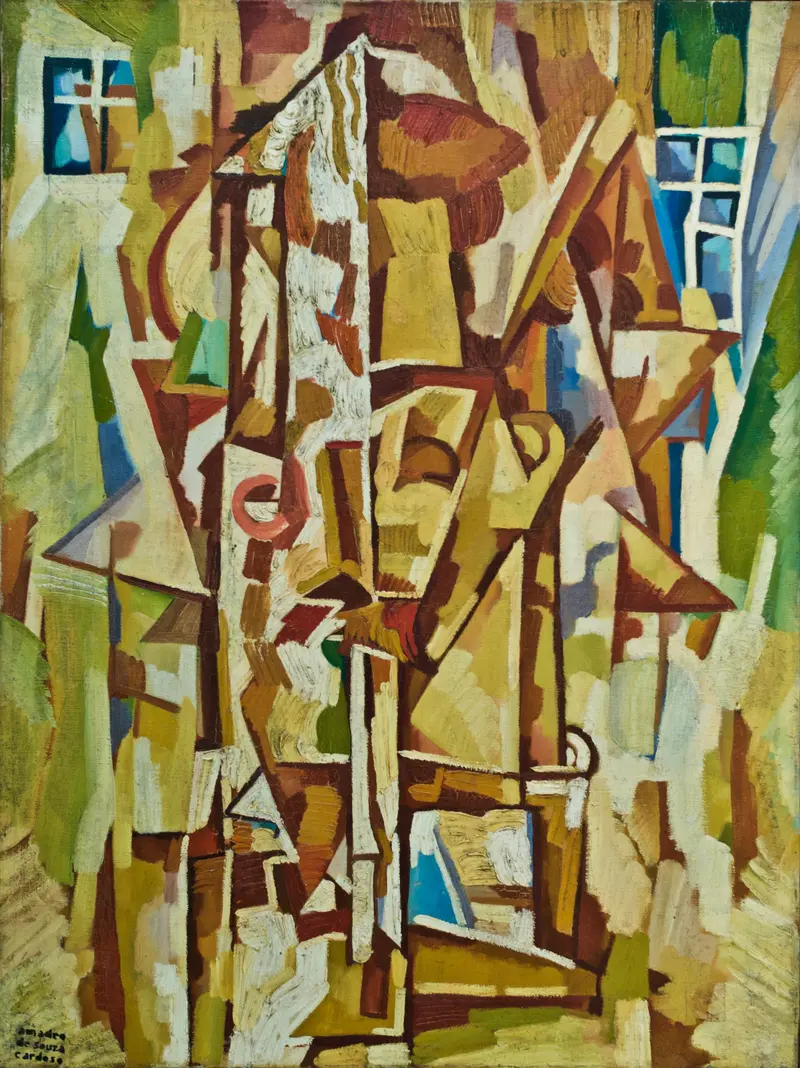
Smoker with a cigarette-holder
Amadeo de Souza-Cardoso
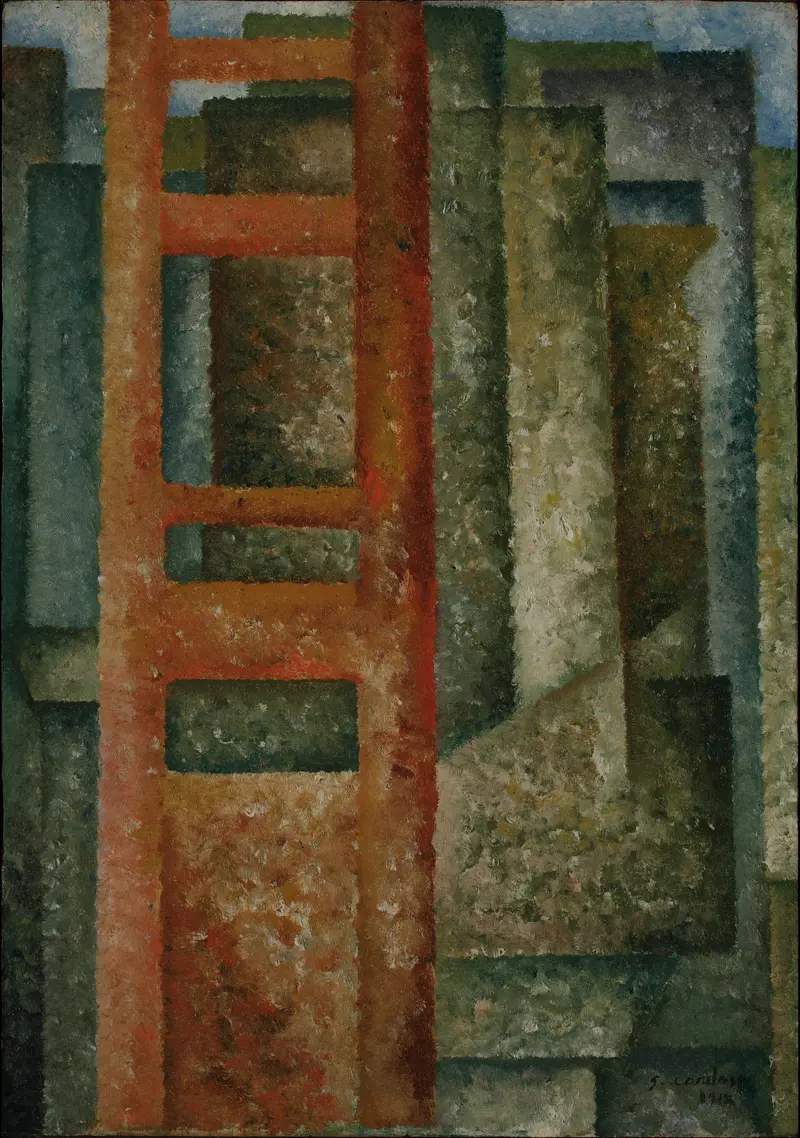
Pelas Janelas (Desdobramento – Intersecção)
Amadeo de Souza-Cardoso
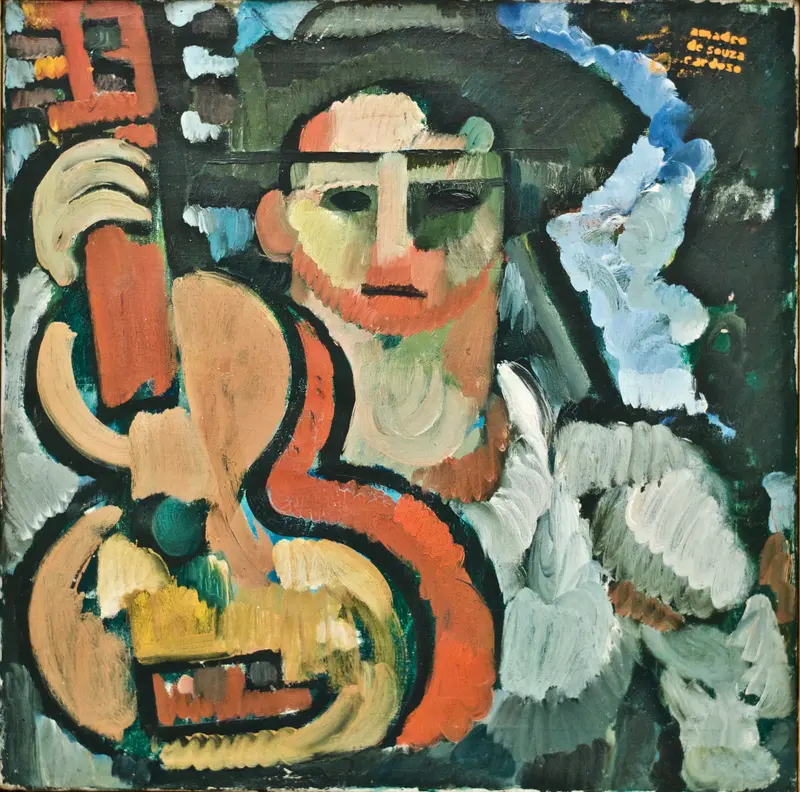
Cavaquinho
Amadeo de Souza-Cardoso
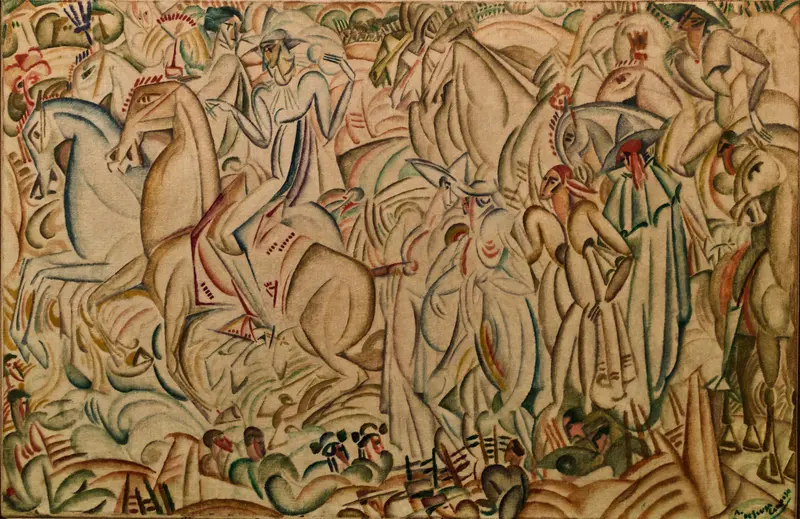
Before the Bullfight
Amadeo de Souza-Cardoso
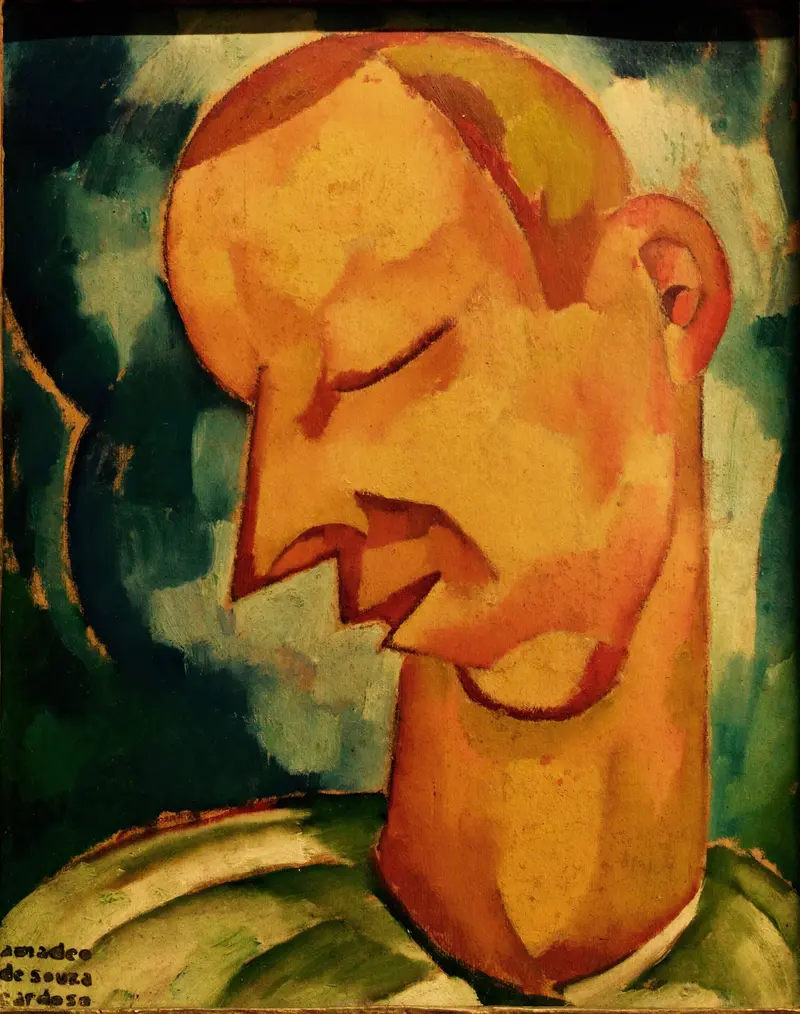
The poor fool
Amadeo de Souza-Cardoso
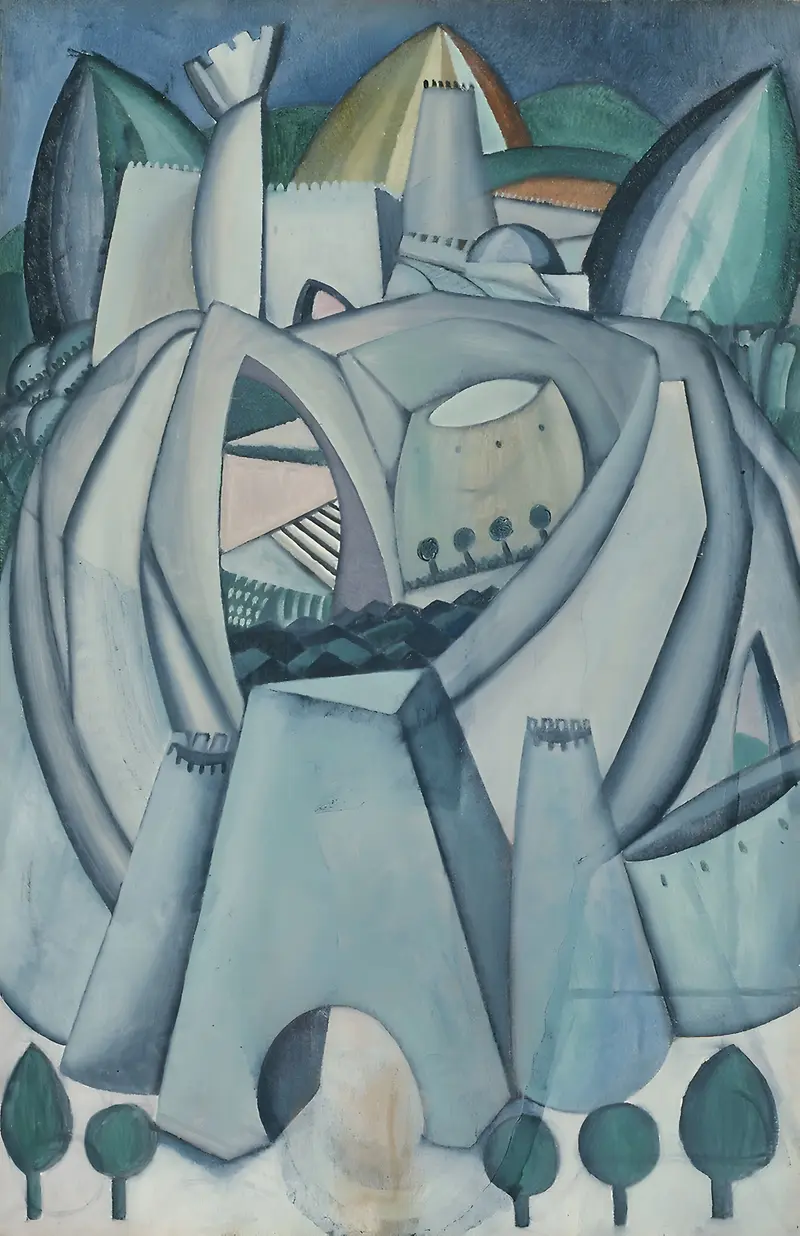
The Stronghold
Amadeo de Souza-Cardoso
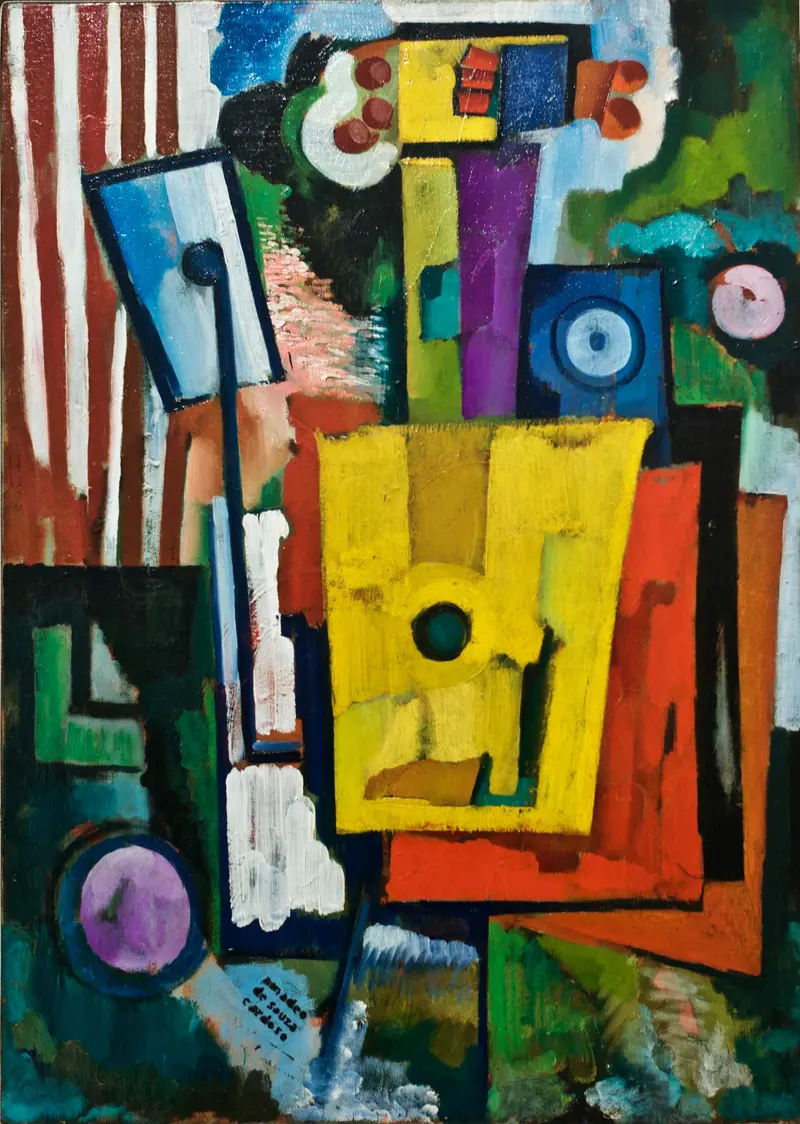
Instrument’s Life
Amadeo de Souza-Cardoso
Les Cavaliers
Amadeo de Souza-Cardoso
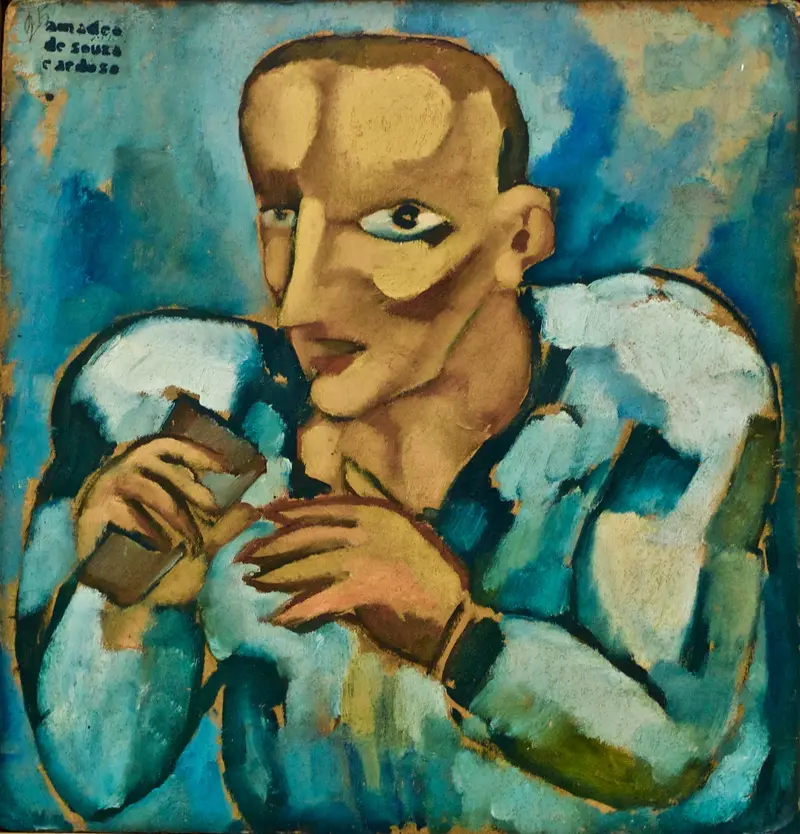
O Rata
Amadeo de Souza-Cardoso
More Landscape Art

The Starry Night
Vincent van Gogh

View of Delft
Johannes Vermeer

Water Lilies
Claude Monet

The Grand Canal, Venice, looking north-west from the Ca' Corner to the Ca' Contarini degli Scrigni, with the campanile of Santa Maria della Carità
Canaletto

Windsor Castle
Canaletto

The Grand Canal looking North-East from the Palazzo Dolfin-Manin to the Rialto Bridge
Canaletto