Discover insights about this artwork
Paysage D’hiver — History & Facts
In Paysage D’hiver, Paul Cézanne presents a winter landscape filled with snow-covered trees and a tranquil sky. The palette is dominated by cool blues and whites, creating a serene atmosphere. The trees are depicted with thick, expressive brushstrokes, emphasizing their form and texture.
The overall composition invites the viewer to experience the quiet beauty of a winter's day. The painting is executed in oil on canvas, showcasing Cézanne's signature brushwork and color application. The dimensions are approximately 73 x 92 cm, allowing for a detailed portrayal of the landscape. The layering of paint creates depth, while the color contrasts enhance the visual interest.
This technique is characteristic of the Post-Impressionism movement, where the artist focuses on personal expression. Paul Cézanne, a pivotal figure in the transition from Impressionism to modern art, created this work around the 1890s. His approach to landscape painting often involved simplifying forms and using color to convey emotion. An interesting fact about Paysage D’hiver is that it reflects Cézanne's fascination with nature and his desire to capture its essence, a theme prevalent in many of his works.
More Artworks by Paul Cézanne
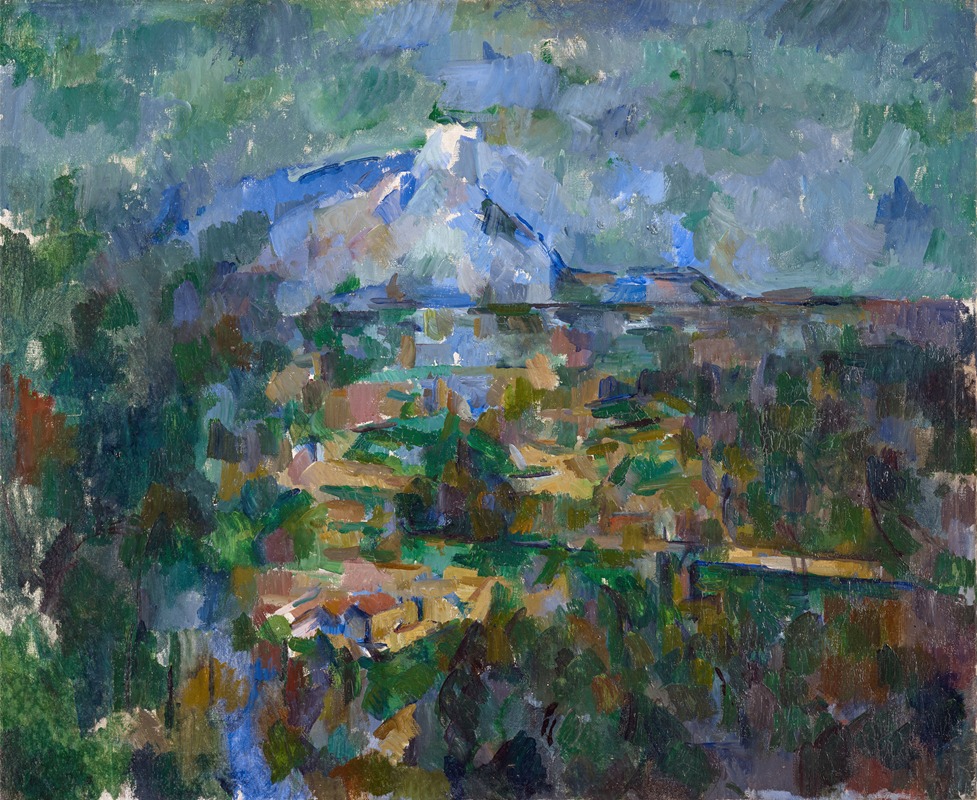
The Mont Sainte-Victoire Seen From Les Lauves
Paul Cézanne
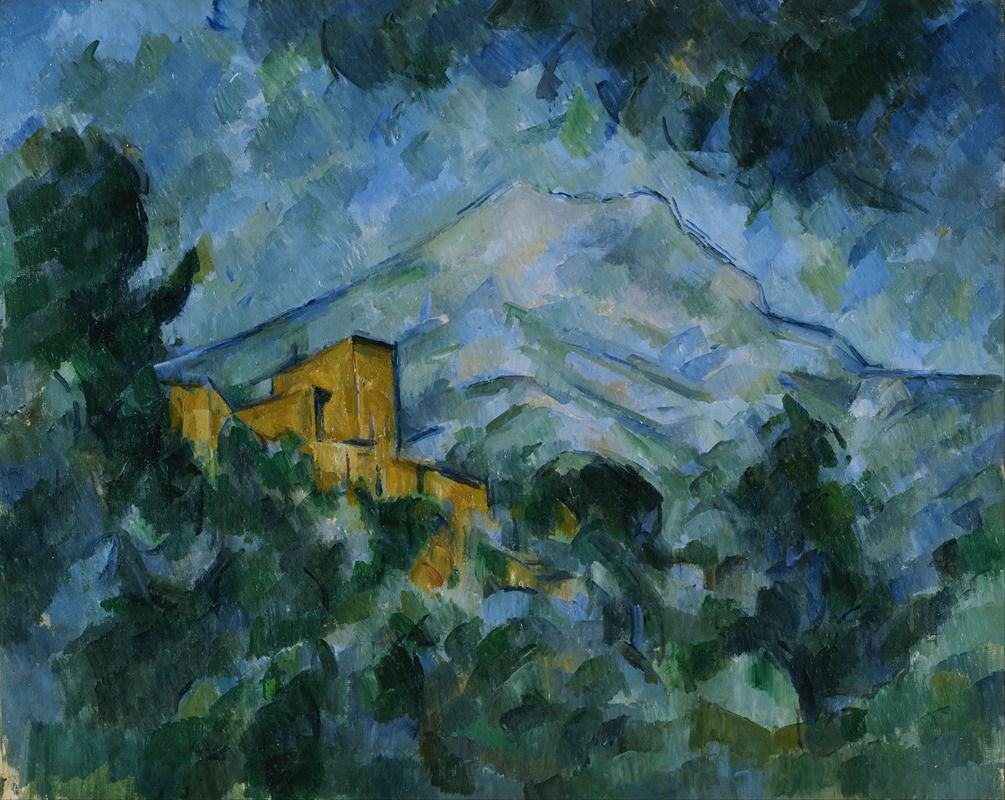
Mont Sainte-Victoire and Château Noir
Paul Cézanne
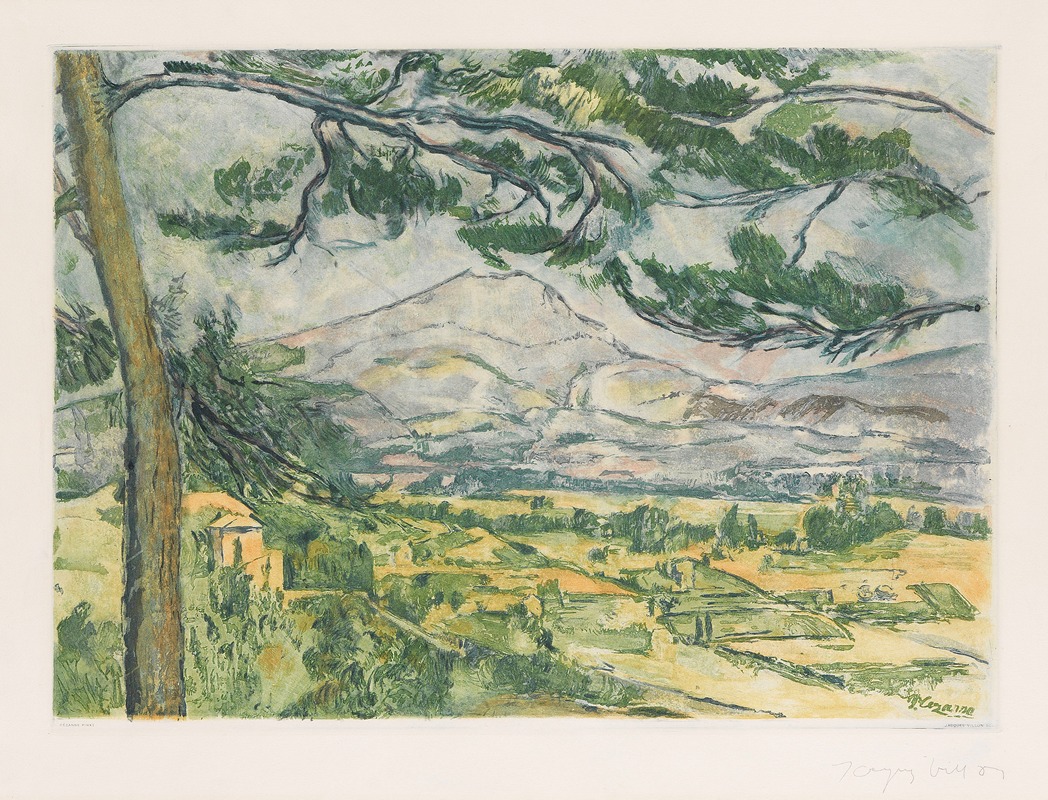
La Montagne Sainte-Victoire
Paul Cézanne
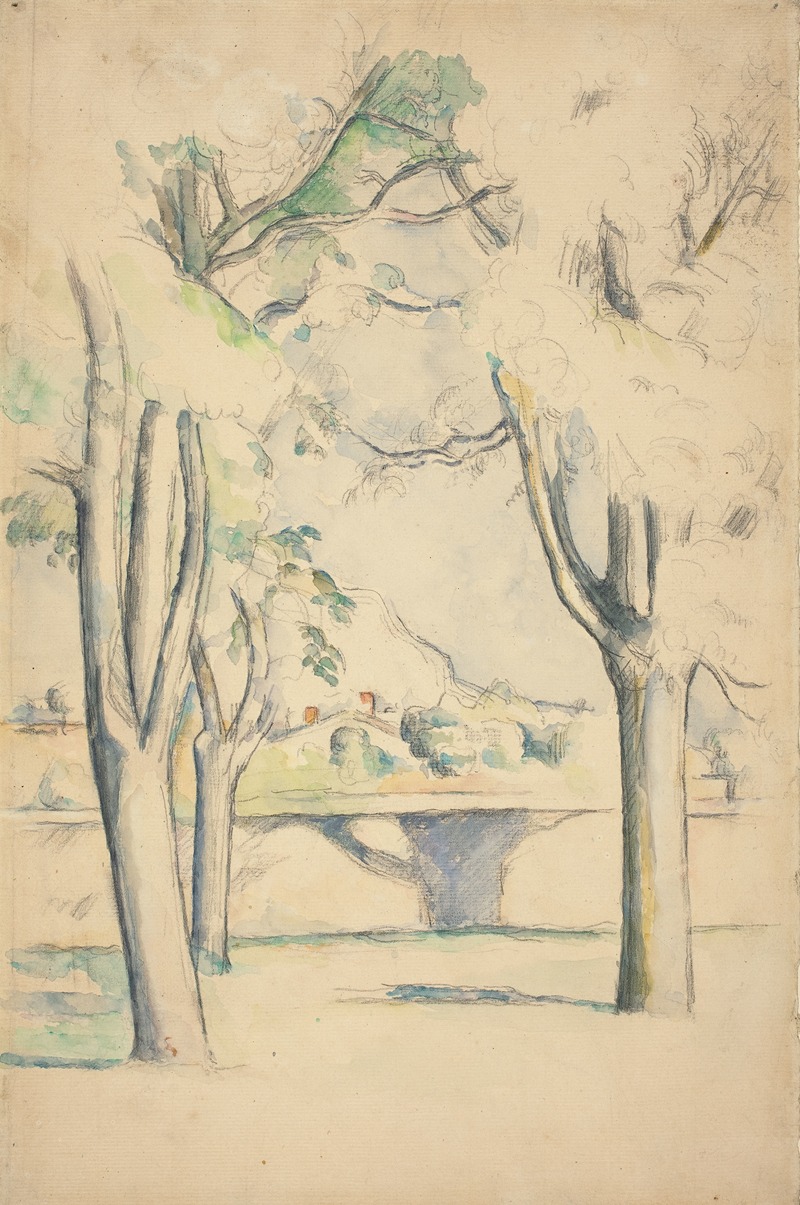
Mont Sainte-Victoire Seen beyond the Wall of the Jas de Bouffan
Paul Cézanne
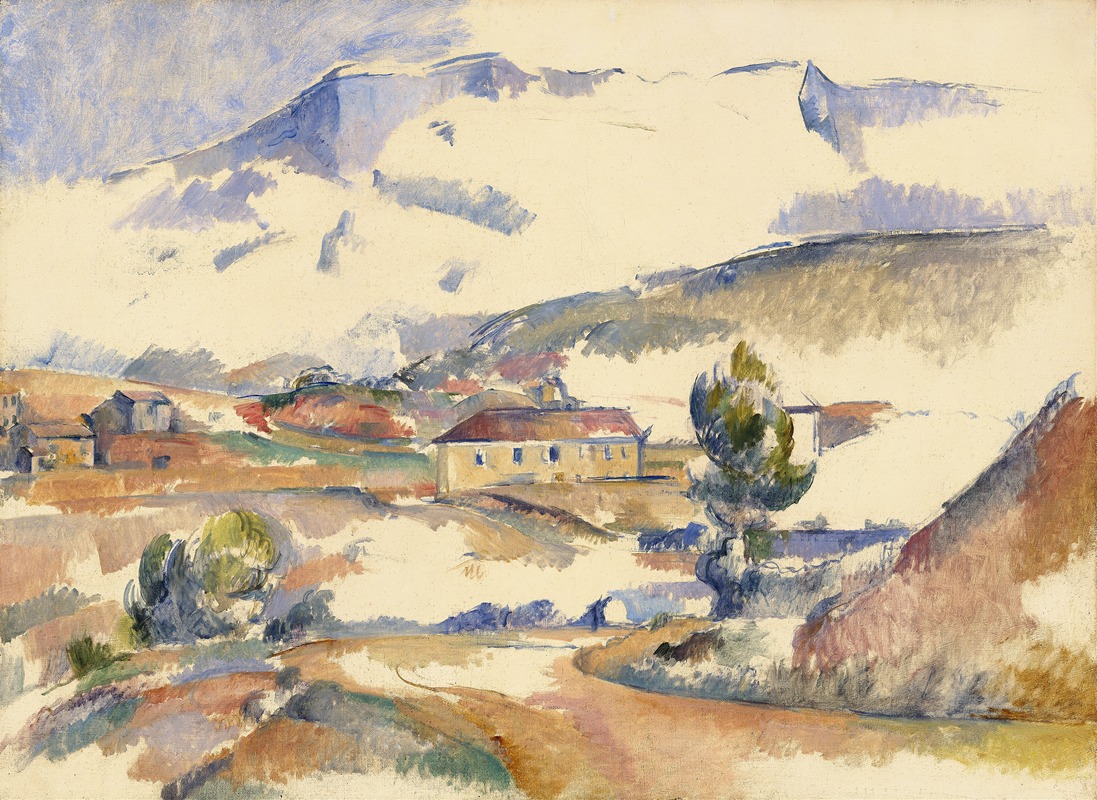
Montagne Sainte-Victoire,from near Gardanne
Paul Cézanne
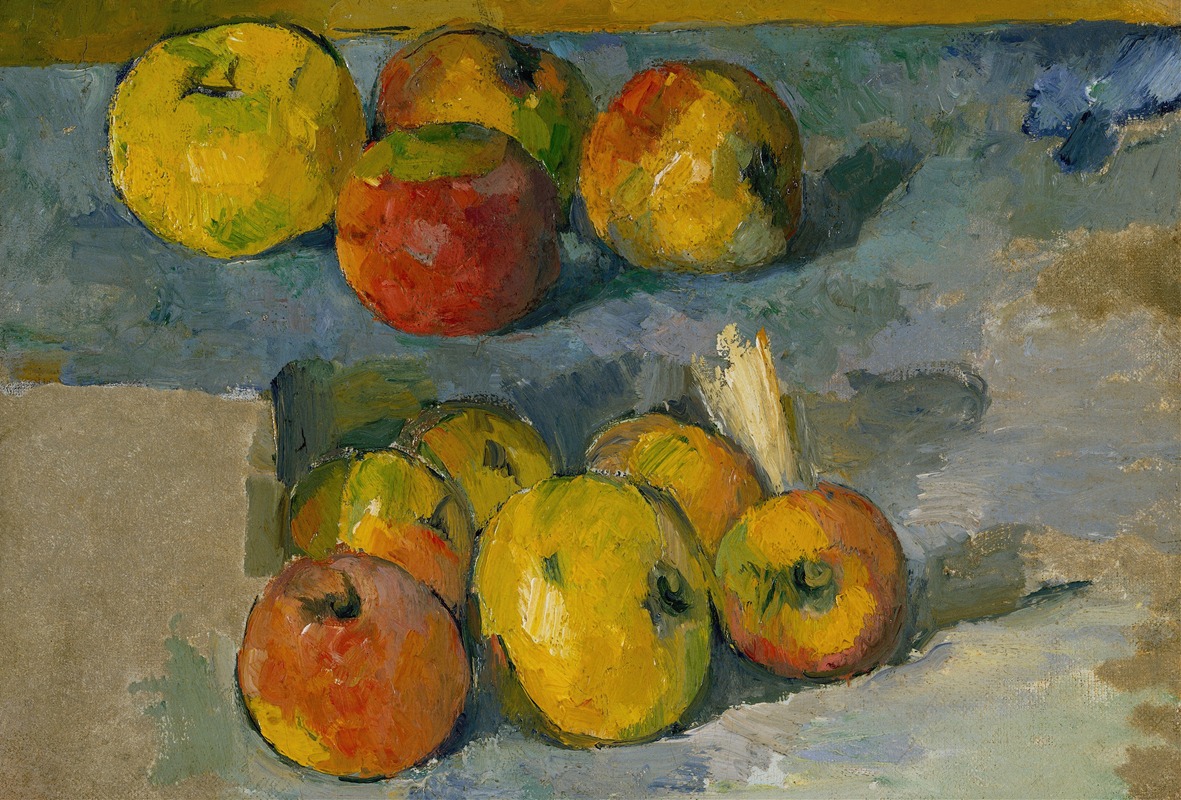
Apples
Paul Cézanne
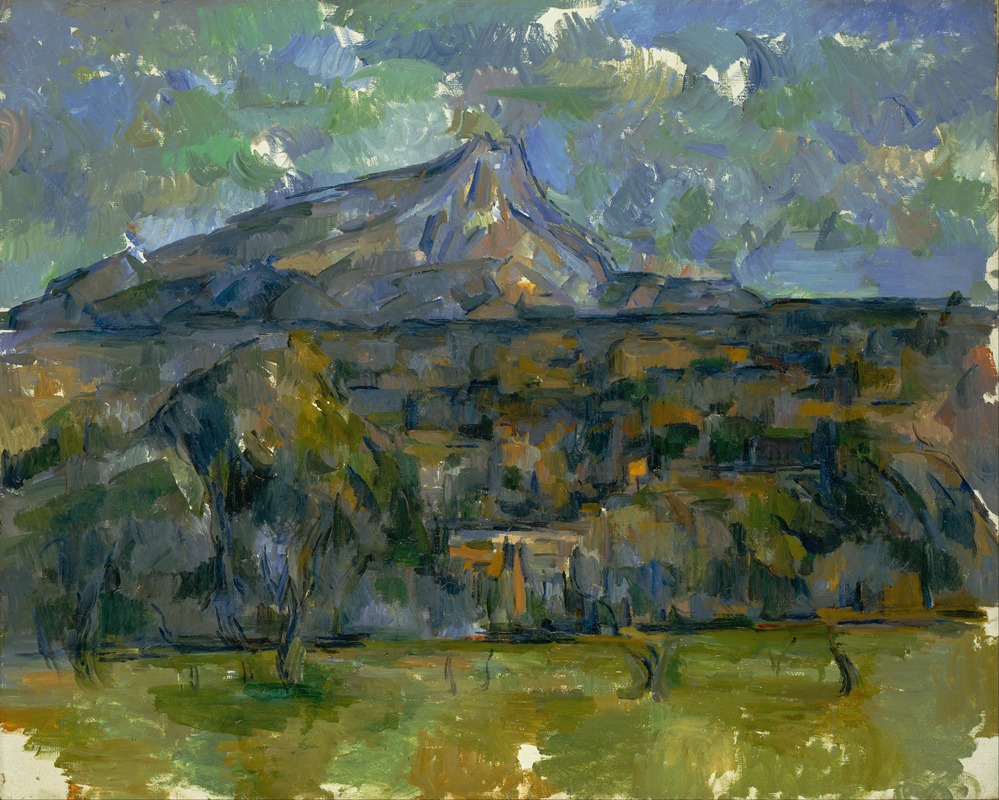
Mont Sainte-Victoire
Paul Cézanne
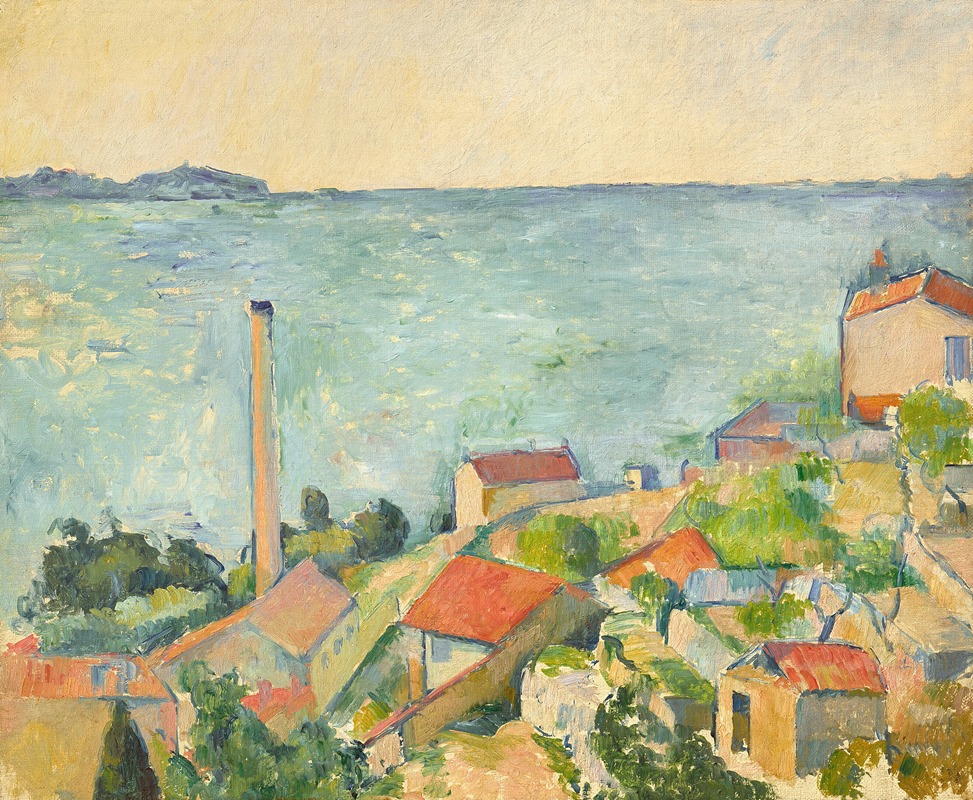
La mer à l’Estaque
Paul Cézanne
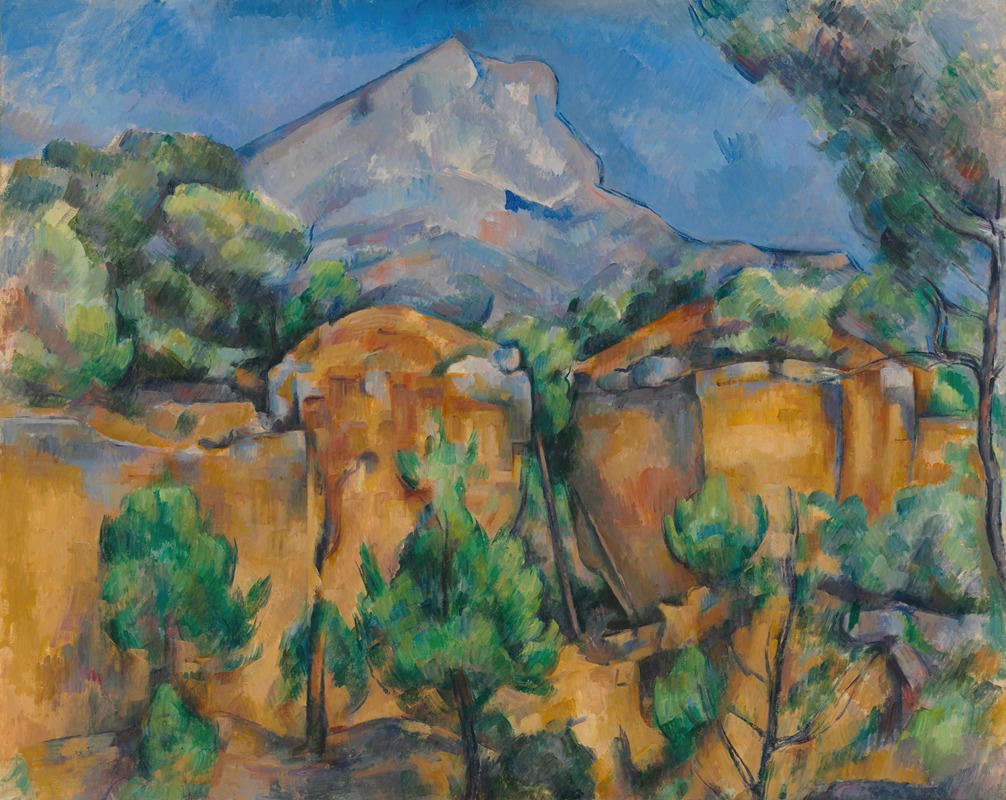
La Montagne Sainte-Victoire vue de la carrière Bibémus
Paul Cézanne
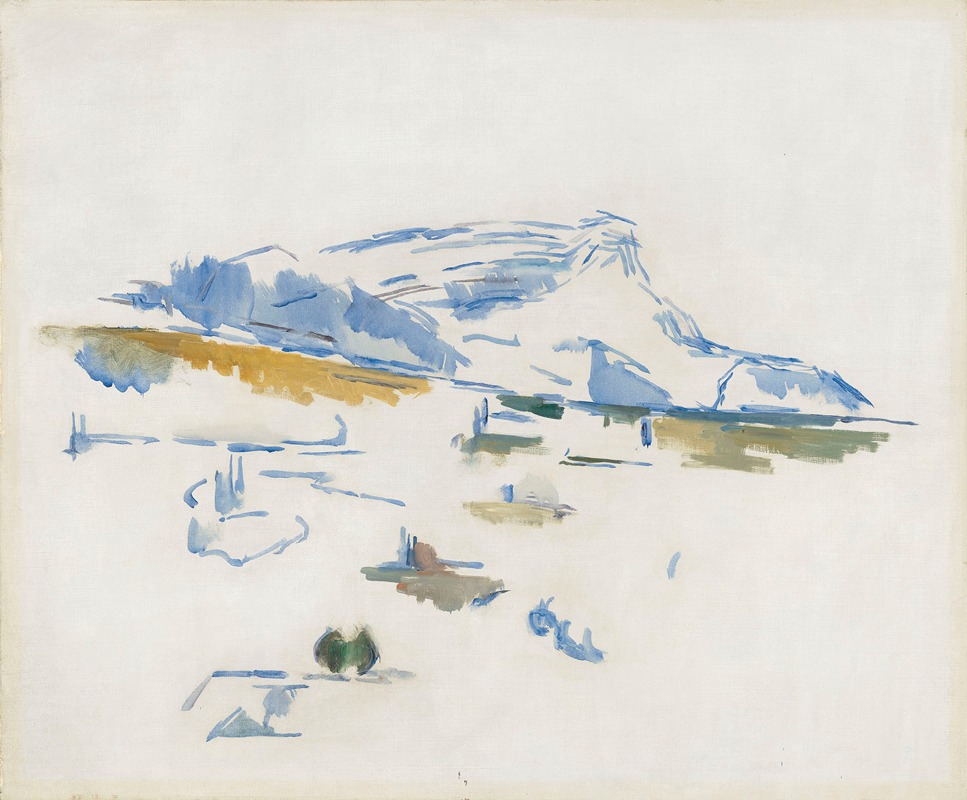
La Montagne Sainte-Victoire vue des Lauves
Paul Cézanne