
Paysage de Dordogne — History & Facts
In the quiet embrace of nature, shadows weave through the landscape, whispering secrets only the patient can hear. The interplay of light and dark invites contemplation, urging viewers to reflect on the hidden depths of existence that often lie just beyond plain sight. Look to the lower left where the rich, earthy tones of the underbrush contrast with the soft, dappled sunlight filtering through the trees. Notice how the gentle brushstrokes create layers of texture, giving life to the foliage that thrives in this serene setting.
The vibrant blues and greens breathe vitality into the scene, while the quiet sky overhead looms in muted pastels, hinting at the day's end. This careful balance of color and light reveals the artist's intent to transport the viewer into a tranquil moment suspended in time. Delve deeper into the composition, where the shadows cast by the trees evoke a sense of both presence and absence. The play of light suggests the duality of life and the passage of time, while the expanses of open space may symbolize freedom and introspection.
Each shadow seems to hold untold stories, beckoning us to ponder the experience of solitude and the peace that can come from being alone in nature’s embrace. Created in 1926, this work emerged during a pivotal period for the artist, reflecting his exploration of Impressionist influences while carving his own path. Loiseau painted Paysage de Dordogne amidst the transformative shifts in the art world, where the focus on capturing the essence of a moment became paramount. As he immersed himself in the natural beauty of the Dordogne region, he encapsulated both the tranquility of the landscape and the complexities of human emotion, leaving a lasting legacy in the realm of modern art.
More Artworks by Gustave Loiseau
Browse all →
Rue de village en Normandie
Gustave Loiseau
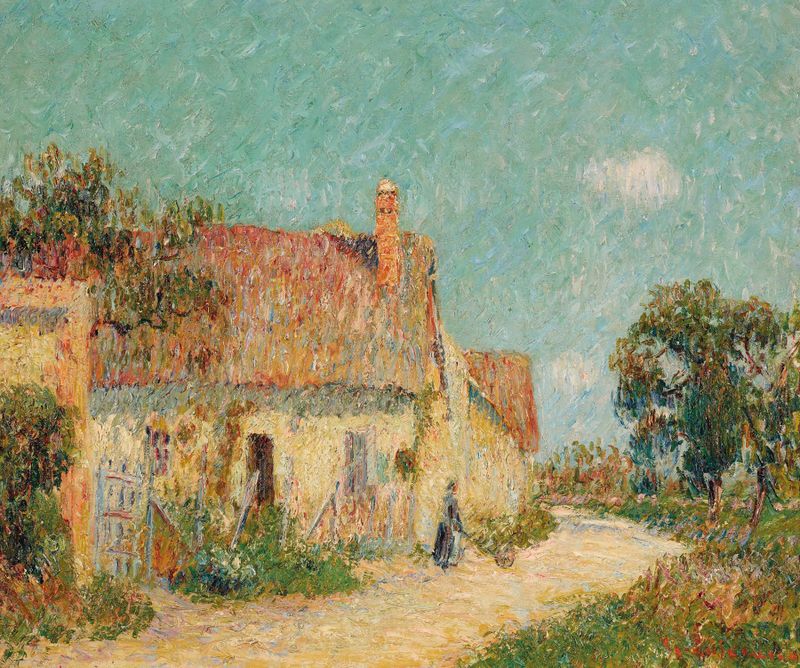
Chaumière en Normandie
Gustave Loiseau

Paysage d’Hiver à Chaponval
Gustave Loiseau
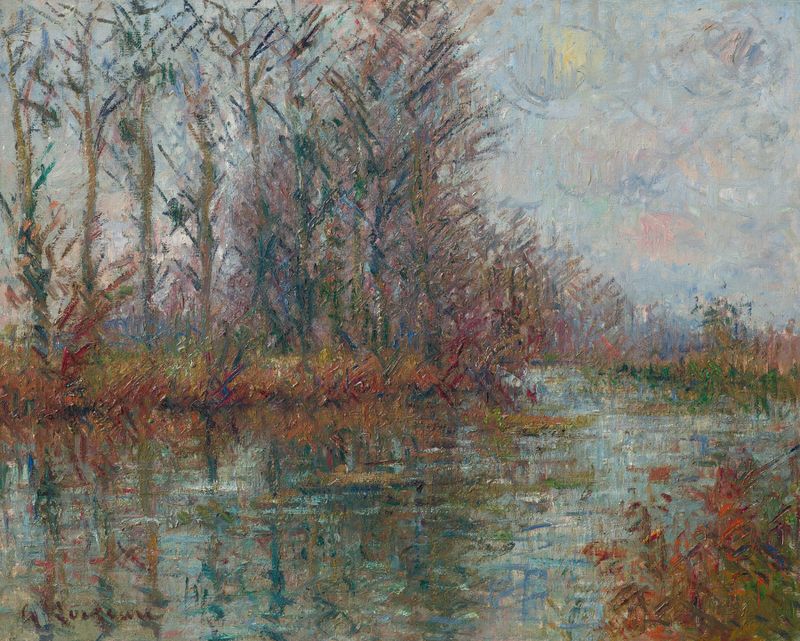
Tournant de rivière, L’Eure
Gustave Loiseau

Pont Marie, Paris
Gustave Loiseau

Le Bras De Mer
Gustave Loiseau

Le Pont Suspendu À Triel
Gustave Loiseau

Bord de la rivière
Gustave Loiseau
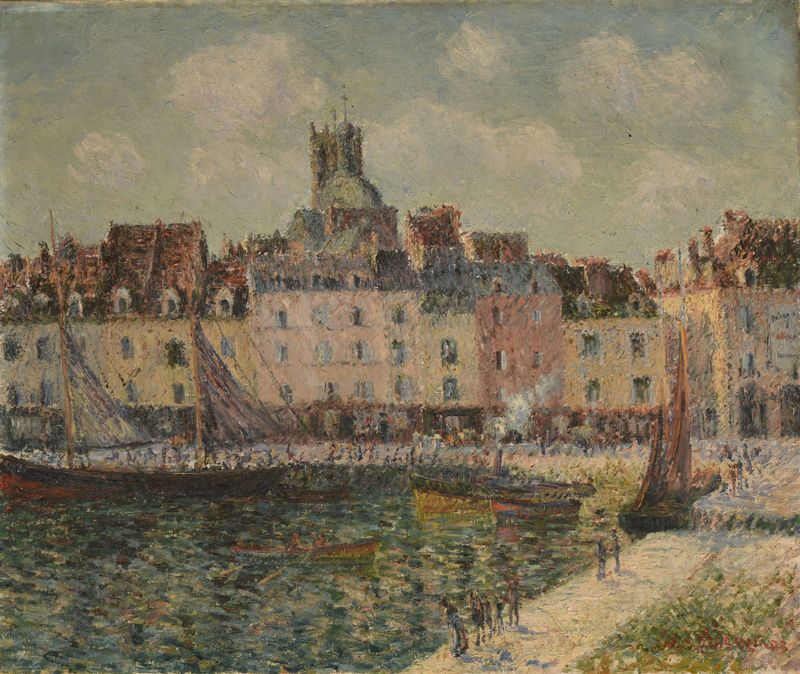
Le Quai Duquesne à Dieppe
Gustave Loiseau

Rocher la Teignouse, Cap Fréhel
Gustave Loiseau





