Discover insights about this artwork
Paysage Du Midi — History & Facts
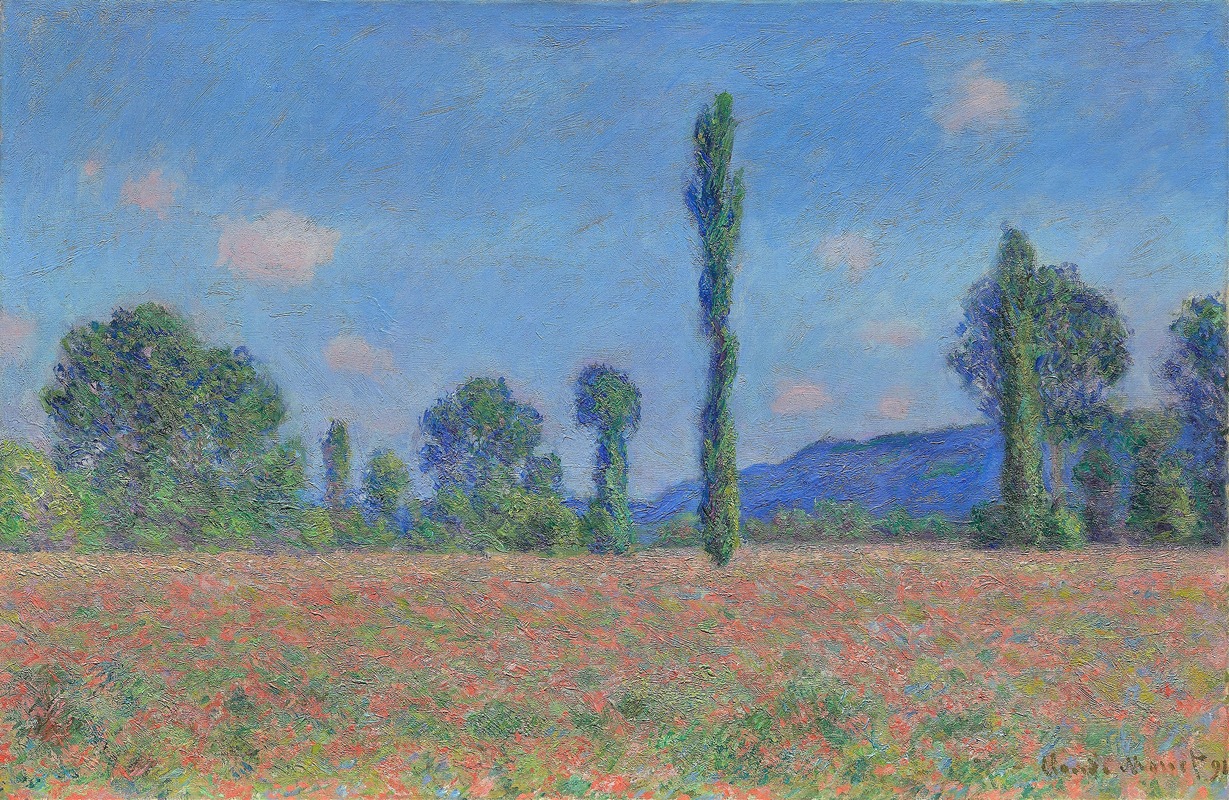
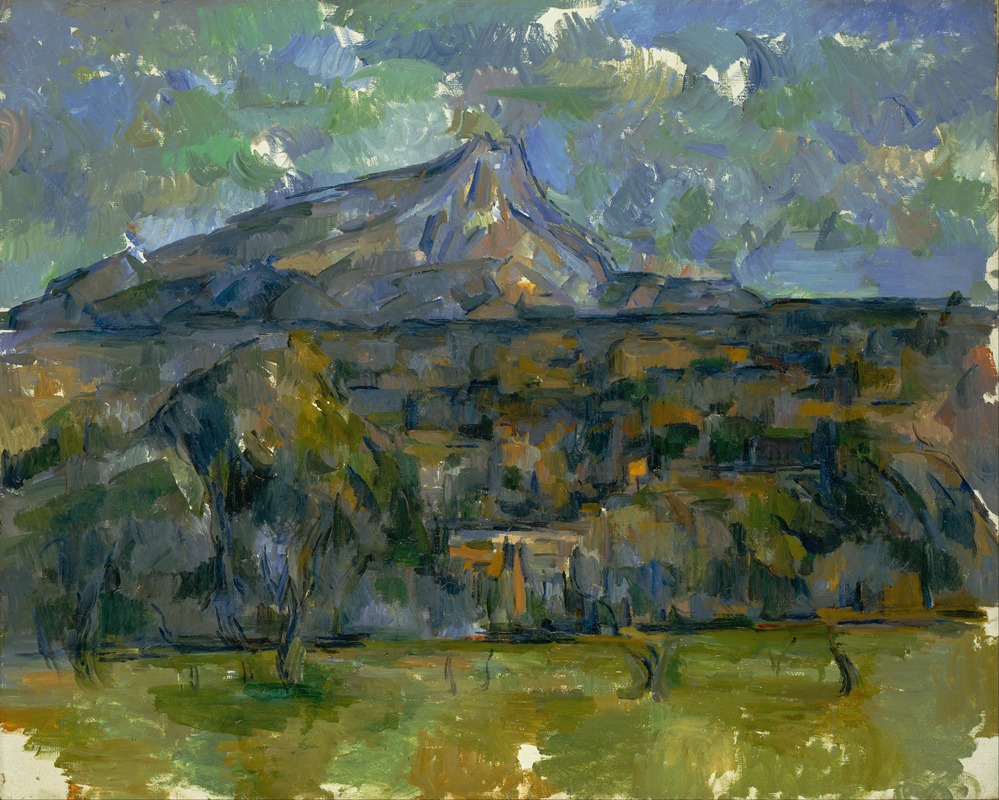
In Paysage Du Midi, Paul Cézanne captures the essence of the southern French landscape. The painting features a vibrant palette of greens, blues, and yellows, depicting rolling hills and a serene sky. The brushstrokes are visible, adding texture and depth to the scene.
This landscape invites viewers to immerse themselves in the beauty of nature. Cézanne's technique in this work showcases his Post-Impressionist style, characterized by bold colors and geometric forms. The composition is balanced, with a harmonious arrangement of elements that guide the viewer's eye through the landscape. The use of light and shadow creates a sense of dimension, enhancing the overall impact of the painting.
This piece exemplifies Cézanne's innovative approach to landscape painting. Paysage Du Midi reflects Cézanne's deep connection to the Provençal countryside, where he often painted en plein air. This work is significant as it illustrates his transition from Impressionism to a more structured style that would influence modern art. An interesting fact about this painting is that it embodies Cézanne's exploration of color and form, which would later inspire artists like Picasso and Matisse.
The painting remains a testament to his legacy in the art world.
More Artworks by Paul Cézanne
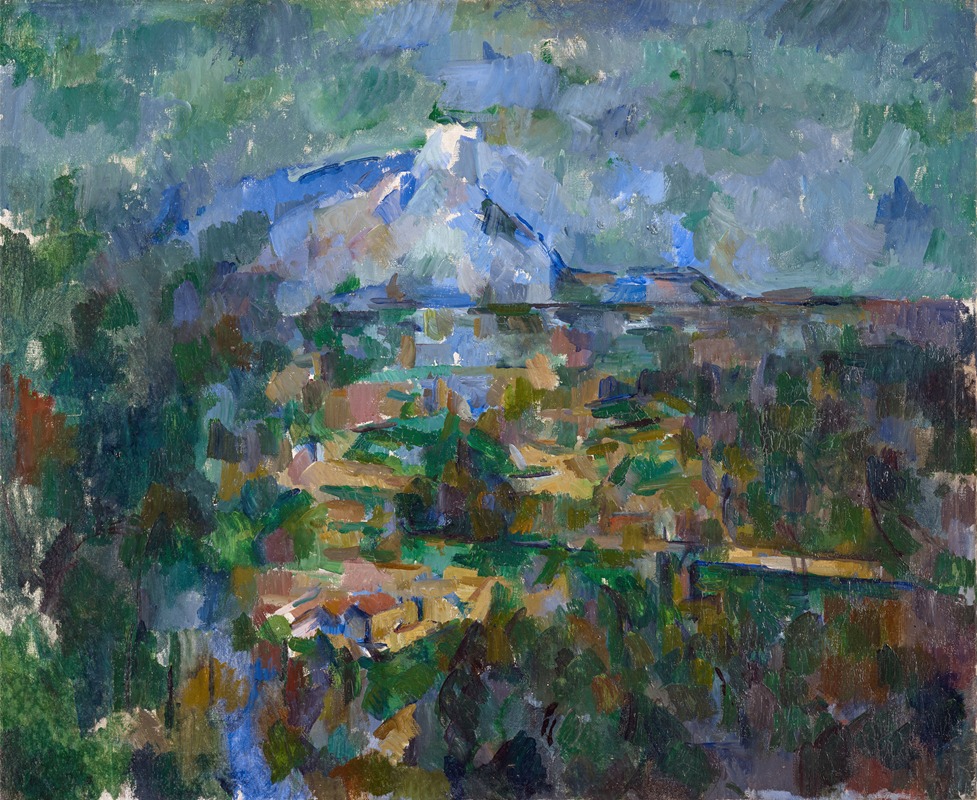
The Mont Sainte-Victoire Seen From Les Lauves
Paul Cézanne
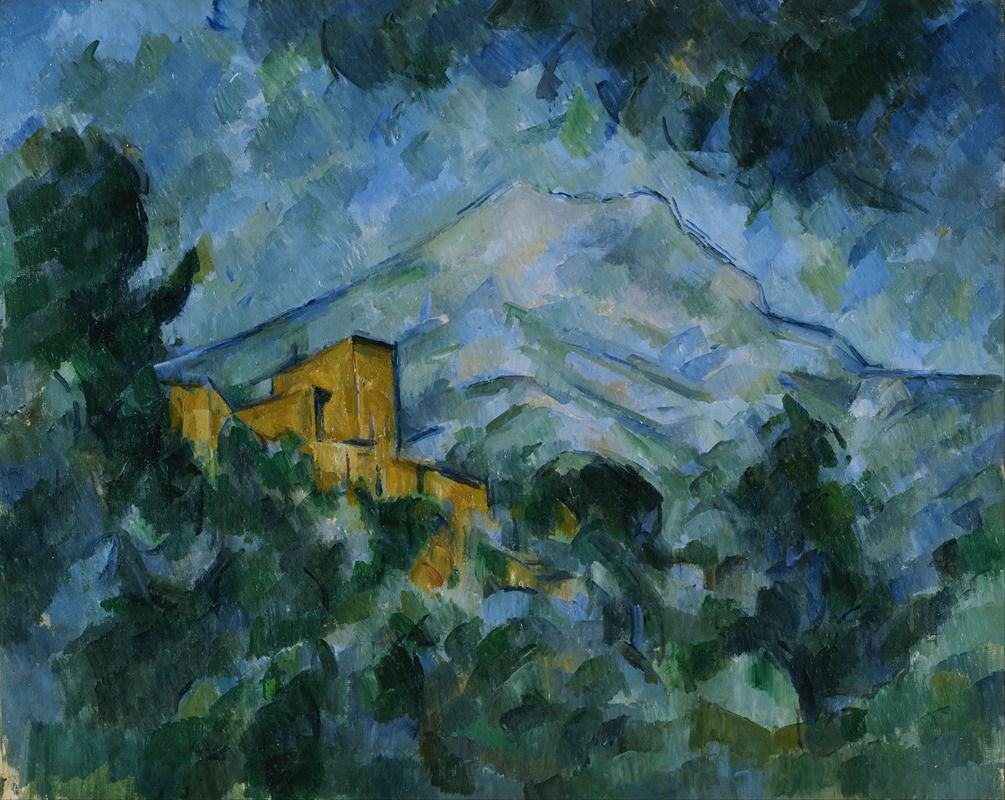
Mont Sainte-Victoire and Château Noir
Paul Cézanne
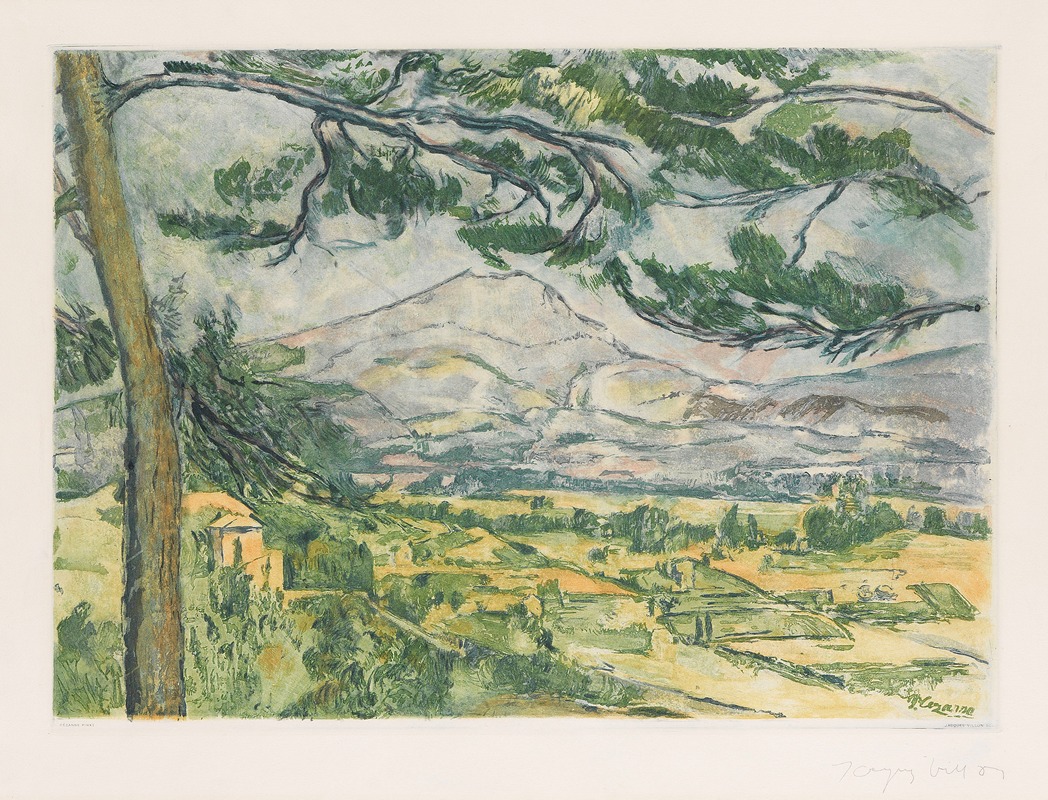
La Montagne Sainte-Victoire
Paul Cézanne
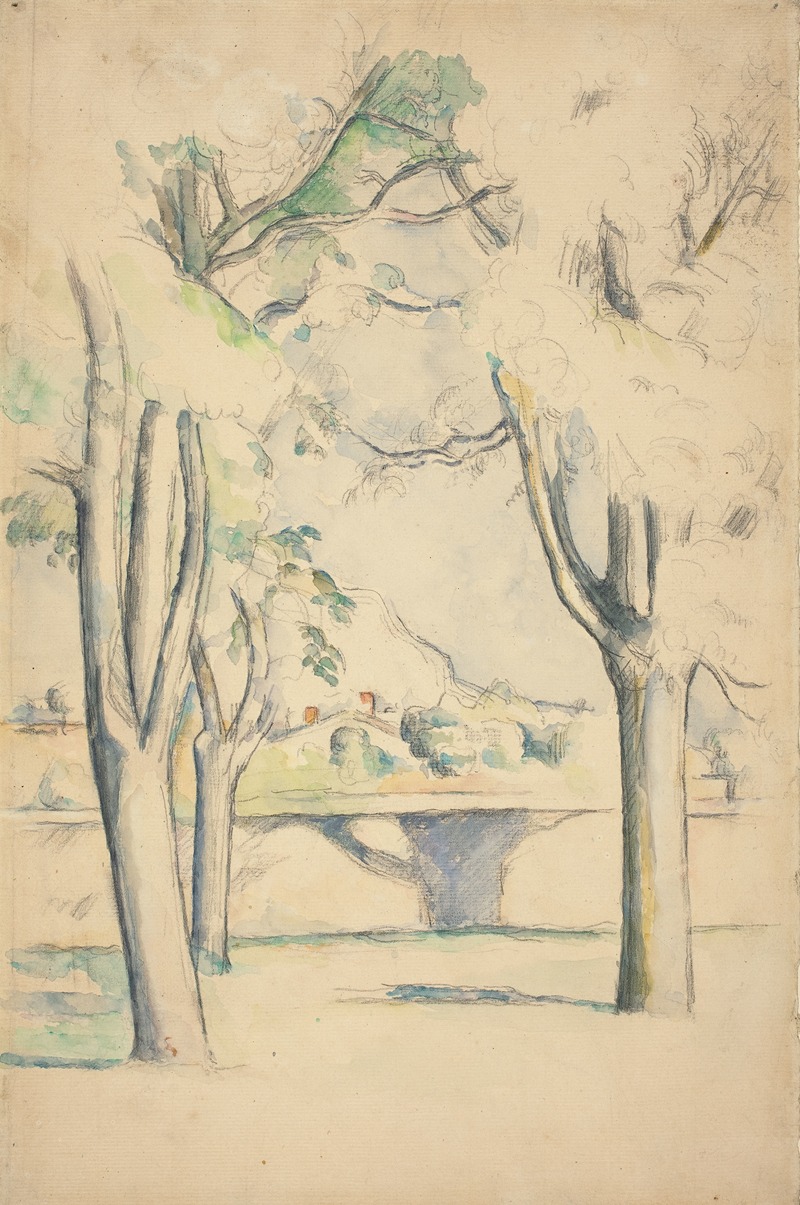
Mont Sainte-Victoire Seen beyond the Wall of the Jas de Bouffan
Paul Cézanne
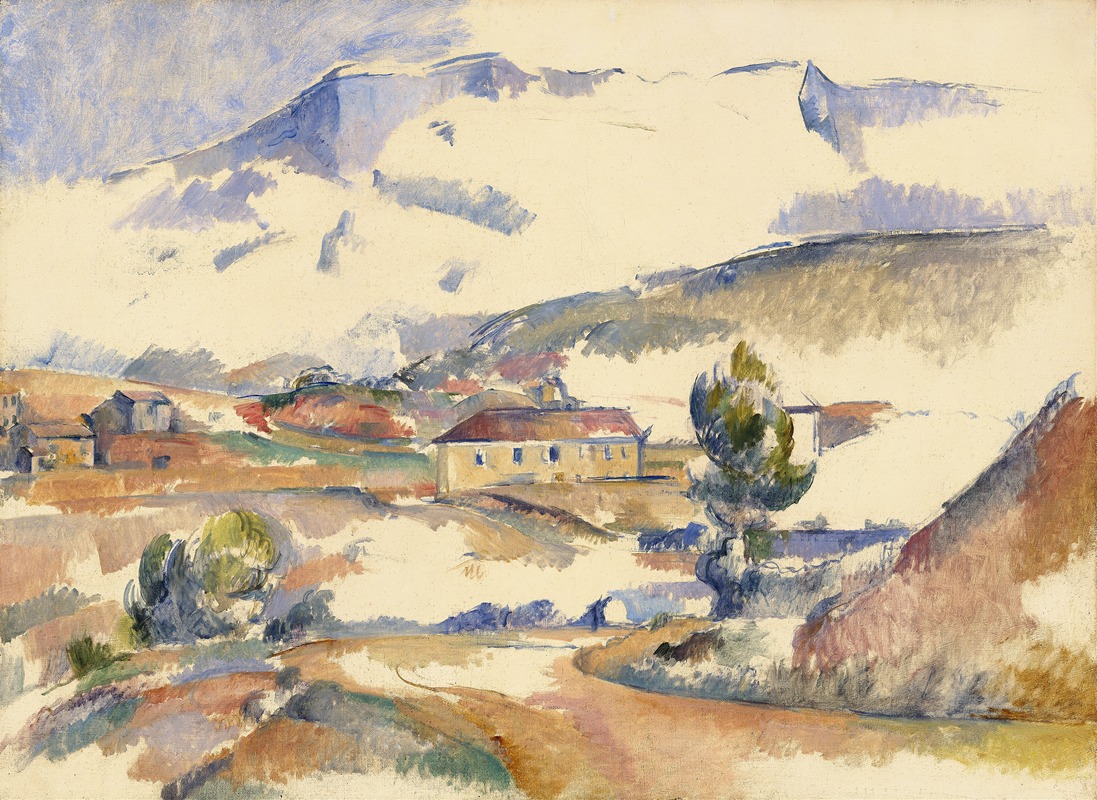
Montagne Sainte-Victoire,from near Gardanne
Paul Cézanne
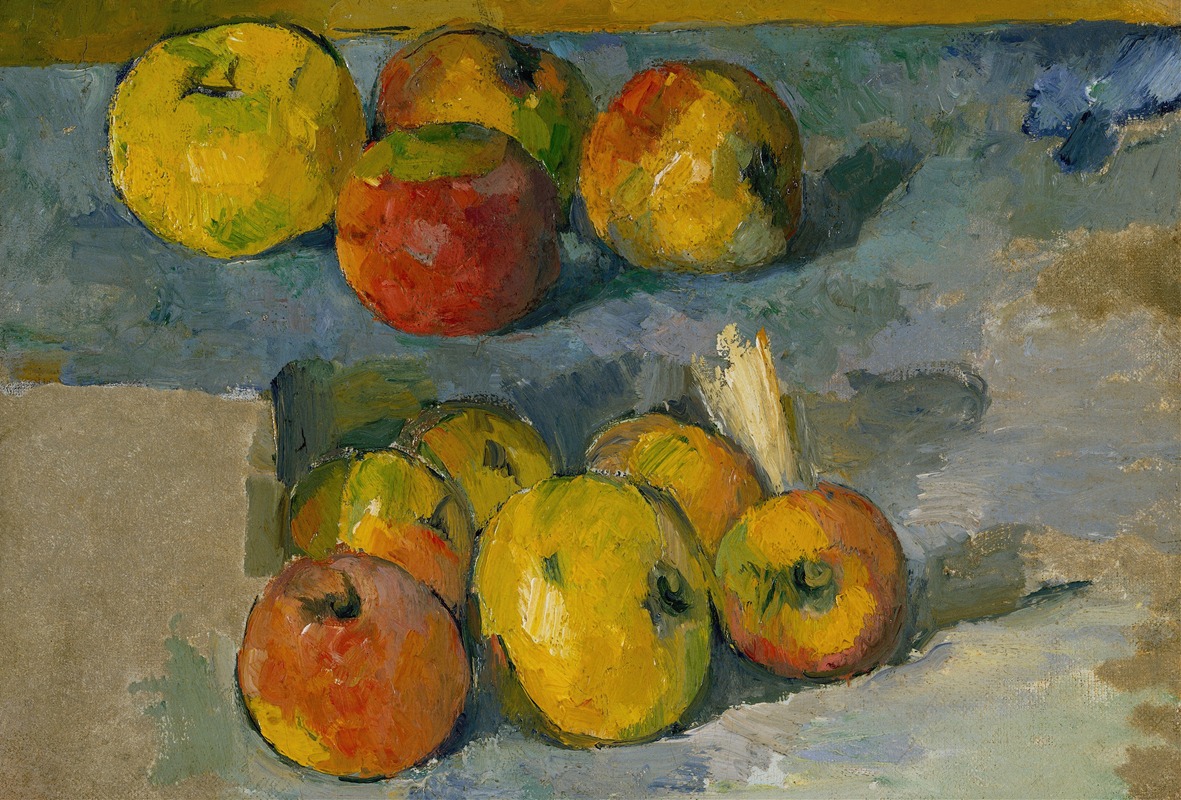
Apples
Paul Cézanne
Mont Sainte-Victoire
Paul Cézanne
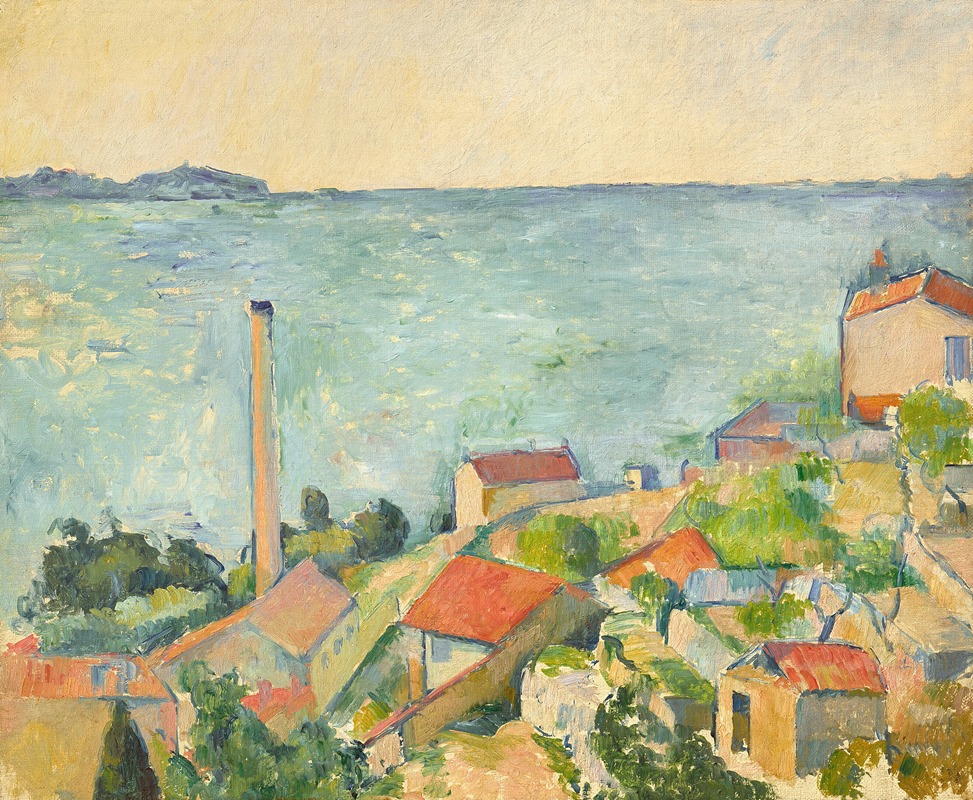
La mer à l’Estaque
Paul Cézanne
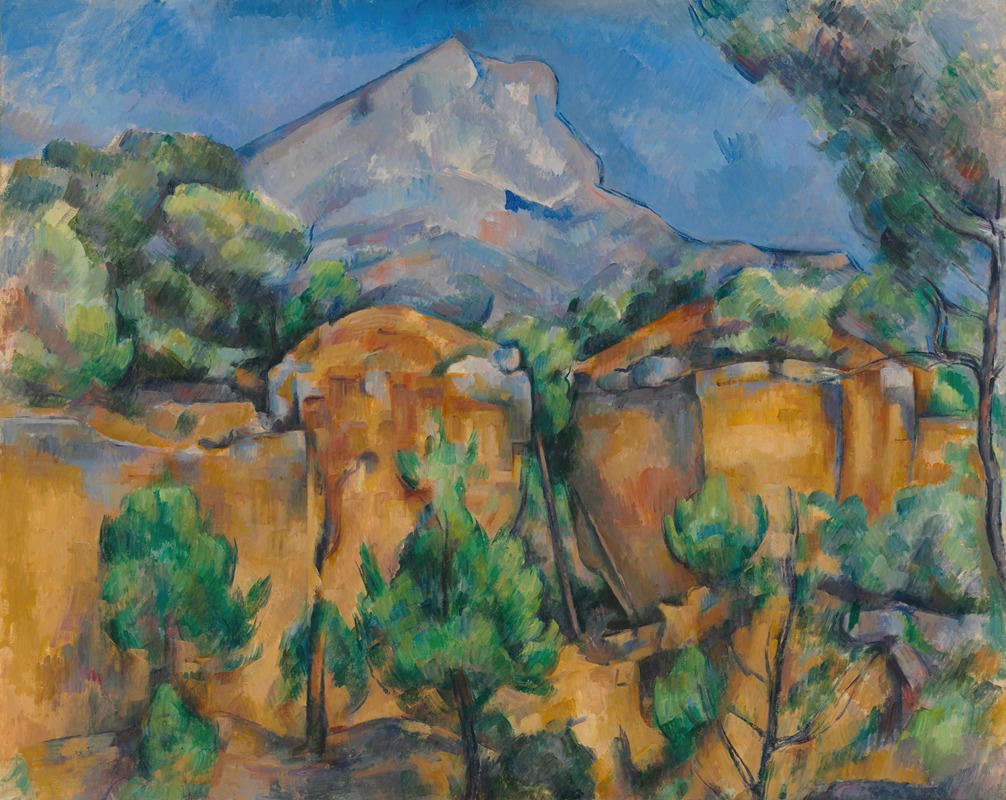
La Montagne Sainte-Victoire vue de la carrière Bibémus
Paul Cézanne
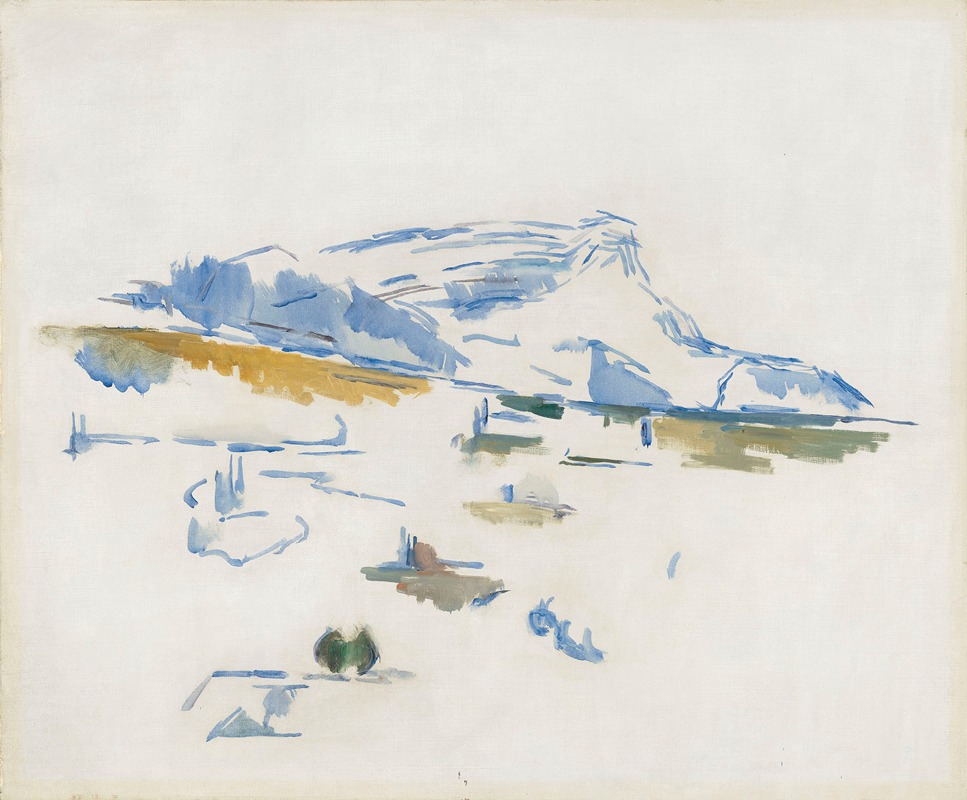
La Montagne Sainte-Victoire vue des Lauves
Paul Cézanne