Discover insights about this artwork
Paysage (environs de Melun) — History & Facts
In Paysage (environs de Melun), Paul Cézanne captures a serene landscape filled with lush greenery and rolling hills. The colors are rich and varied, with deep greens, soft blues, and warm earth tones dominating the scene. The composition is balanced, drawing the viewer's eye across the canvas.
The painting reflects the tranquility of nature, inviting contemplation. Cézanne's technique is evident in the brushwork, which is both expressive and structured. The use of color is bold, with a focus on capturing light and shadow to create depth. The layering of paint adds texture, giving the landscape a sense of movement and life.
This work exemplifies the Post-Impressionist style, moving beyond mere representation to convey a personal vision of the landscape. Paul Cézanne is often regarded as a bridge between Impressionism and modern art. This painting, created in the 1880s, reflects his interest in the natural world and his innovative approach to form and color. An interesting fact about this work is that it showcases Cézanne's desire to depict the essence of a place rather than just its appearance, a theme prevalent in his later works.
More Artworks by Paul Cézanne
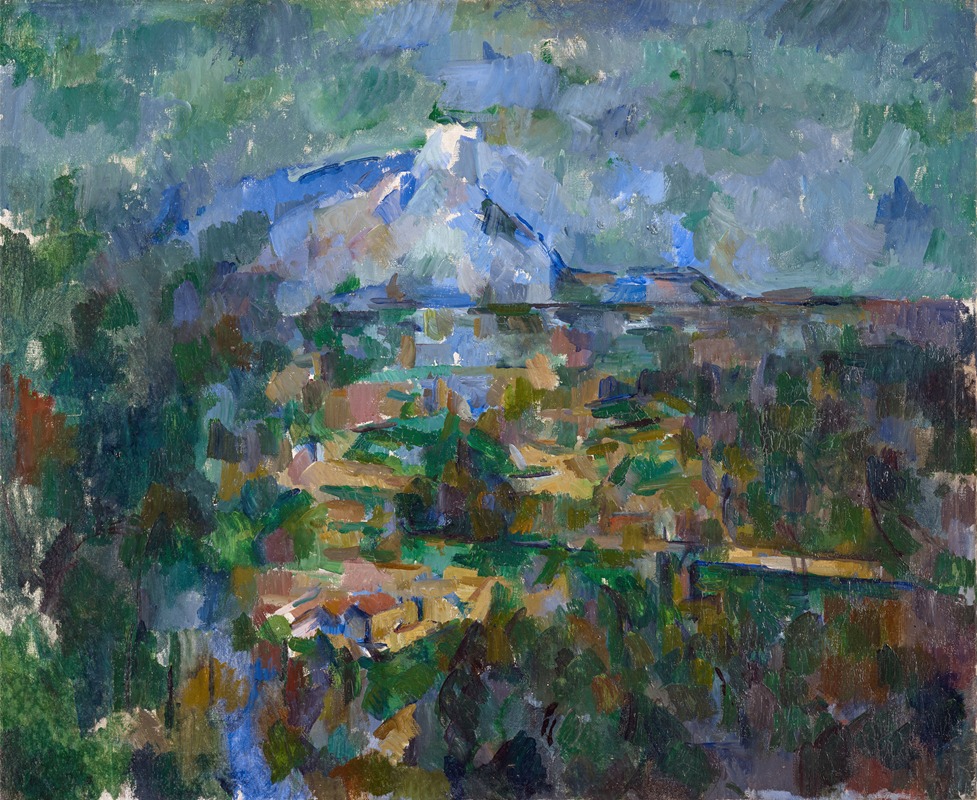
The Mont Sainte-Victoire Seen From Les Lauves
Paul Cézanne
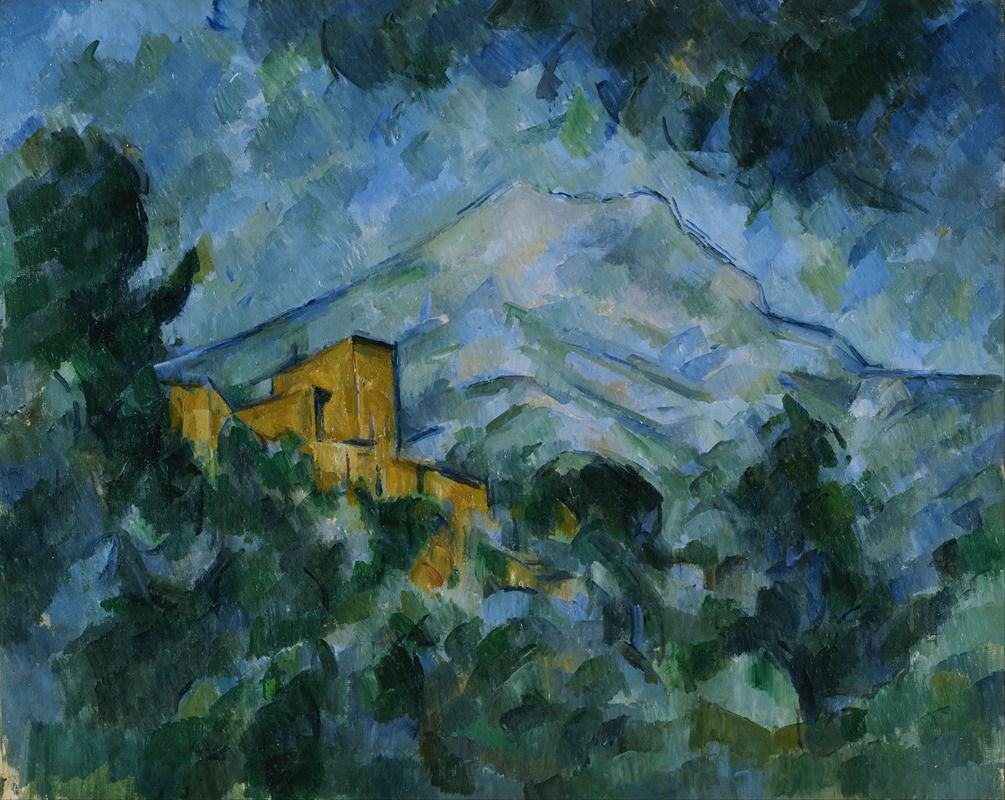
Mont Sainte-Victoire and Château Noir
Paul Cézanne
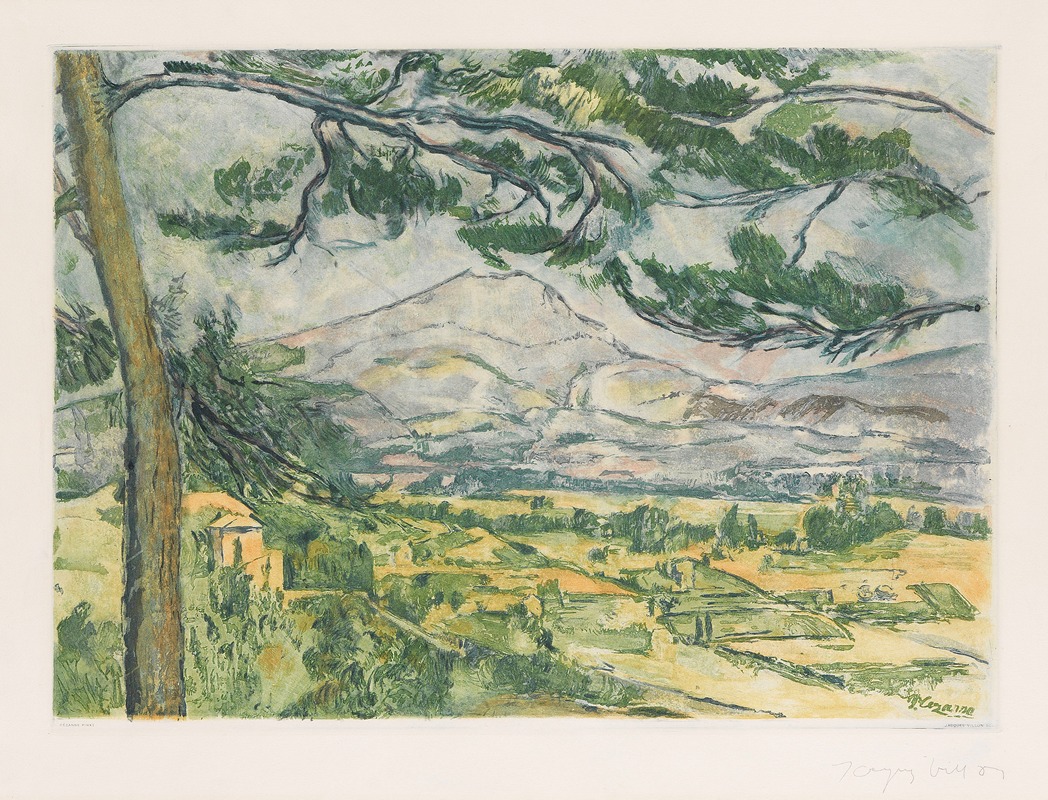
La Montagne Sainte-Victoire
Paul Cézanne
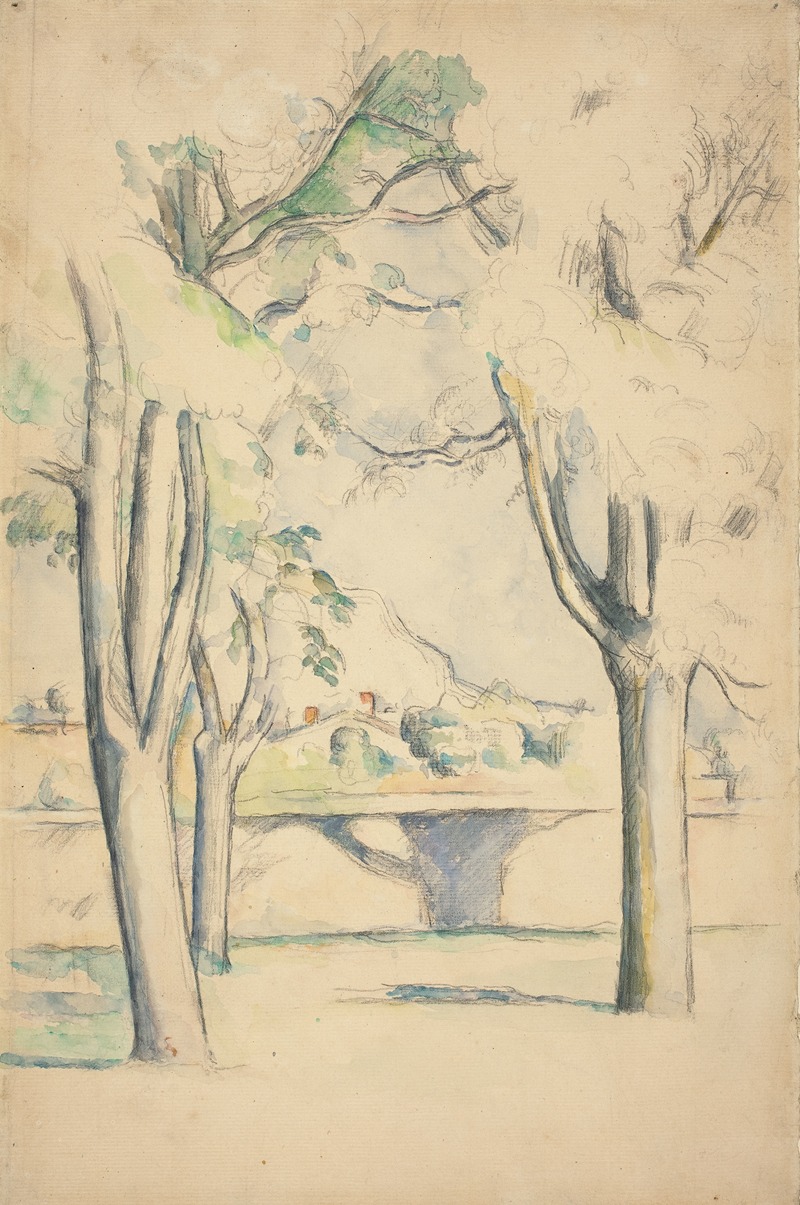
Mont Sainte-Victoire Seen beyond the Wall of the Jas de Bouffan
Paul Cézanne
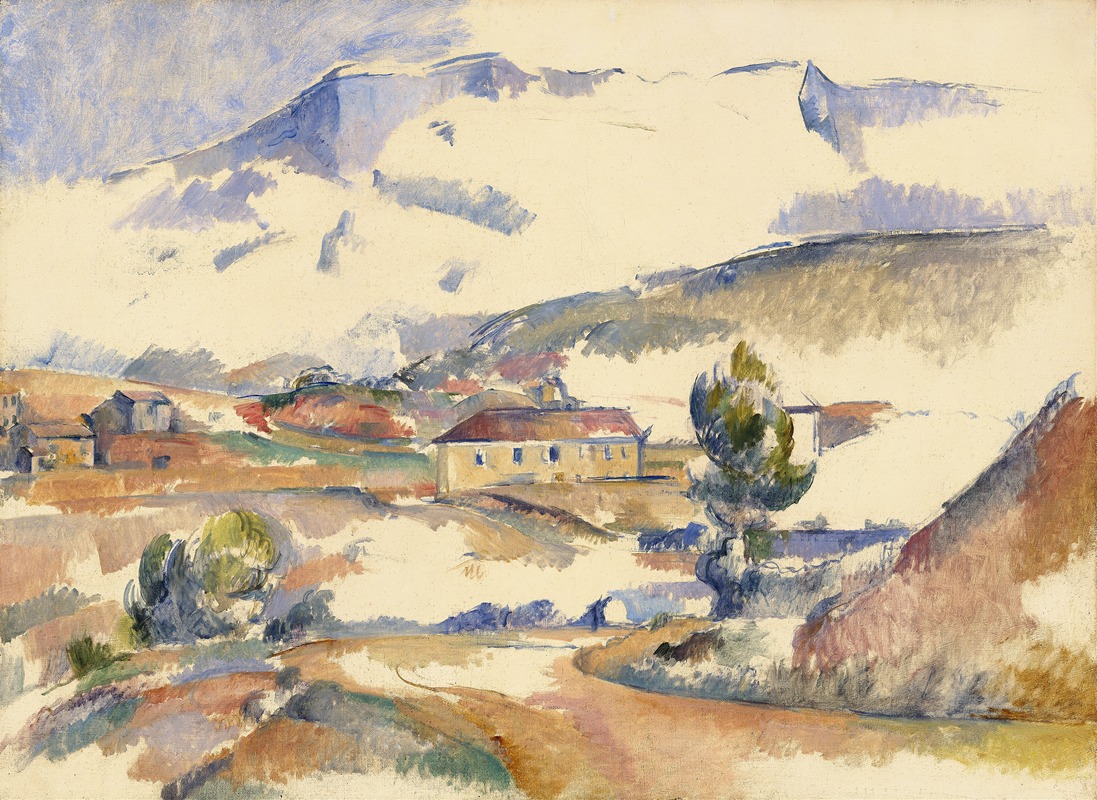
Montagne Sainte-Victoire,from near Gardanne
Paul Cézanne
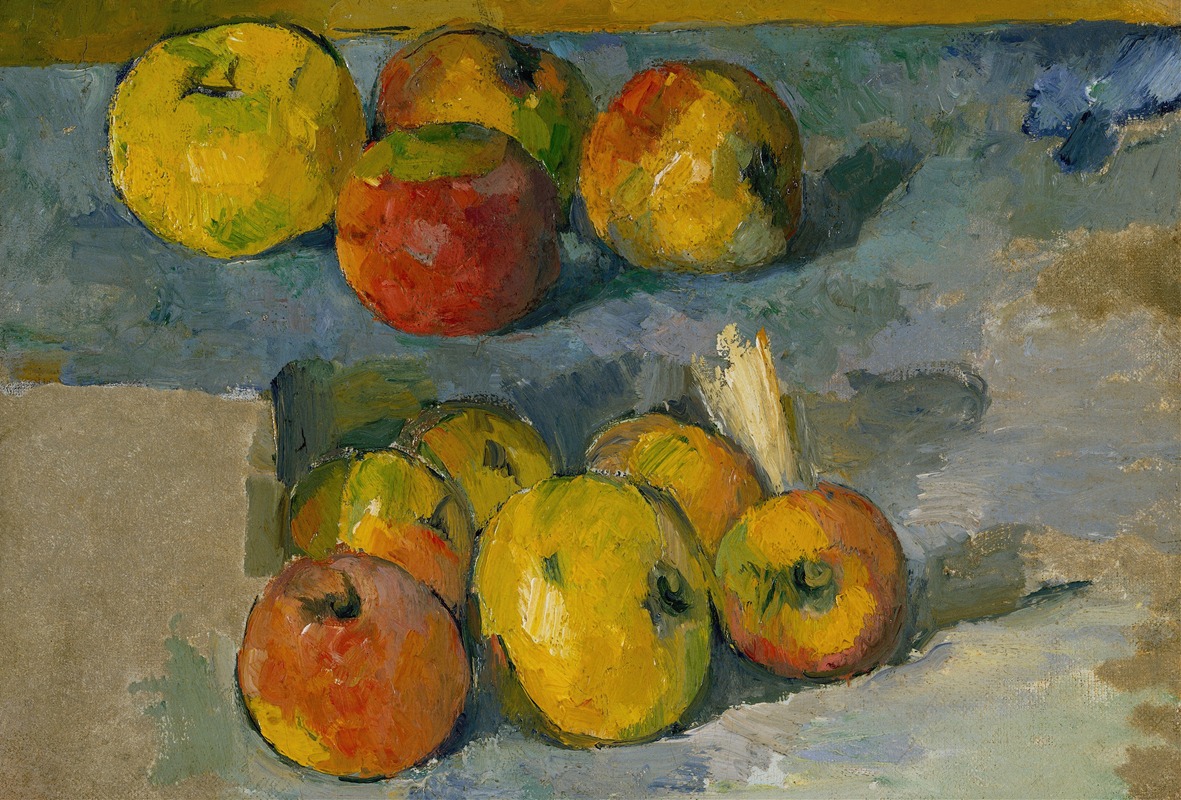
Apples
Paul Cézanne
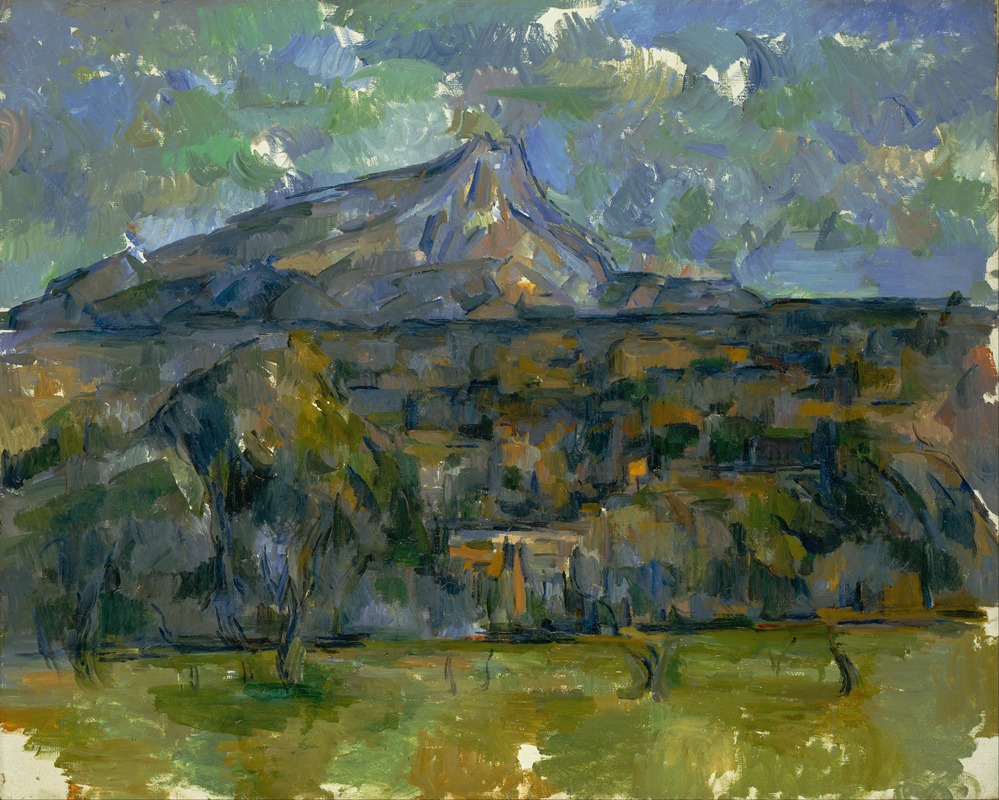
Mont Sainte-Victoire
Paul Cézanne
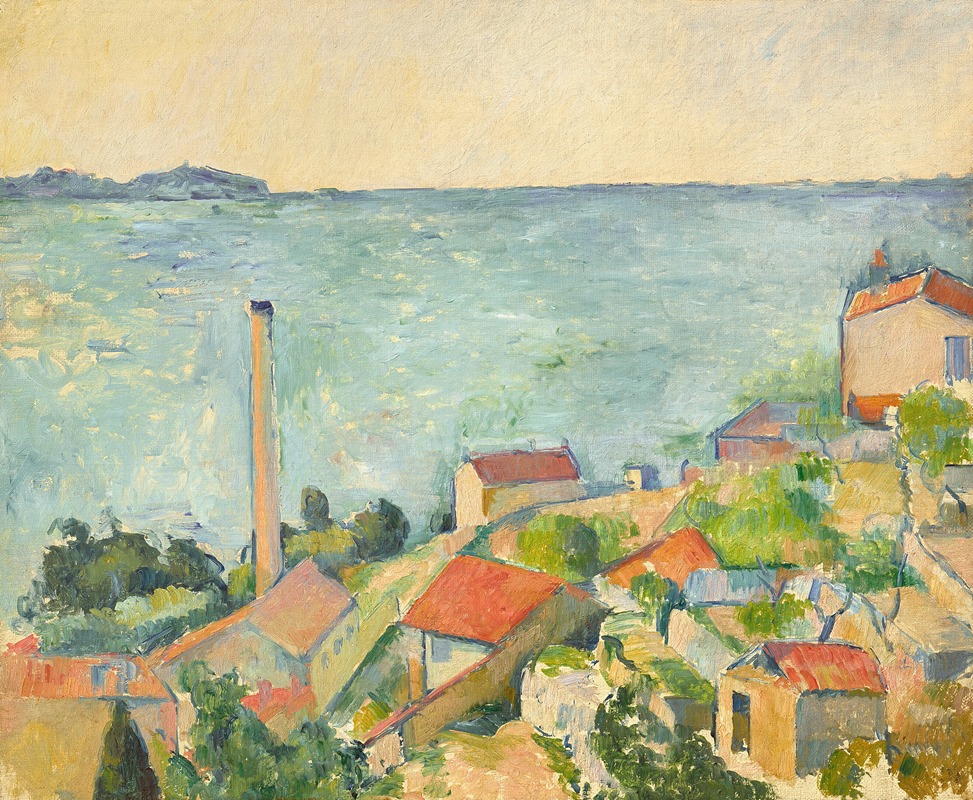
La mer à l’Estaque
Paul Cézanne
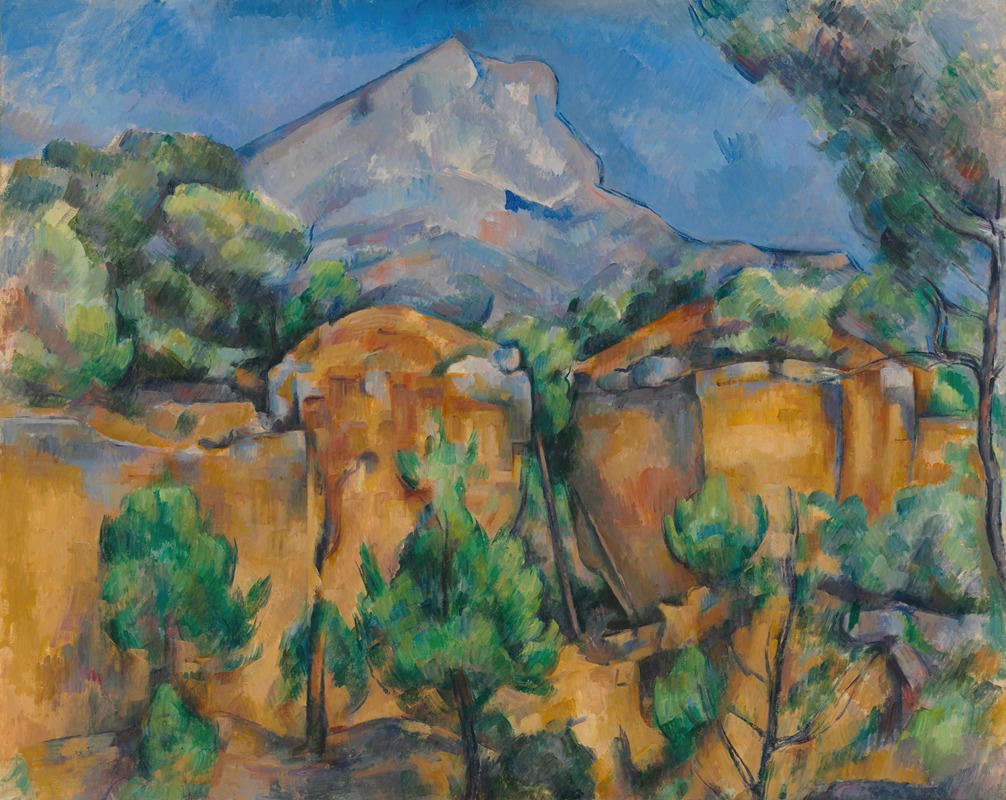
La Montagne Sainte-Victoire vue de la carrière Bibémus
Paul Cézanne
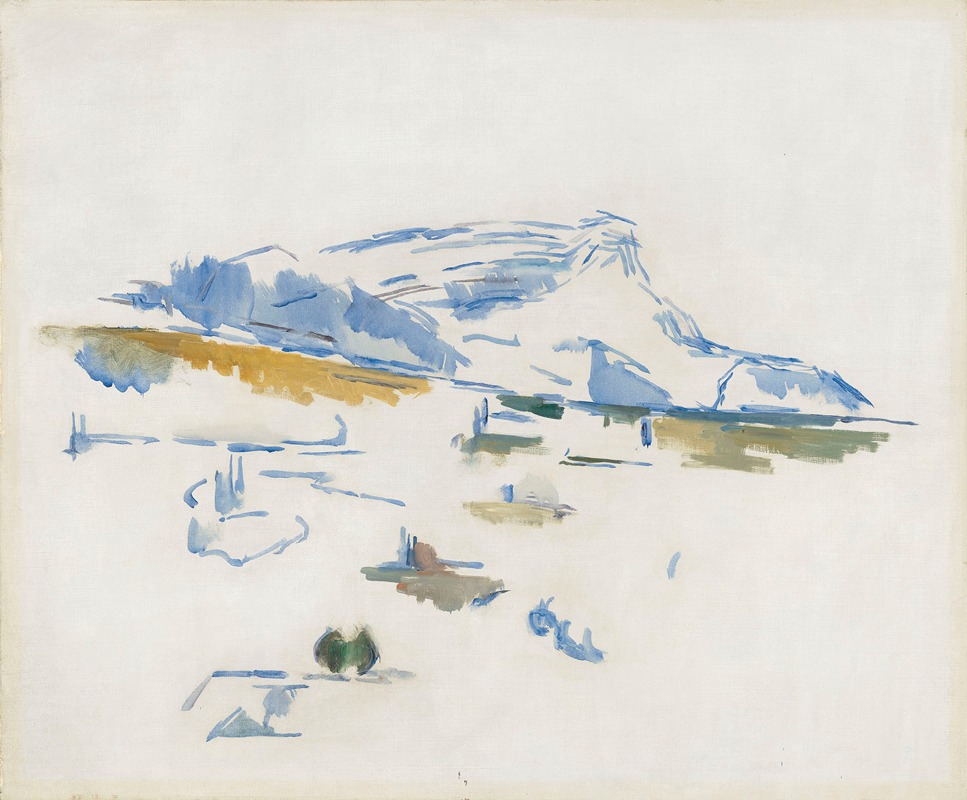
La Montagne Sainte-Victoire vue des Lauves
Paul Cézanne