
Paysage à Moulineux — History & Facts
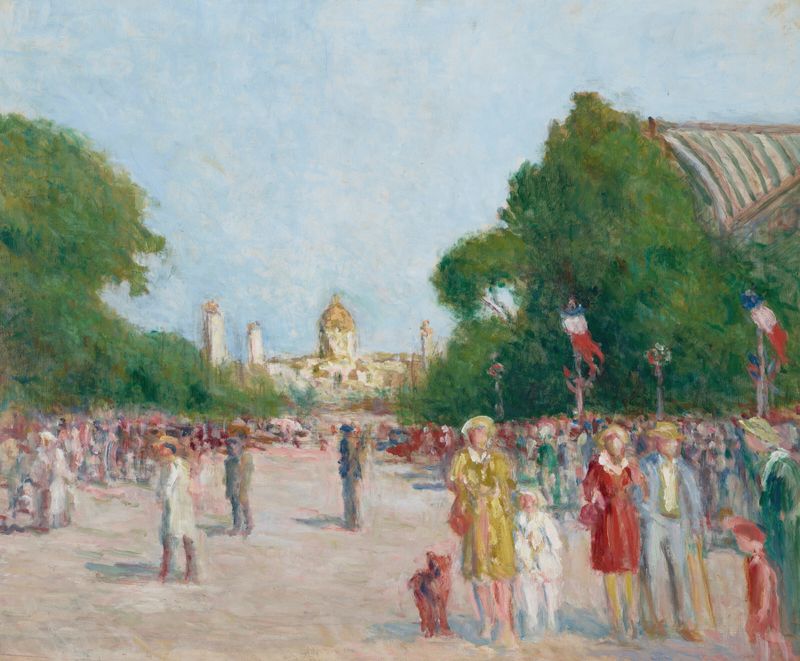
In the quiet depths of Paysage à Moulineux, a legacy whispers through the brushstrokes, inviting viewers to contemplate the weight of history and the passage of time. Focus first on the gentle curves of the rolling hills, where the vibrant greens and softened browns converge under an expansive sky. Notice how the light dances across the landscape, illuminating the textures of the grass and the delicate reflections in the water. The loose yet deliberate application of paint creates a sense of movement, as if the air itself is alive with nature's breath.
With every glance, the viewer is drawn deeper into this serene tableau, feeling the pull of its tranquil embrace. Yet, there lies an emotional tension within the peaceful facade. The interplay of light and shadow suggests the duality of existence, where beauty coexists with melancholy. Subtle hints, like a solitary tree standing vigilant on the horizon, speak to the enduring nature of legacy—an ever-present reminder of lives once lived and stories left untold.
Each detail contributes to a narrative that transcends the canvas, urging us to reflect on our own connections to the past. In 1903, during a period of social and artistic upheaval, Luce painted this work amid a growing shift towards Impressionism, capturing the essence of rural life in France. At this time, he was immersed in the avant-garde movements that sought to break away from traditional representations, exploring the interplay of light and color in his landscapes. This piece not only reflects his artistic evolution but also serves as a testament to the enduring beauty of the natural world, as well as the legacies we leave behind.
More Artworks by Maximilien Luce
Browse all →
Le Quai Montebello Et La Colline Sainte-Geneviève
Maximilien Luce

Le Pont-Neuf, La Seine, Petit Bras
Maximilien Luce
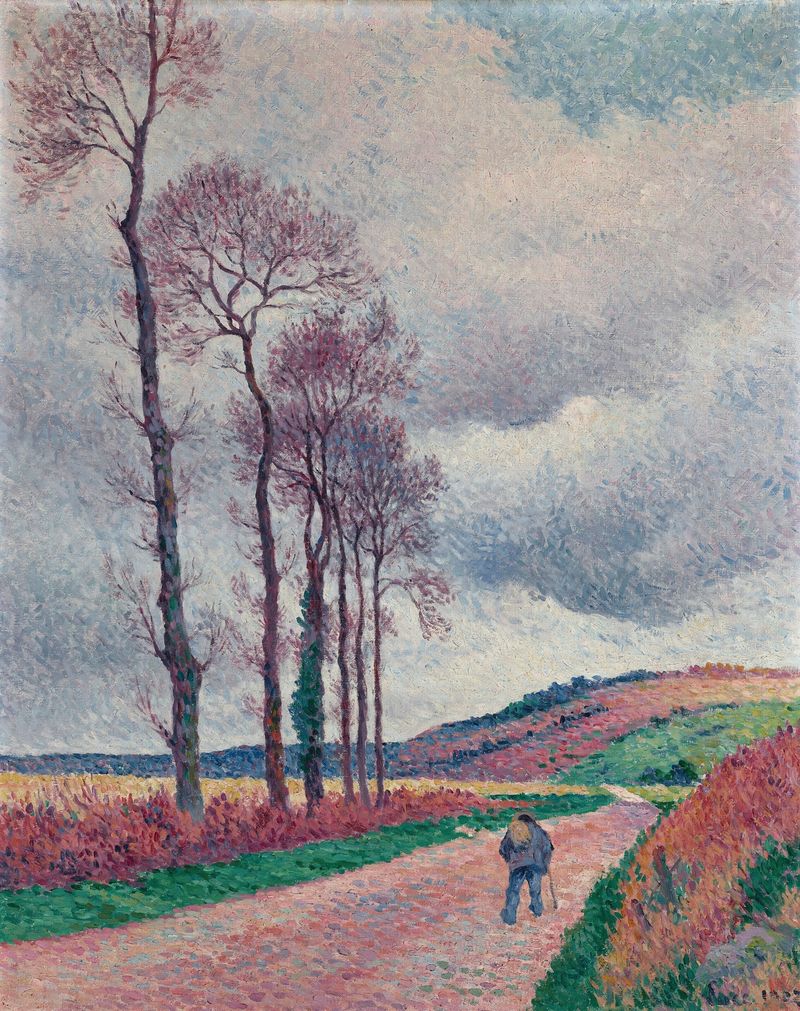
La route aux environs de Méréville
Maximilien Luce
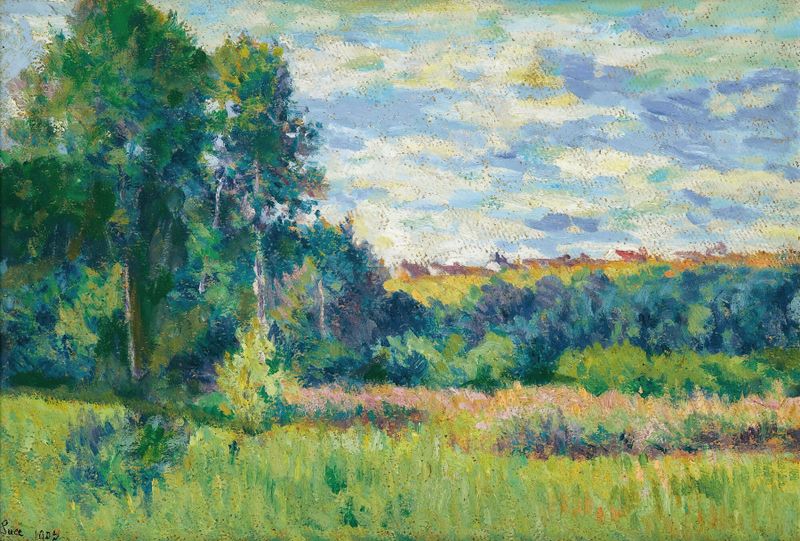
Paysage
Maximilien Luce
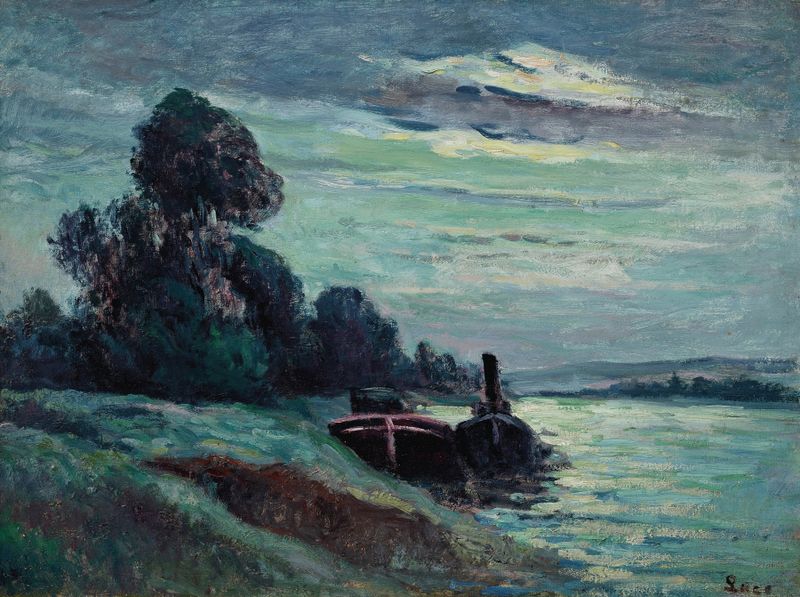
Péniches sur la Seine
Maximilien Luce

Notre Dame de Paris
Maximilien Luce
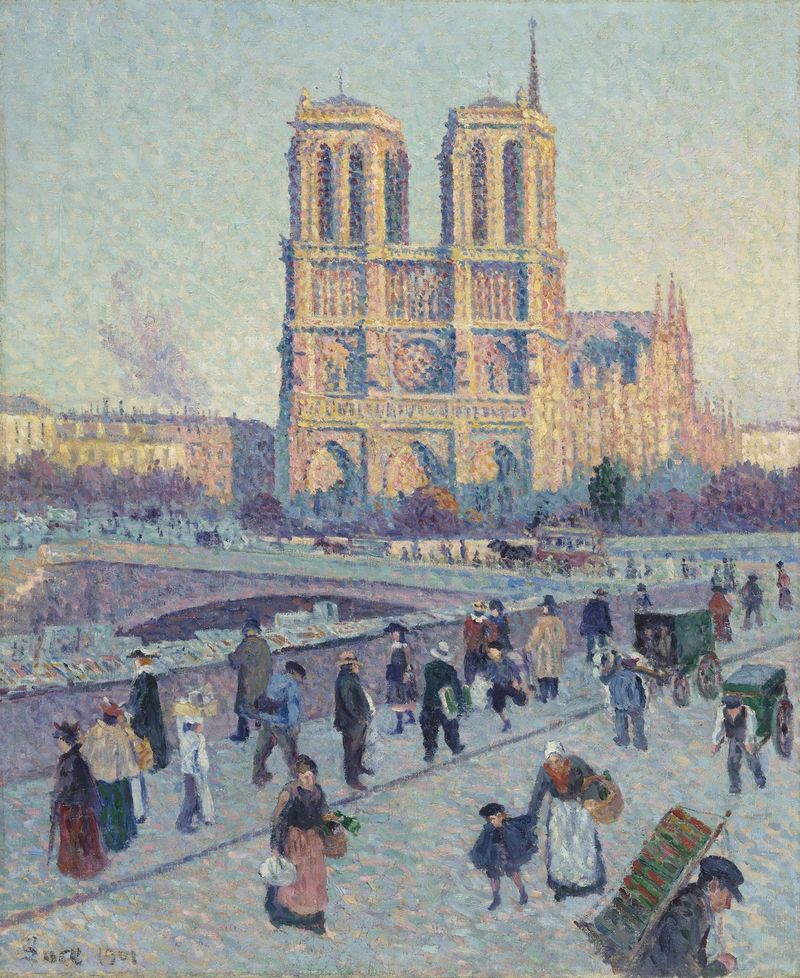
The Quai Saint-Michel and Notre-Dame
Maximilien Luce

La Seine au Pont Mirabeau
Maximilien Luce
L’avenue Winston-Churchill, Paris
Maximilien Luce

Paris, Le Quartier De Vaugirard
Maximilien Luce





