
Paysage à Méréville — History & Facts
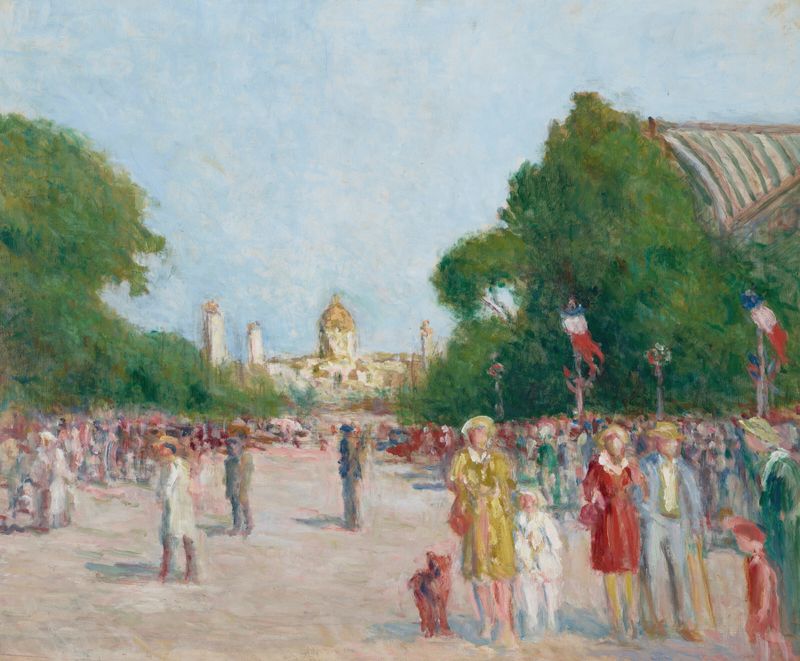
In the interplay of light and shadow, we encounter a world both vibrant and contemplative, where nature’s whispers beckon our senses. Look to the forefront of Paysage à Méréville, where the lush greens of the grass and the delicate strokes of the trees invite you into a serene landscape. Notice how the sunlight dapples through the foliage, creating a mosaic of light that dances upon the canvas. The subtle blending of blues, yellows, and greens draws your eye across the scene, leading you from the foreground into the tranquil depths of the background, where gentle hills embrace an expansive sky. Upon closer inspection, the emotional tension emerges in the contrast between the vivid colors of nature and the almost palpable stillness of the moment.
The brushwork evokes a sense of movement, yet the scene itself feels frozen in time, inviting contemplation of the beauty surrounding us. Each detail, from the flickering leaves to the distant horizon, holds significance, suggesting a harmony between the chaos of life and the peace found within nature’s embrace. In 1904, Maximilien Luce painted this work during a period of great social and artistic upheaval in France. As a prominent figure in the post-impressionist movement, he was deeply influenced by the burgeoning modernity around him.
This year marked a time when artists began to explore color and light in new ways, seeking to capture the essence of their surroundings amidst a rapidly changing world.
More Artworks by Maximilien Luce
Browse all →
Le Quai Montebello Et La Colline Sainte-Geneviève
Maximilien Luce

Le Pont-Neuf, La Seine, Petit Bras
Maximilien Luce
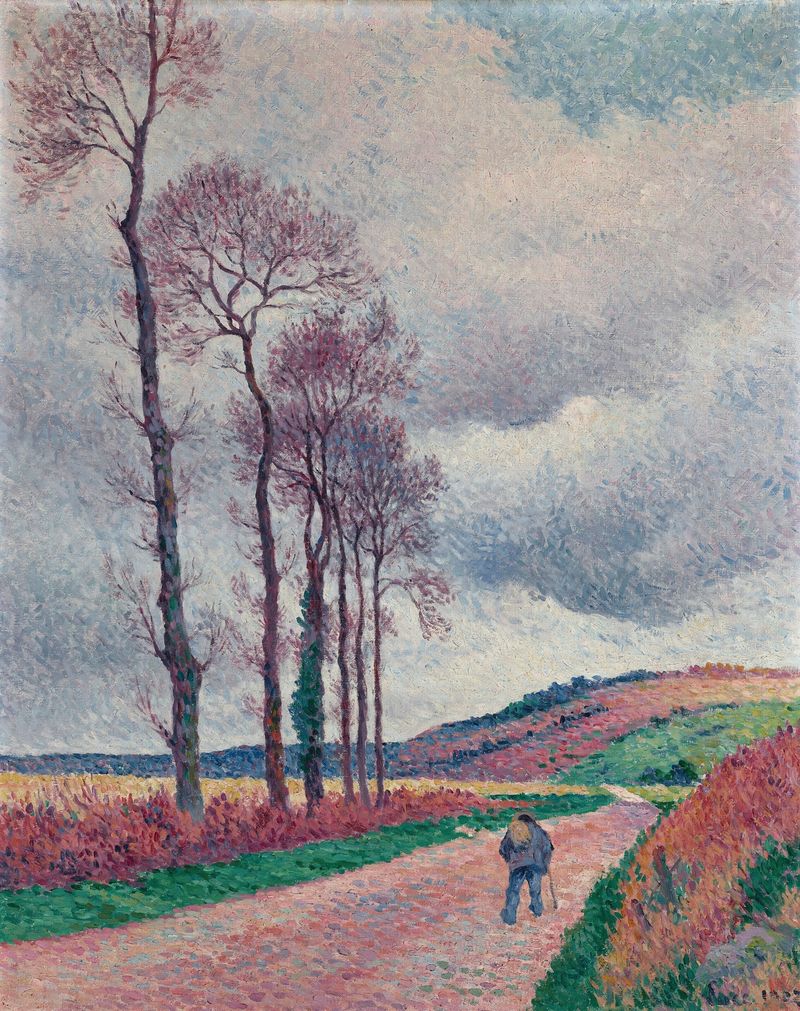
La route aux environs de Méréville
Maximilien Luce
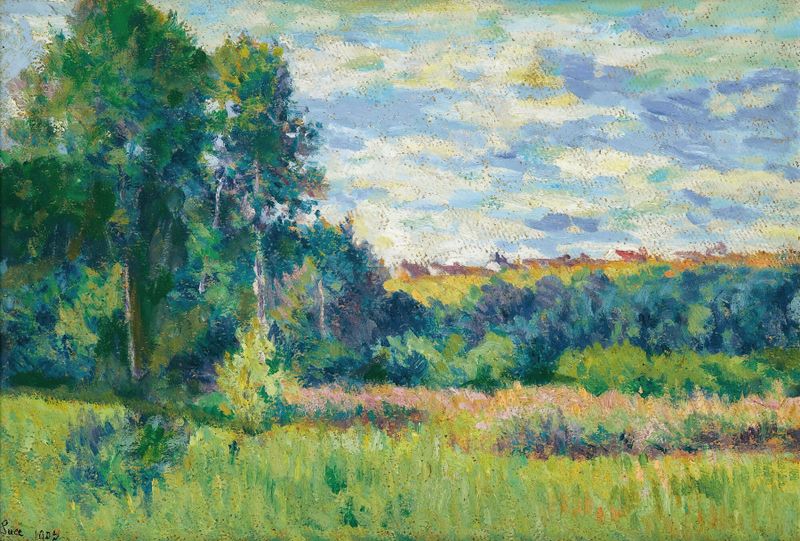
Paysage
Maximilien Luce
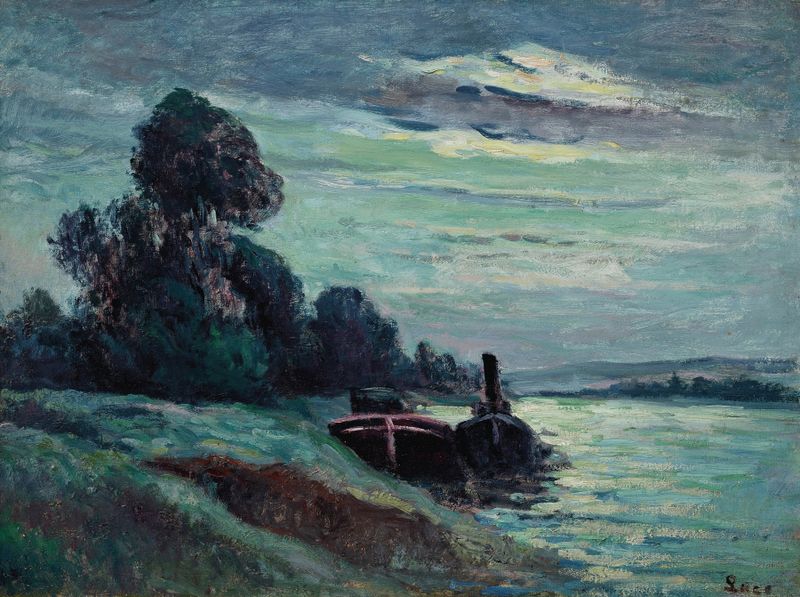
Péniches sur la Seine
Maximilien Luce

Notre Dame de Paris
Maximilien Luce
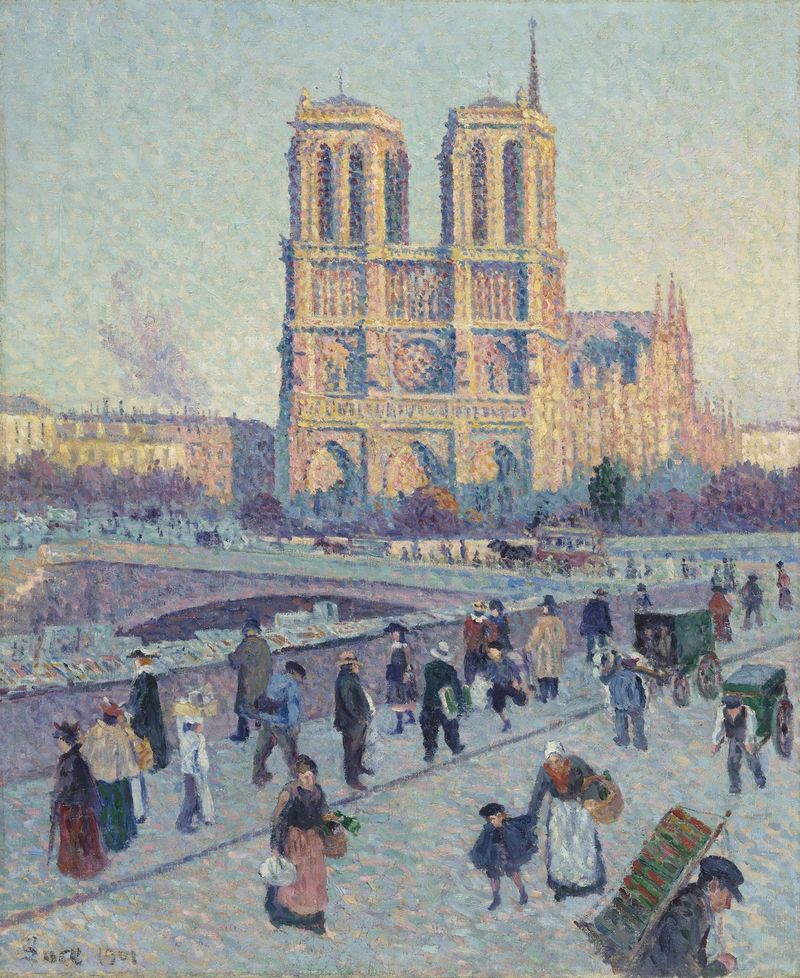
The Quai Saint-Michel and Notre-Dame
Maximilien Luce

La Seine au Pont Mirabeau
Maximilien Luce
L’avenue Winston-Churchill, Paris
Maximilien Luce

Paris, Le Quartier De Vaugirard
Maximilien Luce





