
Paysage parisien. Bords de Seine — History & Facts
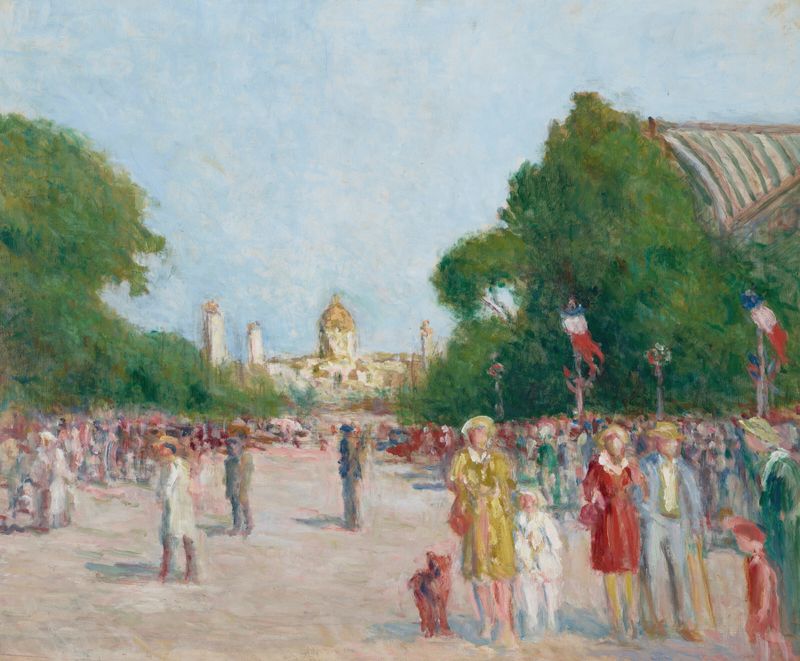
When did color learn to lie? The pastel blues and vibrant greens dance on the canvas, whispering secrets of a Paris once bustling with life and memory. Look to the foreground, where the River Seine glimmers under the gentle caress of sunlight. Notice how the artist’s brushstrokes create a rhythmic flow, mirroring the water’s movement. The blend of soft hues captures a moment suspended in time, inviting the viewer to linger in the serenity of this lush landscape.
Each stroke feels deliberate, as though Luce sought to immortalize the fleeting essence of a day by the water. Yet, beneath this picturesque veneer lies a tension between reality and nostalgia. The fragmented patches of color evoke both the vibrancy of life and the melancholy of moments lost. A lone figure on the riverbank gazes into the distance, embodying the solitude that can accompany reflection.
The interplay of light and shadow hints at stories untold, revealing the dichotomy of joy and longing nestled within memory. Maximilien Luce created this captivating piece during the late 19th century, a time when Impressionism was flourishing in France. Working in Paris, Luce sought to capture the essence of modernity while navigating the shadows of his own past. As a member of the avant-garde, he aligned himself with artists who were redefining the boundaries of color and light, striving to express not just what was seen, but what lay deeply felt in the heart of the viewer.
More Artworks by Maximilien Luce
Browse all →
Le Quai Montebello Et La Colline Sainte-Geneviève
Maximilien Luce

Le Pont-Neuf, La Seine, Petit Bras
Maximilien Luce
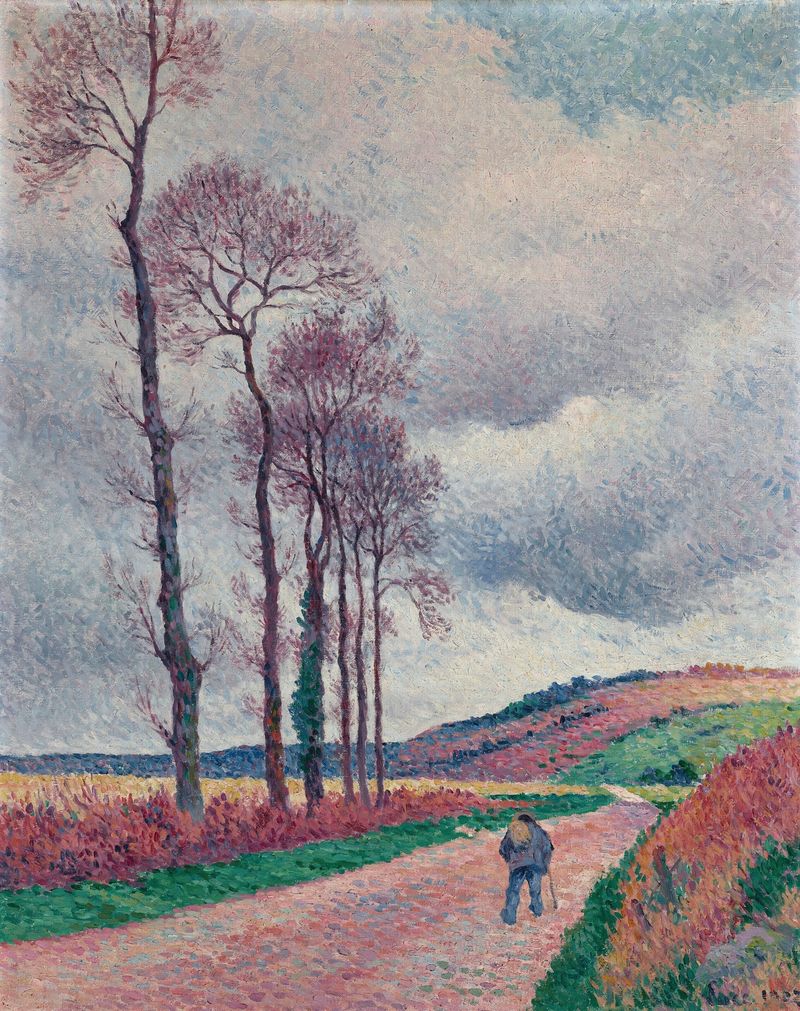
La route aux environs de Méréville
Maximilien Luce
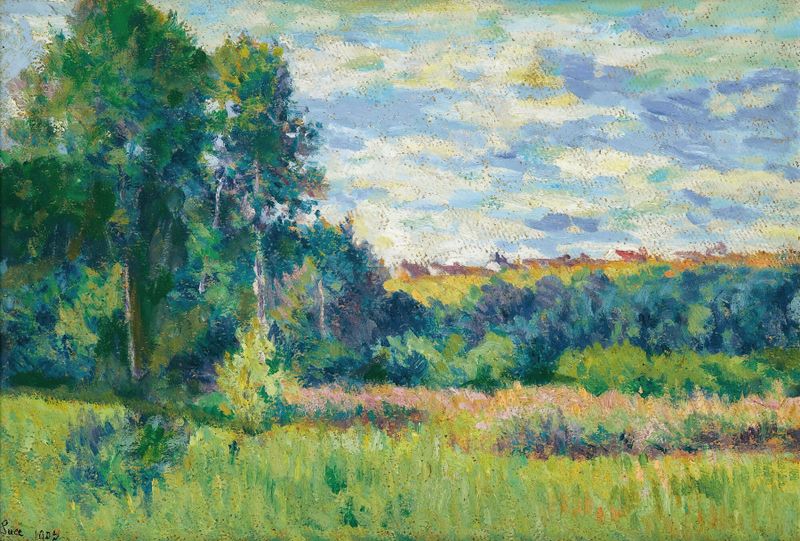
Paysage
Maximilien Luce
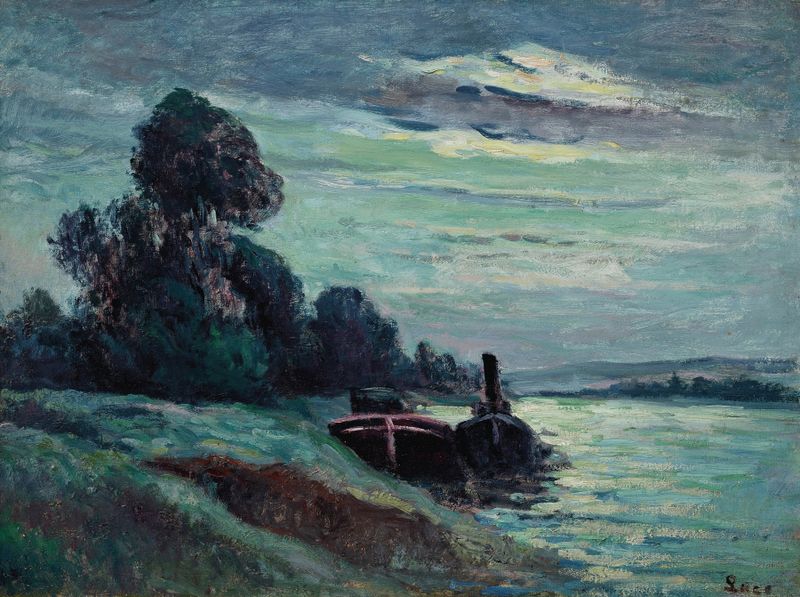
Péniches sur la Seine
Maximilien Luce

Notre Dame de Paris
Maximilien Luce
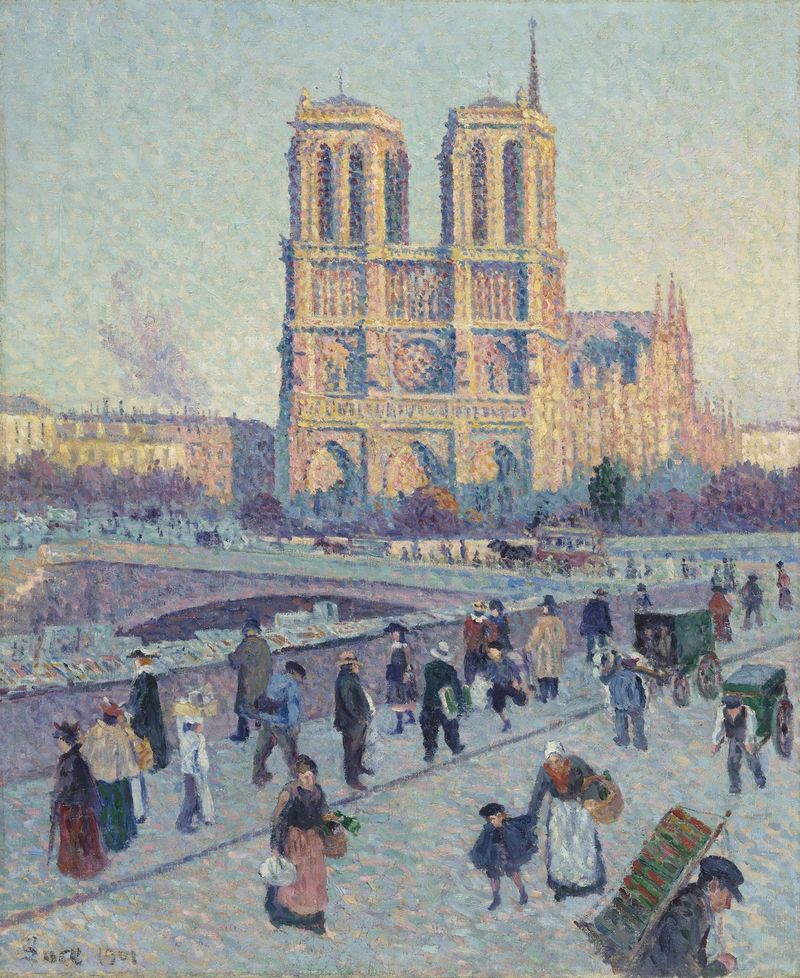
The Quai Saint-Michel and Notre-Dame
Maximilien Luce

La Seine au Pont Mirabeau
Maximilien Luce
L’avenue Winston-Churchill, Paris
Maximilien Luce

Paris, Le Quartier De Vaugirard
Maximilien Luce





