Paysage ruisseau dans la campagne — History & Analysis
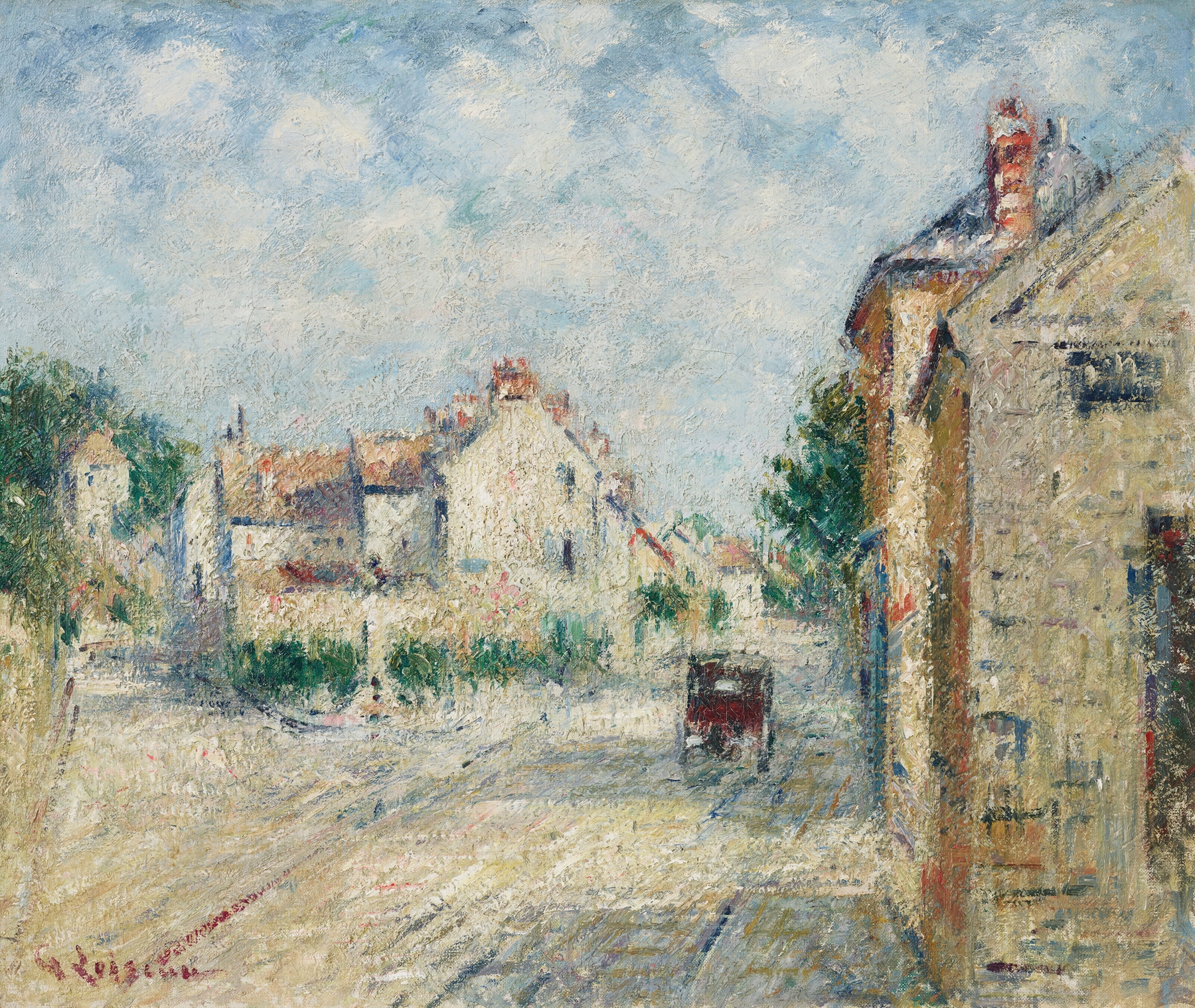
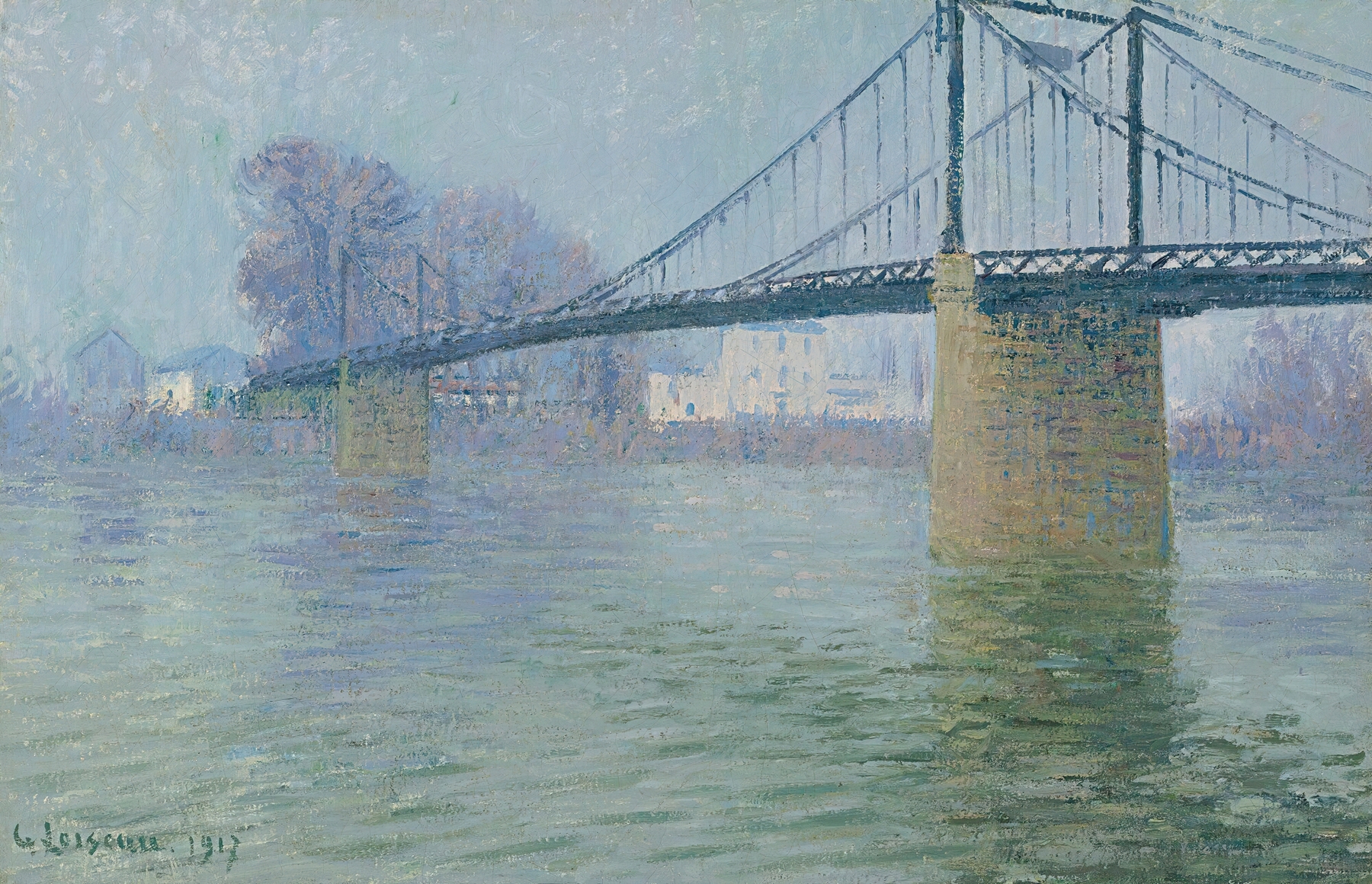
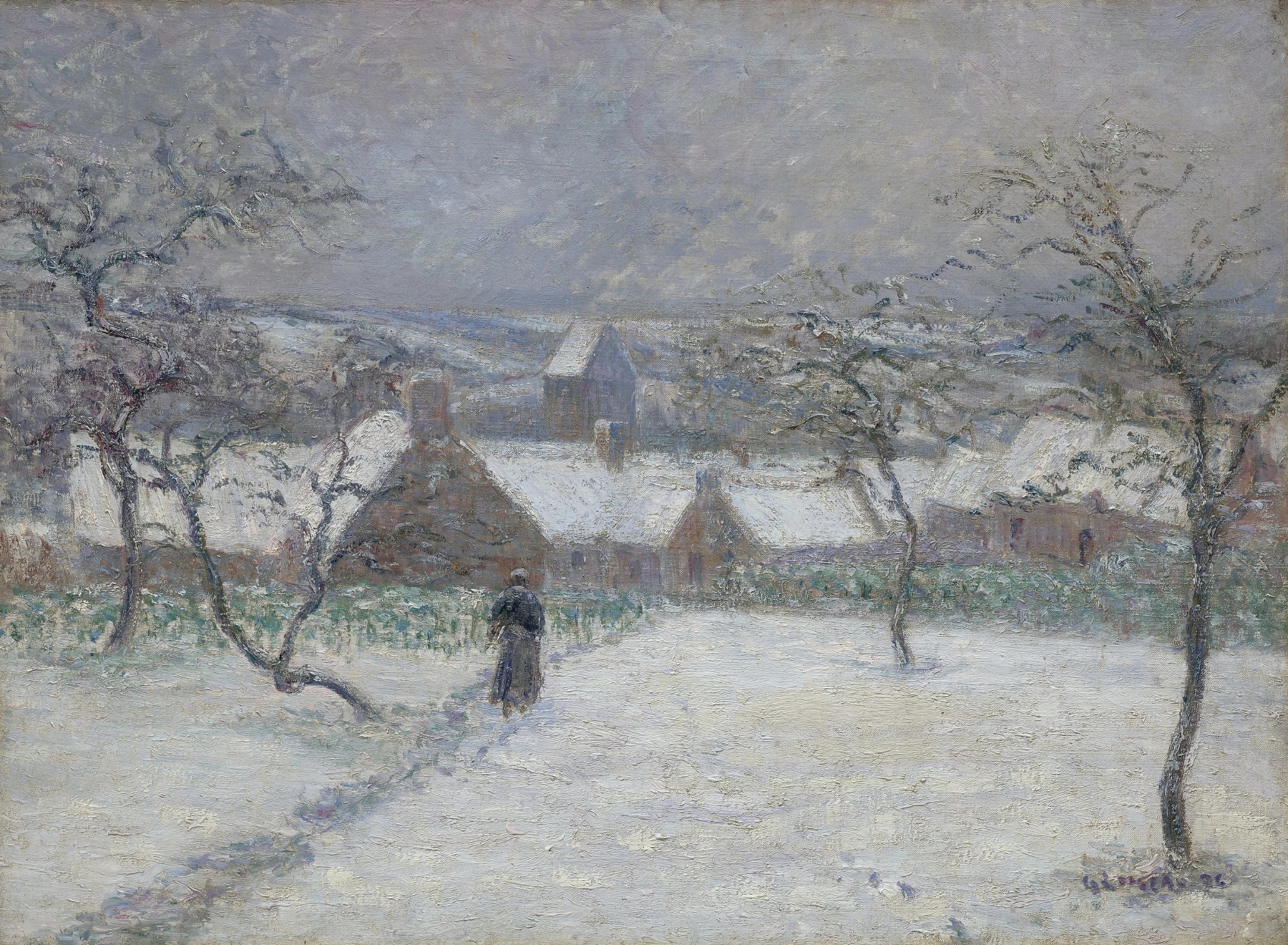
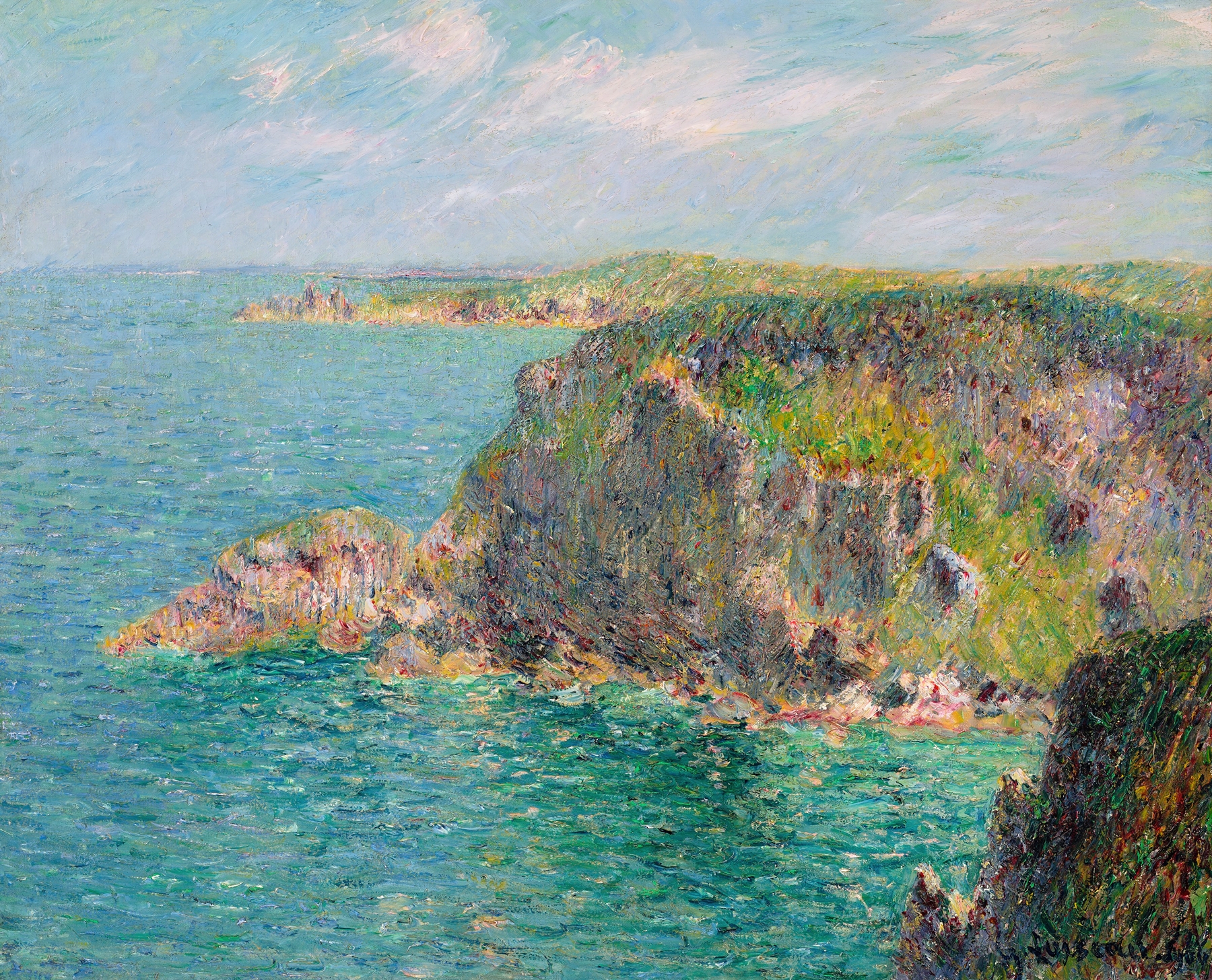
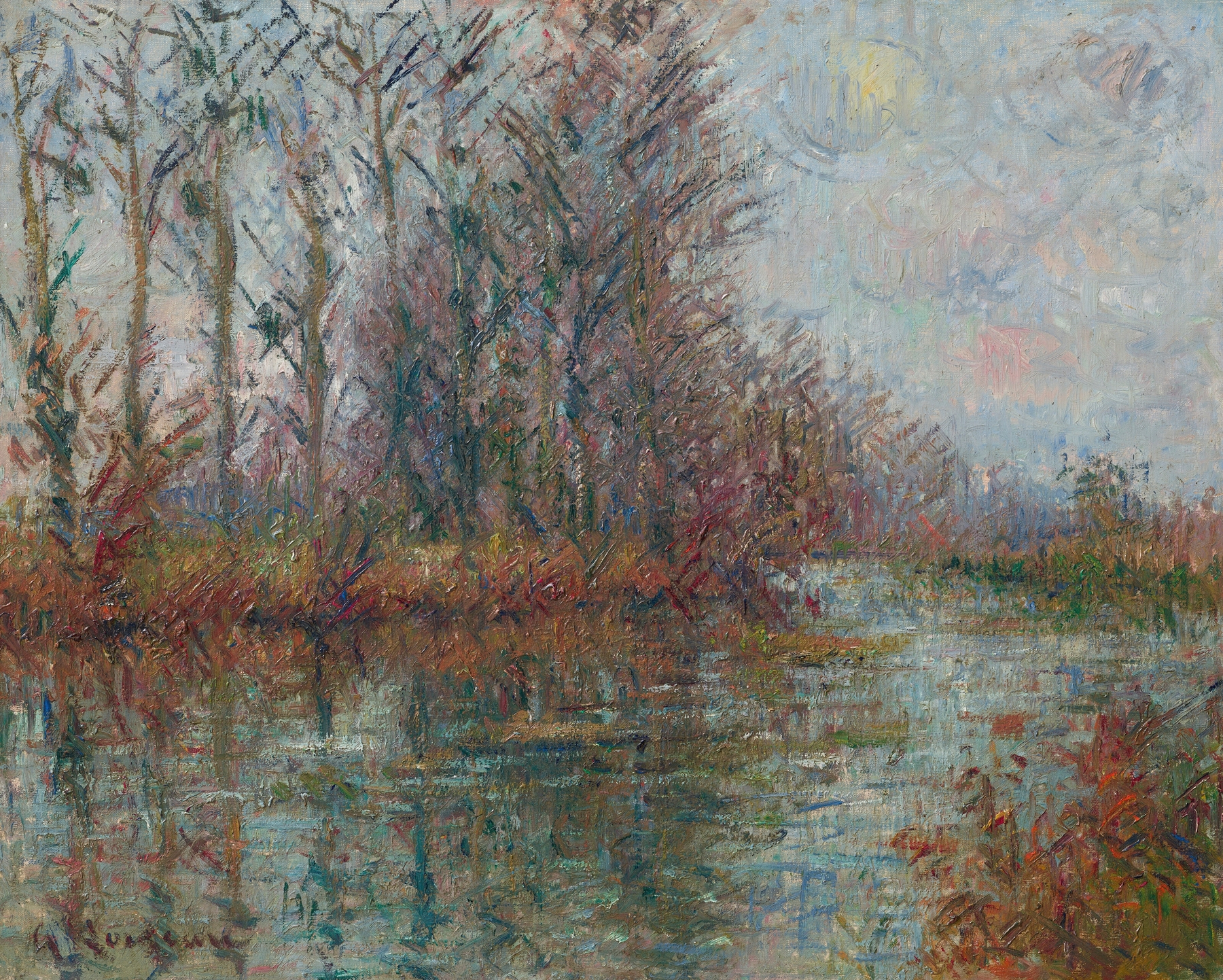
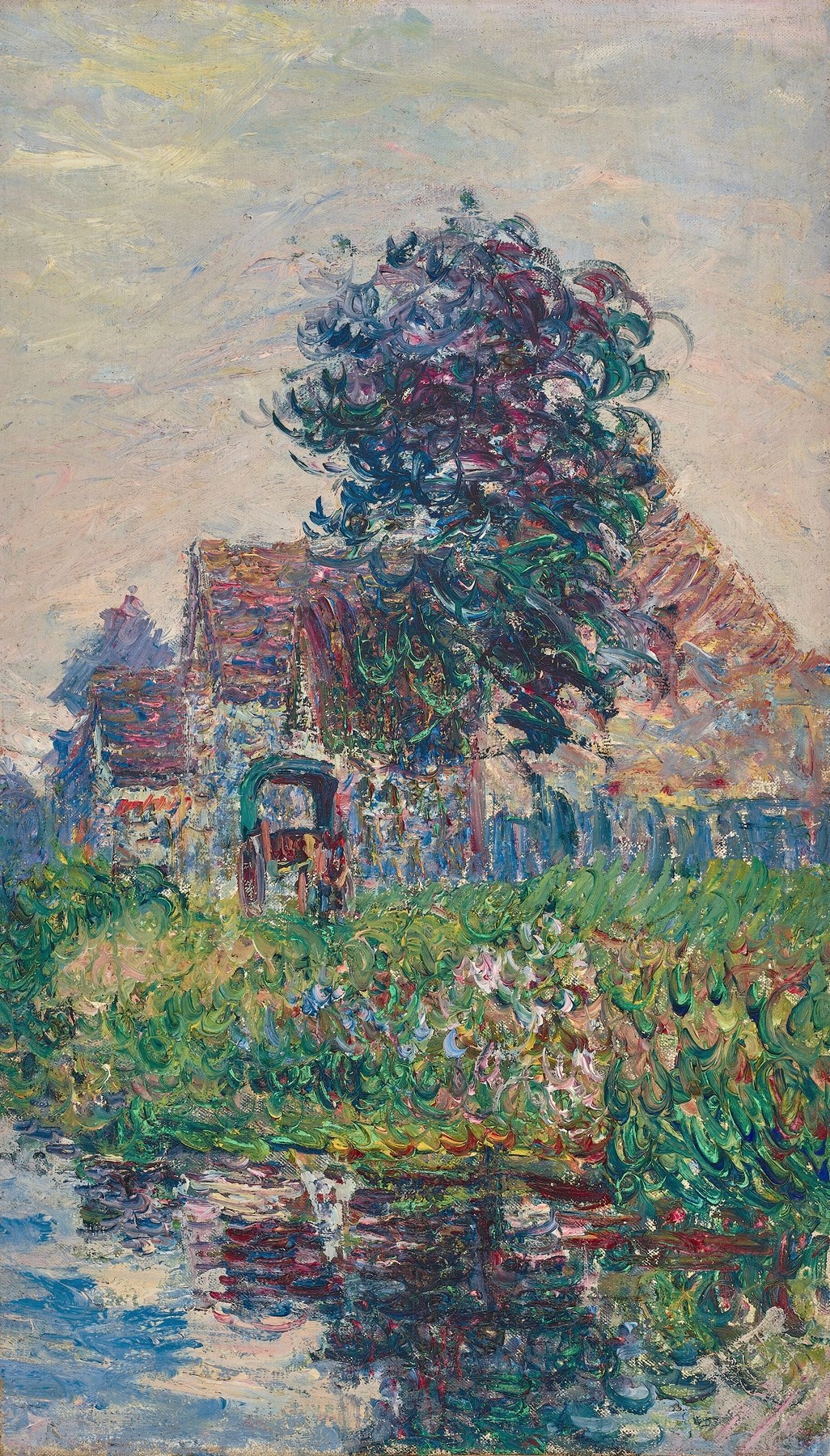
What secret hides in the quiet of the canvas? The serene beauty of a countryside scene can evoke wonder, as nature's tranquility whispers truths beyond the visible. Look to the left at the gentle flow of the stream, winding its way through a grassy bank adorned with delicate wildflowers. The artist's brushwork is skillful and deliberate, creating a vibrant interplay of greens and blues that evoke both peace and vibrancy. Notice how the light dapples through the trees, casting soft shadows and illuminating the water in a shimmering dance.
Each stroke harmonizes with the overall composition, blending realism with a dreamy quality that invites the viewer to immerse themselves fully. As you absorb the tranquil panorama, consider the contrast between the vivid colors and the stillness of the scene. The lush foliage suggests life and growth, while the placid water signifies contemplation and calmness. This juxtaposition speaks to the dichotomy of existence—the bustling life around the quiet moments we often overlook.
The painting encapsulates a fleeting yet profound connection to nature, encouraging introspection and appreciation for simplicity. Created in 1916, during a tumultuous time in World War I, Loiseau painted this piece while living in France. The world around him was marked by conflict and uncertainty, yet he found solace in the pastoral landscapes of his homeland. This artwork reflects his desire to capture the serenity of rural life, serving as both an escape and a celebration of nature amidst the chaos of the era.