
Paysage à Saint-Tropez — History & Facts
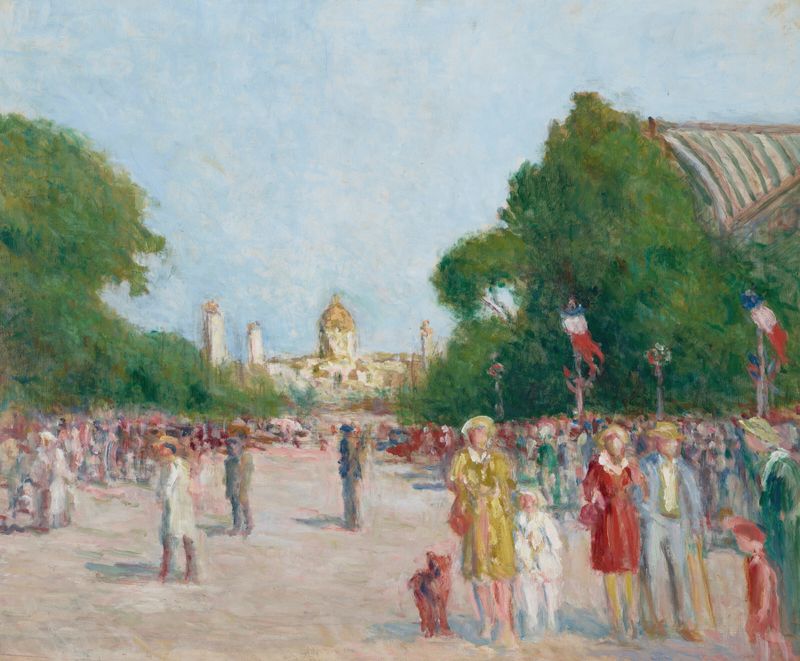
In the stillness of a moment captured by the brush, the essence of a changing world resonates with revolutionary whispers, urging us to reflect on the layers of truth nestled within. Look to the left at the vibrant strokes of blue and green that define the tranquil waters of Saint-Tropez. The brushwork is both energetic and deliberate, inviting you to lose yourself in the oscillation between nature and the artist’s hand. Notice how the dappled sunlight dances across the canvas, illuminating the sandy shores and hinting at the warmth of a sun-drenched afternoon.
The composition breathes life through its harmonious balance, drawing the eye toward the horizon where sky meets sea, establishing a dialogue between the foreground and the infinite. Hidden within the serene landscape are echoes of a transformative moment in history. The juxtaposition of calmness and the tumult of the late 19th century reveals an underlying tension. While the idyllic scene offers solace, it simultaneously captures the burgeoning waves of modernity, suggesting that beneath this picturesque tranquility, a revolution in art and thought is brewing.
The bright palette speaks not only of nature’s beauty but also of the vibrant social changes unfolding beyond this coastal retreat. In 1892, during his time in Saint-Tropez, the artist found inspiration from the light and colors of the Mediterranean. This period marked a significant evolution in his style, influenced by the Impressionists and their departure from traditional form. As he painted, Luce was immersed in a burgeoning avant-garde movement, reflecting the broader cultural shifts occurring in Europe, where art began to embrace the rapidly changing world around it.
More Artworks by Maximilien Luce
Browse all →
Le Quai Montebello Et La Colline Sainte-Geneviève
Maximilien Luce

Le Pont-Neuf, La Seine, Petit Bras
Maximilien Luce
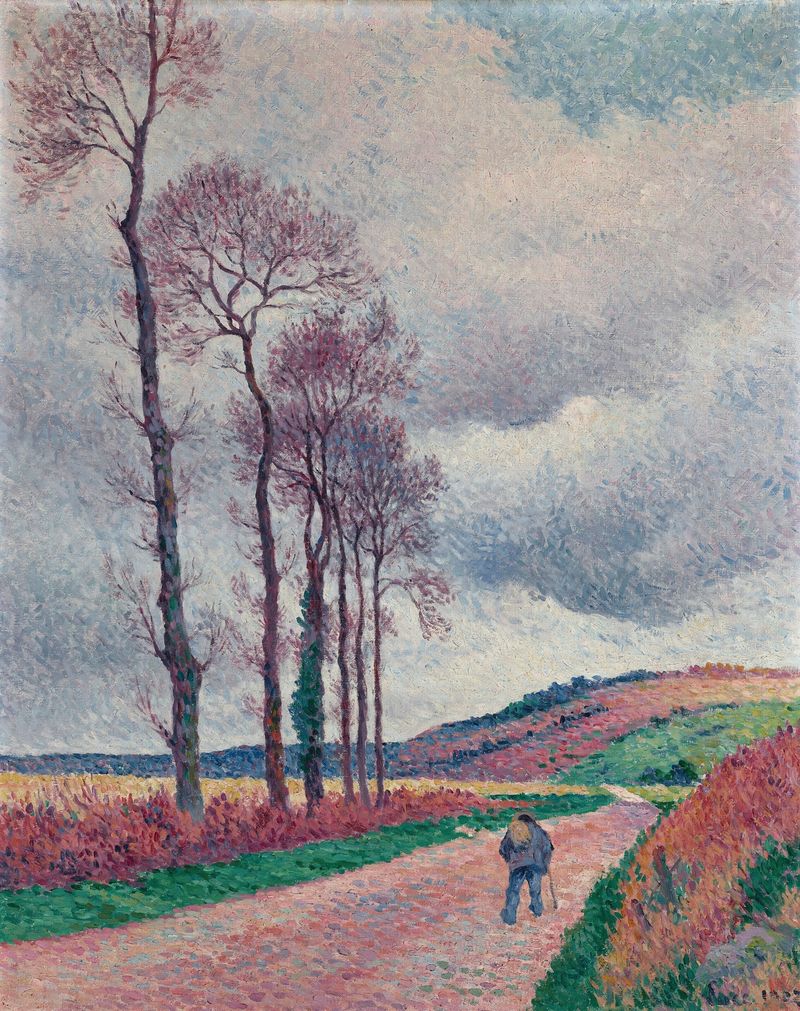
La route aux environs de Méréville
Maximilien Luce
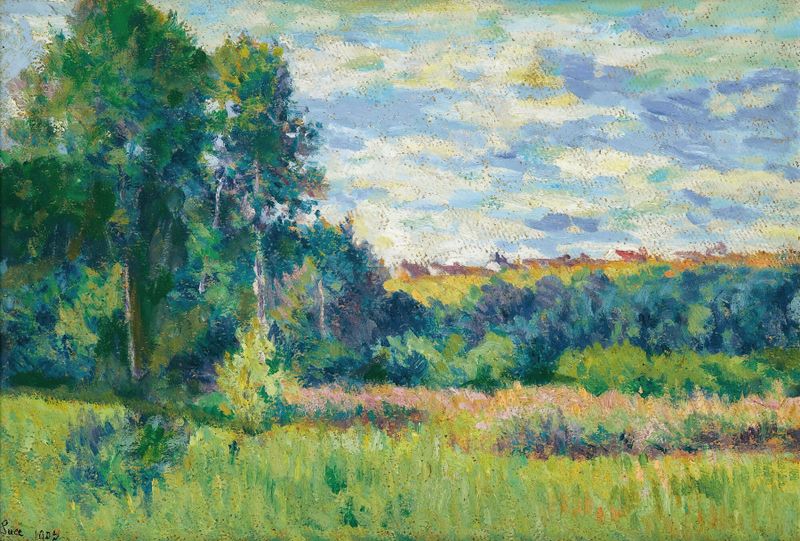
Paysage
Maximilien Luce
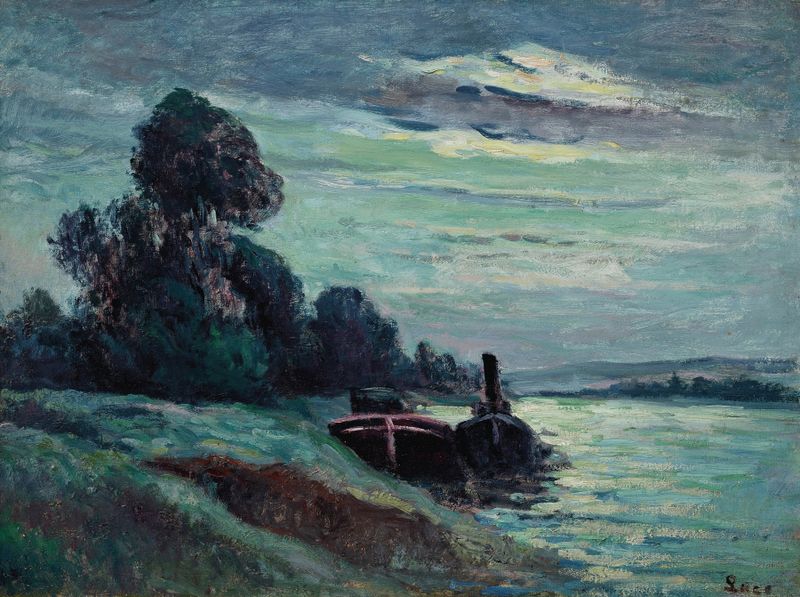
Péniches sur la Seine
Maximilien Luce

Notre Dame de Paris
Maximilien Luce
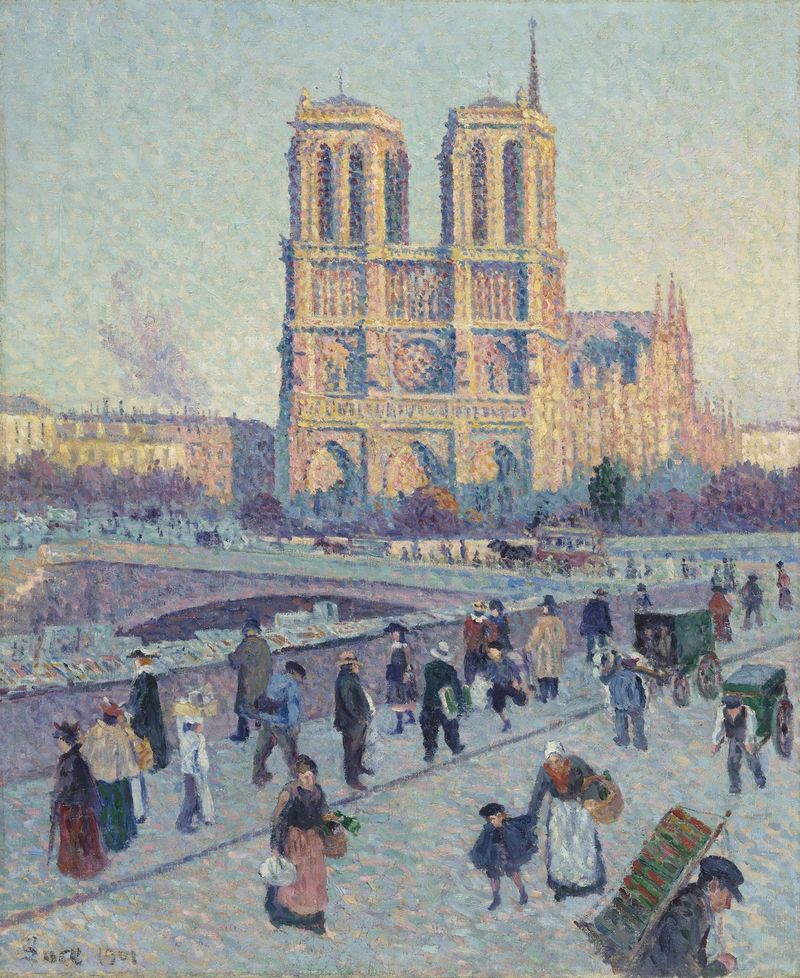
The Quai Saint-Michel and Notre-Dame
Maximilien Luce

La Seine au Pont Mirabeau
Maximilien Luce
L’avenue Winston-Churchill, Paris
Maximilien Luce

Paris, Le Quartier De Vaugirard
Maximilien Luce





