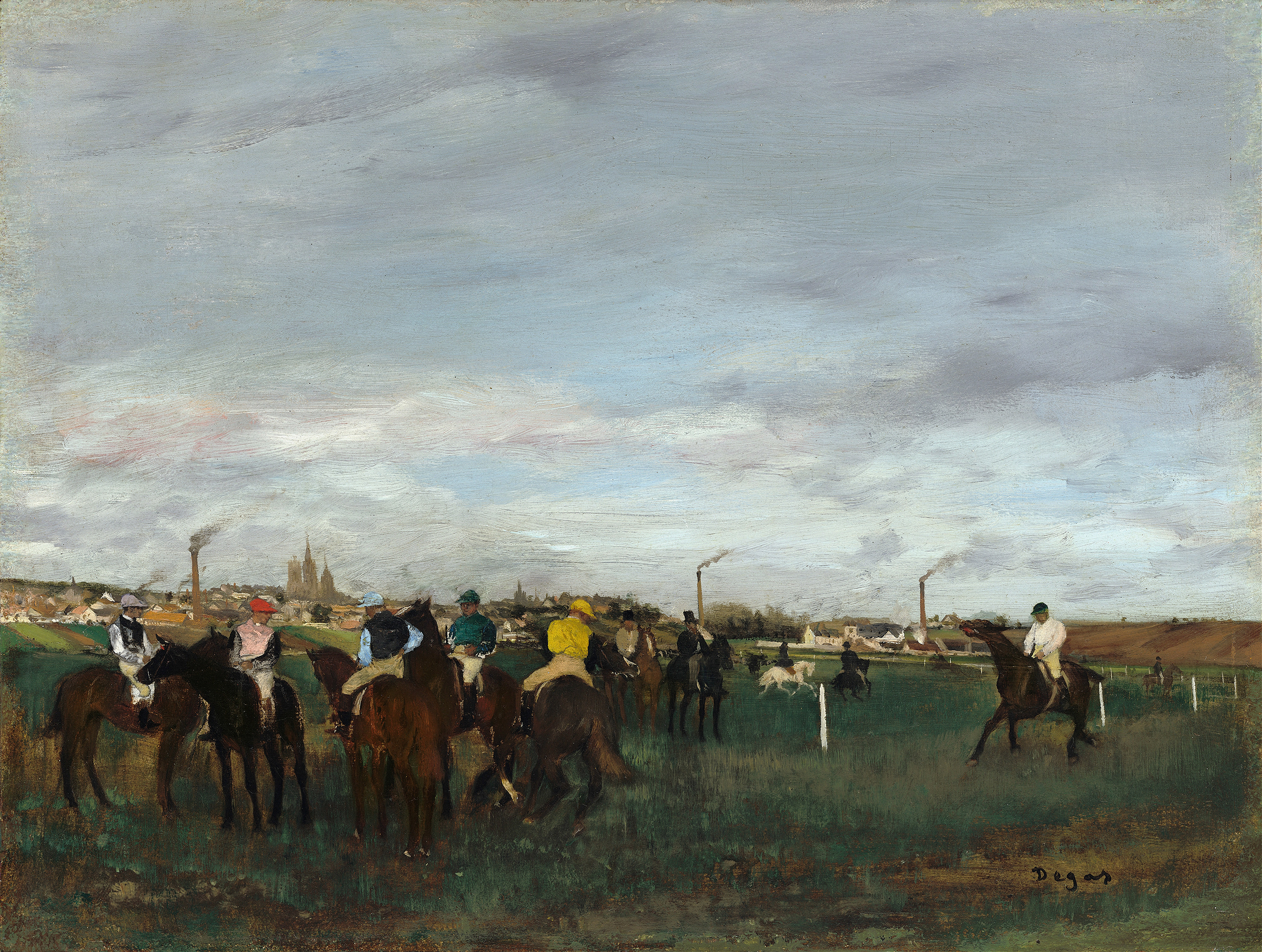
Discover insights about this artwork
Pelicans — History & Facts
In Pelicans, Paul Cézanne presents a vivid scene filled with color. The pelicans are depicted in a natural setting, showcasing their unique forms and textures. The artist uses a palette dominated by blues, greens, and whites, creating a sense of harmony.
The brushstrokes are visible, adding to the lively quality of the work. Cézanne employs oil on canvas for this piece, allowing for rich color and texture. The dimensions are approximately 60 x 80 cm, making it a medium-sized work. The painting reflects Cézanne's Post-Impressionist style, characterized by bold colors and expressive brushwork.
The composition draws the viewer's eye to the pelicans, emphasizing their presence. Paul Cézanne was a pivotal figure in the transition from Impressionism to modern art. Pelicans is an example of his exploration of natural subjects, where he focuses on the forms and colors of the birds. Interestingly, this work showcases his interest in capturing the essence of his subjects rather than a realistic representation.
Cézanne's approach to color and form influenced many artists who followed him.
More Artworks by Paul Cézanne
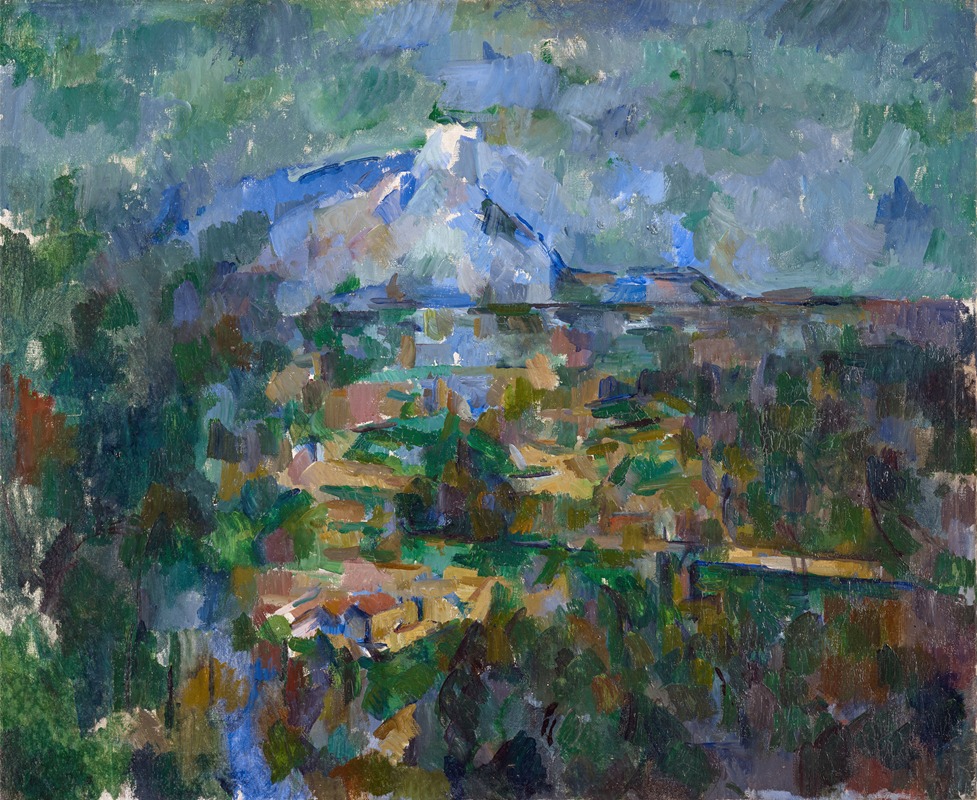
The Mont Sainte-Victoire Seen From Les Lauves
Paul Cézanne
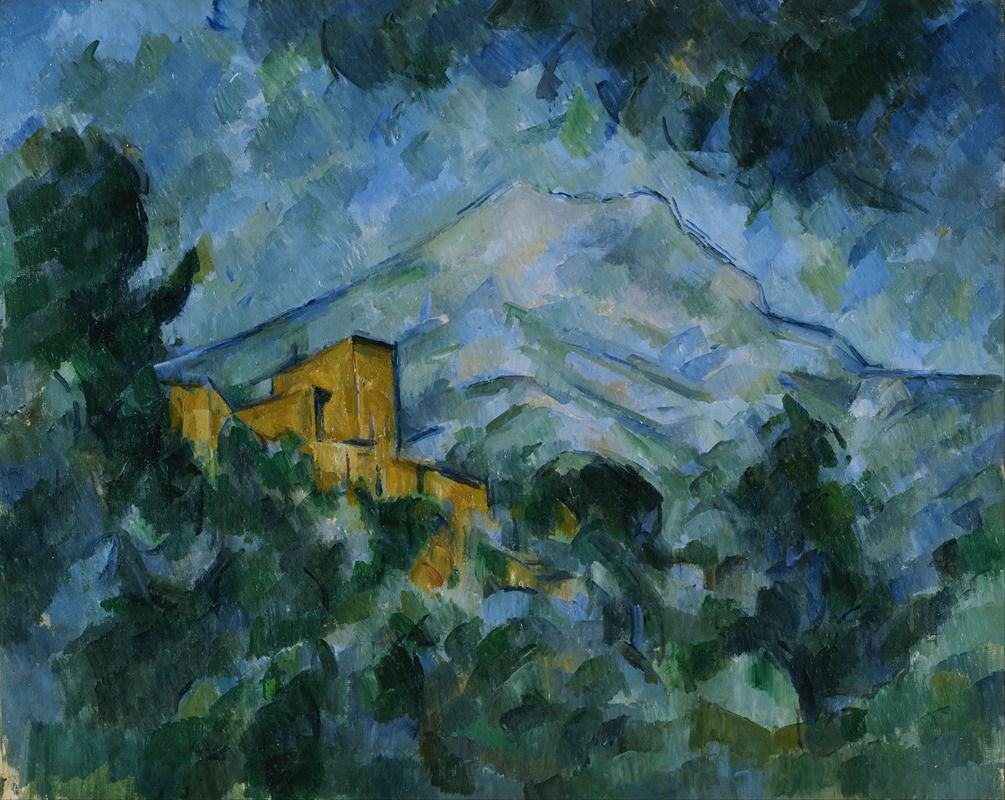
Mont Sainte-Victoire and Château Noir
Paul Cézanne
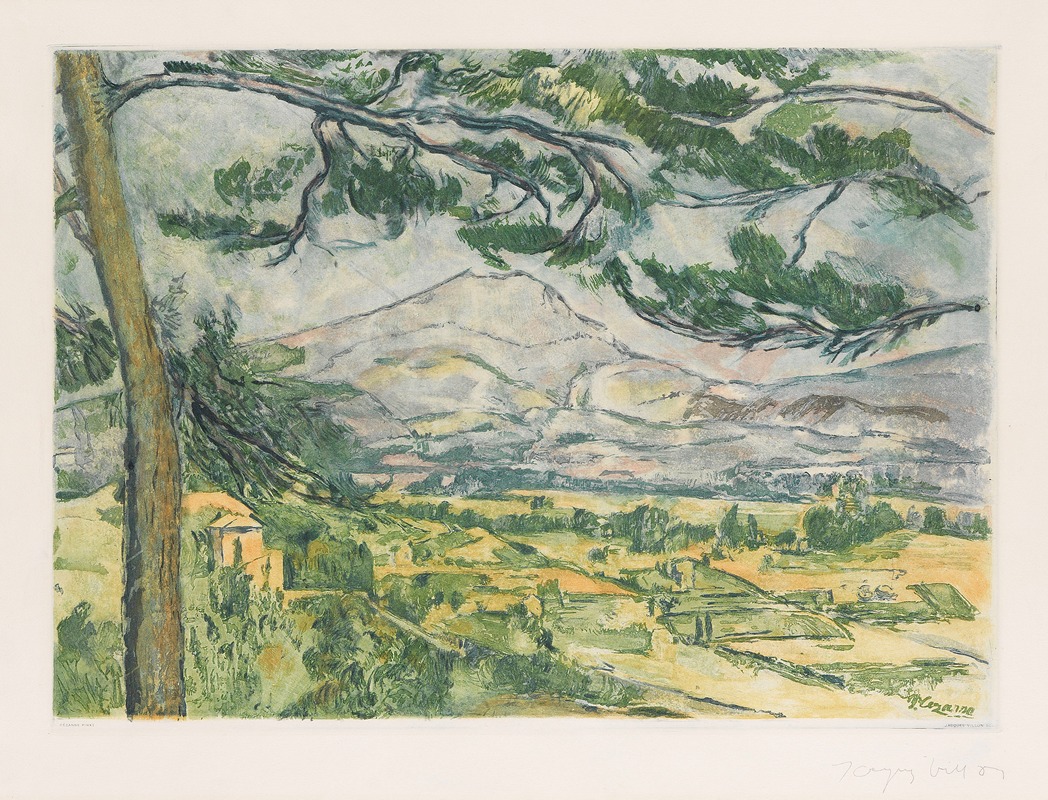
La Montagne Sainte-Victoire
Paul Cézanne
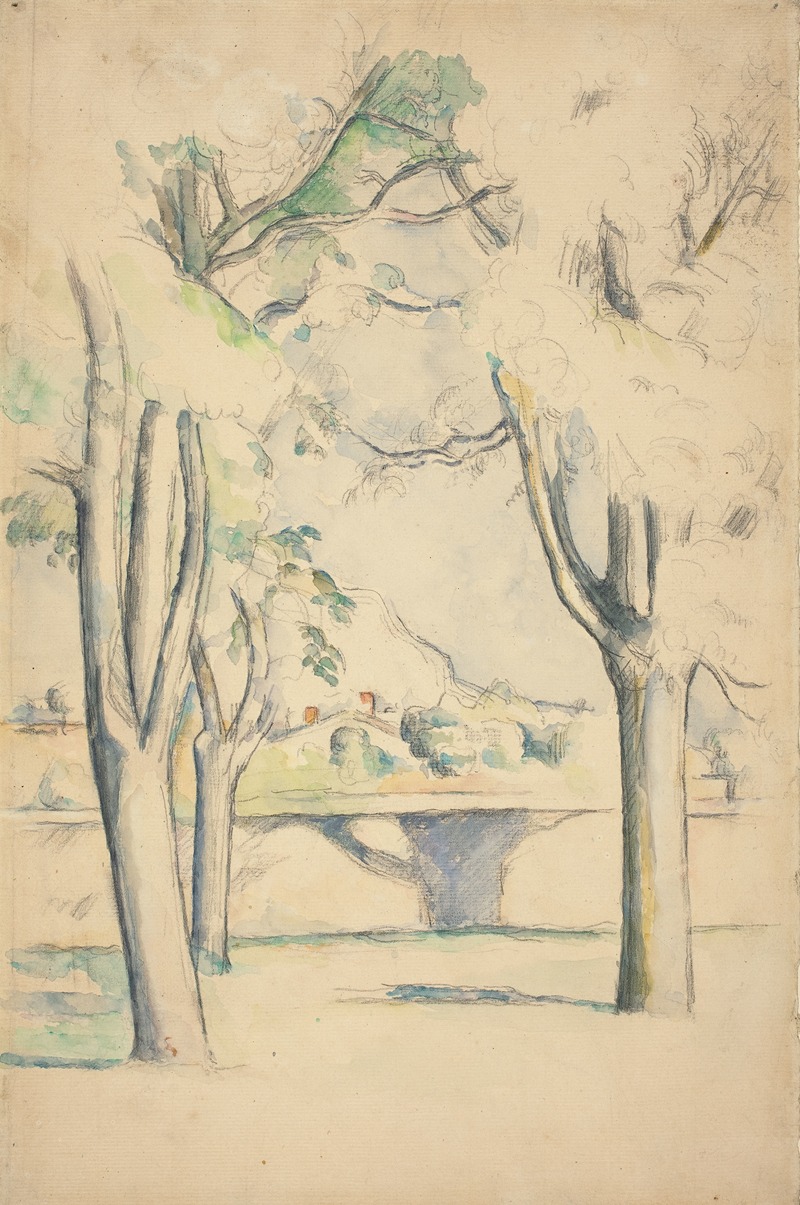
Mont Sainte-Victoire Seen beyond the Wall of the Jas de Bouffan
Paul Cézanne
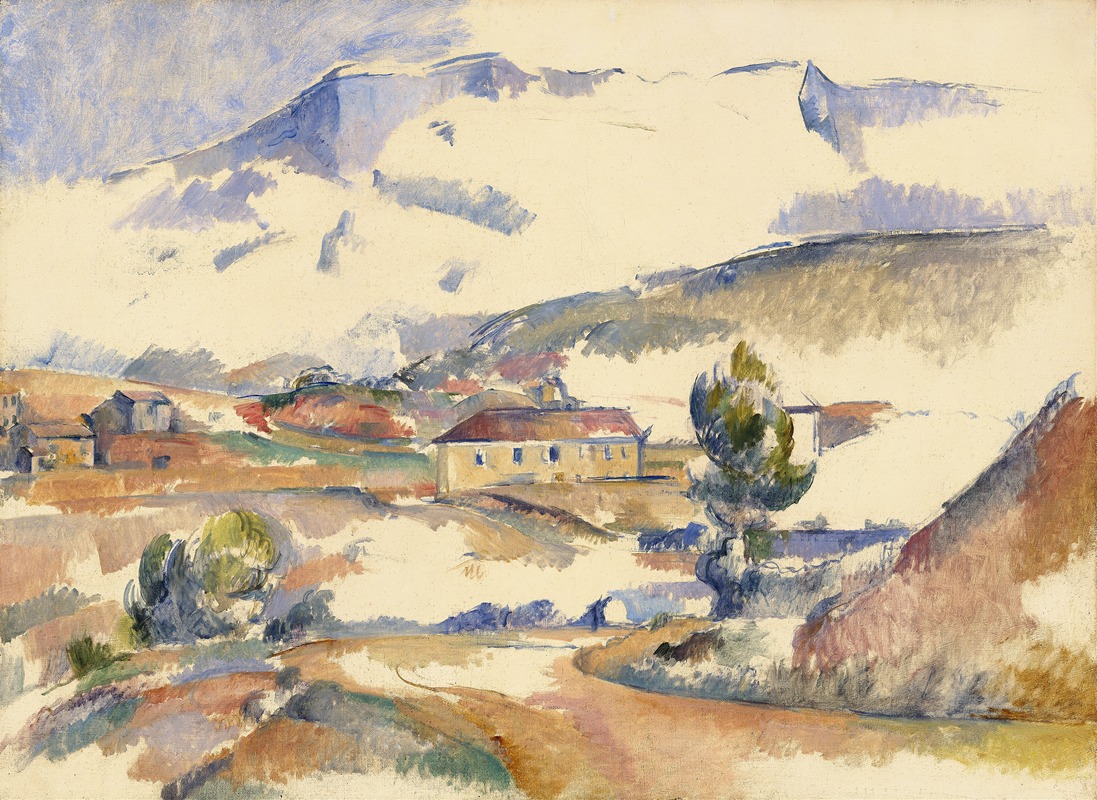
Montagne Sainte-Victoire,from near Gardanne
Paul Cézanne
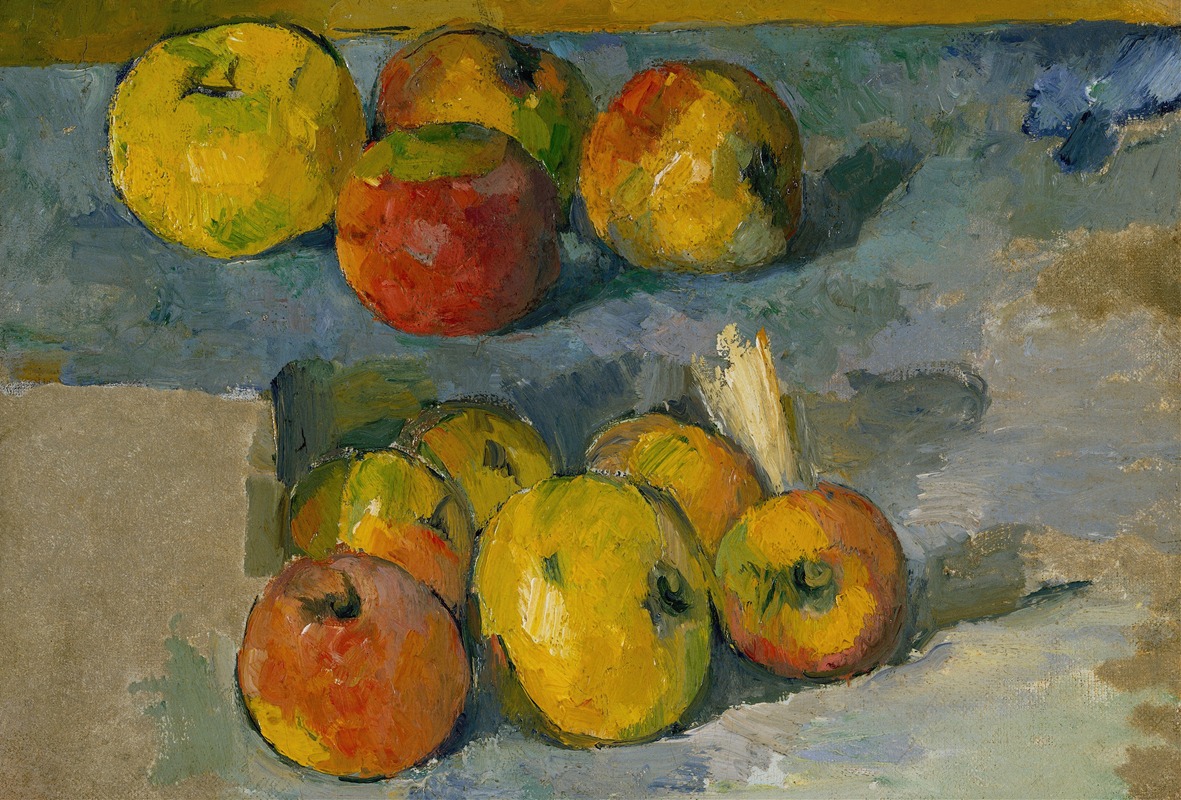
Apples
Paul Cézanne
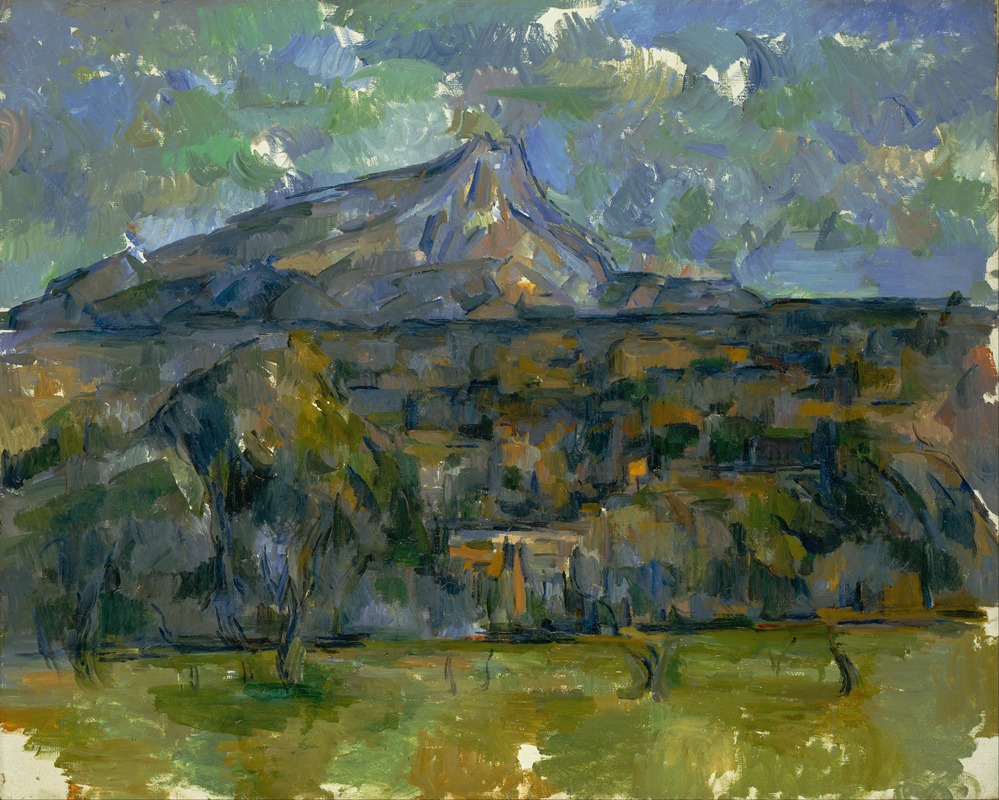
Mont Sainte-Victoire
Paul Cézanne
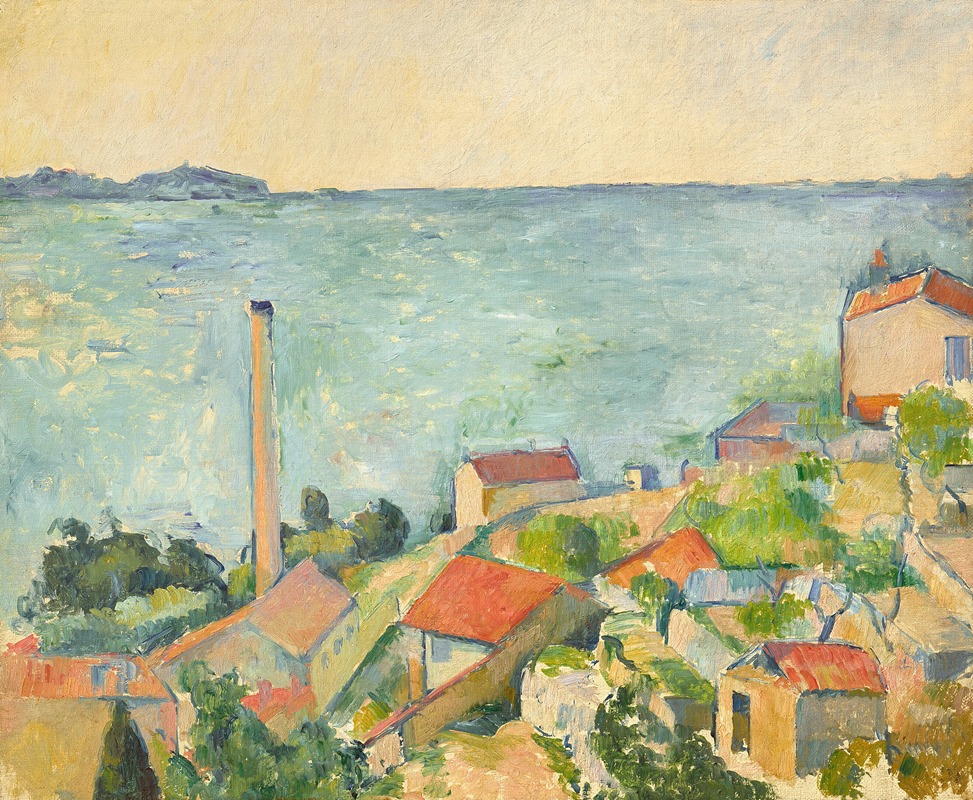
La mer à l’Estaque
Paul Cézanne
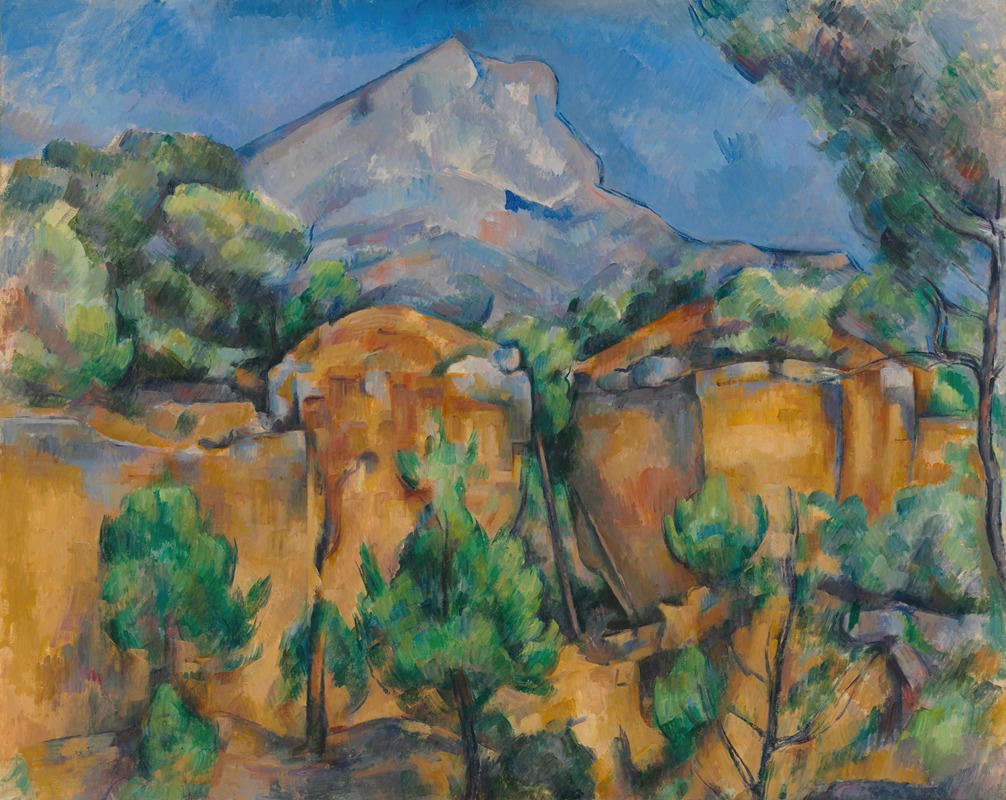
La Montagne Sainte-Victoire vue de la carrière Bibémus
Paul Cézanne
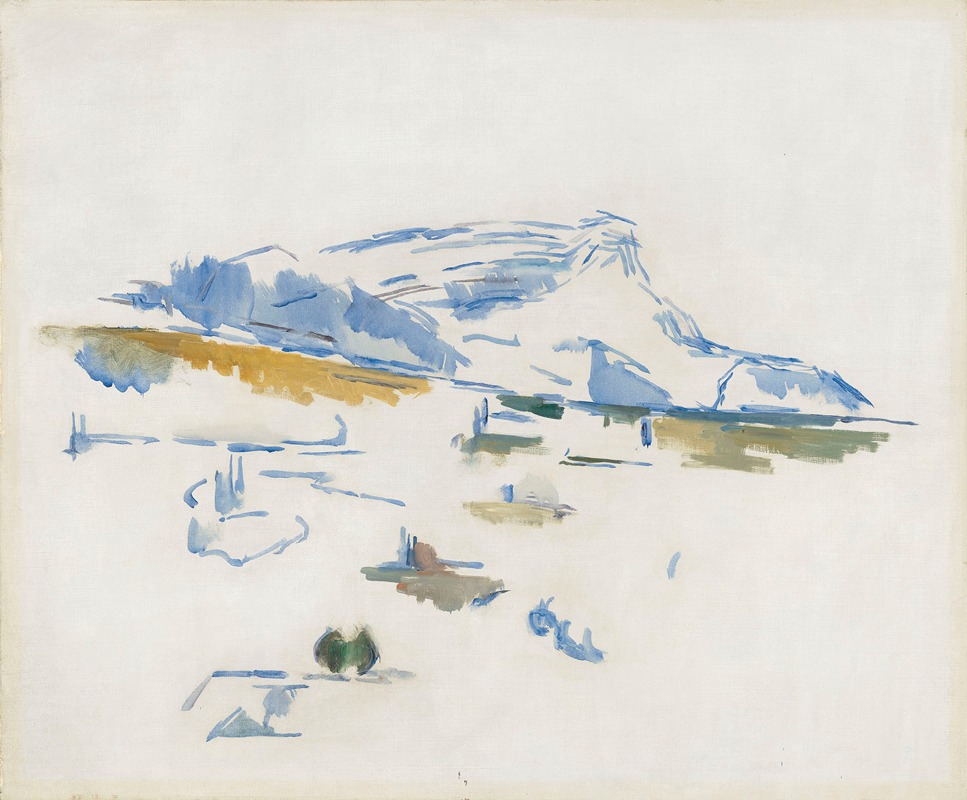
La Montagne Sainte-Victoire vue des Lauves
Paul Cézanne