
Pelom Pea — History & Facts
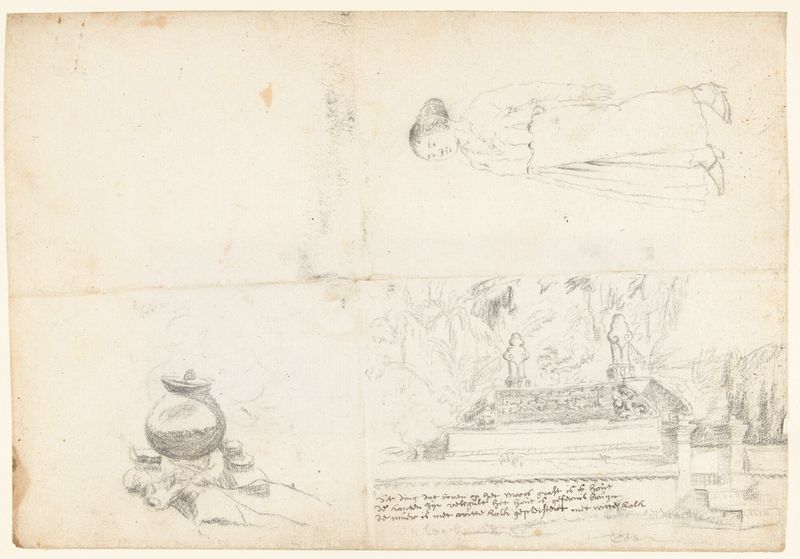
Grief lingers in the quiet spaces between brush strokes, echoing the silence that many fear to confront. It is a vessel for lost moments, a reminder of the fragility of life and the permanence of memory. Look closely at the central figure, draped in deep hues that evoke a sense of solemnity. Notice how the interplay of light and shadow highlights the somber expression, inviting viewers to feel the weight of unspoken sorrow.
The rich textures and meticulous details of the fabric create a tactile sensation, as though one could reach out and grasp the emotions captured on canvas. The subtle yet powerful color palette serves to deepen the sense of nostalgia, enveloping the scene in a cloak of muted warmth. Within the composition lies a poignant tension between presence and absence. The figure's gaze seems to search for something beyond the canvas, a haunting reminder of longing.
Delicate elements, such as wilting flowers or a dimly lit background, symbolize the passage of time and the inevitability of loss, reminding us of the beauty that often accompanies grief. Each stroke resonates with the bittersweet truth that memories are both cherished and painful. In the mid-17th century, during the early years of his career in the Netherlands, Wouter Schouten created this poignant work around 1660. The art world was evolving, moving through the heights of Baroque splendor while grappling with themes of mortality and the human condition.
This period saw artists exploring deeper emotional landscapes, and Schouten's keen attention to the nuances of grief reflects the cultural shifts of his time and an understanding of life's transience.
More Artworks by Wouter Schouten
Browse all →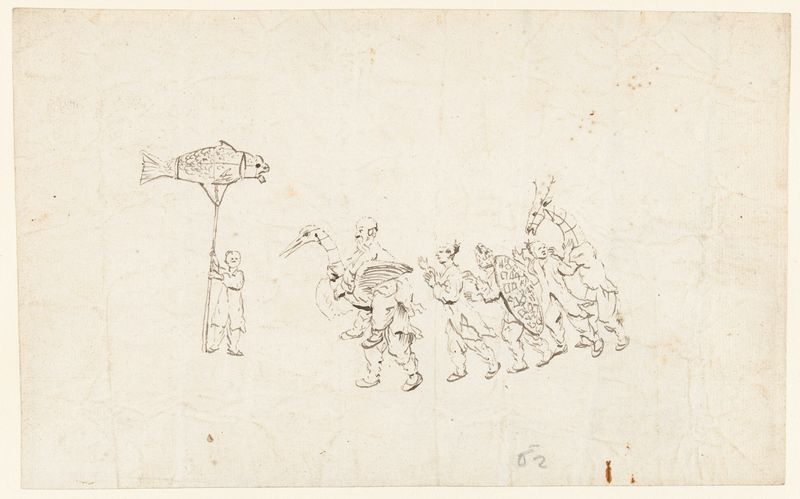
Optocht ter gelegenheid van Chinees Nieuwjaar te Batavia
Wouter Schouten
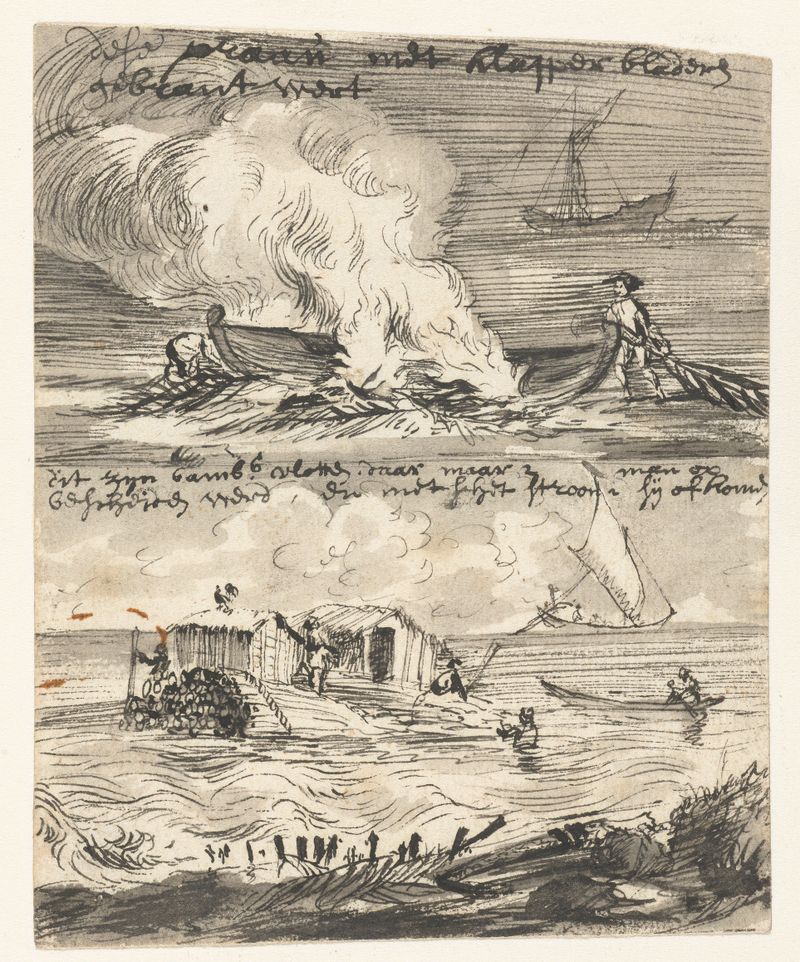
Schetsen van een prauw en twee bamboevlotten
Wouter Schouten
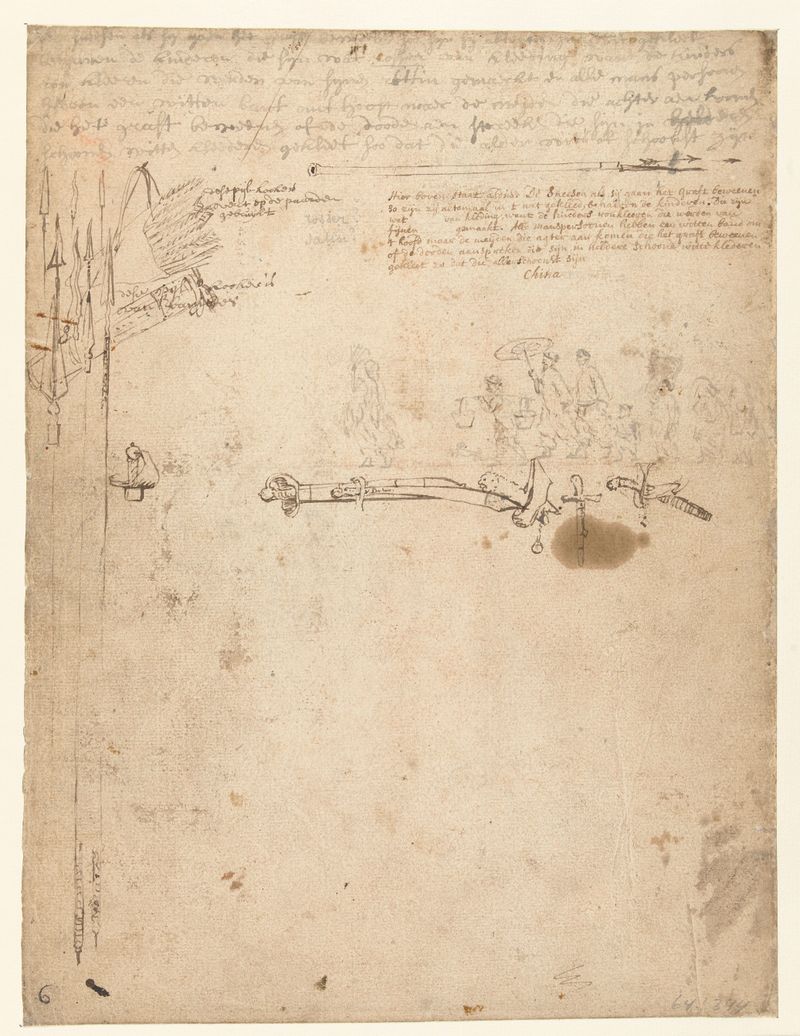
Schetsen van wapens en een groep Chinezen
Wouter Schouten
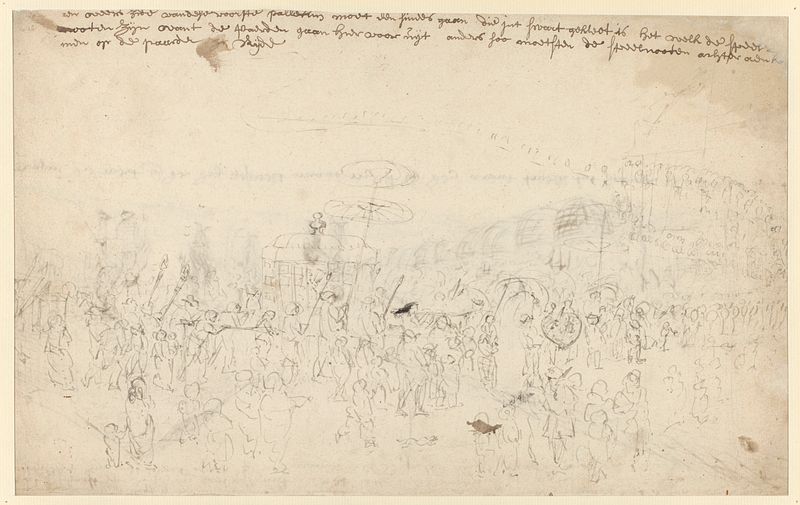
Bruiloftsstoet
Wouter Schouten
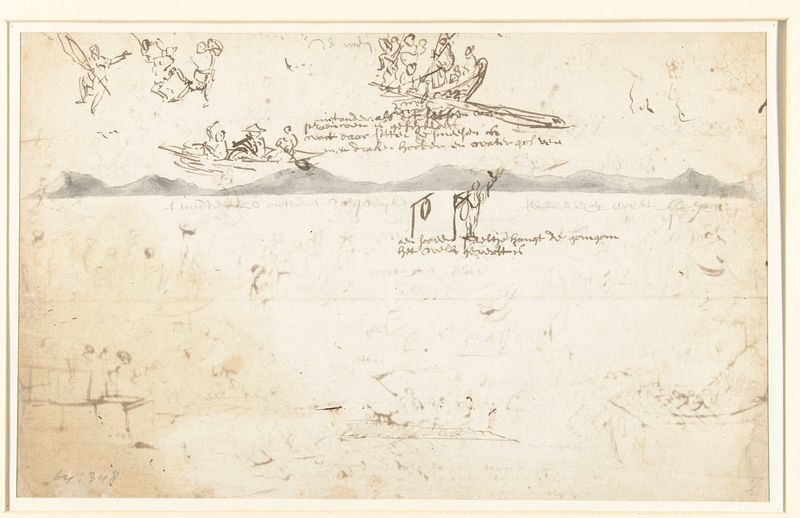
Schetsen van een landschap en figuren in boten
Wouter Schouten
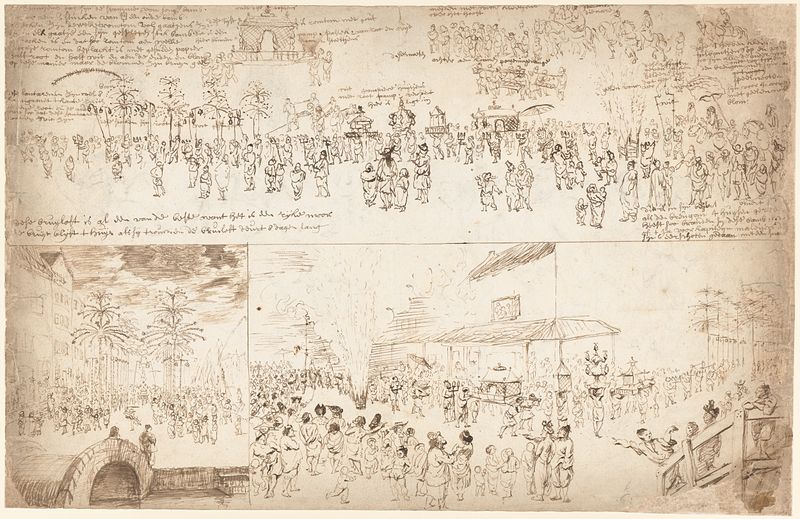
Bruiloftsstoet en een stadsgezicht met veel mensen
Wouter Schouten
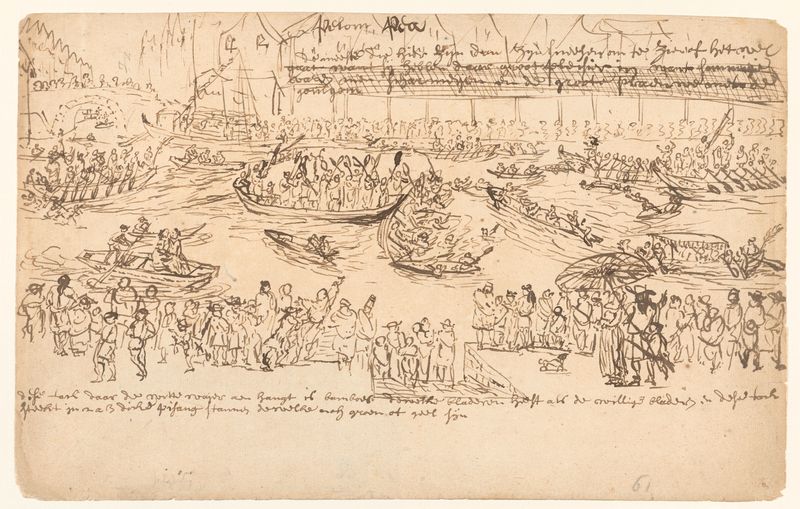
Pelom Pea
Wouter Schouten
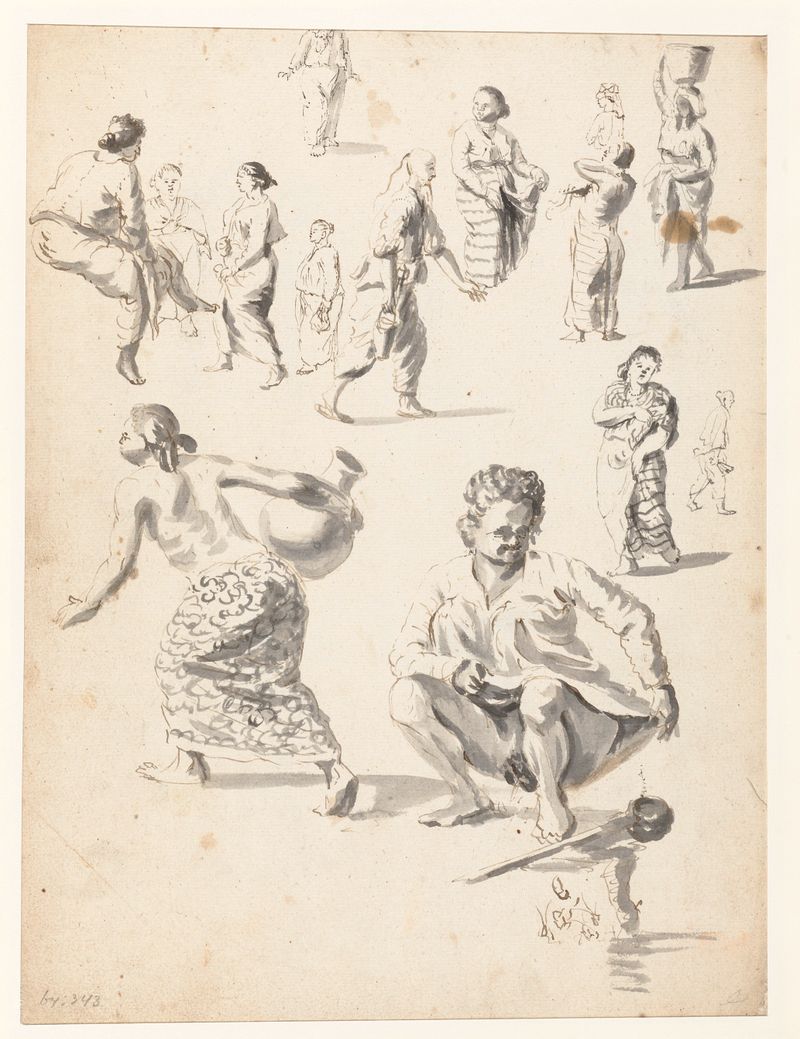
Studies van vrouwen
Wouter Schouten

Schetsblad met vaartgezicht en figuren
Wouter Schouten
Schetsblad met moors graf en vrouwenfiguur
Wouter Schouten





