
Pelom Pea — History & Facts
Could a single brushstroke hold eternity? In Pelom Pea, the painter invites us to ponder the depths of obsession and the quest for beauty, encapsulating a moment that feels both fleeting and infinite. Look to the center of the canvas, where the meticulously rendered figure emerges in a dance of light and shadow. The soft gradient of colors wraps around the subject, creating a three-dimensional effect that invites closer examination. Notice how the delicate play of light falls upon the contours, enhancing the textures of the fabric and suggesting a tangible warmth, while the cool background serves to heighten the emotive intensity of the figure’s gaze. Within this frame, tension arises from the contrast between the serene expression of the subject and the intricate details surrounding them.
The decorative motifs encircling the figure echo an obsession with perfection, hinting at the conflicts between inner desire and external expectations. Each brushstroke conveys a sense of urgency, transforming the composition into an exploration of the artist's own psychological landscape, where beauty and obsession intertwine seamlessly. Created around 1660, this painting emerged during a time when Wouter Schouten was establishing his reputation in the Dutch Golden Age. Working in Amsterdam, he navigated a world ripe with artistic innovation and competition.
This period saw an increasing interest in portraiture and still life, and Schouten's commitment to capturing the profound intricacies of human emotion sets his work apart in an era of burgeoning creativity.
More Artworks by Wouter Schouten
Browse all →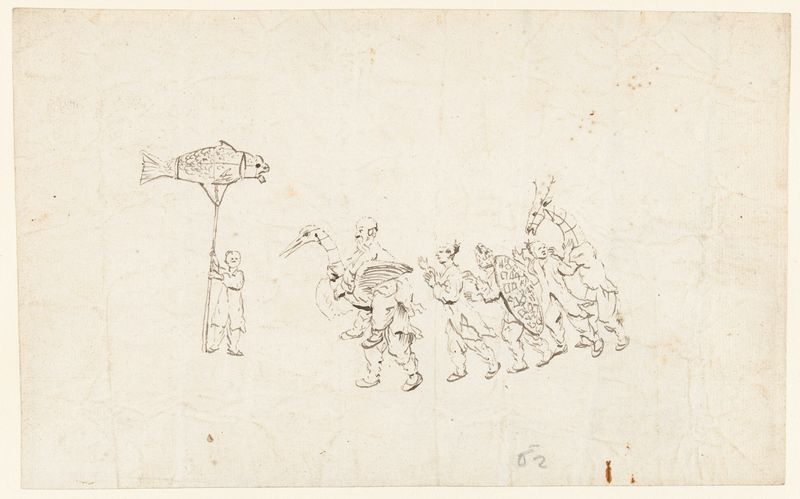
Optocht ter gelegenheid van Chinees Nieuwjaar te Batavia
Wouter Schouten
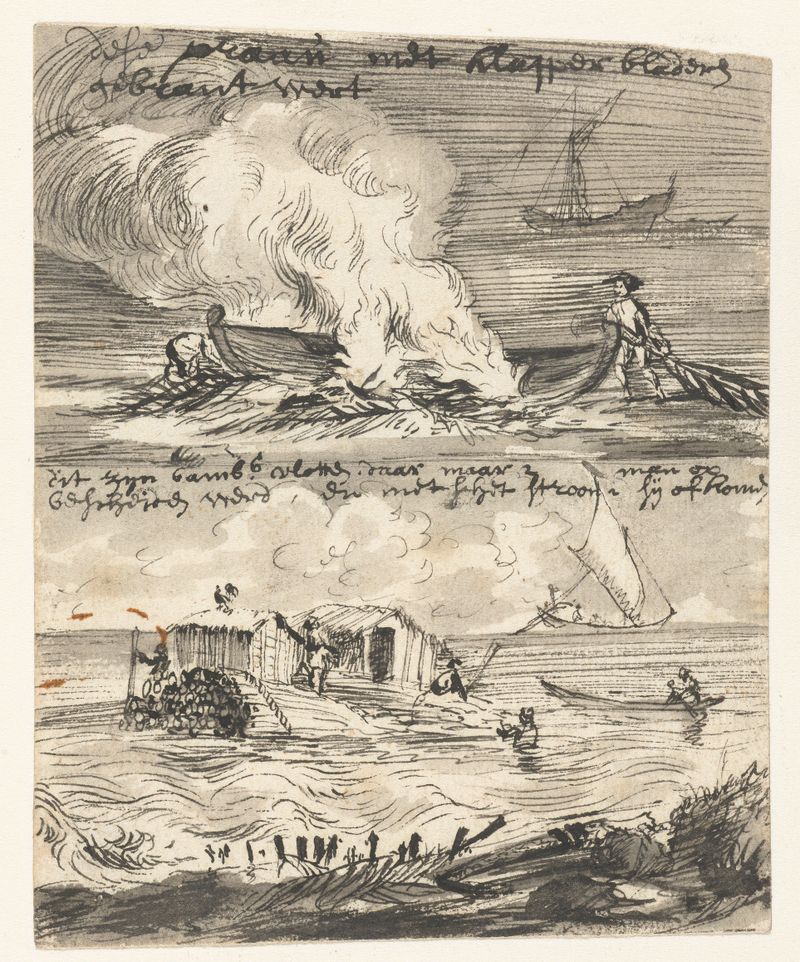
Schetsen van een prauw en twee bamboevlotten
Wouter Schouten
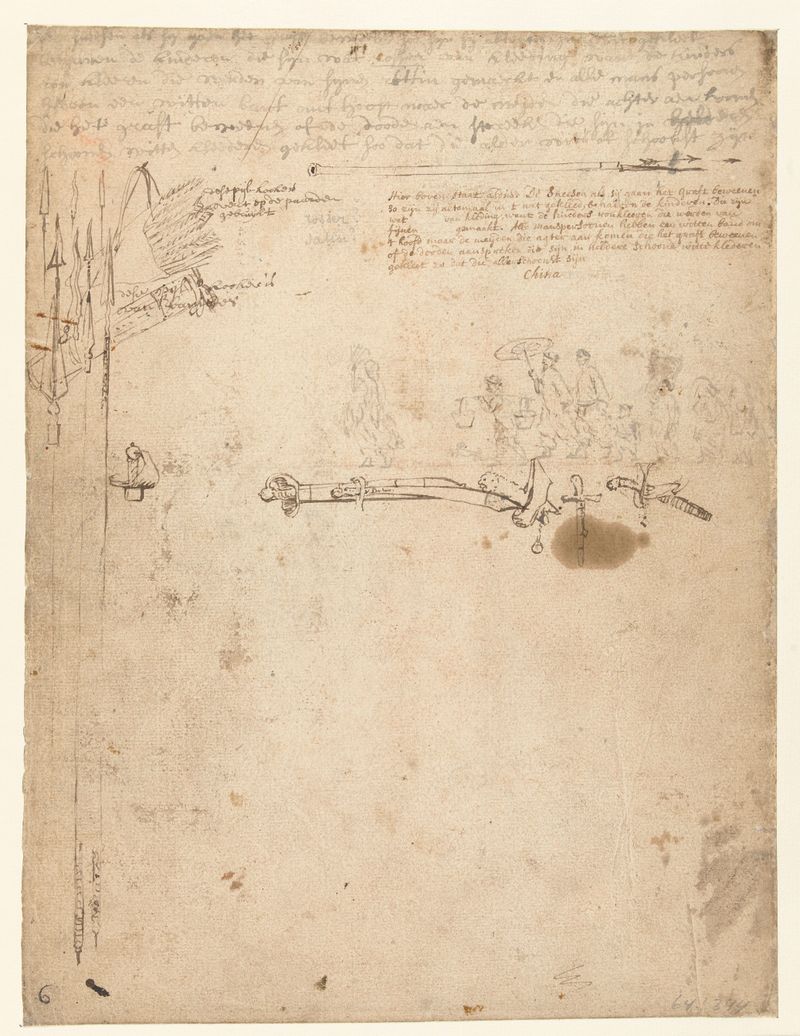
Schetsen van wapens en een groep Chinezen
Wouter Schouten
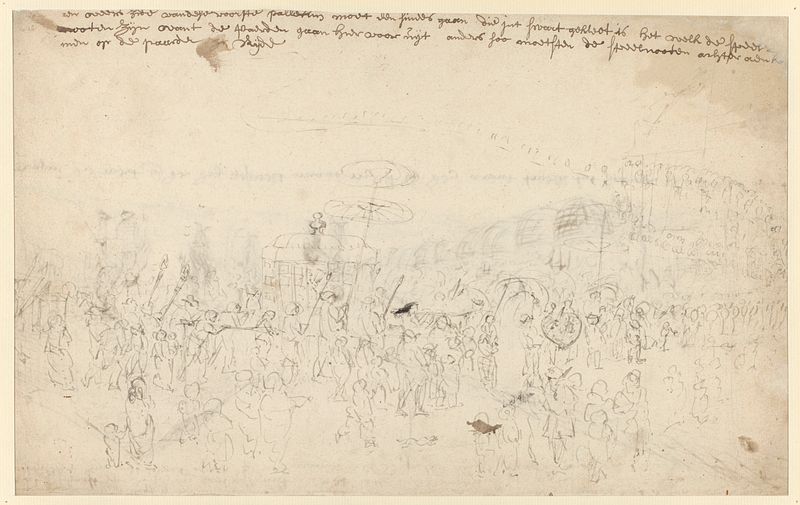
Bruiloftsstoet
Wouter Schouten
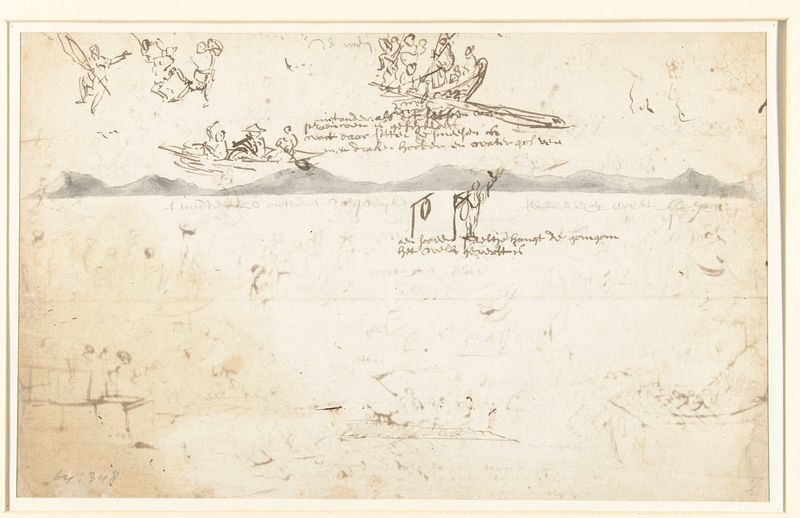
Schetsen van een landschap en figuren in boten
Wouter Schouten
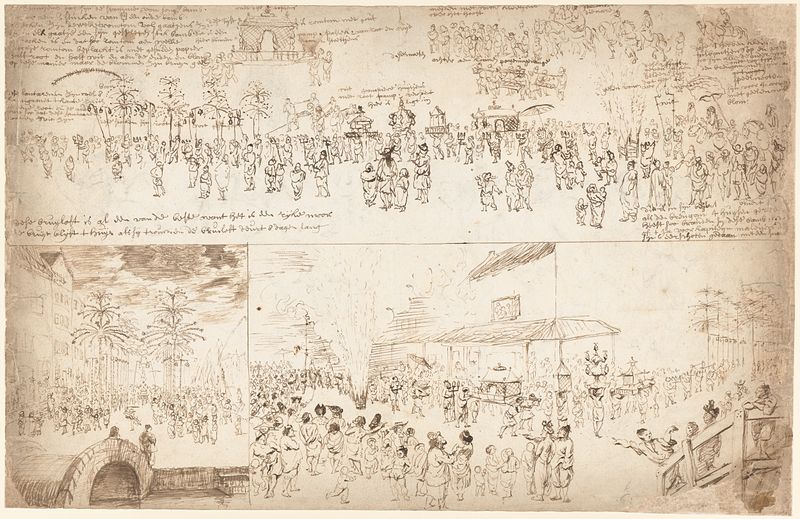
Bruiloftsstoet en een stadsgezicht met veel mensen
Wouter Schouten
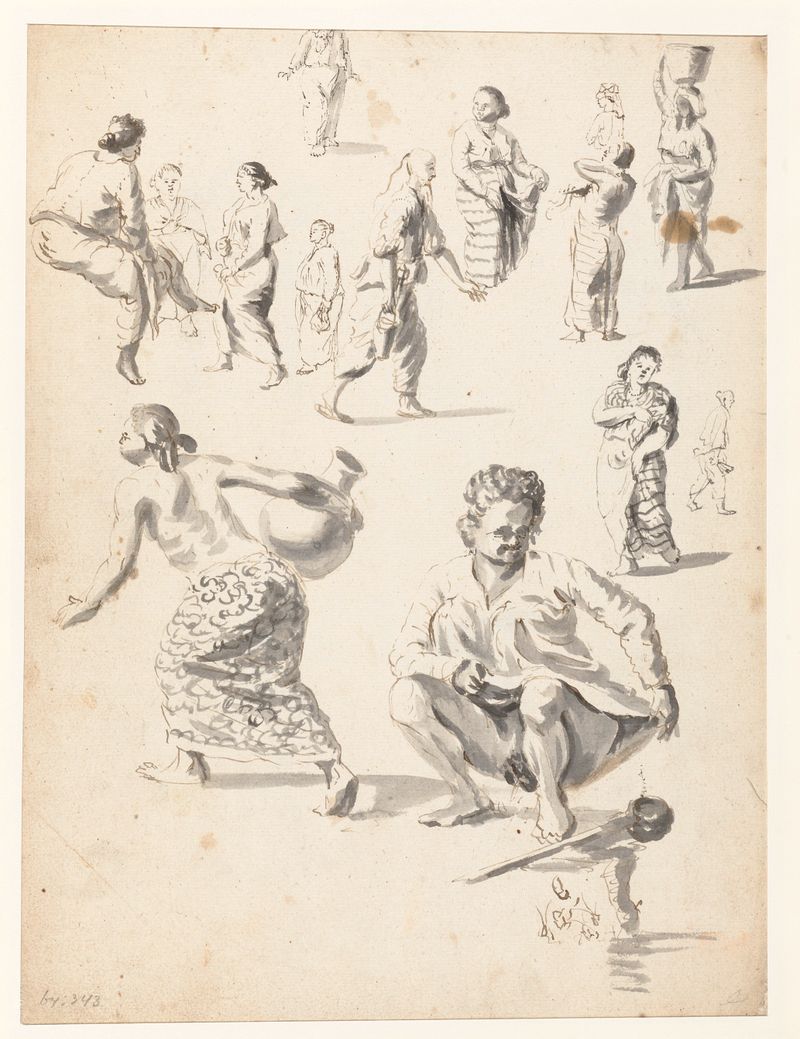
Studies van vrouwen
Wouter Schouten

Schetsblad met vaartgezicht en figuren
Wouter Schouten
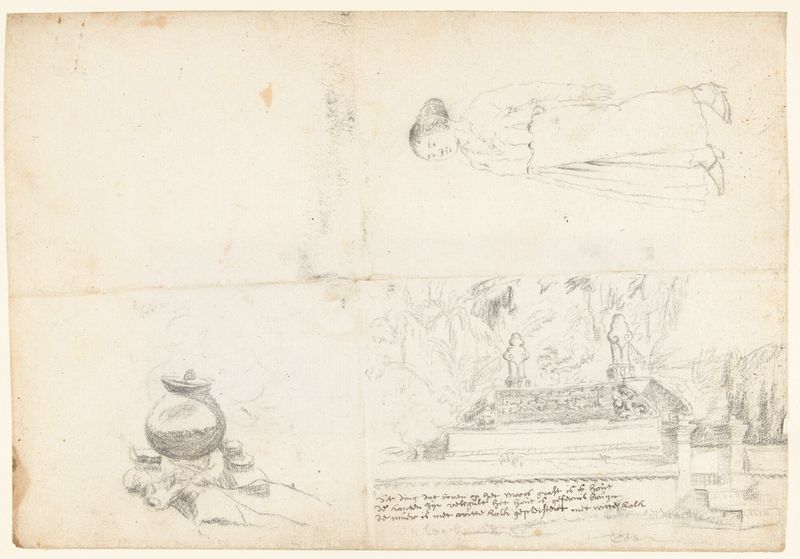
Schetsblad met moors graf en vrouwenfiguur
Wouter Schouten
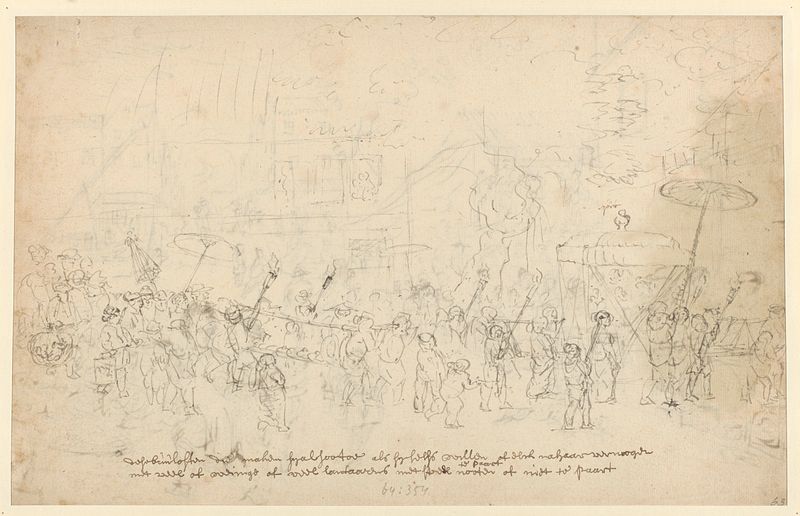
Bruiloftsstoet
Wouter Schouten





