
Studies van vrouwen — History & Facts
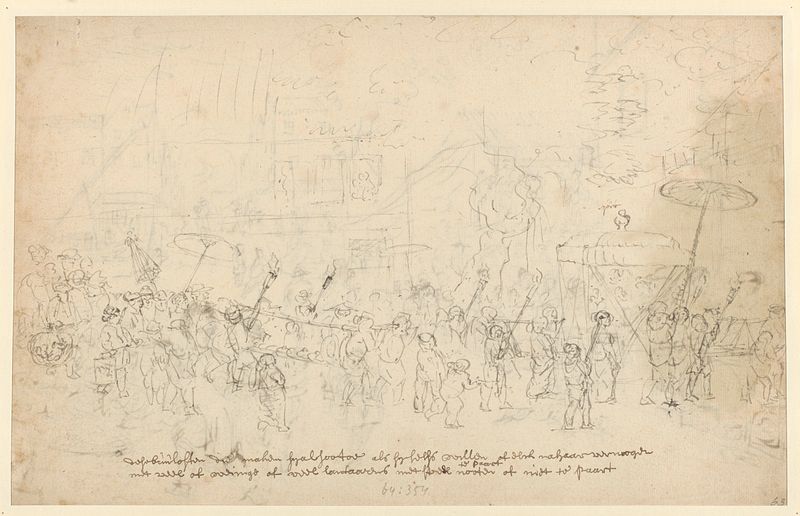
Loneliness is an echoing void within the strokes and colors that yearn to be seen and understood. Look to the center of the canvas where the solitary figure stands, embodying both grace and isolation. The soft, muted palette envelops her in a sense of introspection, while the delicate details of her attire speak to a time long past. Observe how the light cascades gently from above, illuminating her face yet leaving the surroundings in shadow, amplifying her solitude amidst an otherwise vibrant world. Emotional tension lies in the juxtaposition of her poised demeanor and the stillness of her surroundings.
The intricate folds of her dress seem to flow seamlessly, yet they symbolize the constraints of societal expectations that bind her. There’s a subtle melancholy in her gaze, hinting at unfulfilled desires and dreams, which invites viewers to ponder the stories concealed beneath her tranquil exterior. Each brushstroke becomes a whisper of her inner landscape, revealing the fragility of her existence. Wouter Schouten created this work around 1660, during a period marked by the flourishing of Dutch genre painting.
Living in a society where individual identity began to emerge, Schouten explored themes of femininity and solitude while drawing inspiration from the prevailing artistic currents of his time. His focus on intimate portraits reflected both personal experiences and broader social commentaries, capturing the essence of the human condition in an eloquent and poignant manner.
More Artworks by Wouter Schouten
Browse all →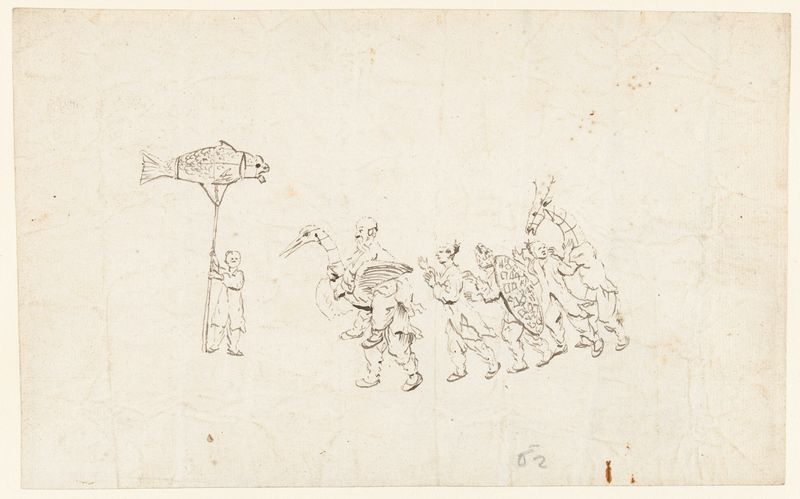
Optocht ter gelegenheid van Chinees Nieuwjaar te Batavia
Wouter Schouten
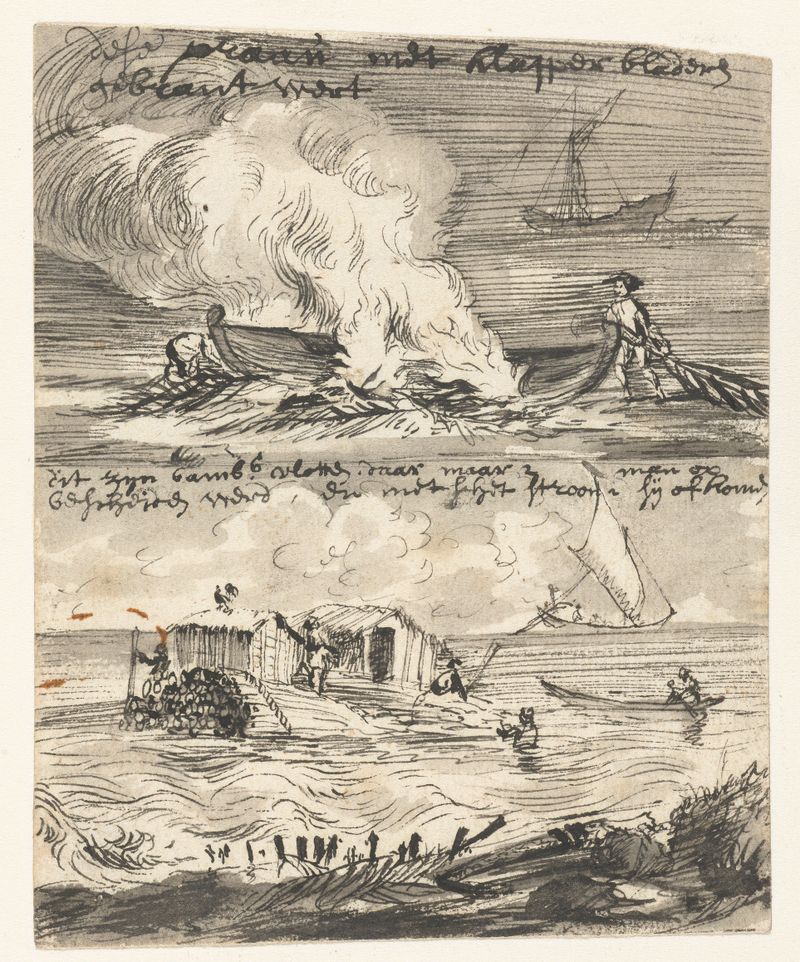
Schetsen van een prauw en twee bamboevlotten
Wouter Schouten
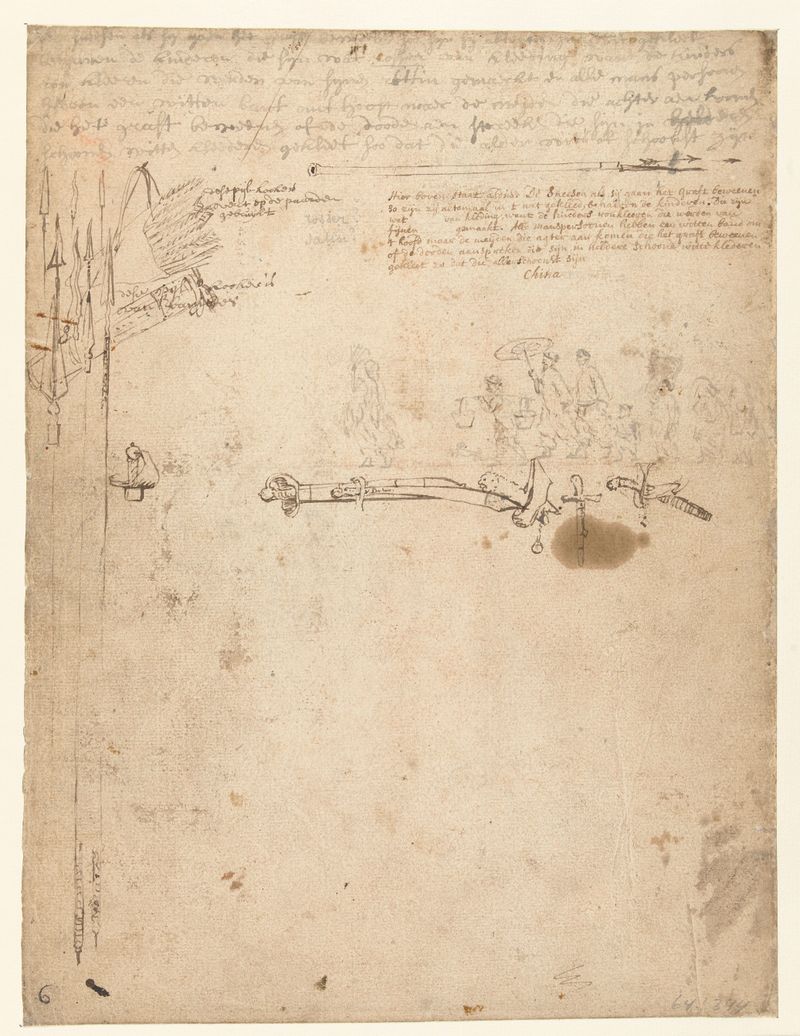
Schetsen van wapens en een groep Chinezen
Wouter Schouten
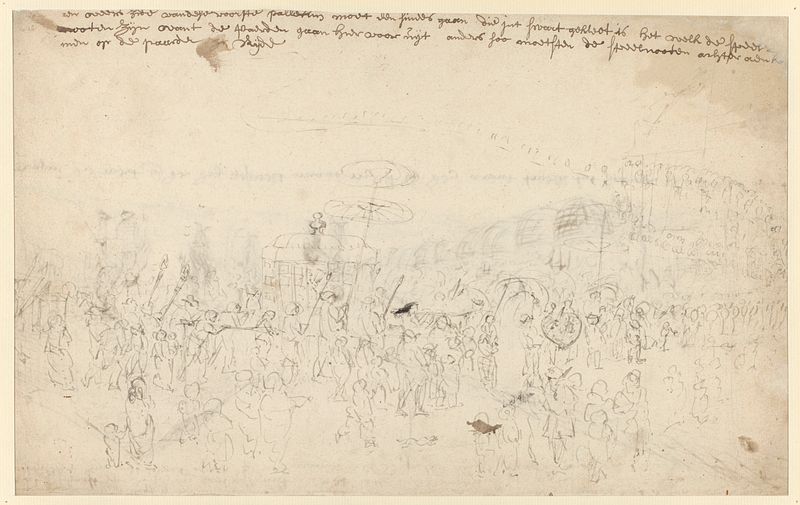
Bruiloftsstoet
Wouter Schouten
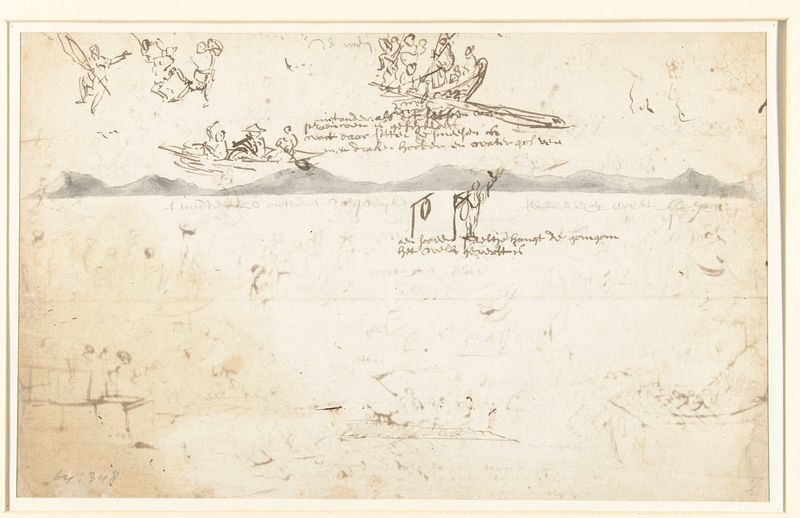
Schetsen van een landschap en figuren in boten
Wouter Schouten
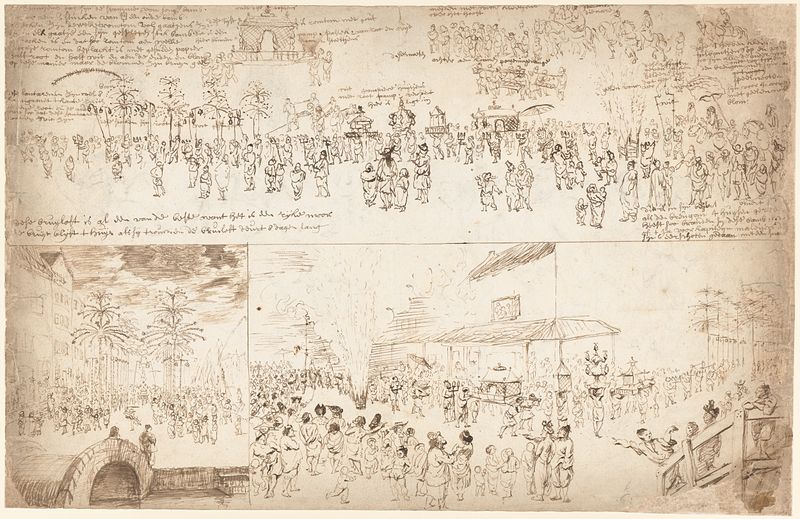
Bruiloftsstoet en een stadsgezicht met veel mensen
Wouter Schouten
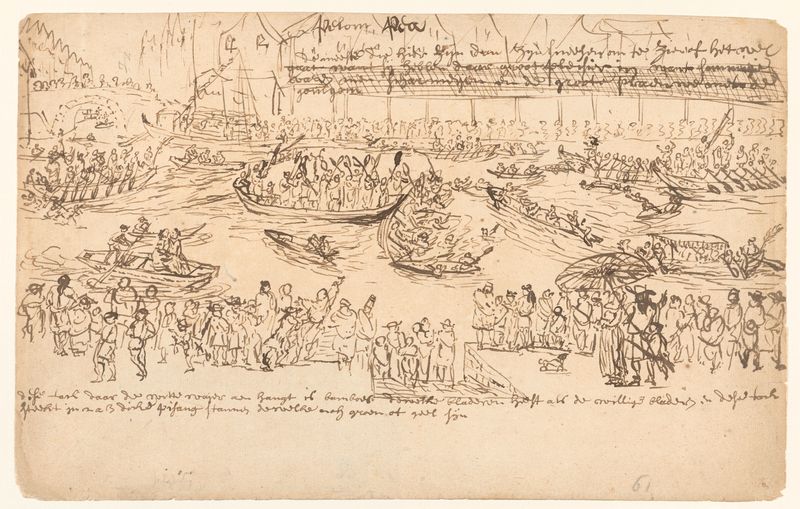
Pelom Pea
Wouter Schouten

Schetsblad met vaartgezicht en figuren
Wouter Schouten
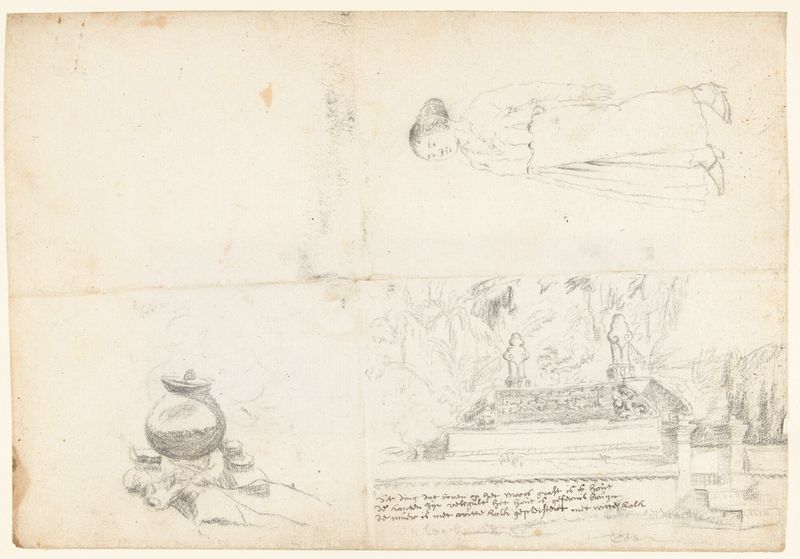
Schetsblad met moors graf en vrouwenfiguur
Wouter Schouten
Bruiloftsstoet
Wouter Schouten





