
Schetsblad met vaartgezicht en figuren — History & Facts
In a world where beauty and fear intertwine, art serves as both a shield and a mirror, reflecting our innermost anxieties. As you engage with the piece, your gaze should first rest on the sweeping waterway that dominates the center. The artist’s delicate strokes suggest the movement of water, while shades of blue and silver dance under the light, evoking an unsettling calm. Look closely at the figures gathered by the shore; their postures hint at a shared tension, a moment caught between anticipation and dread.
Each detail, from the worn boats to the distant horizon, draws you deeper into the narrative of unease. The small yet poignant elements amplify this emotional tension. Notice the juxtaposition of the serene landscape and the figures whose expressions betray a lurking apprehension. The contrasts between light and shadow symbolize the delicate balance between hope and fear, as the tranquility of nature clashes with the human experience.
This interplay invites contemplation on the vulnerability inherent in both the natural world and our existence within it. Wouter Schouten painted this work around 1660, a period marked by significant developments in Dutch art and society. Working in Amsterdam, he was part of a vibrant artistic community that explored both realism and emotion amid the changing tides of the Golden Age. This era was saturated with a burgeoning interest in landscape painting, reflecting the complex relationship between humanity and nature, and Schouten's work exemplifies the tension felt during this transformative time.
More Artworks by Wouter Schouten
Browse all →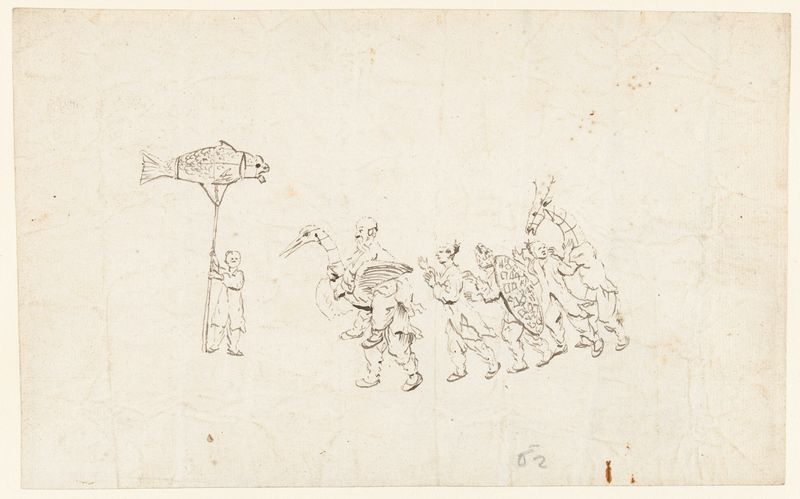
Optocht ter gelegenheid van Chinees Nieuwjaar te Batavia
Wouter Schouten
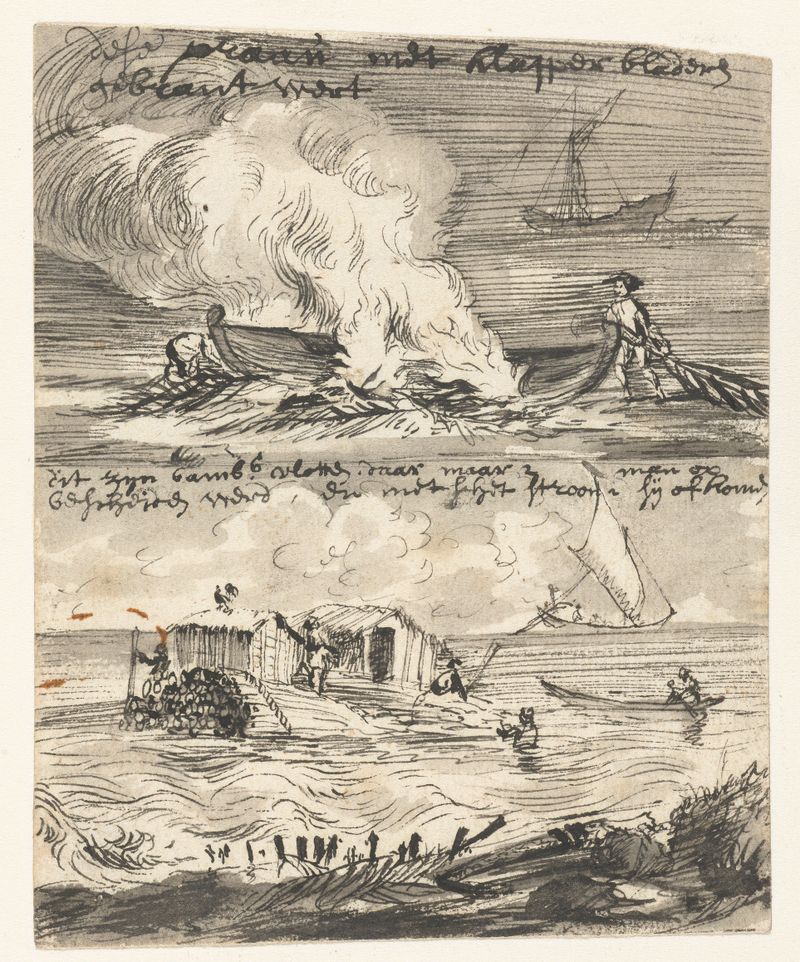
Schetsen van een prauw en twee bamboevlotten
Wouter Schouten
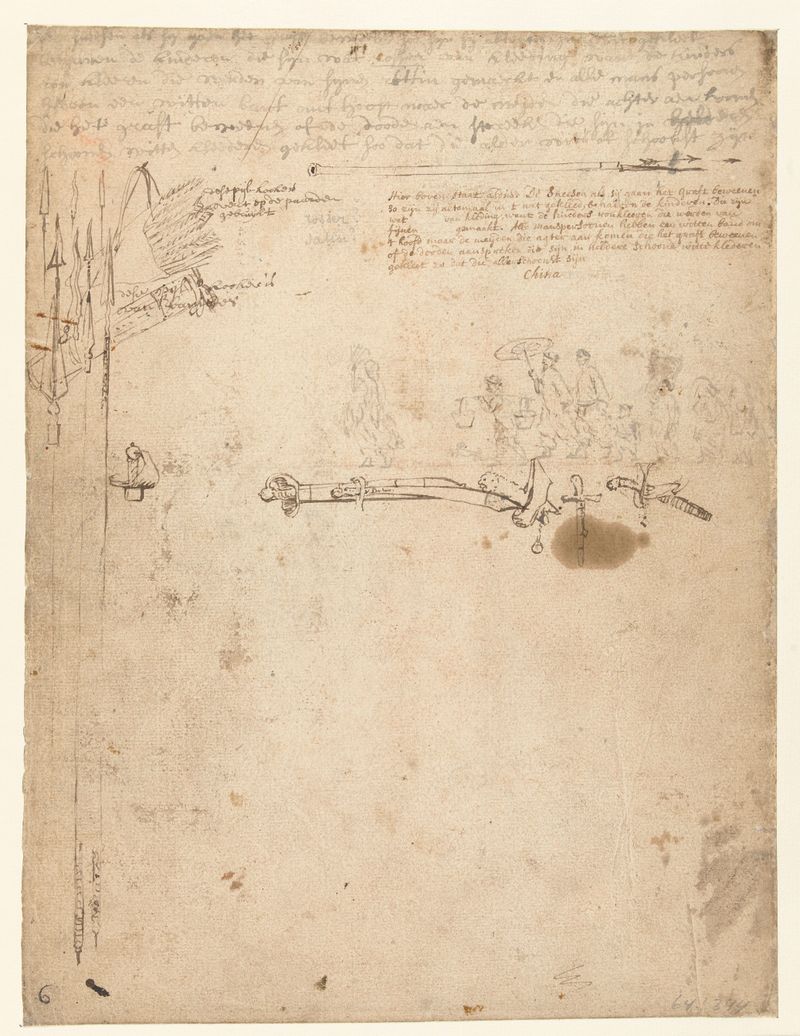
Schetsen van wapens en een groep Chinezen
Wouter Schouten
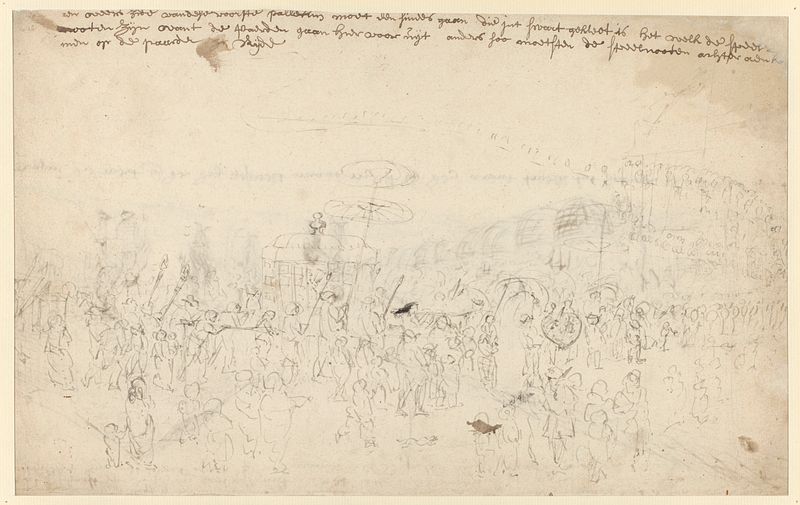
Bruiloftsstoet
Wouter Schouten
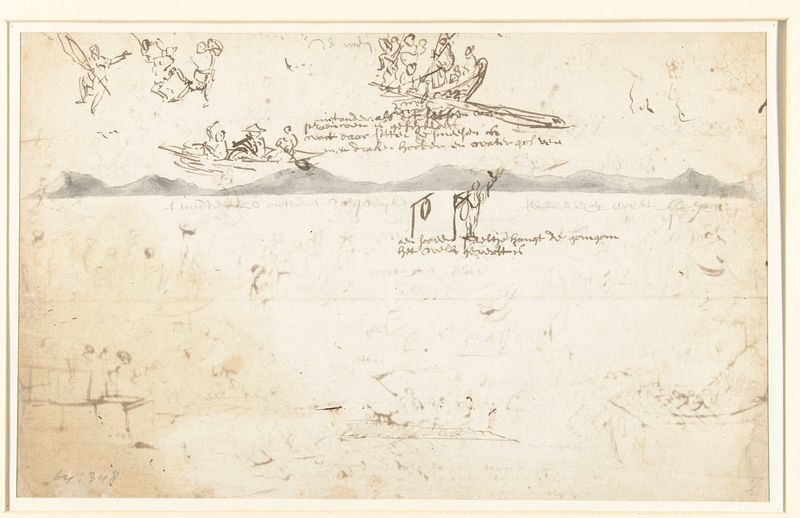
Schetsen van een landschap en figuren in boten
Wouter Schouten
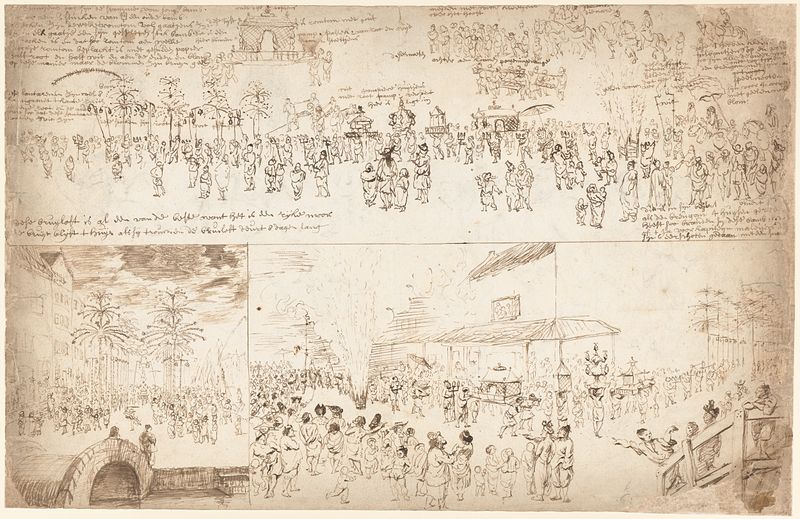
Bruiloftsstoet en een stadsgezicht met veel mensen
Wouter Schouten
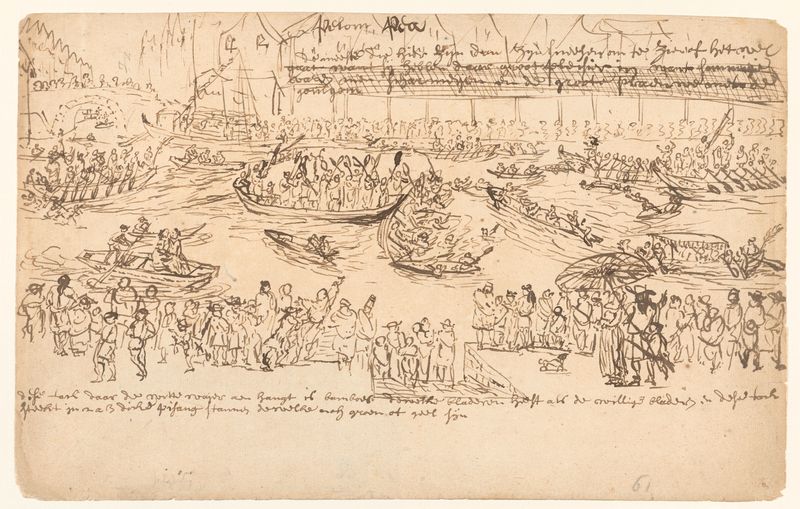
Pelom Pea
Wouter Schouten
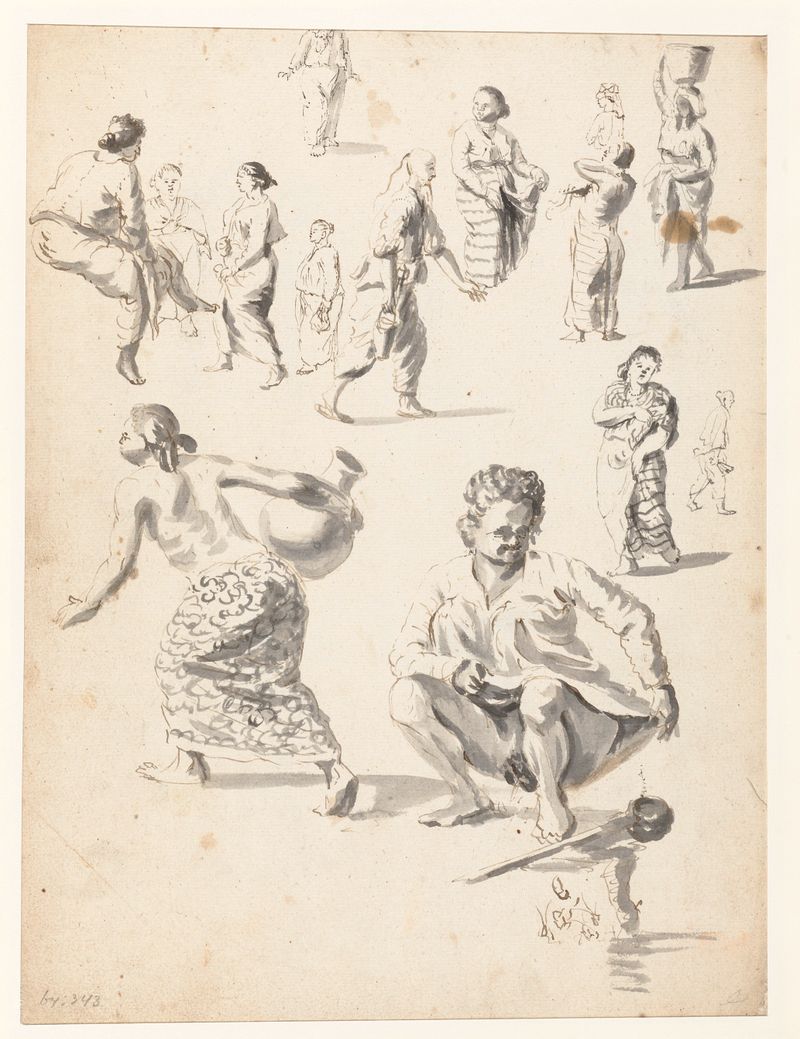
Studies van vrouwen
Wouter Schouten
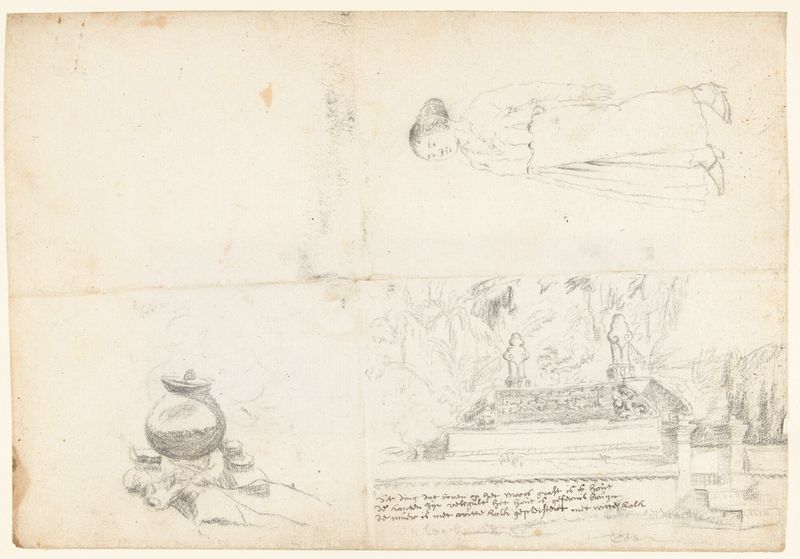
Schetsblad met moors graf en vrouwenfiguur
Wouter Schouten
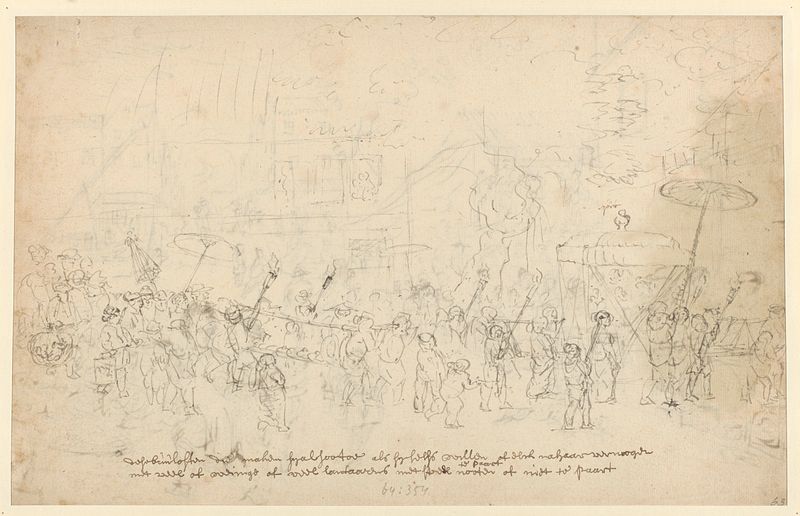
Bruiloftsstoet
Wouter Schouten





