
Bruiloftsstoet — History & Facts
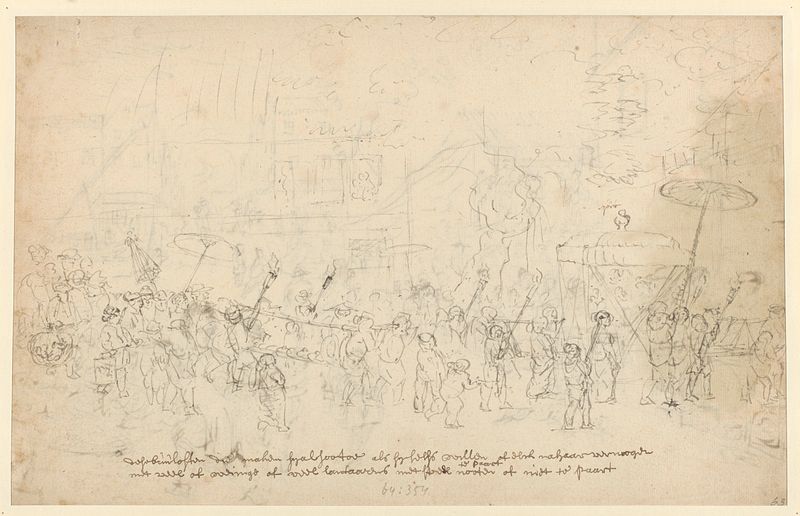
Is this a mirror — or a memory? In the delicate interplay of light and shadow, grief lingers, echoing the laughter and joy that once filled the air. Look to the center of the canvas, where the bridal procession unfolds in an intricate arrangement of figures. Notice how the sunlight dances off the satin and lace of the wedding attire, illuminating the faces that radiate joy, while the somber undertones in the background suggest an emotional weight. The meticulous attention to detail reflects a mastery of the brush, creating a vivid tapestry of color that draws the viewer into the moment, urging them to engage with both the celebration and its possible undercurrents of sorrow. The juxtaposition of exuberance and melancholy offers contemplation on the dualities of life.
While the foreground bursts with vibrant hues, the muted tones of the background whisper of forgotten tales and memories that shape our present. The expressions of the participants — some jubilant, others withdrawn — imply unspoken stories of past loves lost or futures uncertain, evoking a shared sense of nostalgia and reflection. Wouter Schouten painted Bruiloftsstoet around 1660 during a time when he was establishing his reputation in the Dutch art world. Influenced by the burgeoning genre of historical and festive scenes, he sought to portray life’s complexities, capturing not only the celebration of union but also the inevitable shadows of loss and memory that accompany such moments in human experience.
More Artworks by Wouter Schouten
Browse all →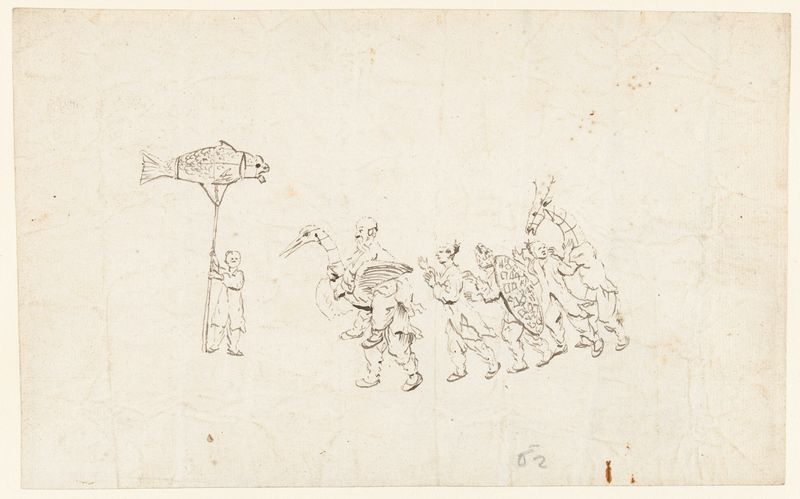
Optocht ter gelegenheid van Chinees Nieuwjaar te Batavia
Wouter Schouten
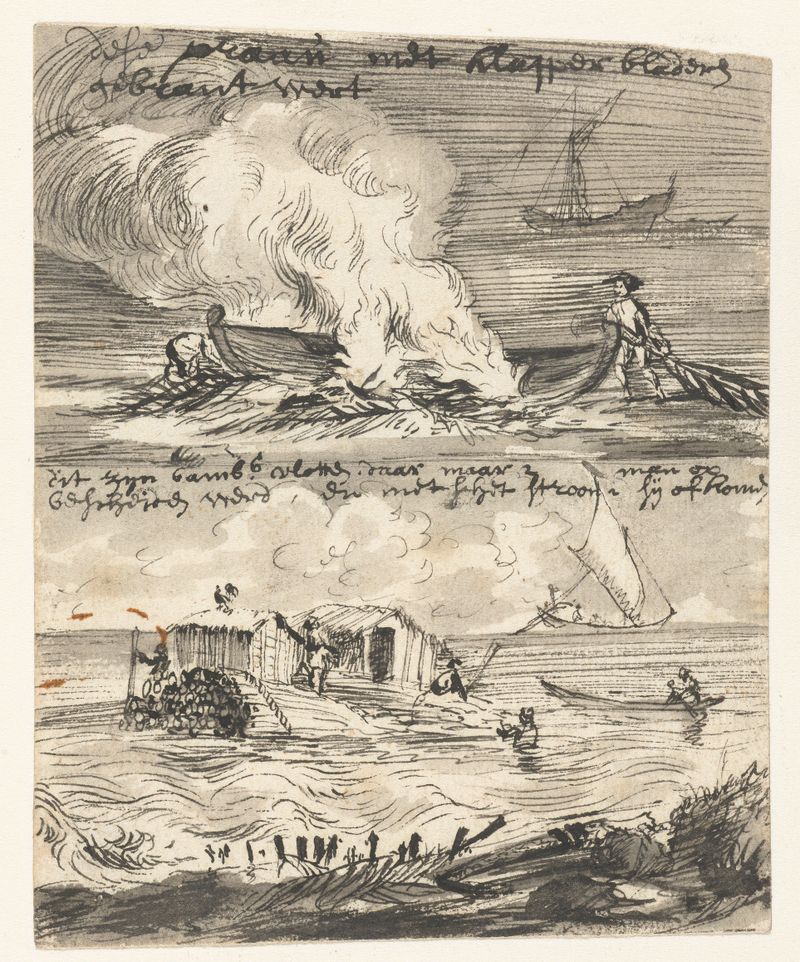
Schetsen van een prauw en twee bamboevlotten
Wouter Schouten
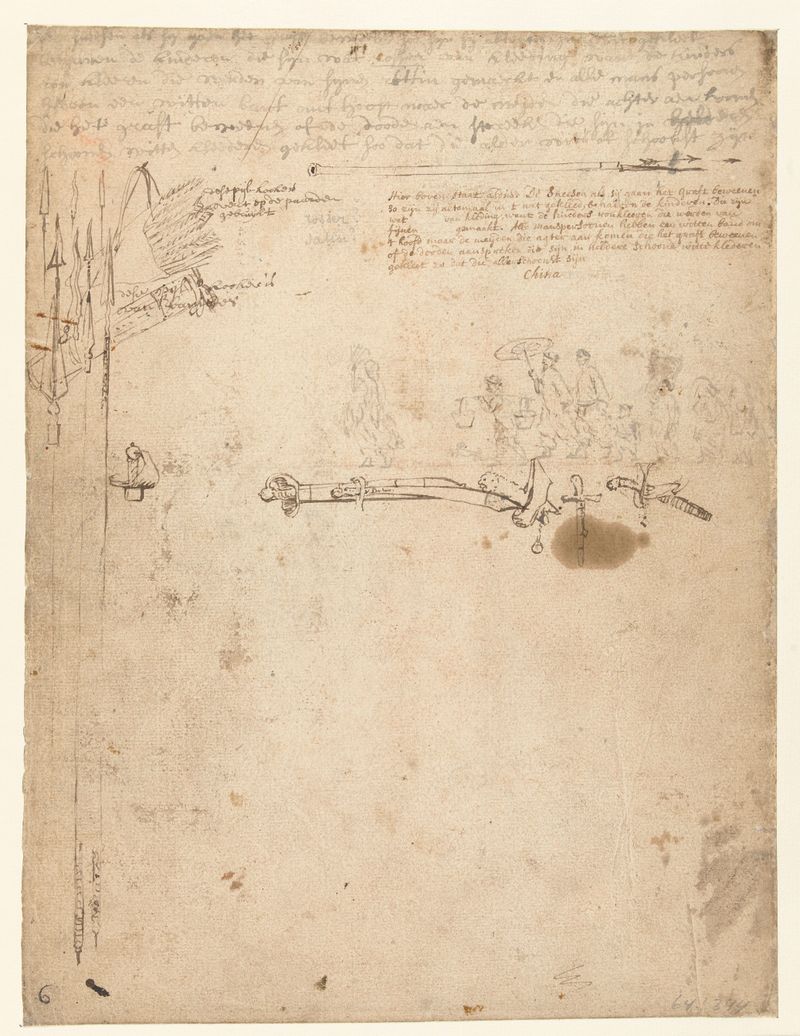
Schetsen van wapens en een groep Chinezen
Wouter Schouten
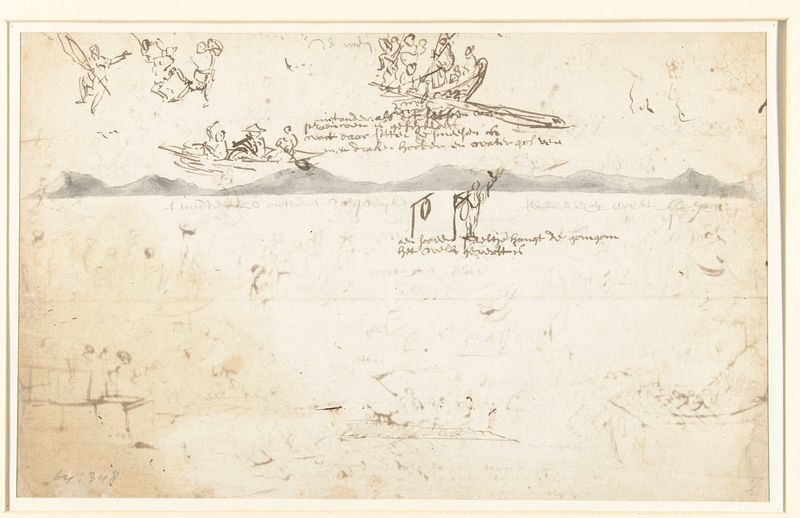
Schetsen van een landschap en figuren in boten
Wouter Schouten
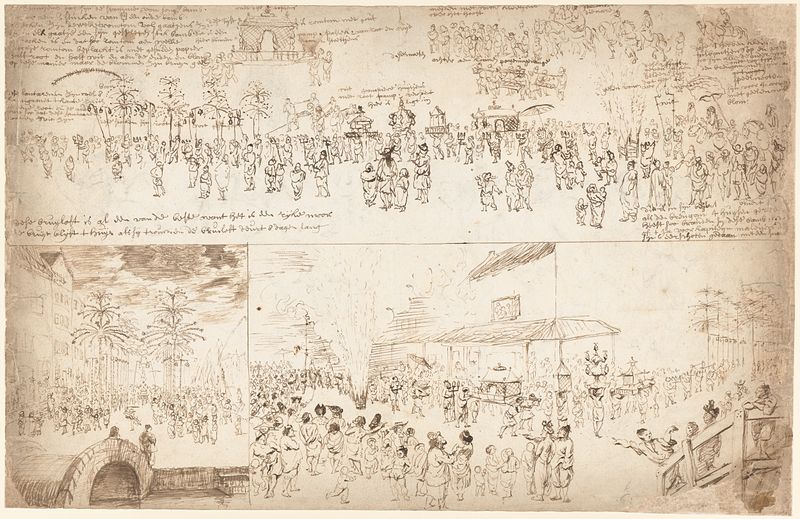
Bruiloftsstoet en een stadsgezicht met veel mensen
Wouter Schouten
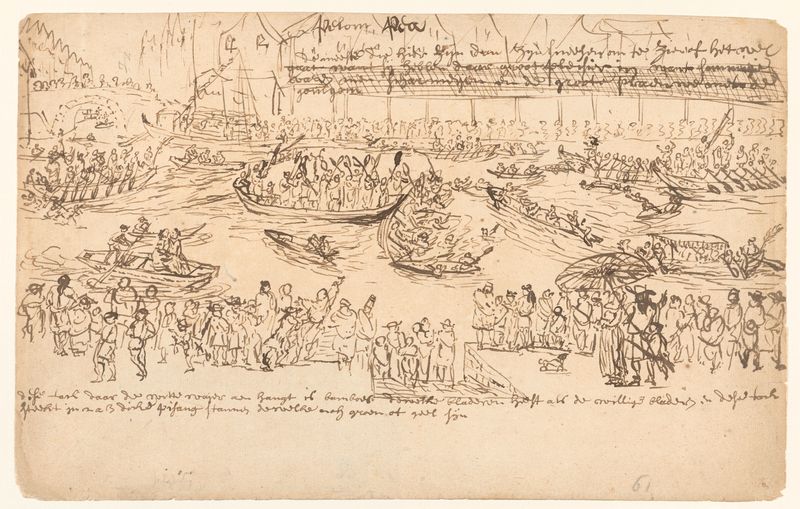
Pelom Pea
Wouter Schouten
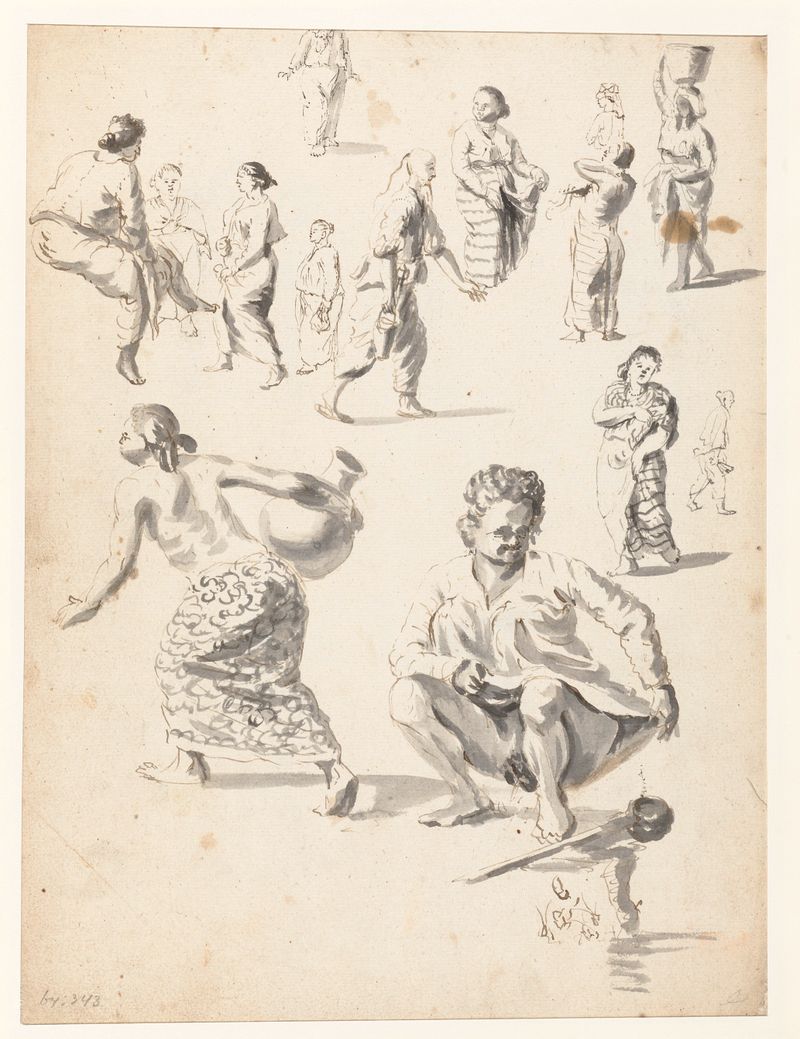
Studies van vrouwen
Wouter Schouten

Schetsblad met vaartgezicht en figuren
Wouter Schouten
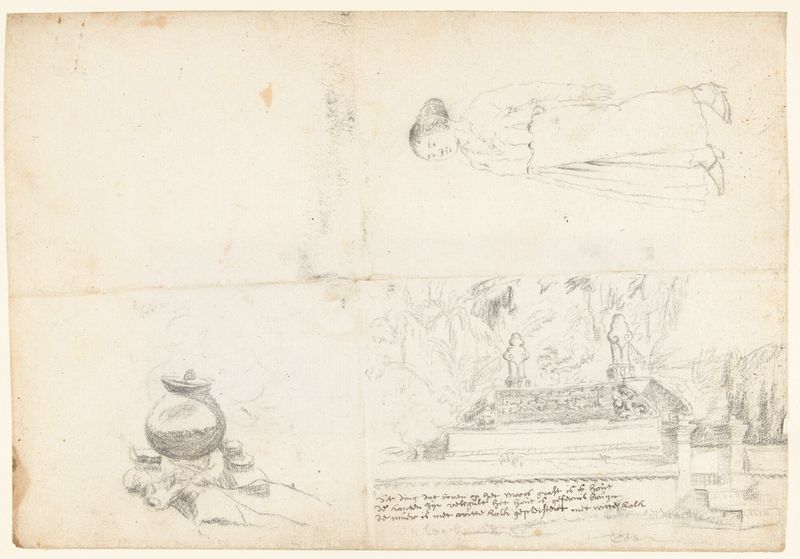
Schetsblad met moors graf en vrouwenfiguur
Wouter Schouten
Bruiloftsstoet
Wouter Schouten





