
Bruiloftsstoet — History & Facts
Can paint confess what words never could? In Bruiloftsstoet, the layers of tradition and human connection unfold in a dance of color and form, revealing the legacy of love that binds generations together. Look to the center, where the vibrant procession of figures captures your attention—a joyful crowd, adorned in elaborate garments, conveys both celebration and cultural significance. Notice how the artist skillfully uses warm hues to animate the scene, with sunlight bathing the participants, their faces brimming with emotion. The interplay of light and shadow creates a dynamic rhythm that beckons you to explore the subtle details of each character, from the bride’s exquisite attire to the expressions of onlookers, all meticulously rendered. As you delve deeper, consider the symbolic weight of the scene: the blending of social classes, the unspoken hopes woven into the fabric of the celebration, and the echoes of communal bond that resonate through generations.
Each character embodies a unique story, and yet together, they narrate a universal tale of unity and the hopes that accompany marriage. The contrast between the joyous atmosphere and the solemnity of commitment invites reflection on the sacrifices made for love, solidifying the scene’s emotional complexity. Wouter Schouten painted this work around 1660, during a period marked by the flourishing of Dutch genre painting. He was navigating the vibrant art scene of the Netherlands, where depictions of daily life were gaining prominence.
This was a time when society grappled with changing values and traditions, and in creating Bruiloftsstoet, Schouten captured not only a moment in time but also the enduring spirit of communal celebration, reflective of the cultural tapestry that surrounded him.
More Artworks by Wouter Schouten
Browse all →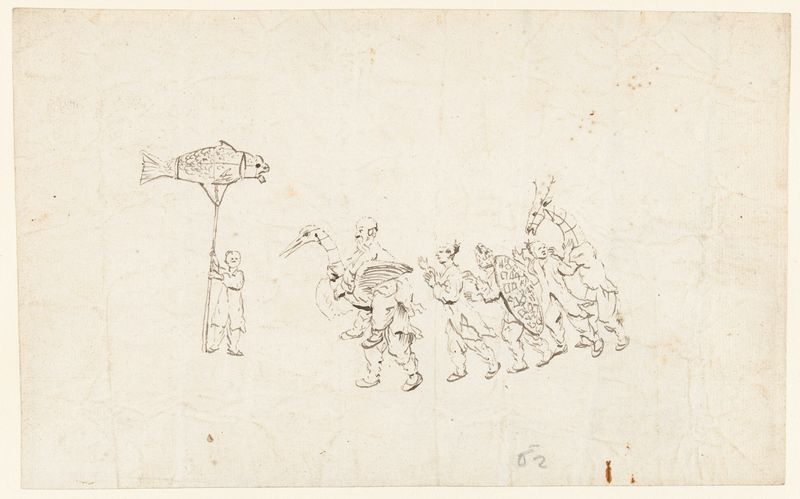
Optocht ter gelegenheid van Chinees Nieuwjaar te Batavia
Wouter Schouten
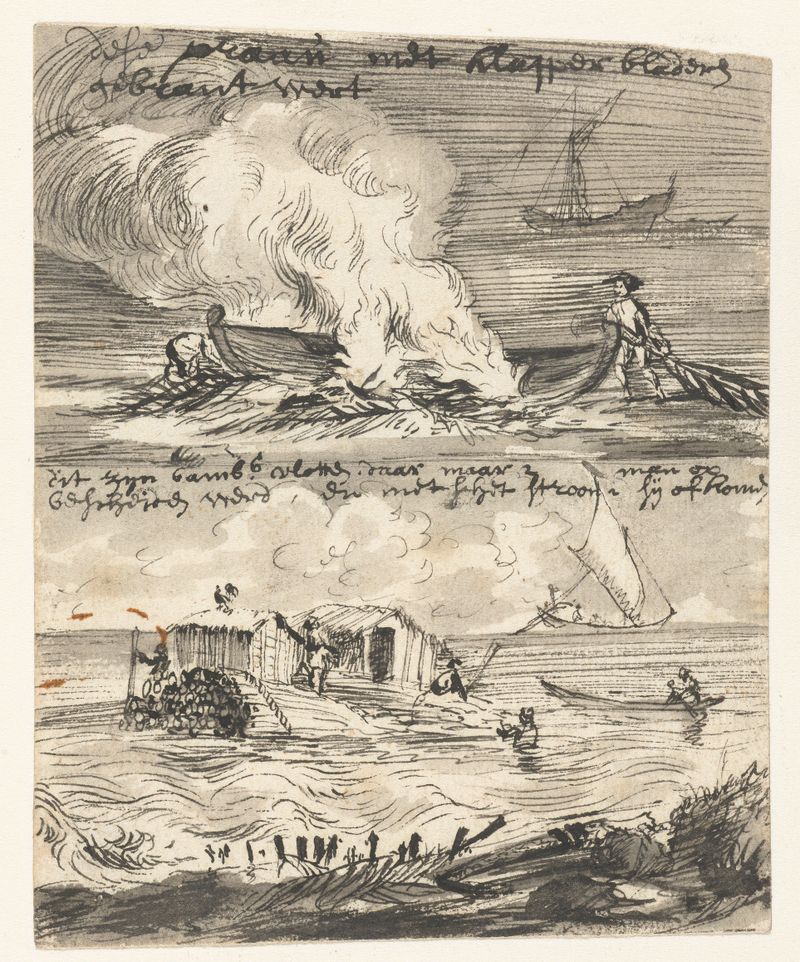
Schetsen van een prauw en twee bamboevlotten
Wouter Schouten
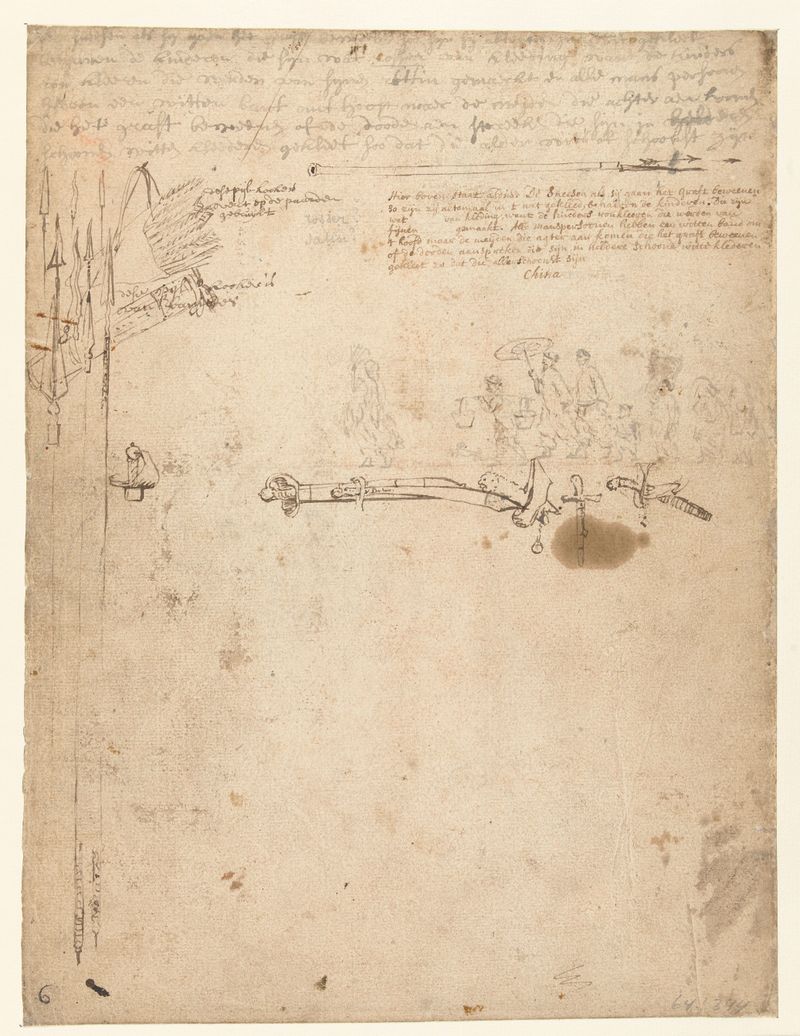
Schetsen van wapens en een groep Chinezen
Wouter Schouten
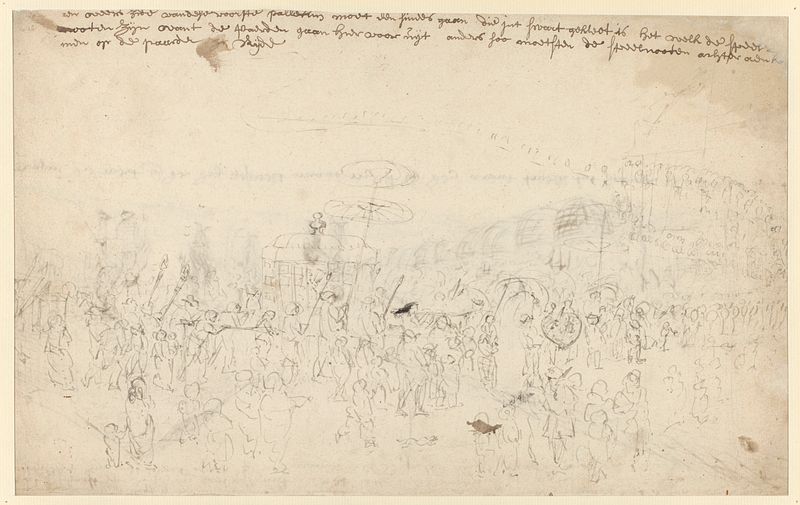
Bruiloftsstoet
Wouter Schouten
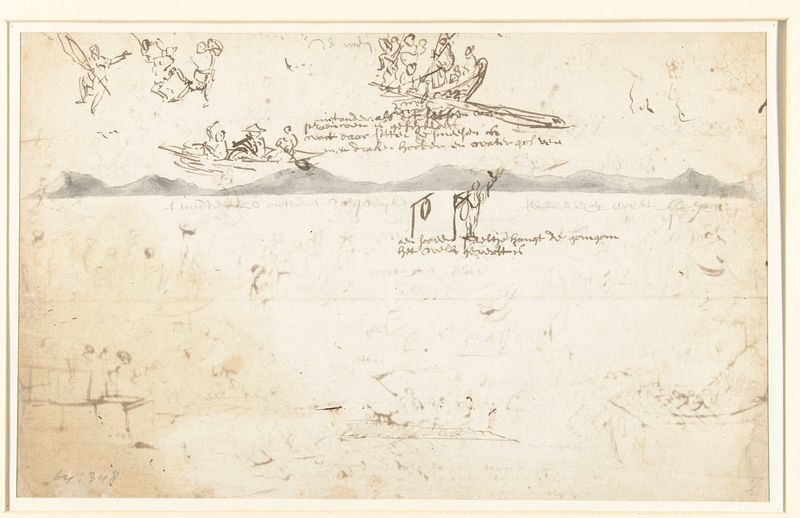
Schetsen van een landschap en figuren in boten
Wouter Schouten
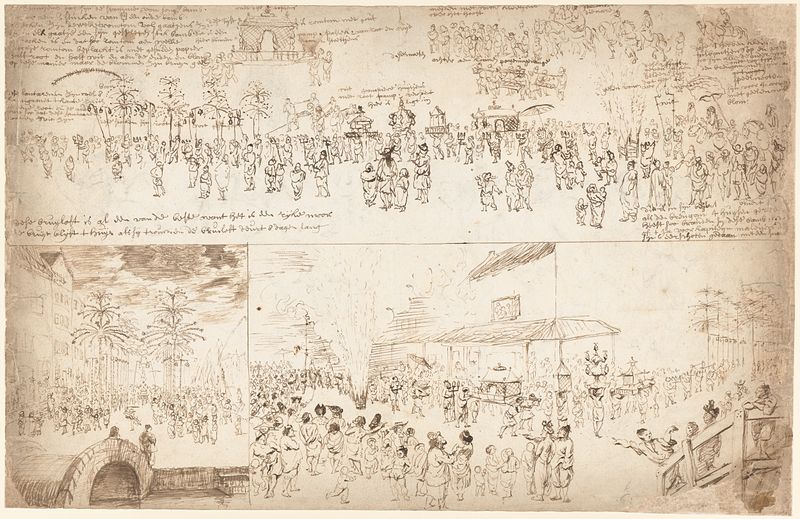
Bruiloftsstoet en een stadsgezicht met veel mensen
Wouter Schouten
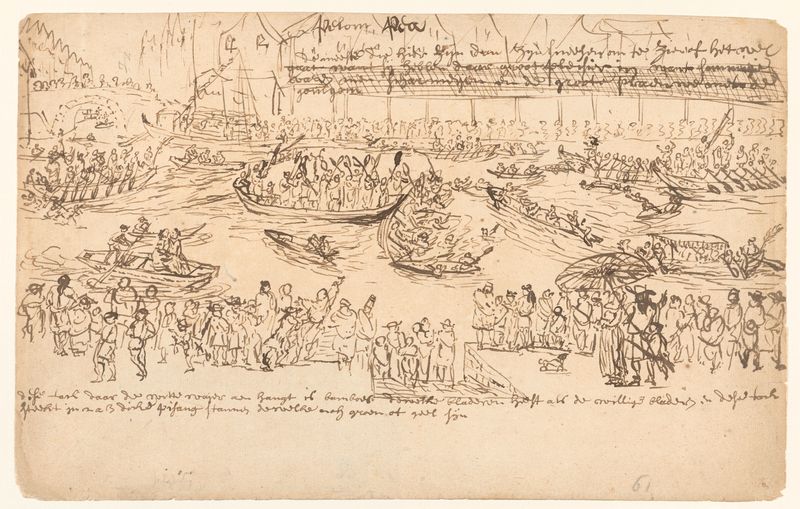
Pelom Pea
Wouter Schouten
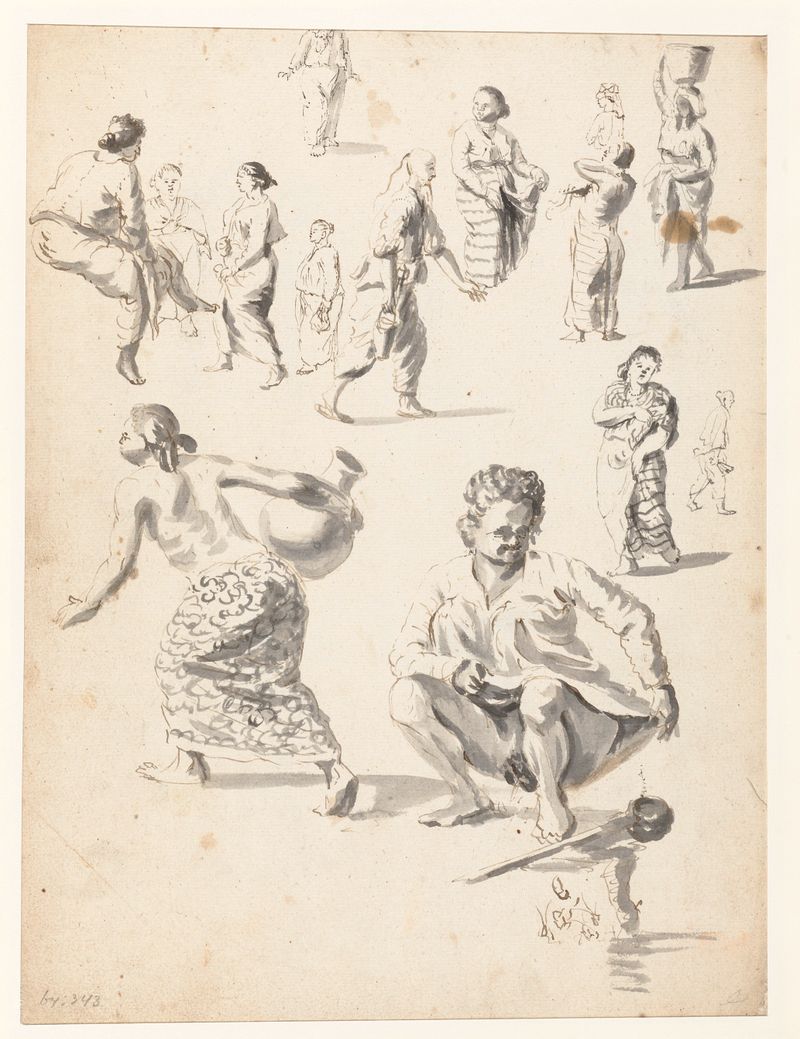
Studies van vrouwen
Wouter Schouten

Schetsblad met vaartgezicht en figuren
Wouter Schouten
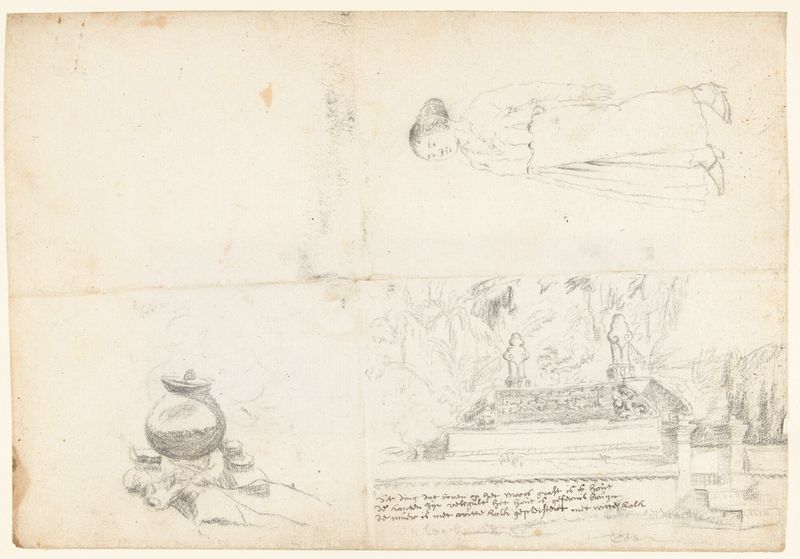
Schetsblad met moors graf en vrouwenfiguur
Wouter Schouten





