
Pero zoogt geketende Cimon in gevangenis — History & Facts
Did the painter know this moment would outlive them? Fear is palpable in Pero zoogt geketende Cimon in gevangenis, rooted in the chains of despair that bind the central figure, a testament to the enduring power of human emotion. Look to the left at the stark contrast between the dark, oppressive prison walls and the soft, glowing light that bathes Pero as she cradles Cimon’s head. The artist employs a muted color palette, accentuating the gravity of their situation, while delicate brushwork brings a haunting tenderness to Pero’s expression, illuminated by her fierce compassion. Notice how her garment flows gracefully, almost ethereal, drawing the eye toward her devoted gesture amidst the desolation surrounding them. Beneath the surface, layers of tension unfold — the chains that bind Cimon symbolize both physical captivity and emotional entrapment, while Pero's quiet defiance offers a glimmer of hope.
Their proximity reveals an intimate bond that transcends their dire circumstances, suggesting a rebellion against the inherent cruelty of fate. The work invites contemplation on loyalty, sacrifice, and the emotional weight of fear — each detail serves as a reminder of the human condition. In 1544, Beham painted this piece during a period when Northern Renaissance art was transitioning into more personal expressions of emotion. Living in Nuremberg, he was influenced by the rising Reformation and the quest for individual meaning in art.
This work reflects a moment in his life where, amidst sociopolitical upheaval, he sought to convey a poignant narrative of love and suffering, ensuring that these timeless emotions would resonate long after his own existence.
More Artworks by Hans Sebald Beham
Browse all →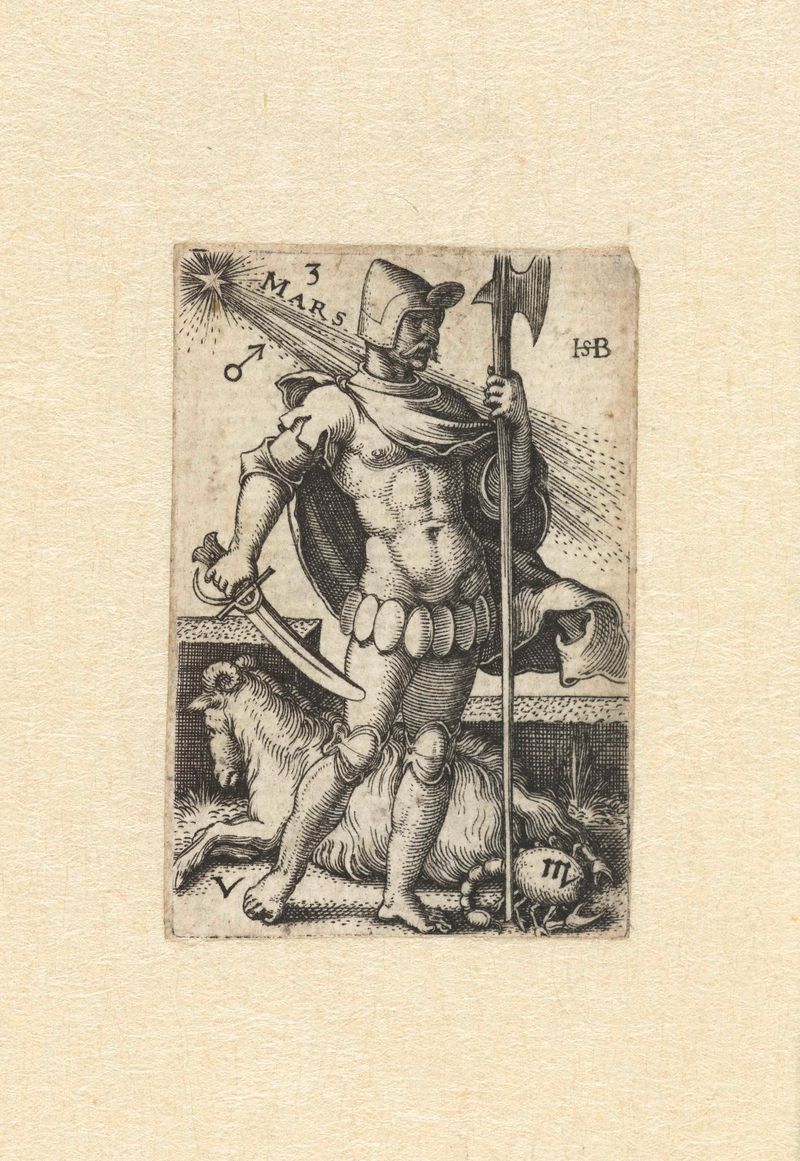
Mars met sterrenbeelden Ram en Schorpioen
Hans Sebald Beham

Achilles in gevecht met Hector
Hans Sebald Beham
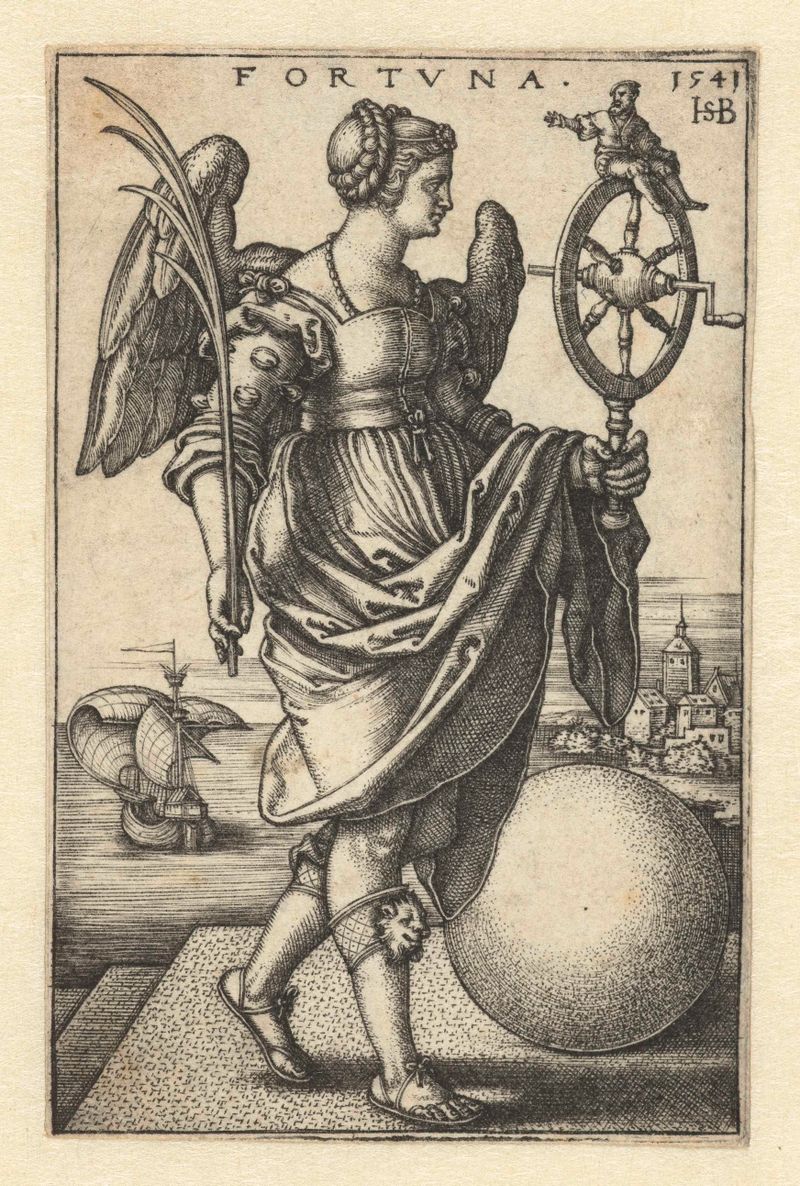
Fortuna
Hans Sebald Beham

Hercules worstelt met Antaeus
Hans Sebald Beham

Twee muzikanten met schalmey en doedelzak
Hans Sebald Beham

Voorzichtigheid (Prudentia)
Hans Sebald Beham

Hercules in gevecht met de Trojanen
Hans Sebald Beham
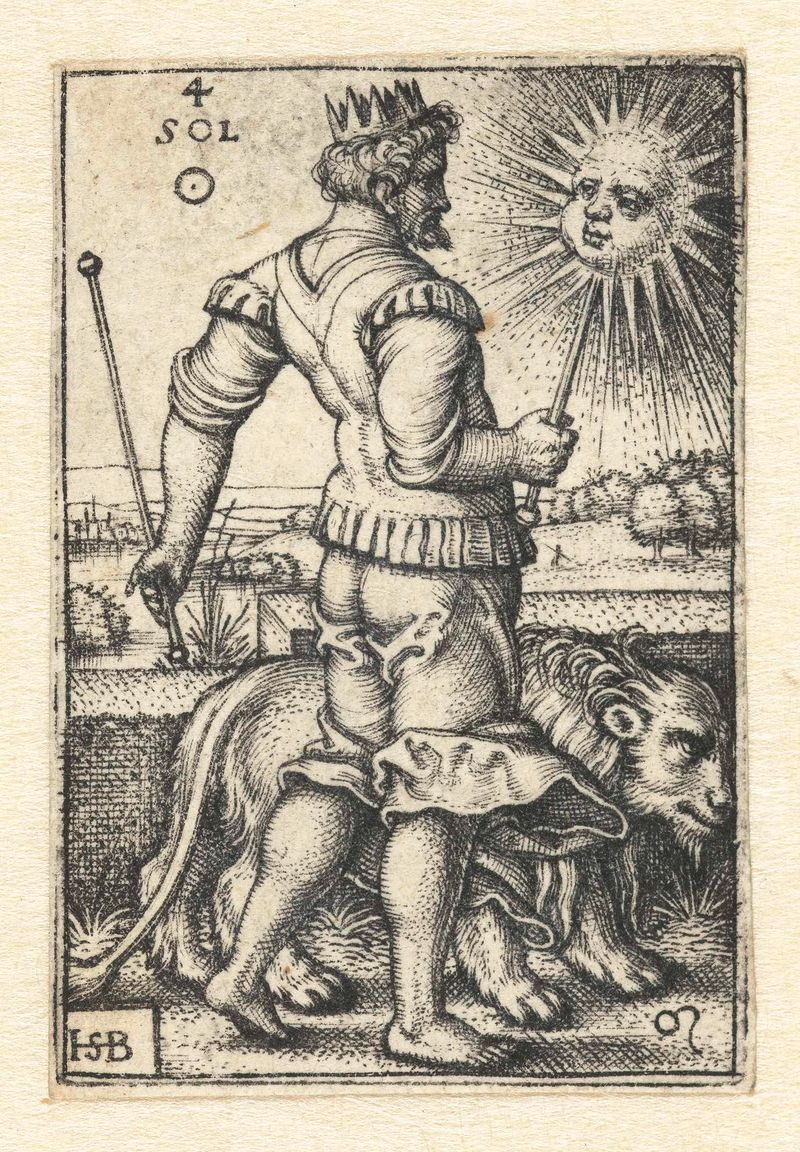
Apollo (Sol) met sterrenbeeld Leeuw
Hans Sebald Beham
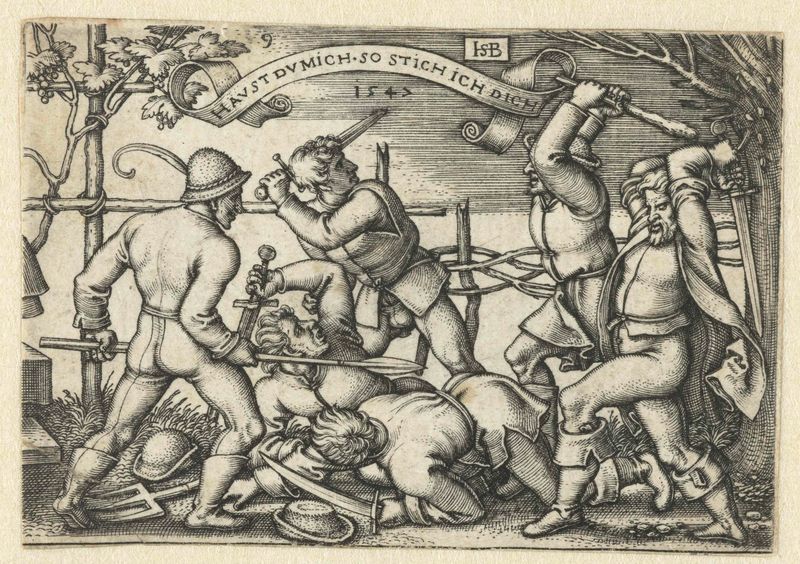
Vechtende boeren met zwaarden
Hans Sebald Beham
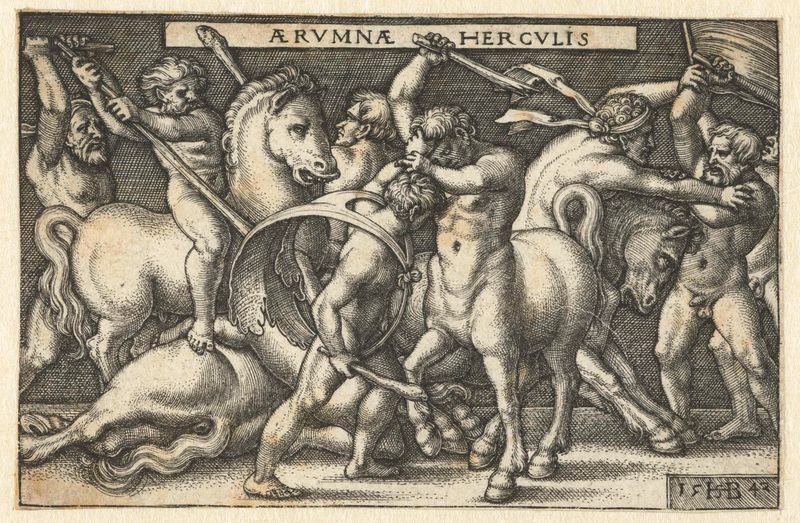
Hercules in gevecht met centaurs
Hans Sebald Beham
More Historical Art
Browse all →
The Night Watch Militia Company of District II under the Command of Captain Frans Banninck Cocq
Rembrandt van Rijn

Lincoln Memorial
Henry Bacon

The Third of May 1808
Francisco de Goya

Isaac and Rebecca, Known as ‘The Jewish Bride’
Rembrandt van Rijn

The Charge of the Mamelukes (1814)
Francisco de Goya

De vier ruiters van de apocalyps
Albrecht Dürer