
Pero zoogt geketende Cimon in gevangenis — History & Facts
Is this a mirror — or a memory? The canvas invites viewers to confront the essence of existence, intertwining themes of mortality and freedom within its somber depths. Look to the left at the figure of Cimon, bound in chains, his posture a blend of despair and dignity. The muted colors of the prison walls amplify his discomfort, while the light filtering through a barred window casts a delicate glow upon his face, illuminating the struggle within his gaze. This contrast of light and shadow emphasizes both the physical and emotional confinement he endures, creating an atmosphere saturated with tension and reflection. Notice the subtle details enhancing the painting's emotional gravity.
The chains, heavy and unyielding, symbolize the inescapable grip of mortality, while the faint outline of a forgotten hope lingers in the shadows — perhaps a fleeting memory of freedom or love. Each brushstroke hints at the fragility of life; the weary expression, the outstretched hand yearning for connection, and the ghostly presence of the past evoke a poignant dialogue between longing and despair. Beham created this work in 1544, during the height of the Northern Renaissance, a period marked by significant artistic and cultural transformation. Emerging in Nuremberg, he was influenced by the Reformation's ethos, exploring themes of human suffering and morality.
As he painted, the world around him was grappling with profound changes in society, shaping his inquiry into the human condition and the universal battle against the chains that bind us.
More Artworks by Hans Sebald Beham
Browse all →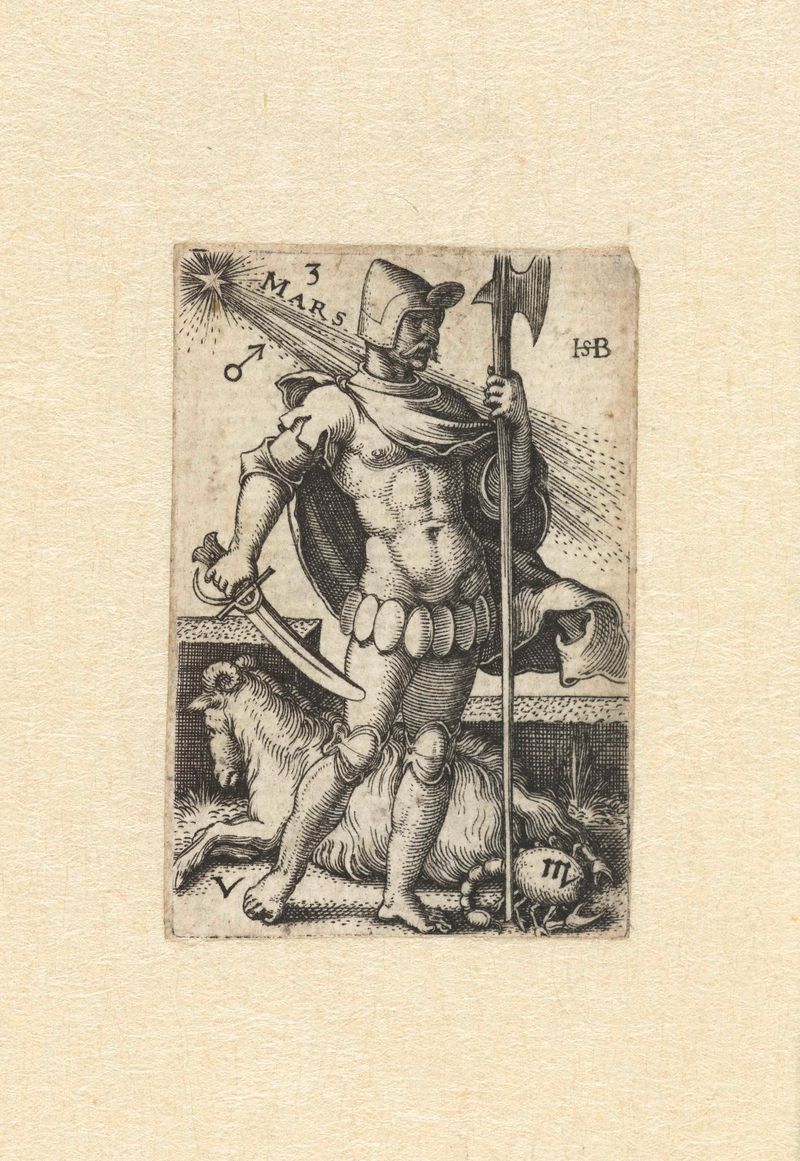
Mars met sterrenbeelden Ram en Schorpioen
Hans Sebald Beham

Achilles in gevecht met Hector
Hans Sebald Beham
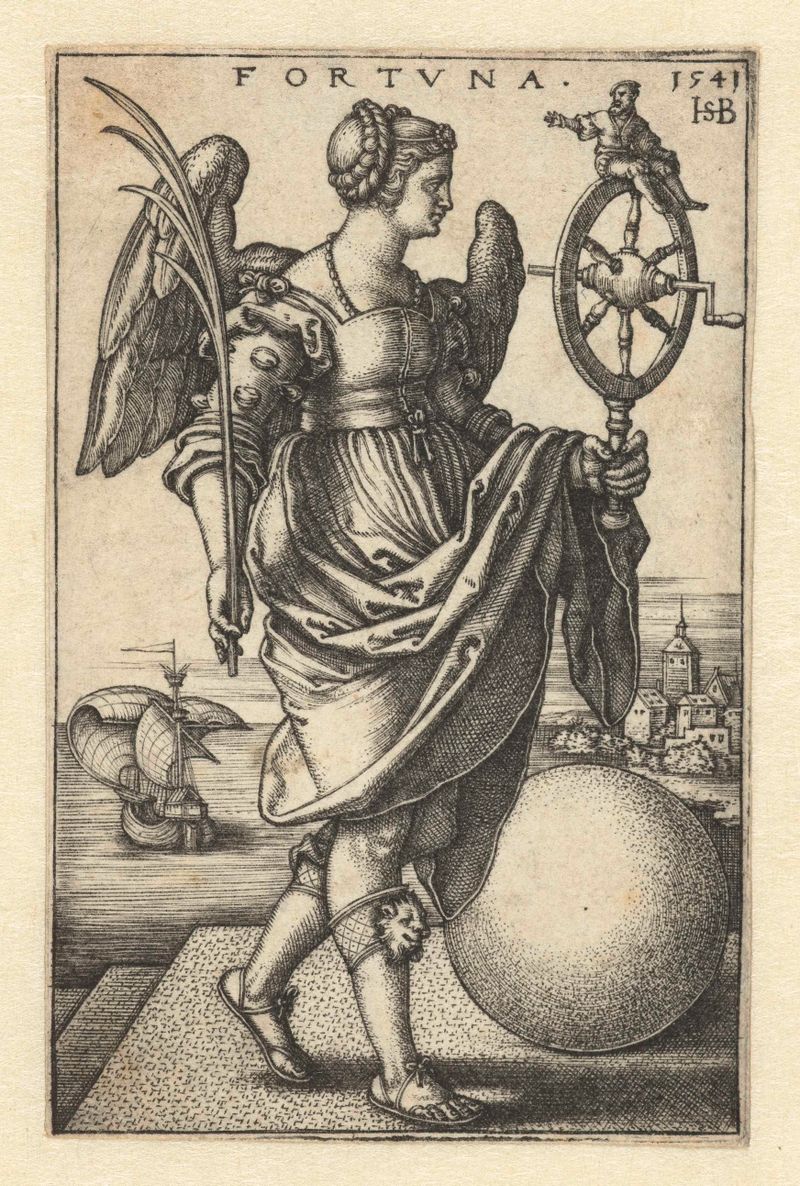
Fortuna
Hans Sebald Beham

Hercules worstelt met Antaeus
Hans Sebald Beham

Twee muzikanten met schalmey en doedelzak
Hans Sebald Beham

Voorzichtigheid (Prudentia)
Hans Sebald Beham

Hercules in gevecht met de Trojanen
Hans Sebald Beham
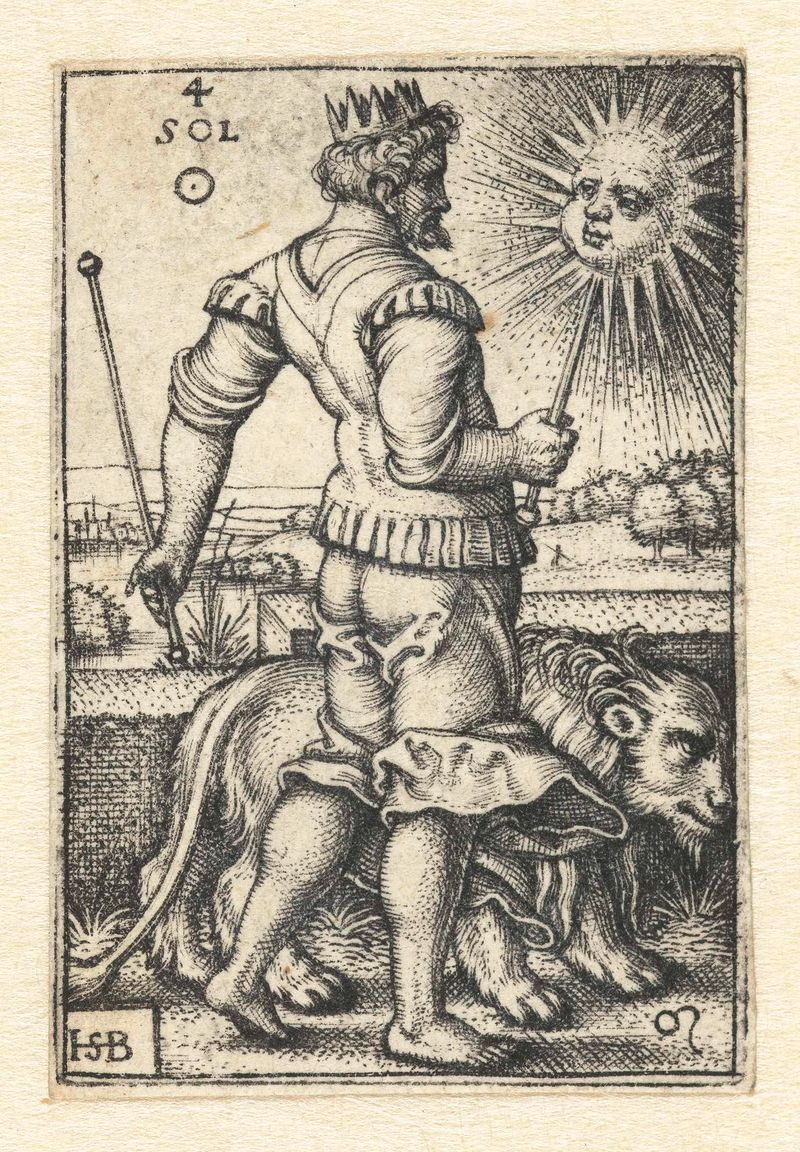
Apollo (Sol) met sterrenbeeld Leeuw
Hans Sebald Beham
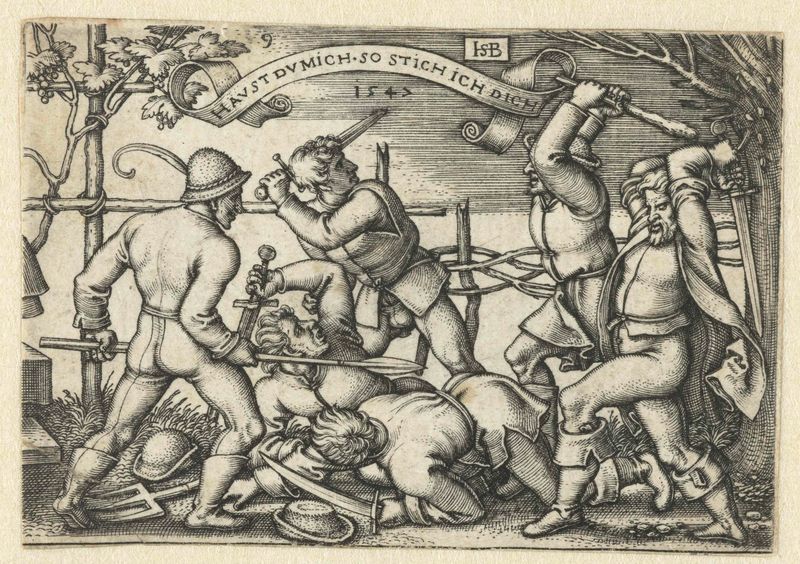
Vechtende boeren met zwaarden
Hans Sebald Beham
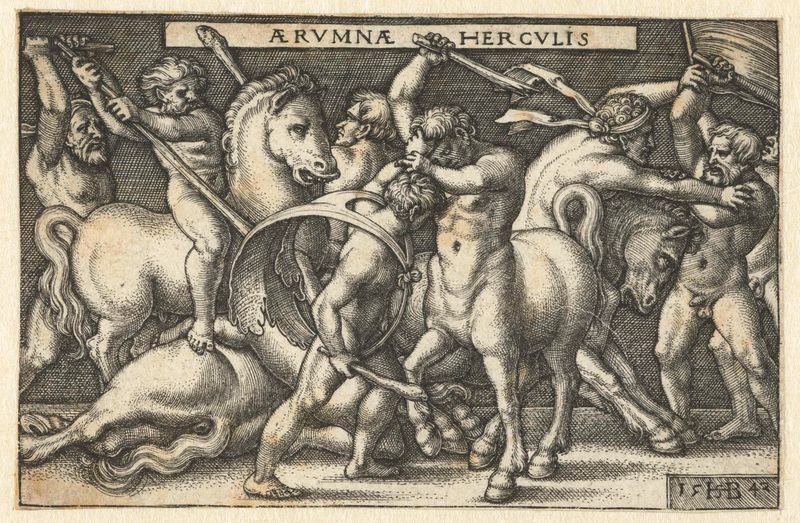
Hercules in gevecht met centaurs
Hans Sebald Beham
More Historical Art
Browse all →
The Night Watch Militia Company of District II under the Command of Captain Frans Banninck Cocq
Rembrandt van Rijn

Lincoln Memorial
Henry Bacon

The Third of May 1808
Francisco de Goya

Isaac and Rebecca, Known as ‘The Jewish Bride’
Rembrandt van Rijn

The Charge of the Mamelukes (1814)
Francisco de Goya

De vier ruiters van de apocalyps
Albrecht Dürer