
Petrus en Johannes genezen een verlamde man bij de tempelpoort — History & Facts
In the liminal space between despair and hope, a moment unfolds that captures the longing for healing and salvation. Focus on the figures in the foreground: notice how the light bathes the hands of Peter and John as they reach out to the crippled man at the temple gate. Their gestures are tender yet firm, conveying a palpable warmth that contrasts sharply with the rigid structure of the temple behind them. The colors are rich and vibrant, with deep blues and earthy browns that ground the figures while also enhancing the ethereal quality of their divine mission.
The composition draws your attention to their eyes, filled with compassion, as they connect with the man’s pleading expression. Delve deeper into the emotional landscape of this work. The stark juxtaposition between the serenity of the apostles and the palpable desperation of the disabled man speaks to the universal struggles of humanity. The temple itself, a symbol of faith and community, stands in the background, both a sanctuary and a reminder of the societal barriers faced by those in need.
Dürer captures not just a moment of miraculous healing, but the longing of each figure to bridge the gap between suffering and redemption. In 1513, Dürer painted this work during a period of personal and artistic growth in Nuremberg, where he was grappling with his identity and place within the evolving world of Renaissance art. This was a time of deep exploration of both spiritual and humanistic themes, as artists began to engage with narratives that resonated on a profoundly personal level. The painting reflects not only his mastery of technique but also his commitment to conveying the human experience through divine encounters.
More Artworks by Albrecht Dürer
Browse all →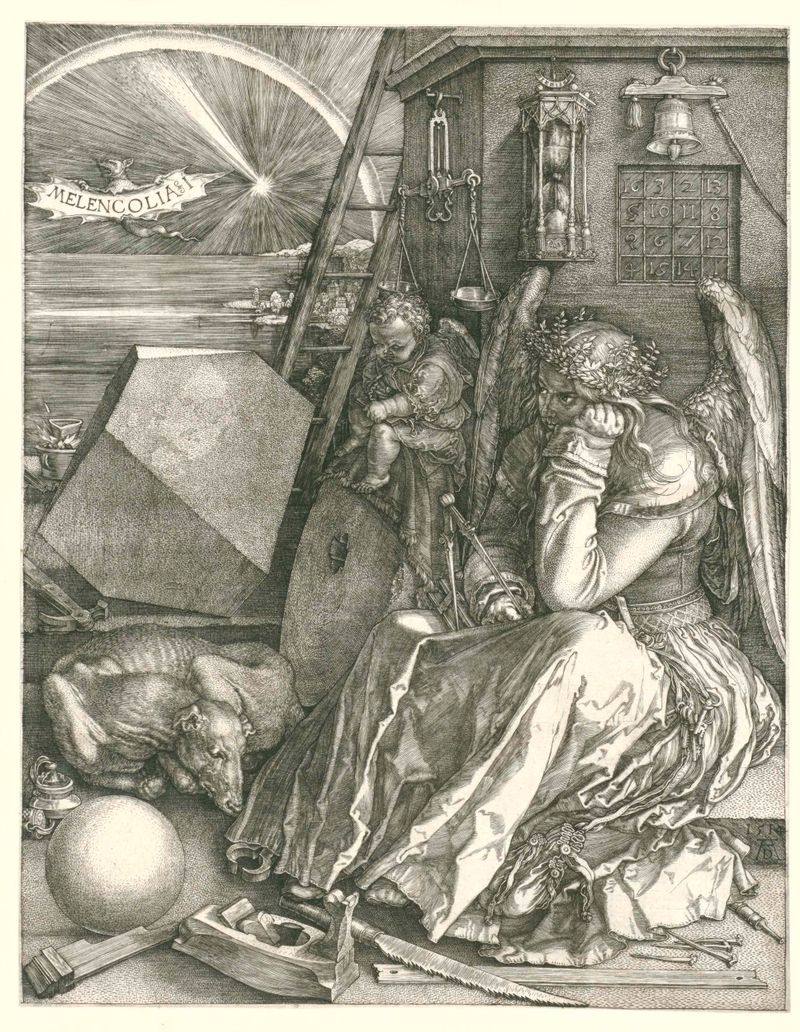
Melancholia
Albrecht Dürer
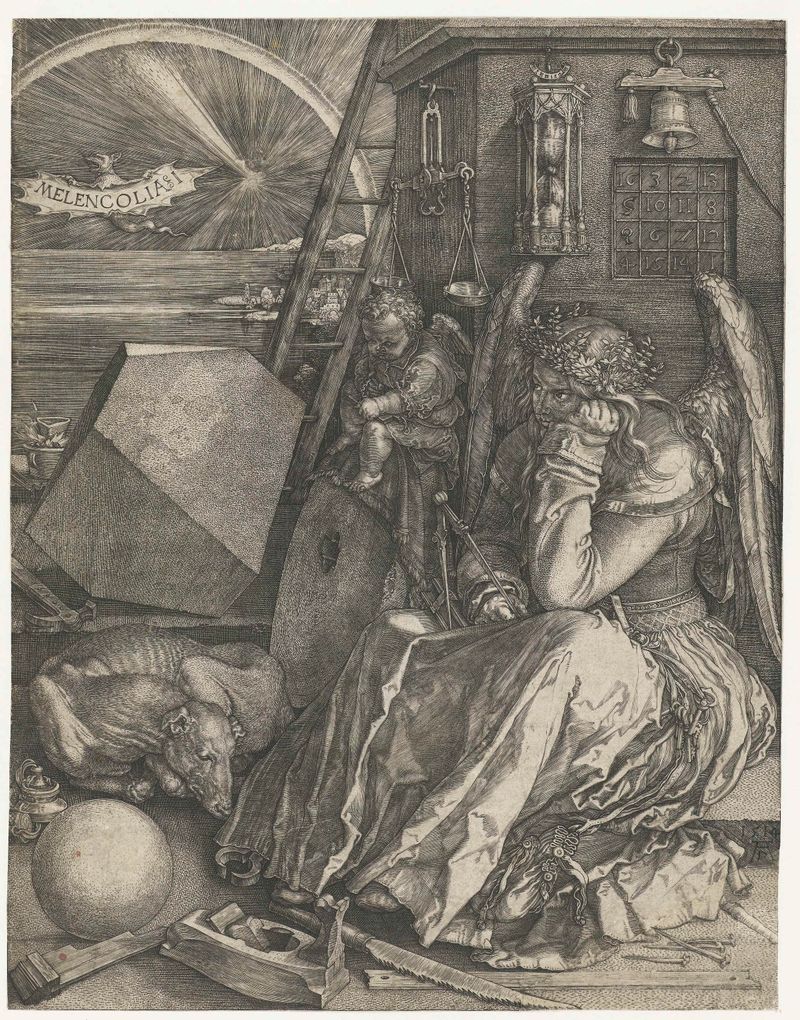
Melancholie
Albrecht Dürer

Neushoorn
Albrecht Dürer
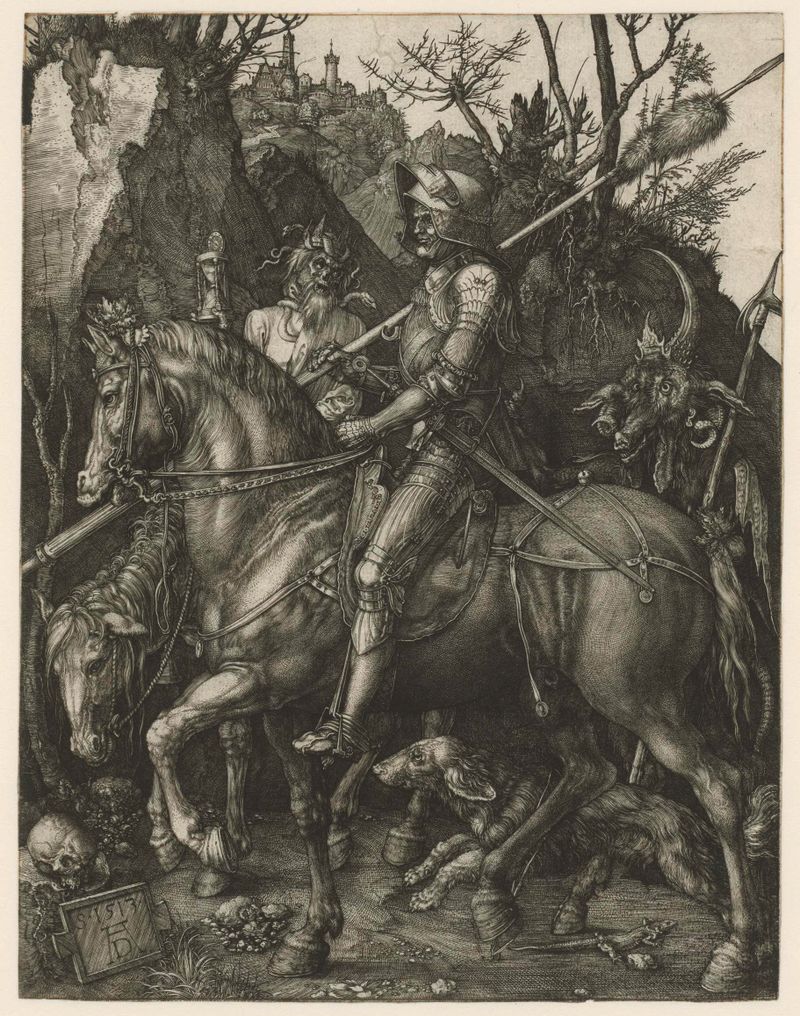
Knight, Death, and the Devil
Albrecht Dürer

De vier ruiters van de apocalyps
Albrecht Dürer

De vier ruiters van de apocalyps
Albrecht Dürer
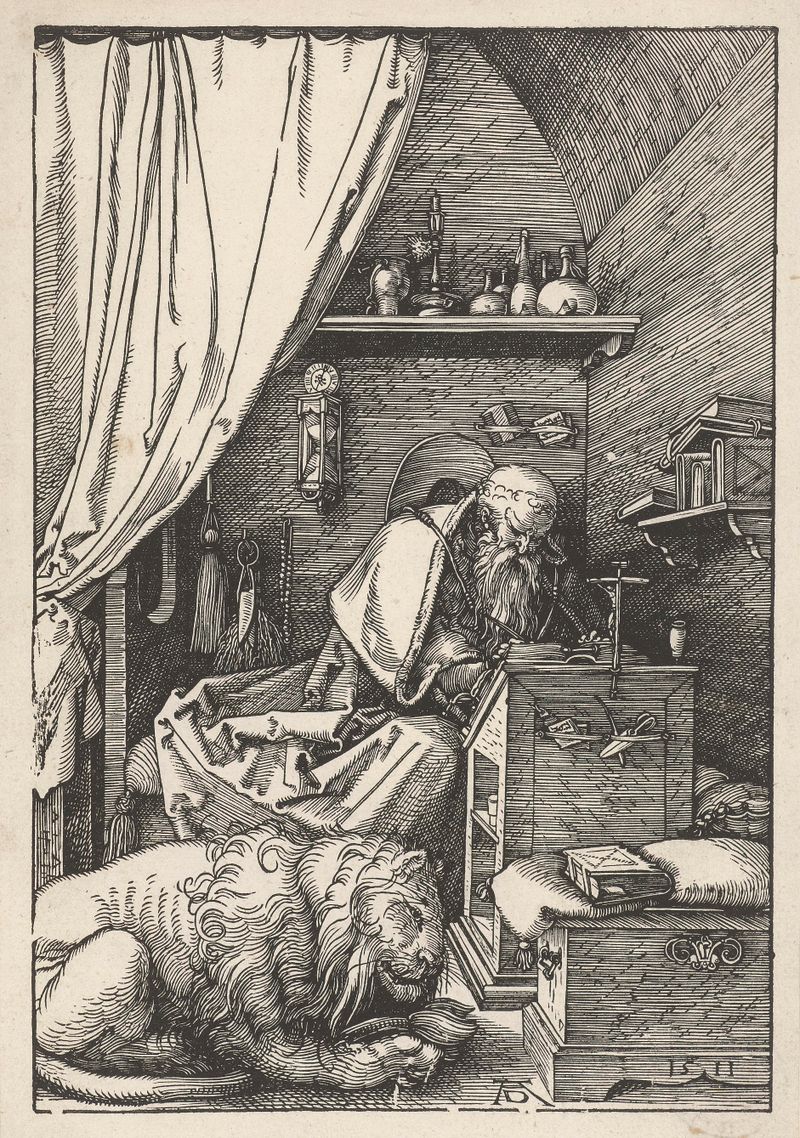
De Heilige Hiëronymus in zijn studeervertrek
Albrecht Dürer
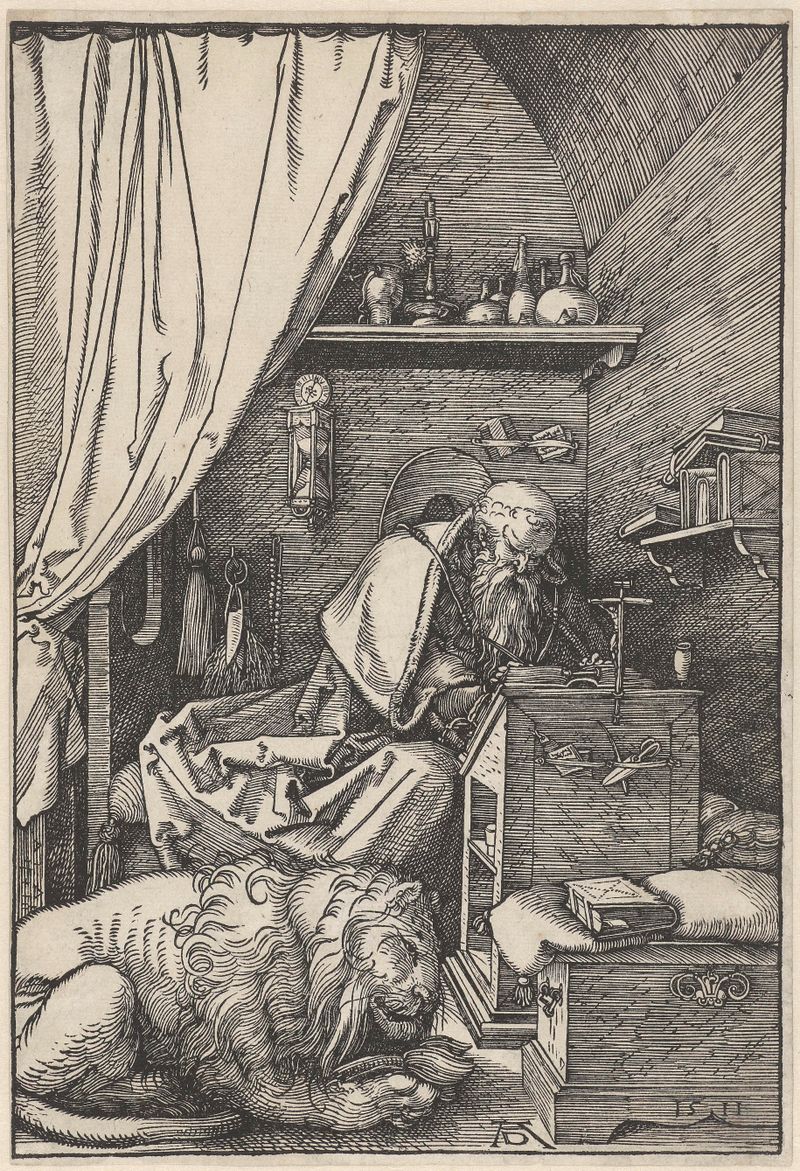
De Heilige Hiëronymus in zijn studeervertrek
Albrecht Dürer
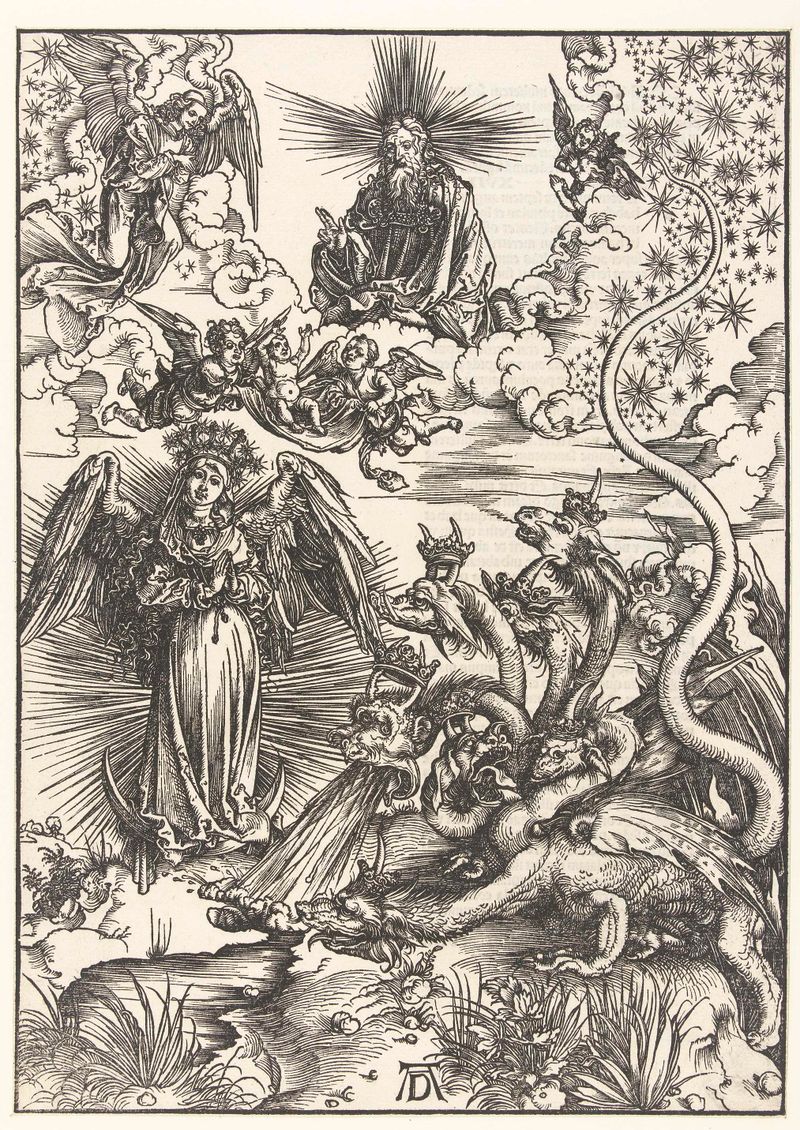
De apocalyptische vrouw en de zevenkoppige draak
Albrecht Dürer
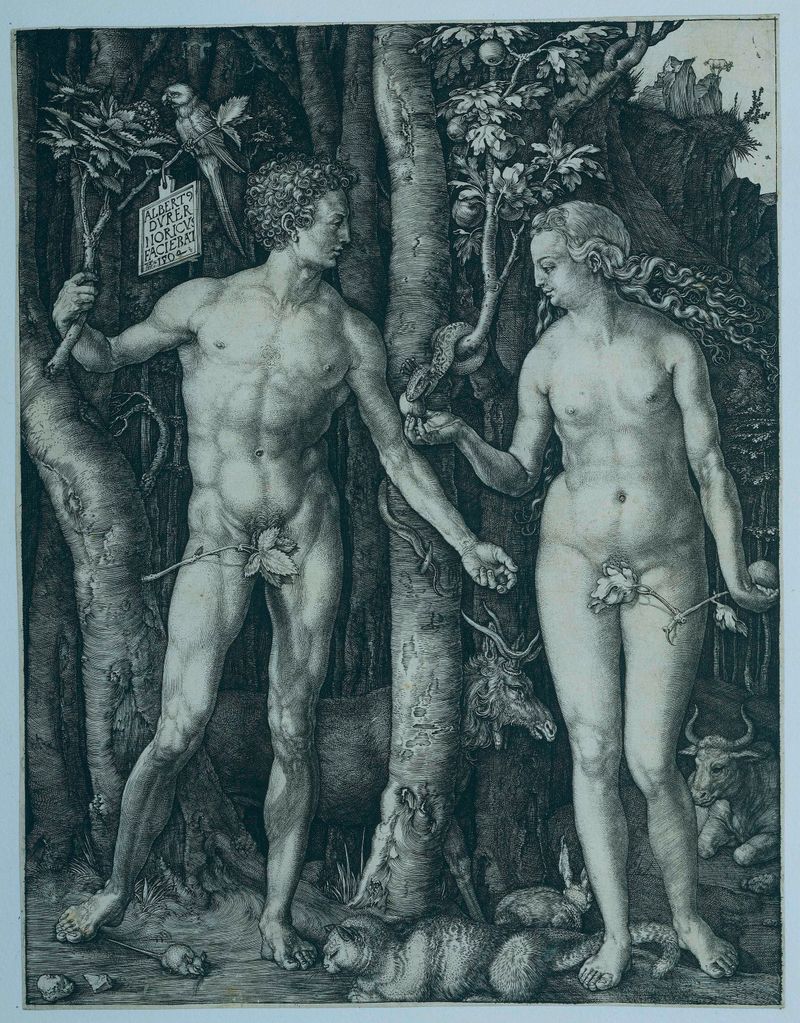
Adam en Eva
Albrecht Dürer
More Religious Art
Browse all →
The Return of the Prodigal Son
Rembrandt van Rijn

The Garden of Earthly Delights
El Bosco

Count Orgaz’ funeral
El Greco

The Hundred Guilder Print: the central piece with Christ preaching, the plate arched
Rembrandt van Rijn

The Descent from the Cross
Rogier van der Weyden

The return of the prodigal son
Rembrandt van Rijn