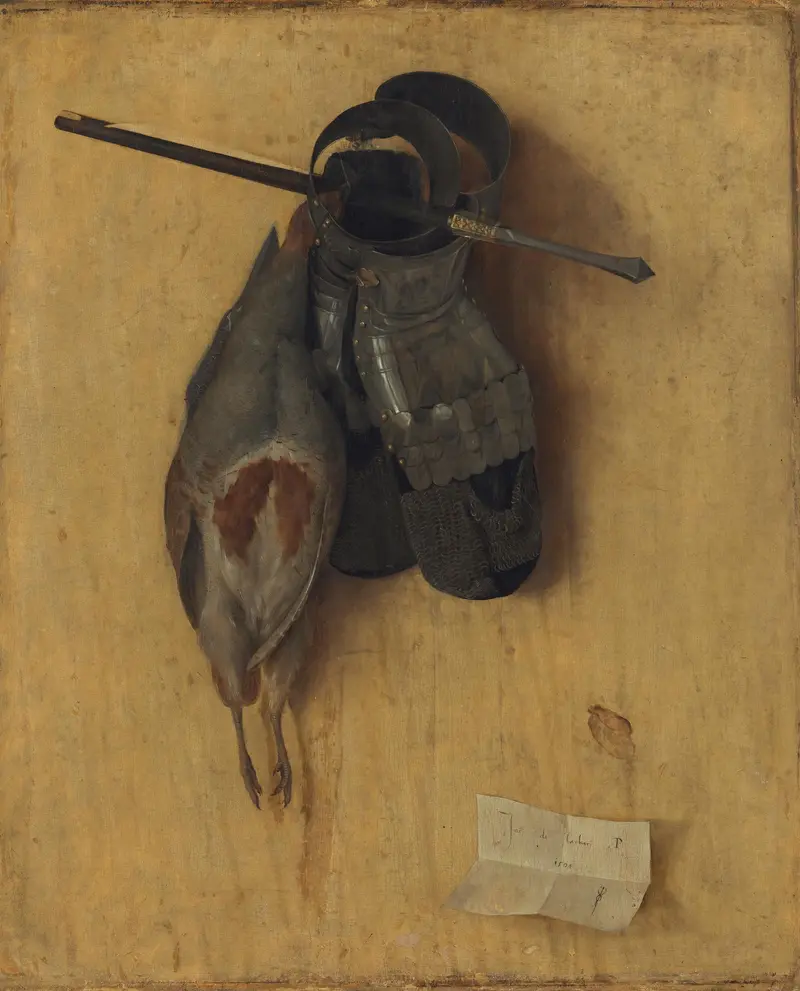
Pheasant — History & Facts
When Claude Monet painted Pheasant in 1869, he was still years away from the fame that would define his later life. What makes this work remarkable is its rarity: Monet rarely painted still lifes of game, and only a handful of such subjects exist in his oeuvre. Most of his contemporaries were busy with grand landscapes or scenes of modern life, but here, Monet turned his eye to a single pheasant, capturing it with the same attention to fleeting light that would later make him famous.
The painting stands as a quiet anomaly—a moment when the future leader of Impressionism paused to study the humble, motionless aftermath of the hunt. The pheasant lies on its side, feathers ruffled, its brilliant plumage rendered in quick, textured strokes. Monet chooses not to dramatize the hunt itself, but rather the calm after action: the bird’s body is illuminated by a soft, natural light, which pools on the table and highlights the iridescence of its feathers. There is no human presence, no gun or hand, only the silent testimony of the animal.
In this, Monet’s approach differs from the more theatrical still lifes of Jean-Baptiste-Siméon Chardin, whose game pieces often included elaborate props and dark, contemplative backgrounds. Monet’s focus is on the immediacy of perception—the way light glances off the bird, the subtle interplay of color and shadow—hinting at the innovations that would soon define Impressionism. The early history of Pheasant is not well documented, and its original patron, if any, remains unknown. Like many of Monet’s works from the late 1860s, it may have been painted for a local exhibition or for sale to private collectors in Paris, where still lifes of game were fashionable among the bourgeoisie.
The painting’s medium is uncertain—some sources suggest oil, but no definitive technical analysis has been published. Today, Pheasant is rarely seen in public, and its whereabouts are not widely reported, making it something of a hidden gem within Monet’s early catalog. Its existence offers a glimpse into the artist’s formative years, when he was still experimenting with subject and technique, laying the groundwork for his later, revolutionary work.
More Artworks by Claude Monet
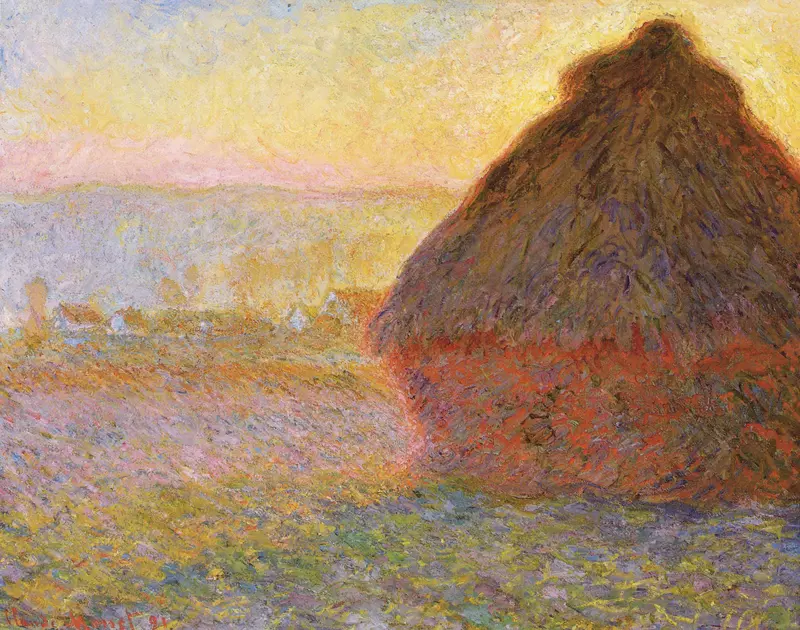
Grainstack (Sunset)
Claude Monet
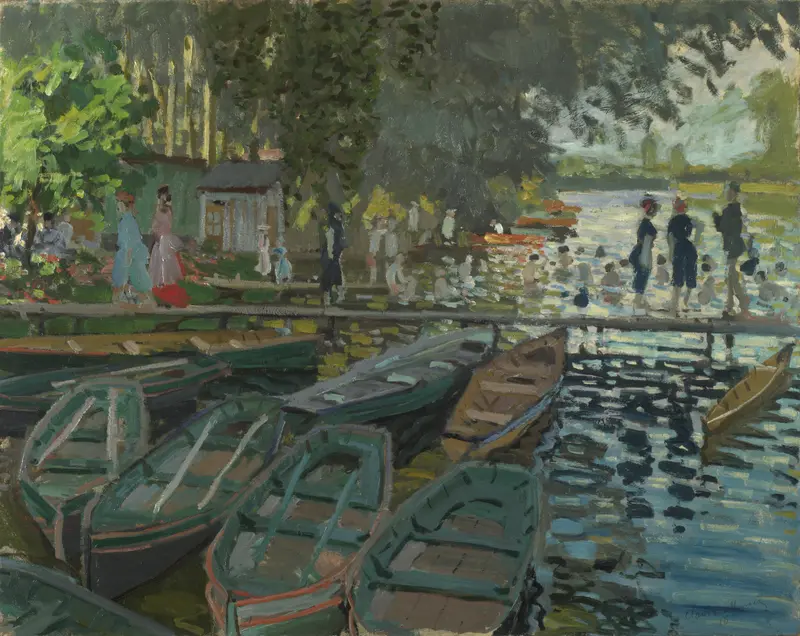
Bathers at La Grenouillère
Claude Monet
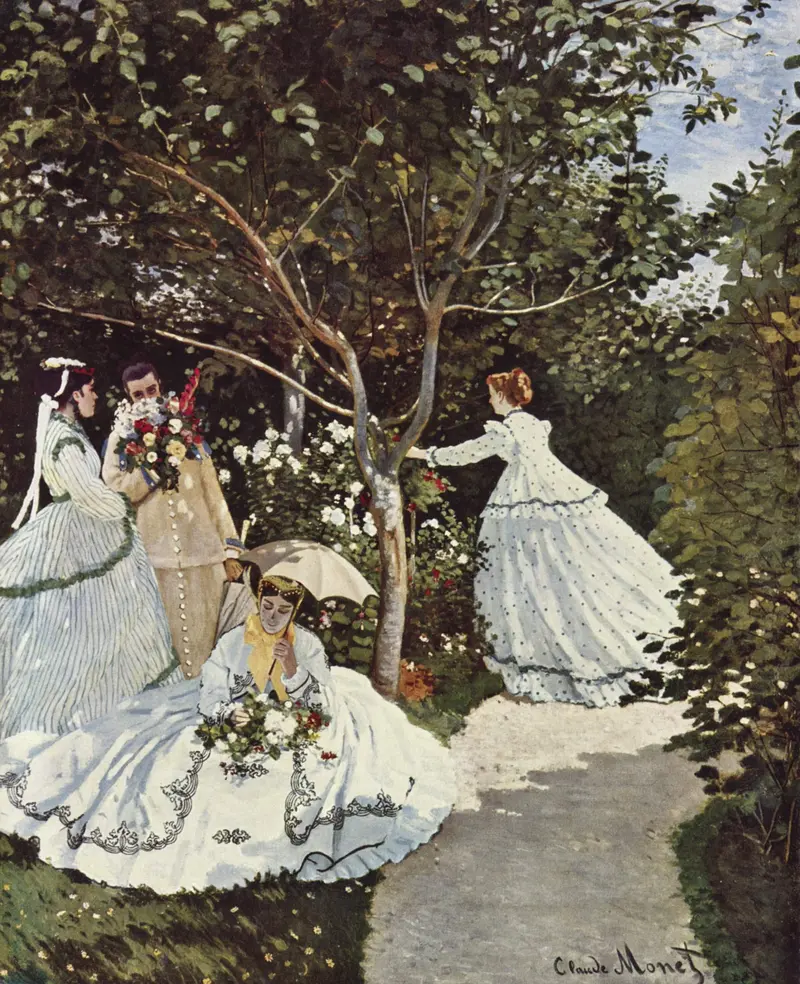
Women in the Garden
Claude Monet
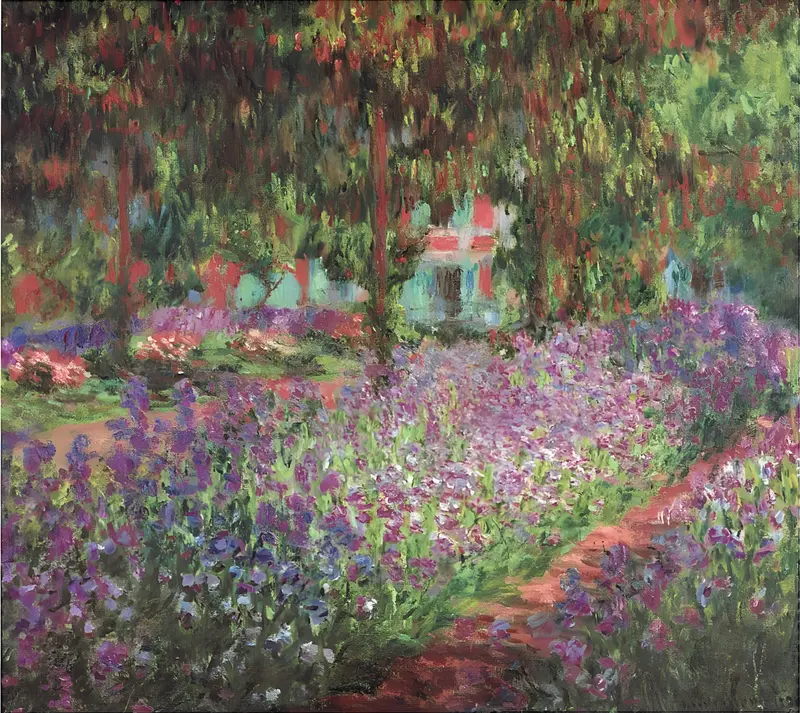
The Artist's Garden at Giverny
Claude Monet
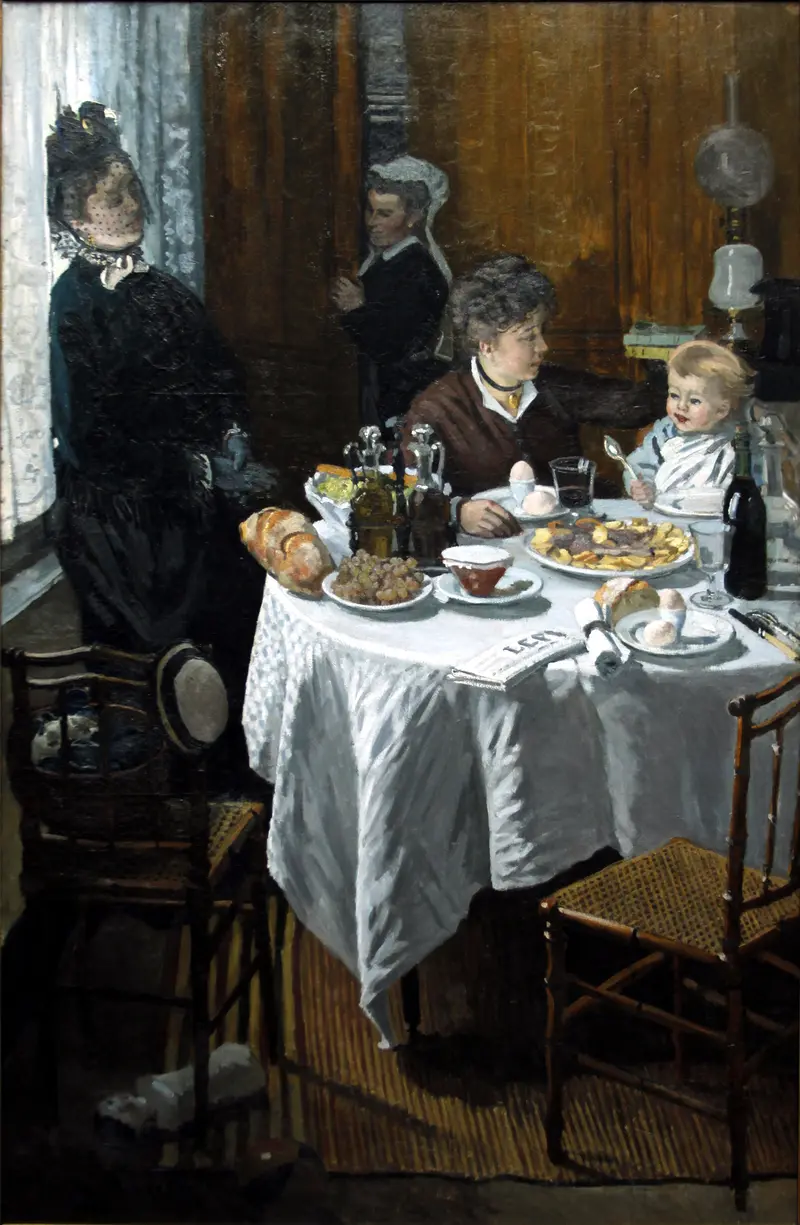
The Luncheon
Claude Monet
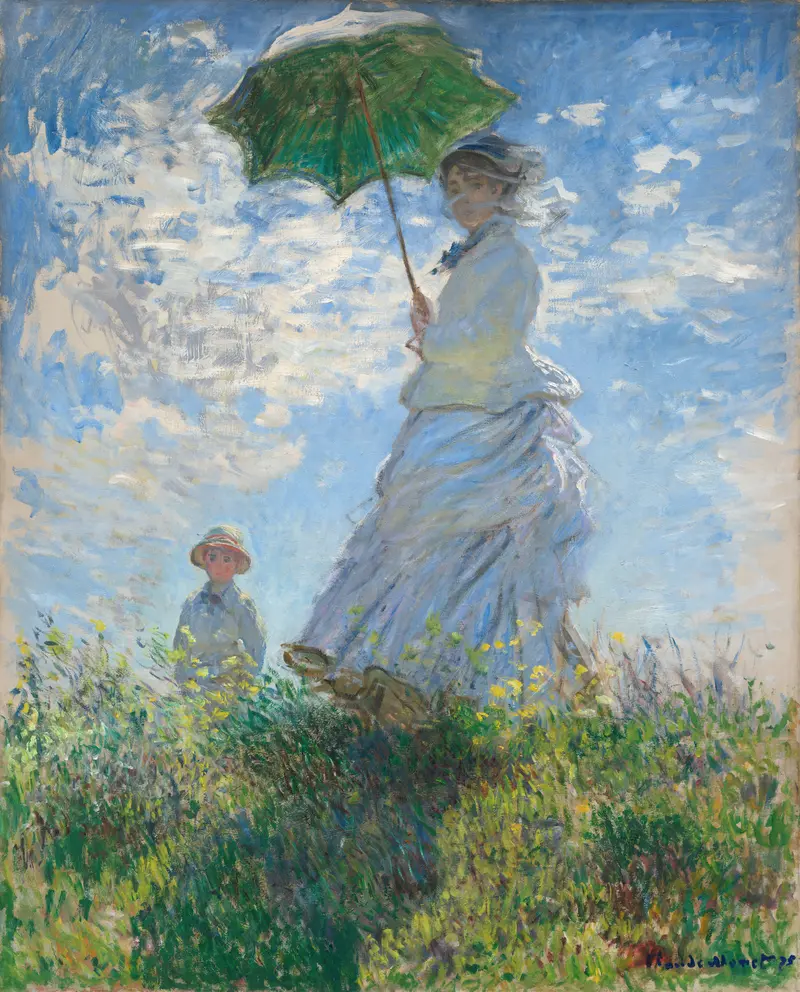
Woman with a Parasol – Madame Monet and Her Son
Claude Monet

The Gare Saint-Lazare
Claude Monet
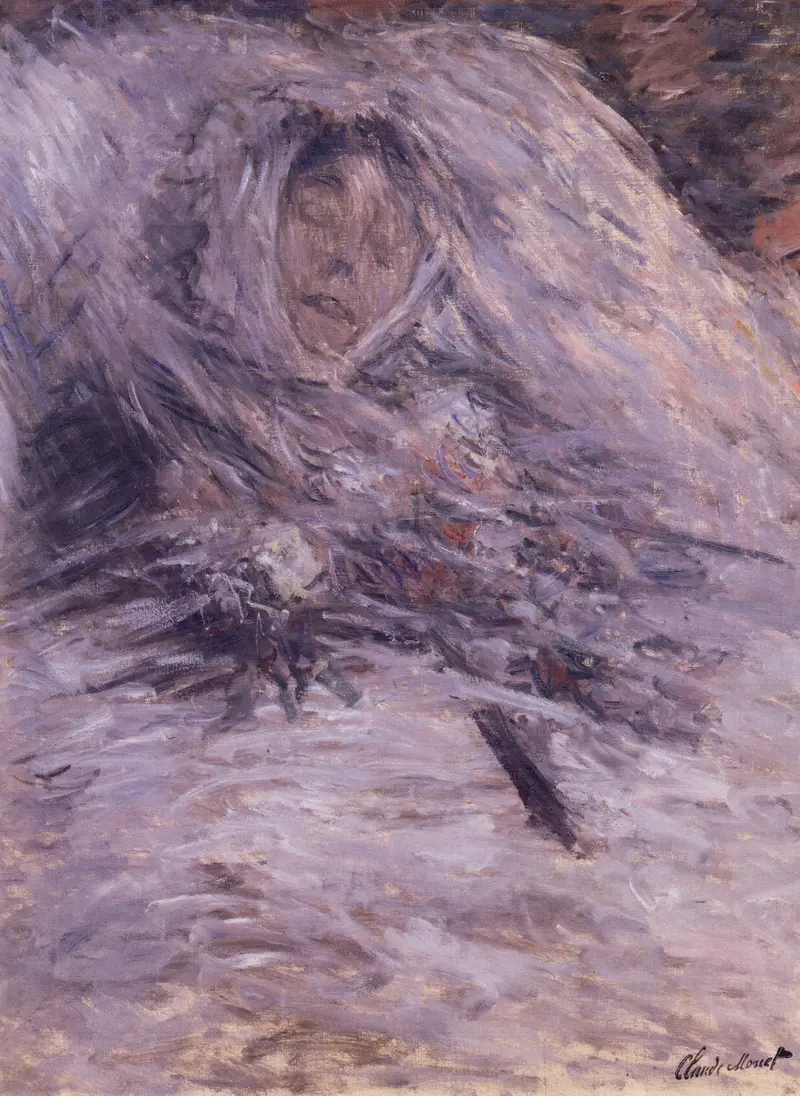
Camille Monet on Her Deathbed
Claude Monet
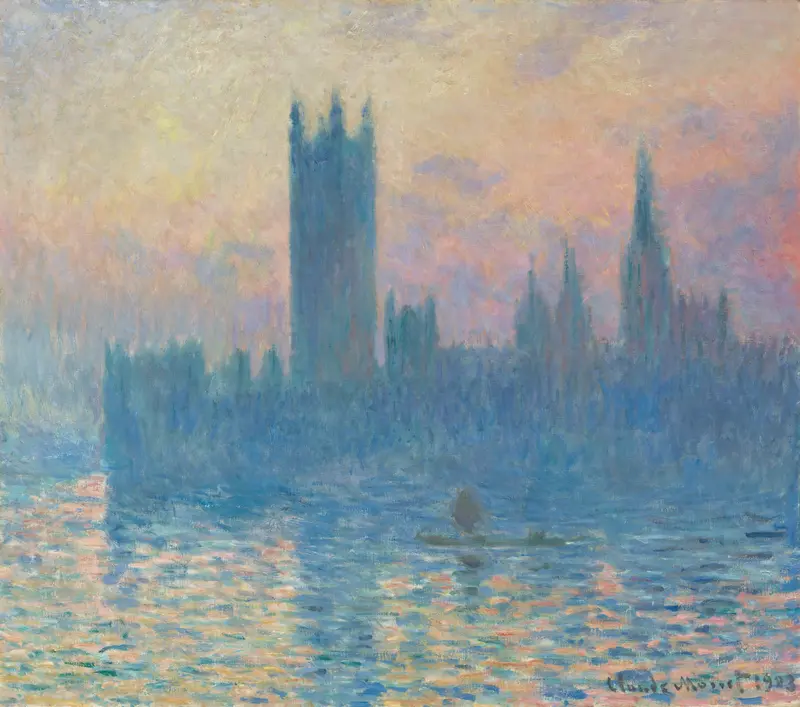
The Houses of Parliament, Sunset
Claude Monet
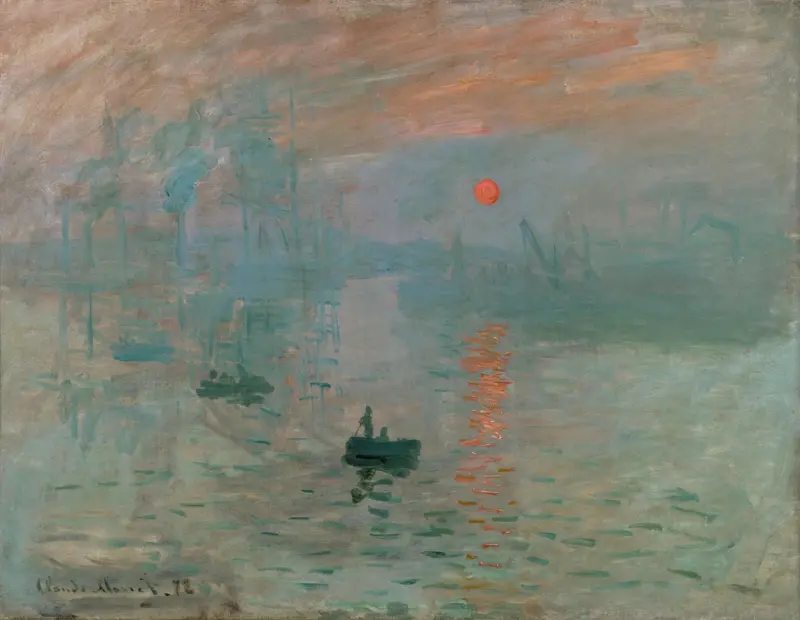
Impression, Sunrise
Claude Monet