
Picturesque views of American scenery – Title page — History & Facts
When did color learn to lie? The landscapes that promise serenity often conceal the complexities of time, memory, and illusion, beckoning us into their embrace while whispering secrets beneath their vibrant hues. Look to the foreground, where gentle undulations of rolling hills meet a crystalline sky. The artist employs a palette of soft greens and blues, evoking an idyllic American scenery that invites exploration. Notice how the light dances across the surface of a winding river, reflecting hues that seem to defy the natural world, drawing the eye deeper into this tapestry of tranquillity.
Each brushstroke serves to construct a picturesque vision, yet one can sense an undercurrent of longing, a challenge to decipher the reality behind the beauty. Hidden within this inviting tableau lies the tension of an era grappling with change. The harmonious colors and serene vistas may suggest solace, but they also hint at the encroaching industrialization that would soon alter these landscapes forever. Details like the distant mountains, shrouded in mist, evoke a sense of nostalgia, while the almost surreal clarity of the scene questions whether such perfection can ever truly exist, or if it's merely a fleeting illusion of time. In the years between 1819 and 1821, Shaw found himself immersed in a nation on the cusp of transformation.
Living in Pennsylvania, he painted amid an evolving artistic landscape that was beginning to embrace the romantic ideals of nature and Americana. This pivotal period witnessed the emergence of new artistic expressions, reflecting a society eager to define its identity against the backdrop of a changing world.
More Artworks by Joshua Shaw
Browse all →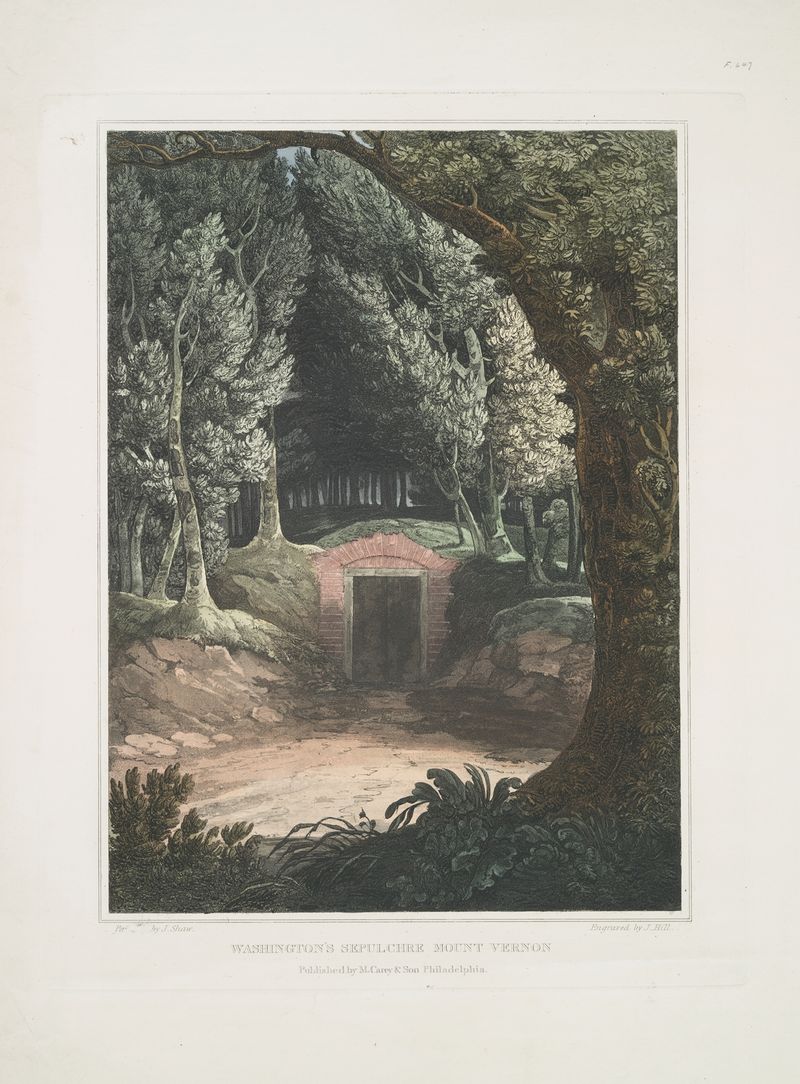
Washington’s sepulchre, Mount Vernon
Joshua Shaw
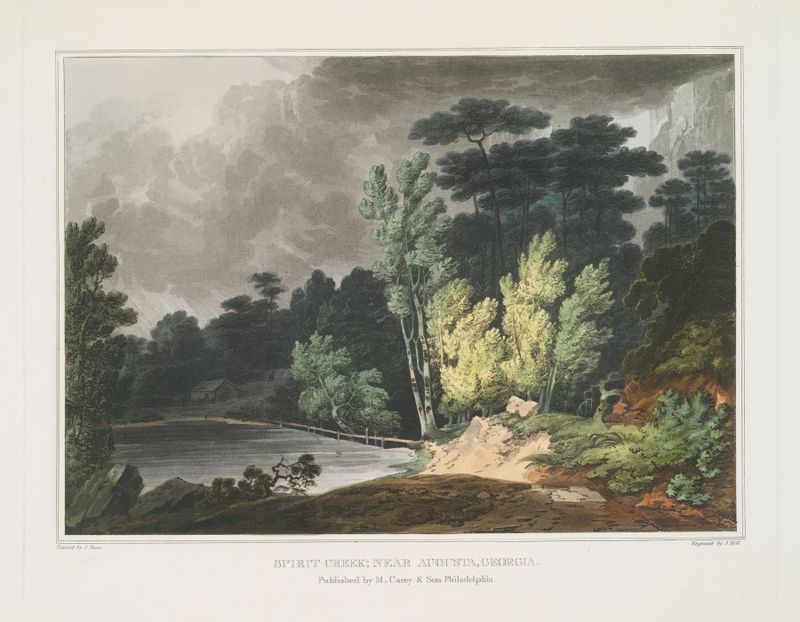
Spirit Creek, near Augusta, Georgia
Joshua Shaw
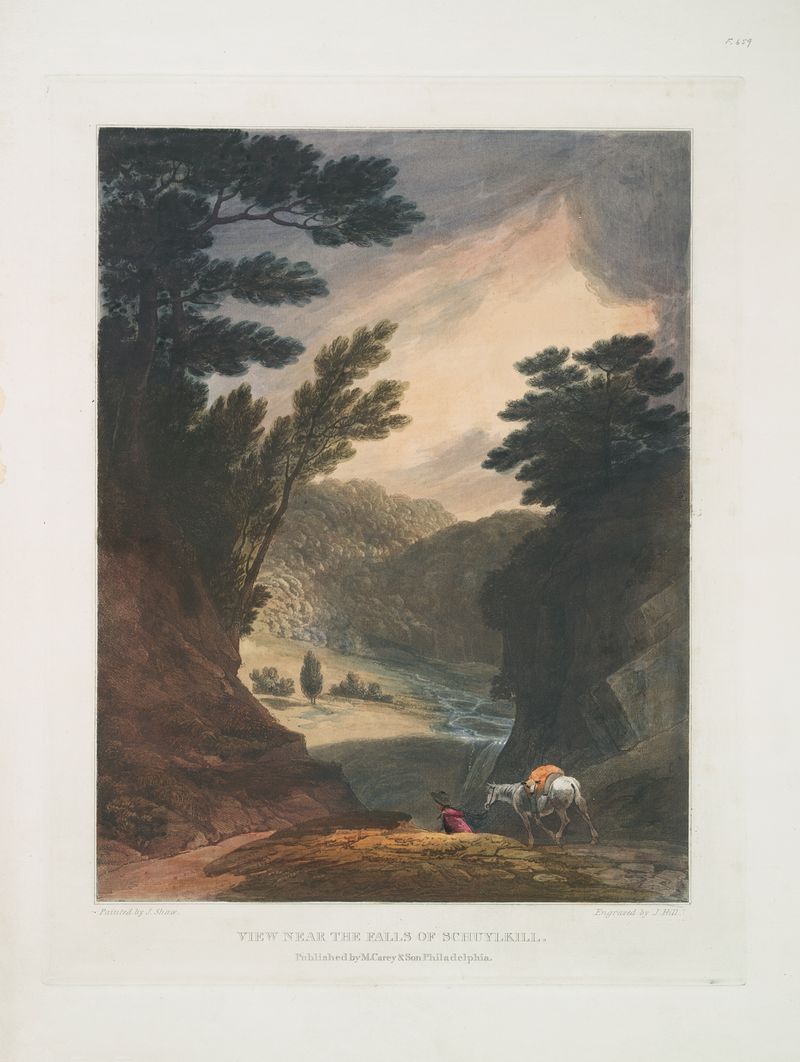
View near the Falls of Schuylkill
Joshua Shaw
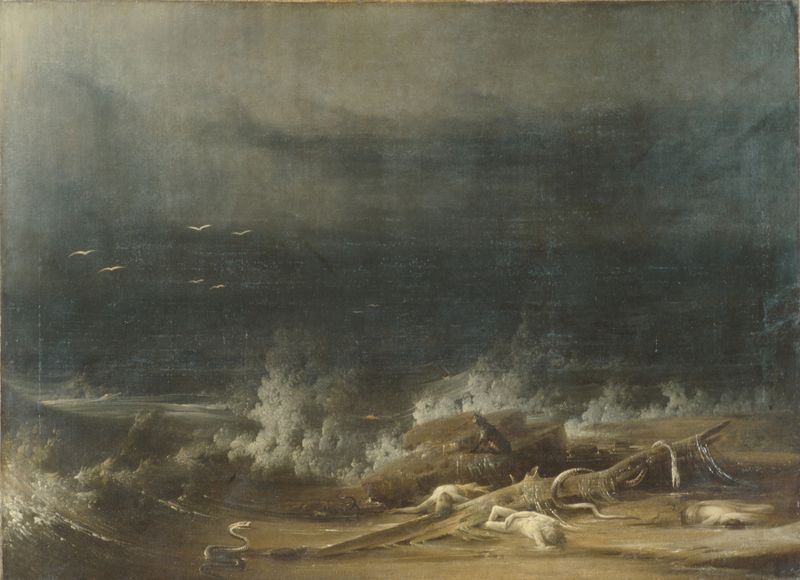
The Deluge towards Its Close
Joshua Shaw
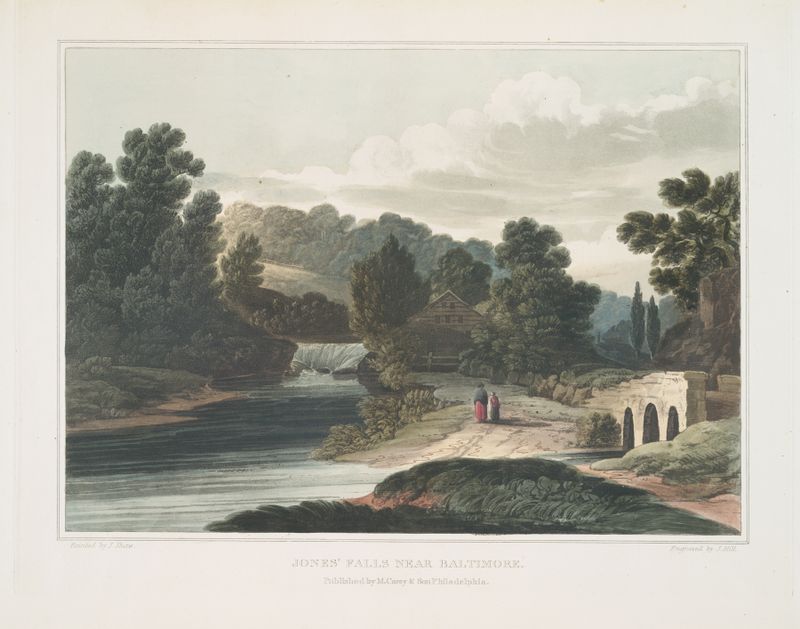
Jones’ Falls near Baltimore
Joshua Shaw
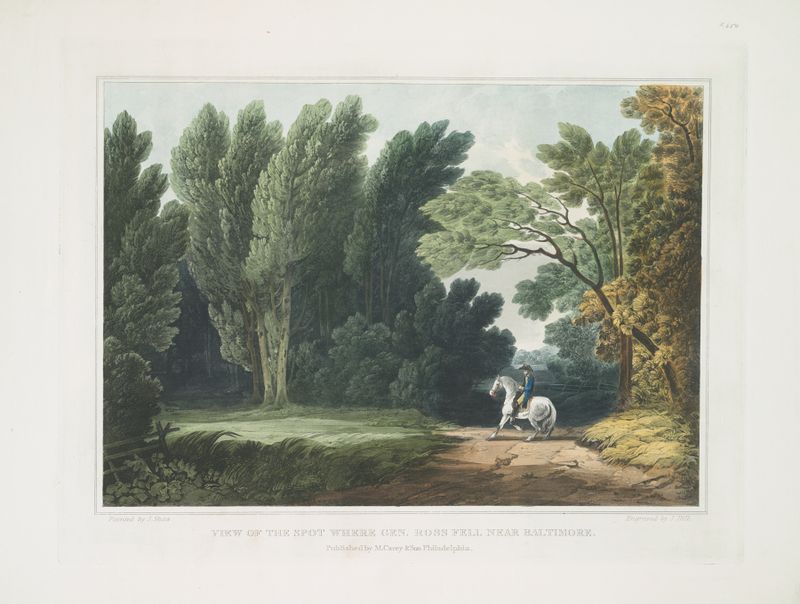
View of the spot where Gen. Ross fell near Baltimore
Joshua Shaw
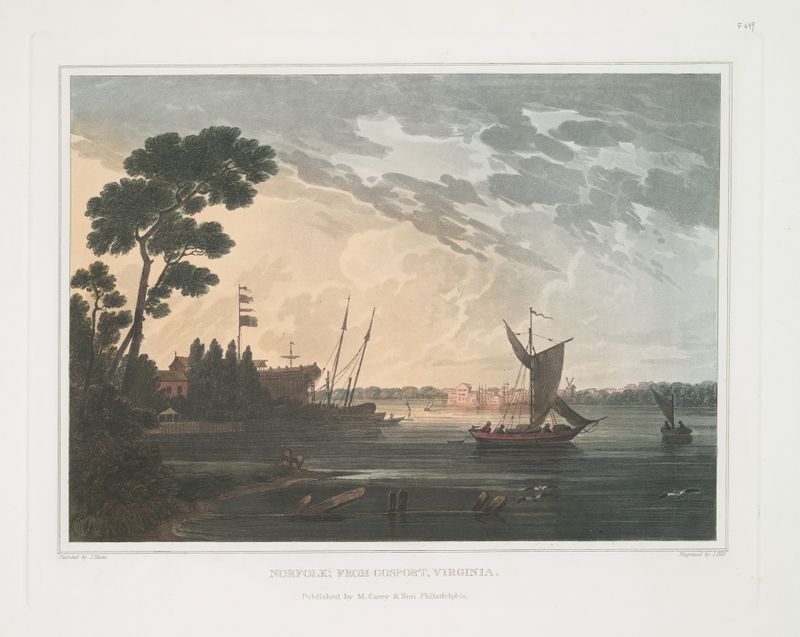
Norfolk, from Gosport, Virginia
Joshua Shaw
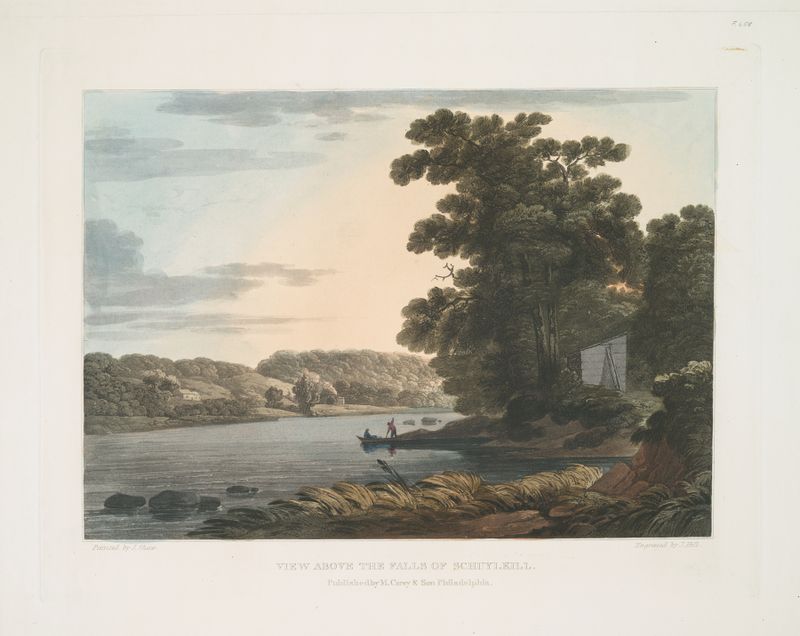
View above the Falls of Schuylkill
Joshua Shaw
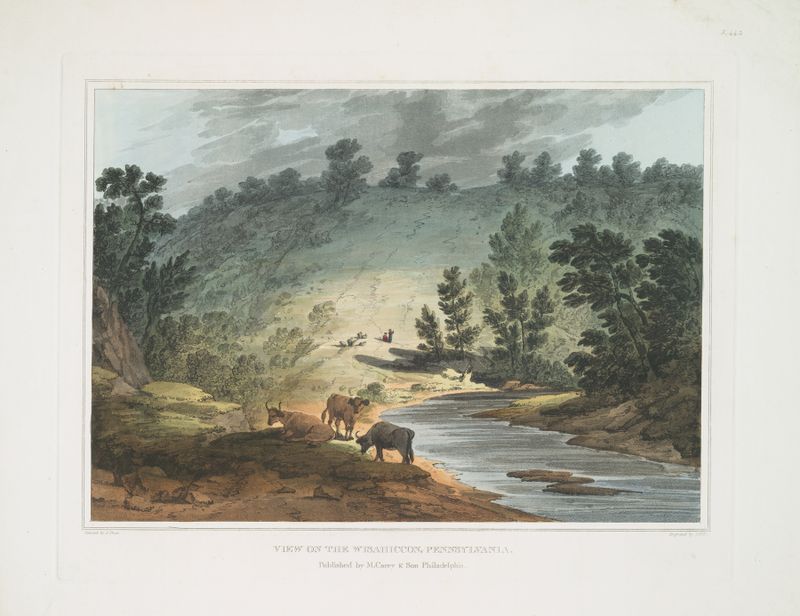
View on the Wisahiccon, Pennsylvania
Joshua Shaw
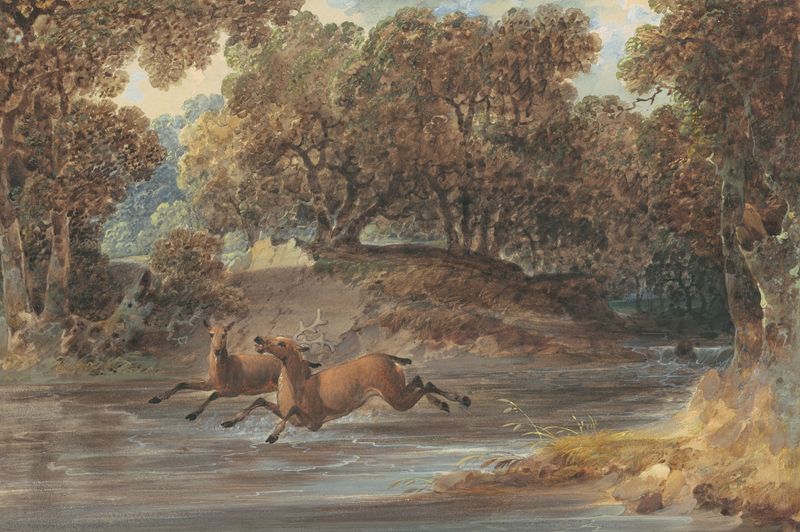
Landscape with Deer,North Carolina
Joshua Shaw





