
Pilatus wast zijn handen in onschuld — History & Facts
In the stillness of the moment, a profound revelation hangs in the air, inviting contemplation of guilt and innocence. The tension between the human condition and divine judgment is palpable, as figures stand frozen in a tableau that resonates with timeless themes of moral conflict. Focus on the figure of Pontius Pilate, prominently placed at the center, his expressive gestures revealing both uncertainty and authority. Notice how the light falls upon his hands, elegantly poised in a gesture of washing – a symbolic act of renunciation.
The muted color palette, dominated by earthy tones, reflects the somber gravity of the narrative unfolding, while the intricate details in the drapery and the expressions of the surrounding figures draw you deeper into the emotional landscape. The juxtaposition of Pilate's calculated detachment and the palpable anxiety of the crowd conveys a rich tapestry of human emotions. Each witness in the scene embodies a different facet of the moral dilemma, from fear to defiance, amplifying the sense of collective guilt. The painting suggests that absolution is often entangled with the weight of consequences, revealing how every choice reverberates through time. Albrecht Dürer created this work in 1512 during a period of intense artistic evolution in Europe.
It was a time when humanism was reshaping society's view of individuality and moral responsibility. The artist, already acclaimed for his mastery in printmaking and painting, was exploring the intersection of art and philosophy, a reflection of the complex cultural landscape of the Renaissance that sought to grapple with the profound questions of faith and ethics.
More Artworks by Albrecht Dürer
Browse all →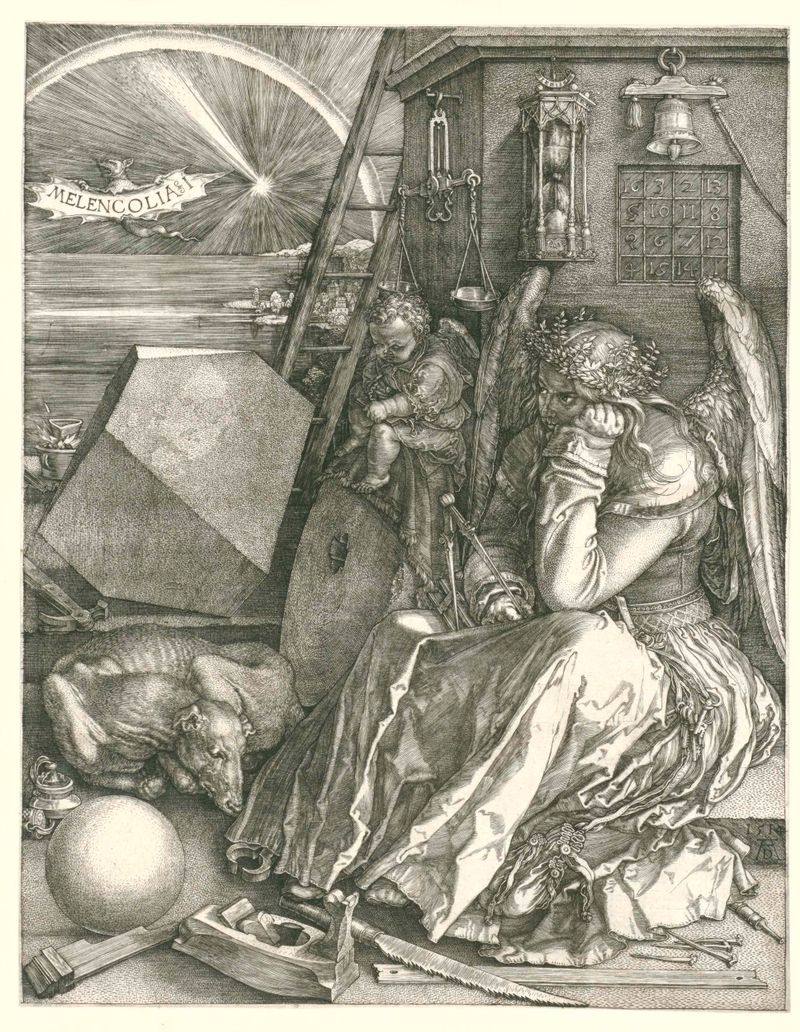
Melancholia
Albrecht Dürer
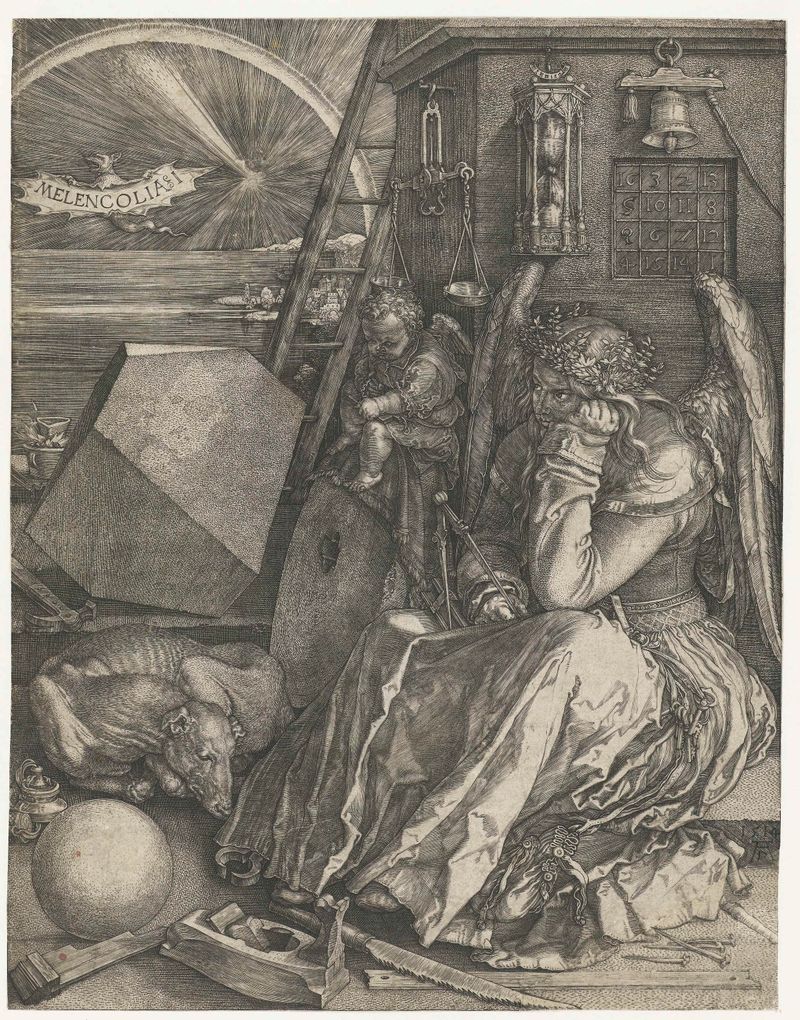
Melancholie
Albrecht Dürer
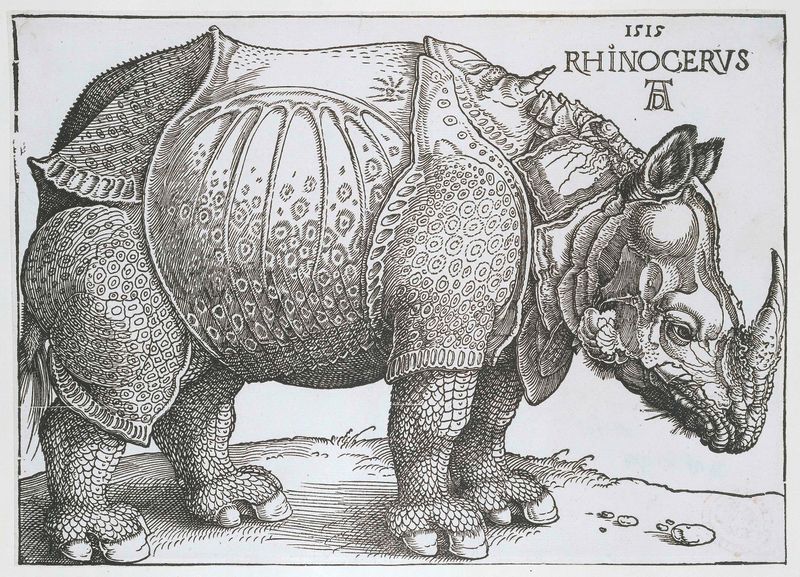
Neushoorn
Albrecht Dürer
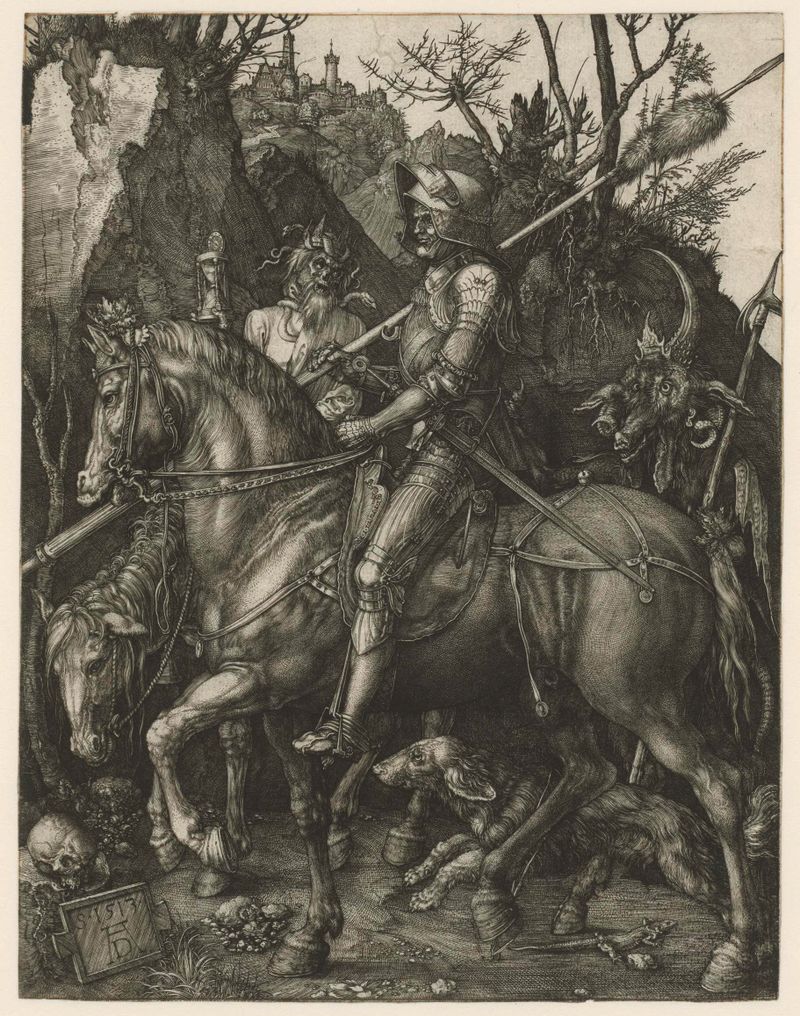
Knight, Death, and the Devil
Albrecht Dürer

De vier ruiters van de apocalyps
Albrecht Dürer

De vier ruiters van de apocalyps
Albrecht Dürer
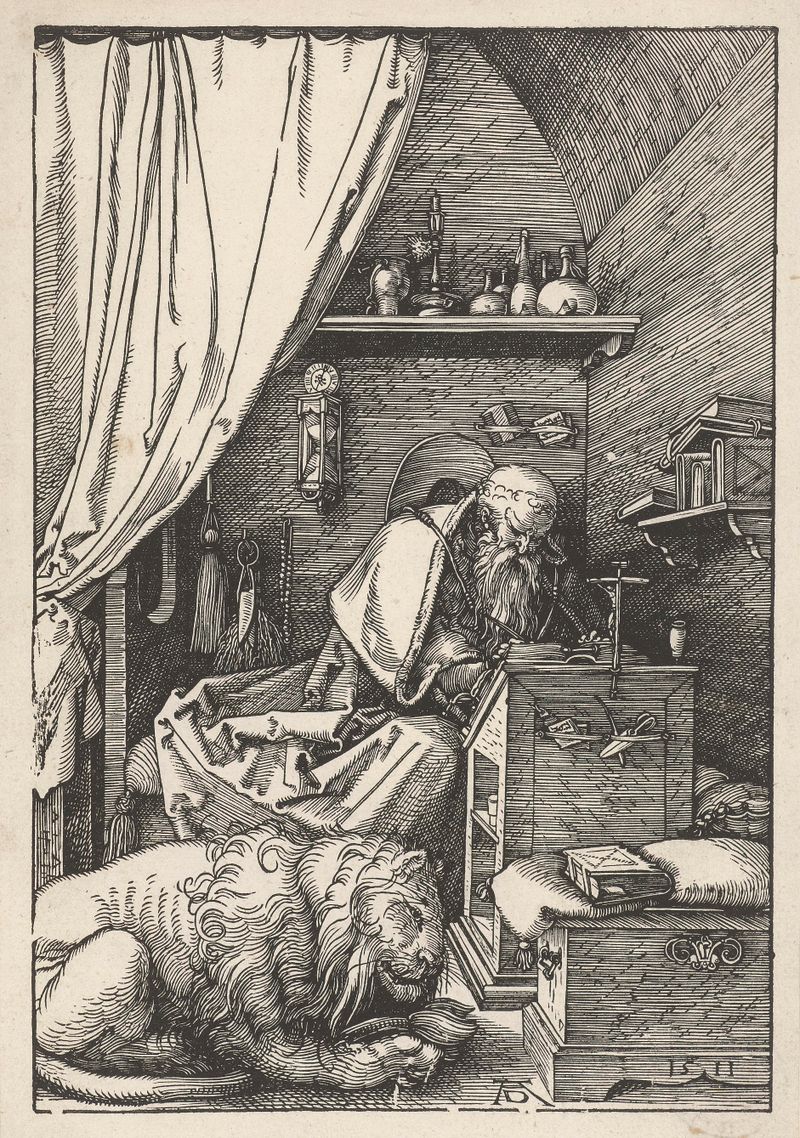
De Heilige Hiëronymus in zijn studeervertrek
Albrecht Dürer
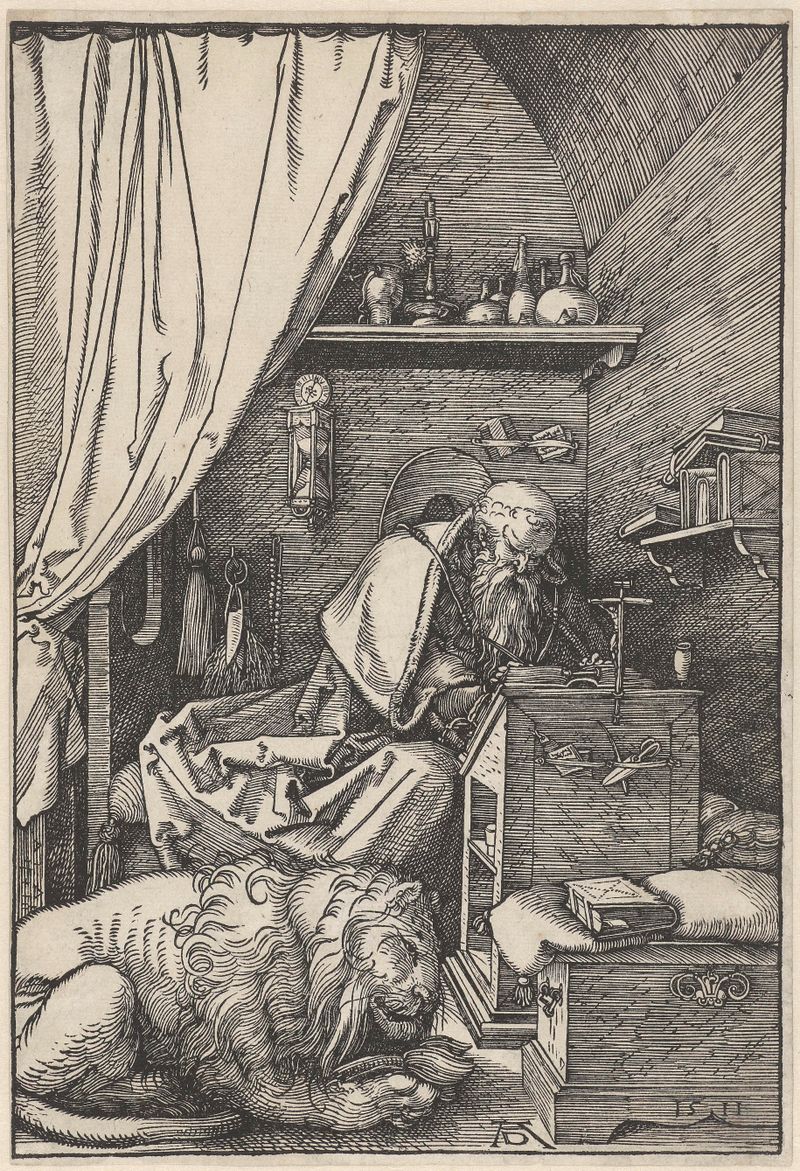
De Heilige Hiëronymus in zijn studeervertrek
Albrecht Dürer
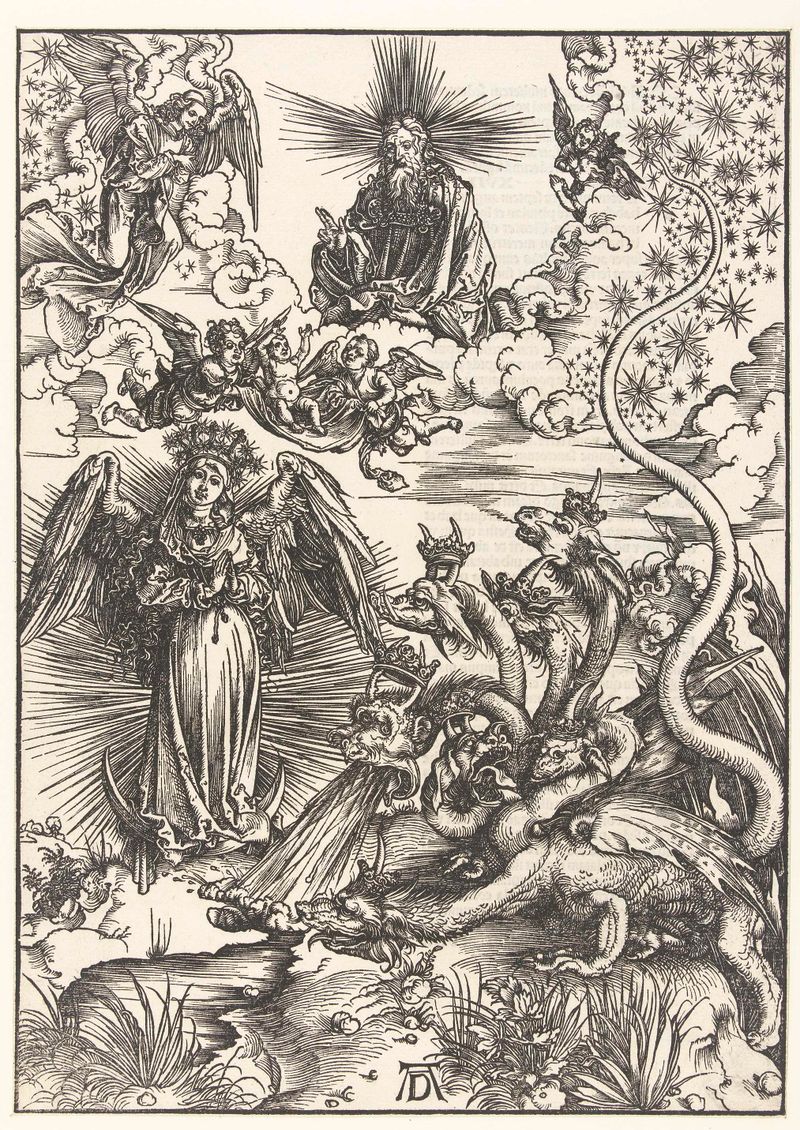
De apocalyptische vrouw en de zevenkoppige draak
Albrecht Dürer
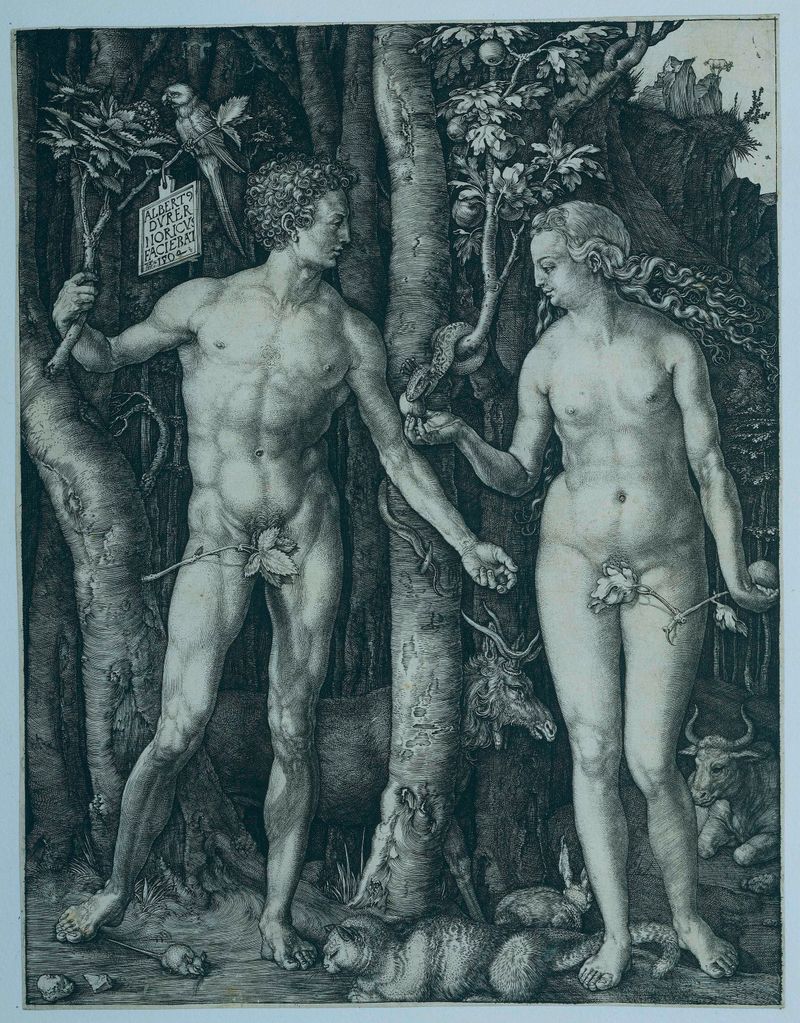
Adam en Eva
Albrecht Dürer
More Religious Art
Browse all →
The Return of the Prodigal Son
Rembrandt van Rijn

The Garden of Earthly Delights
El Bosco

Count Orgaz’ funeral
El Greco

The Hundred Guilder Print: the central piece with Christ preaching, the plate arched
Rembrandt van Rijn

The Descent from the Cross
Rogier van der Weyden

The return of the prodigal son
Rembrandt van Rijn