
Pilatus wast zijn handen in onschuld — History & Facts
Can paint confess what words never could? In the quiet tension of Pilatus wast zijn handen in onschuld, fear hangs palpably in the air, a silent witness to the unfolding drama. Look to the center of the composition where Pilate stands, his expression a complex interplay of resignation and dread. The stark contrasts between deep shadows and the pale wash of light emphasize his conflicted nature. Notice how Dürer’s intricate lines and meticulous detail in the figures surrounding Pilate draw your gaze outward, mirroring the chaotic emotions swirling within him, as if the very gravity of the moment threatens to pull them all into despair. The painting encapsulates the weight of moral ambiguity.
Pilate, by washing his hands, attempts to absolve himself, yet his eyes betray a deeper turmoil, hinting at the futility of his actions. The onlookers—some horrified, others indifferent—reflect a society grappling with its own complicity in injustice. Each figure is a thread in the fabric of the narrative, weaving a collective consciousness that questions the nature of guilt and innocence. Created in 1509, this work emerged during a tumultuous period in the artist's life.
Dürer was deeply engaged with the humanist ideals and the revival of classical antiquity, while simultaneously contending with emerging Protestant thoughts that challenged traditional norms. This painting illustrates not just a biblical moment, but also the existential anxieties of an artist striving to understand the human condition amidst the shifting tides of his era.
More Artworks by Albrecht Dürer
Browse all →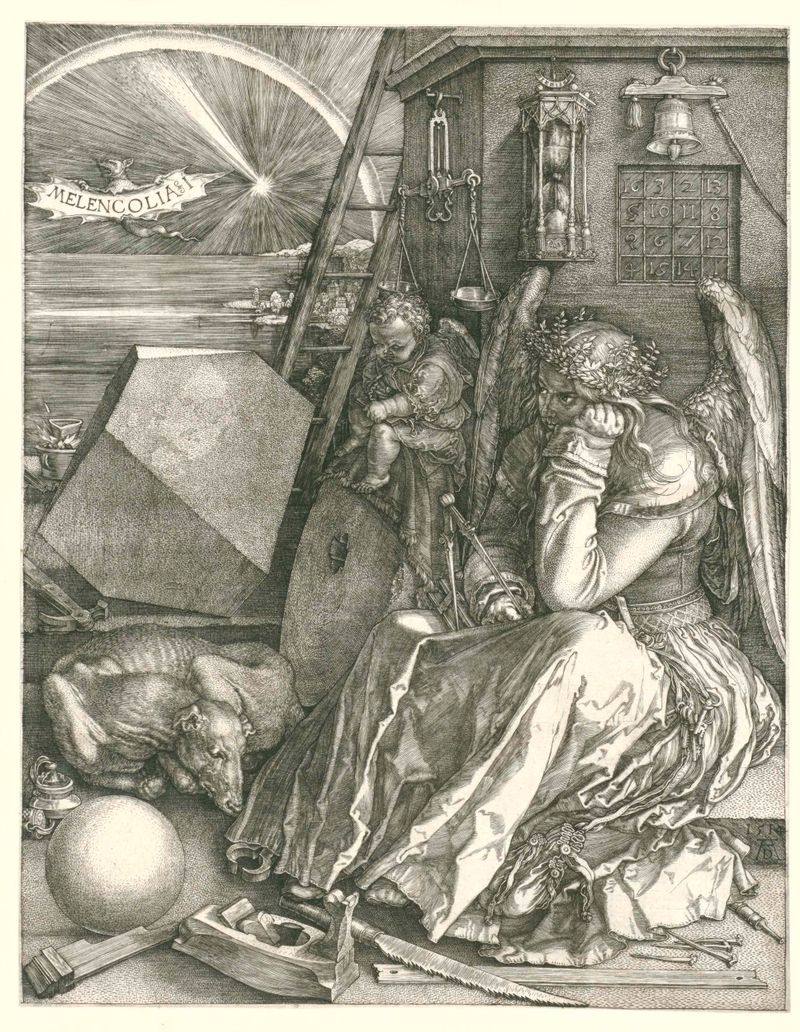
Melancholia
Albrecht Dürer
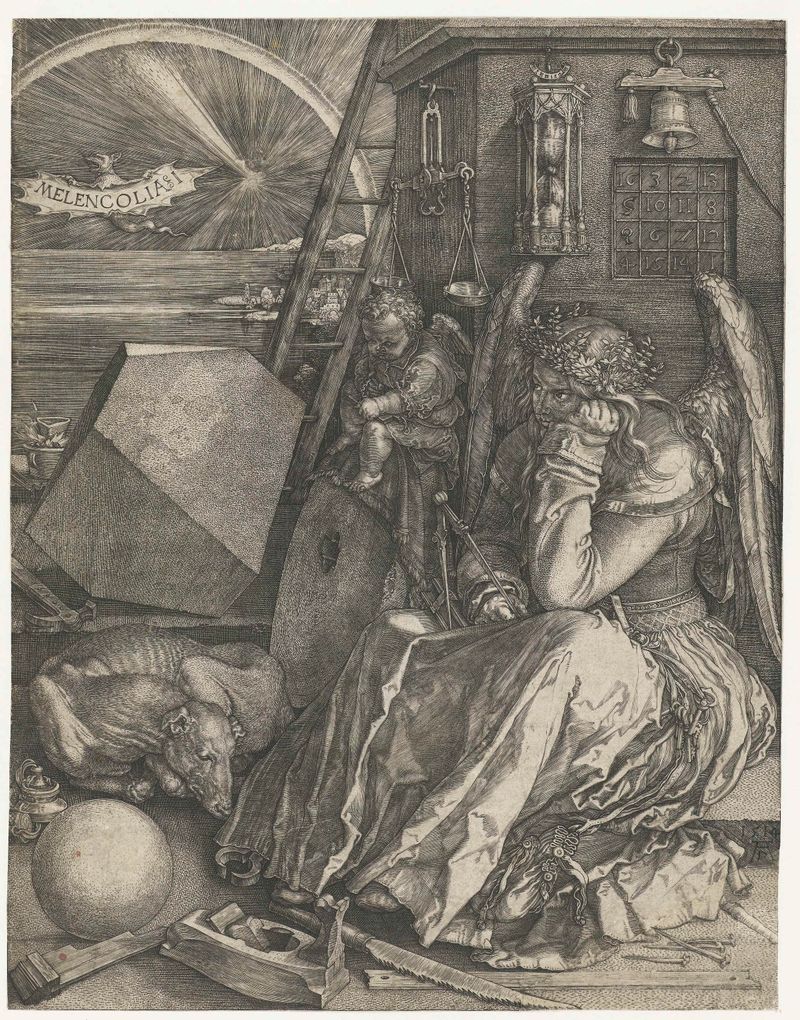
Melancholie
Albrecht Dürer
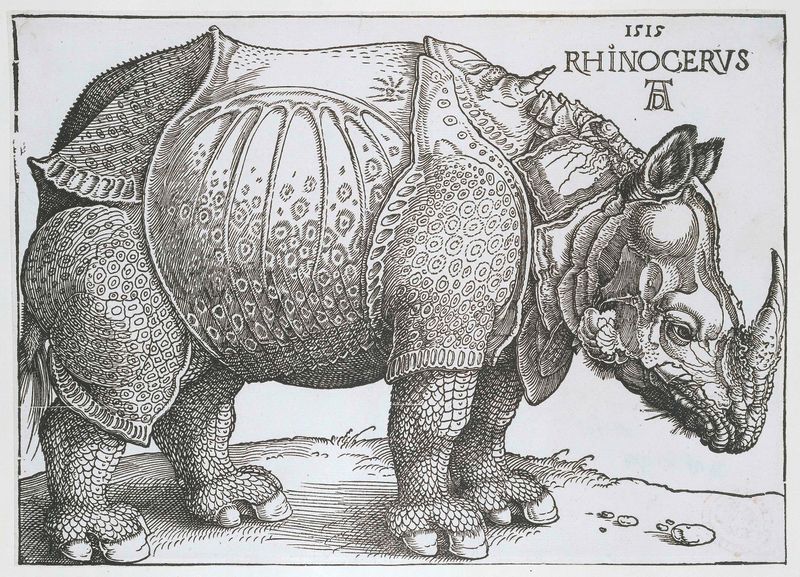
Neushoorn
Albrecht Dürer
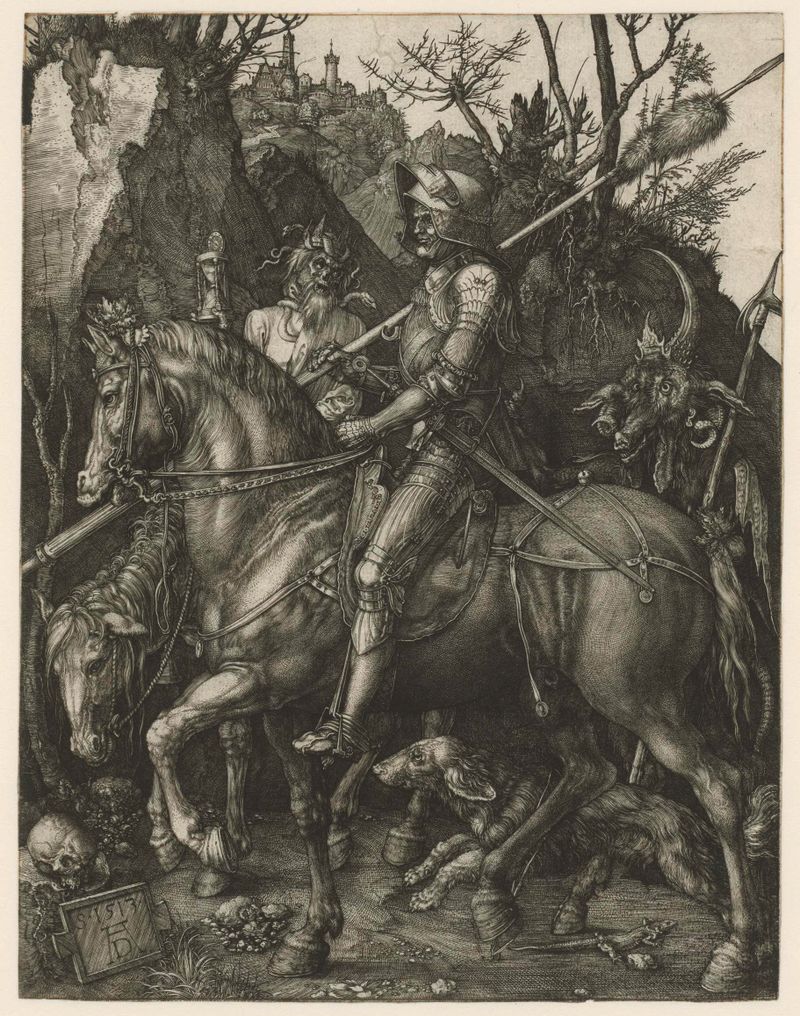
Knight, Death, and the Devil
Albrecht Dürer

De vier ruiters van de apocalyps
Albrecht Dürer

De vier ruiters van de apocalyps
Albrecht Dürer
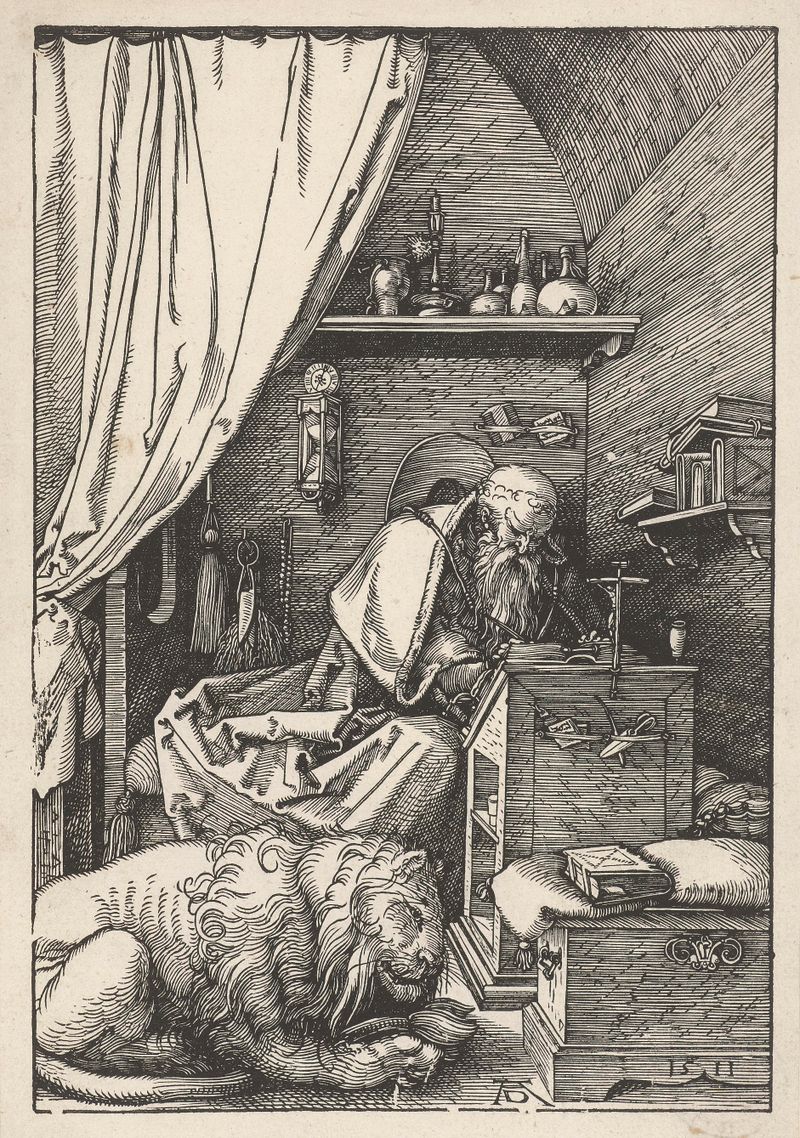
De Heilige Hiëronymus in zijn studeervertrek
Albrecht Dürer
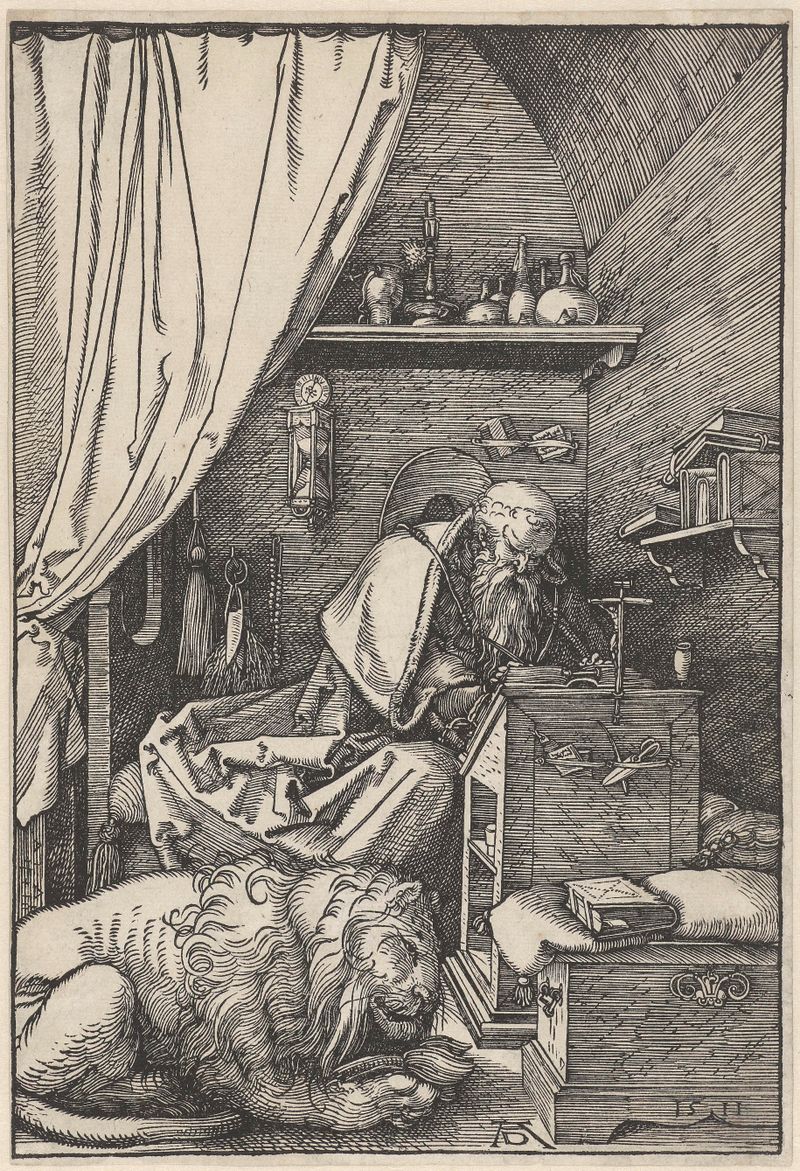
De Heilige Hiëronymus in zijn studeervertrek
Albrecht Dürer
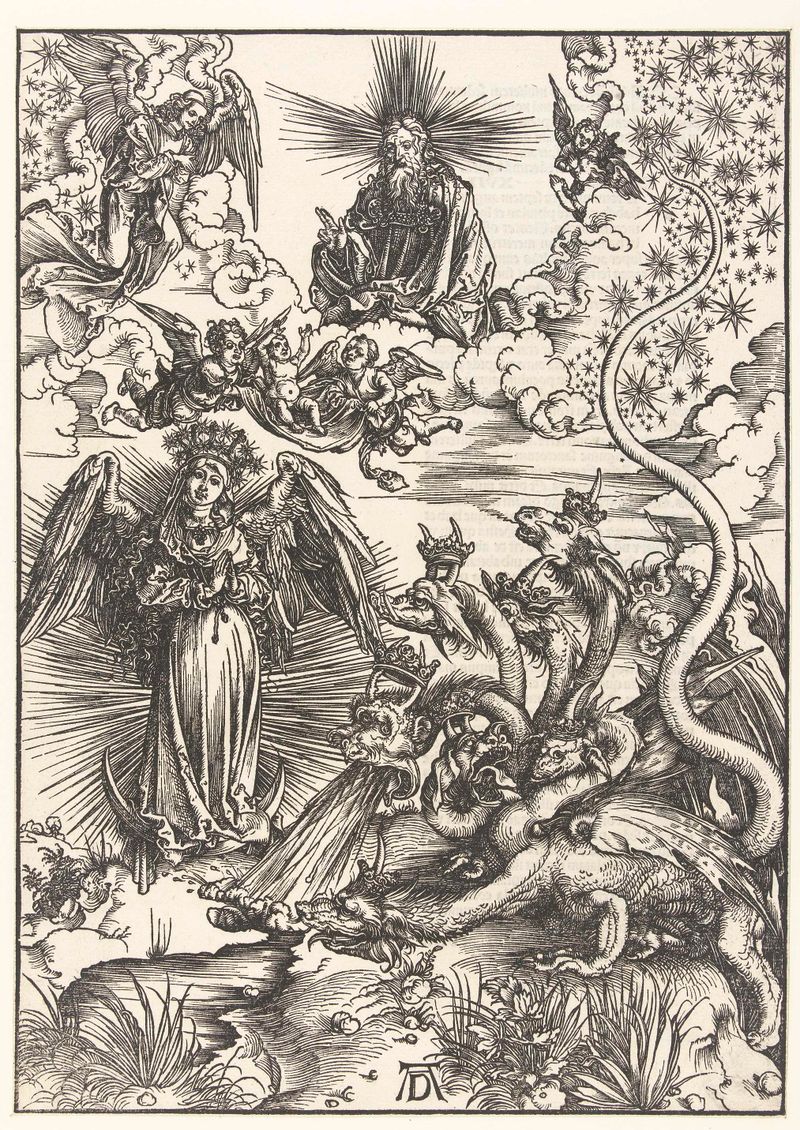
De apocalyptische vrouw en de zevenkoppige draak
Albrecht Dürer
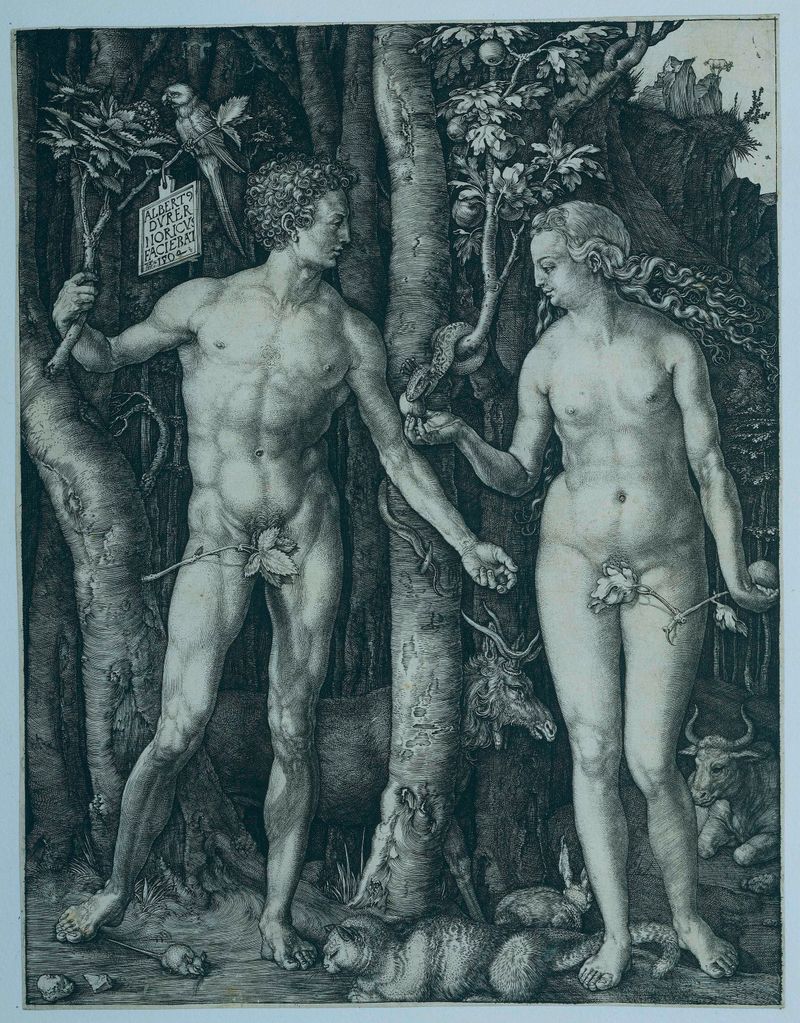
Adam en Eva
Albrecht Dürer
More Religious Art
Browse all →
The Return of the Prodigal Son
Rembrandt van Rijn

The Garden of Earthly Delights
El Bosco

Count Orgaz’ funeral
El Greco

The Hundred Guilder Print: the central piece with Christ preaching, the plate arched
Rembrandt van Rijn

The Descent from the Cross
Rogier van der Weyden

The return of the prodigal son
Rembrandt van Rijn