
Pine Trees and Castle in a Landscape — History & Facts
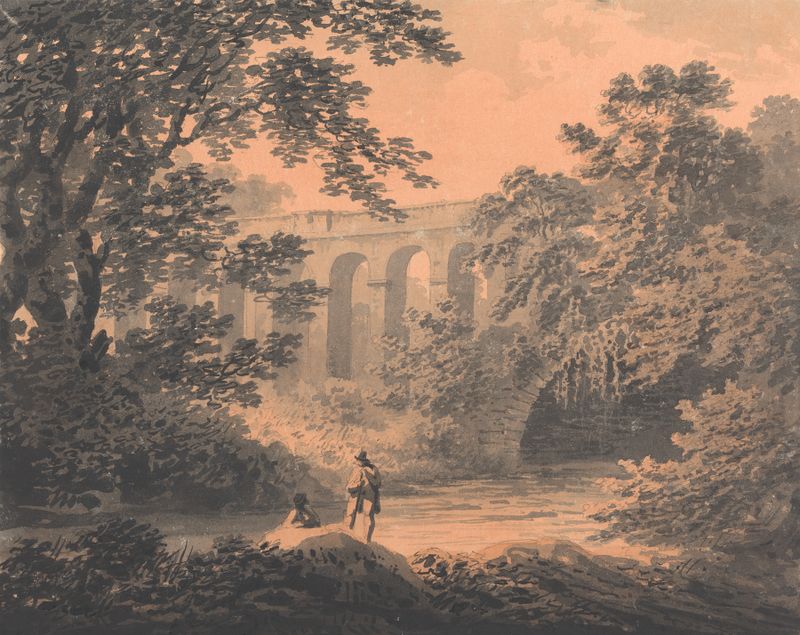
In a world so often driven by fleeting moments, the legacy of nature and architecture stands stark and eternal. Look to the center of the canvas, where the castle rises majestically against a backdrop of vibrant pine trees. The earthy greens and deep browns blend seamlessly, beckoning the viewer to explore the depths of the forest surrounding this stronghold. Notice how the soft brushstrokes capture the stillness, almost as if the scene breathes with life.
The play of light filtering through the foliage creates a dance of shadow and illumination, inviting contemplation of the relationship between manmade structures and the wild. Yet, the painting tells a more intricate tale. The juxtaposition of the castle's rigid lines against the gentle undulations of the trees suggests a tension between human perseverance and nature’s resilience. Each pine stands like a sentinel, hinting at the passage of time and the enduring legacy of both the landscape and the fortress.
The viewer can sense a nostalgia woven into the fabric of the scene, evoking questions of permanence in a rapidly changing world. Between 1762 and 1783, William Gilpin created Pine Trees and Castle in a Landscape, a work that reflects the artist's fascination with the sublime beauty of nature intertwined with human endeavor. This period was marked by a growing interest in the picturesque, and Gilpin played a pivotal role in shaping that movement. His experiences in the English countryside, combined with the cultural shifts of the time, pushed him to explore how art could bridge memory and experience, ultimately influencing future generations of landscape painters.
More Artworks by William Gilpin
Browse all →
Bridgnorth Bridge, Shropshire
William Gilpin
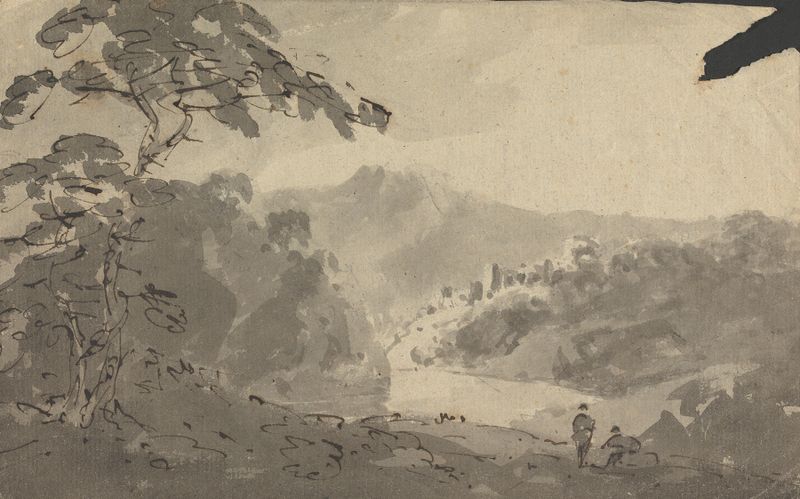
Two Men Looking Into Landscape with Castle, River and Mountain Scene
William Gilpin
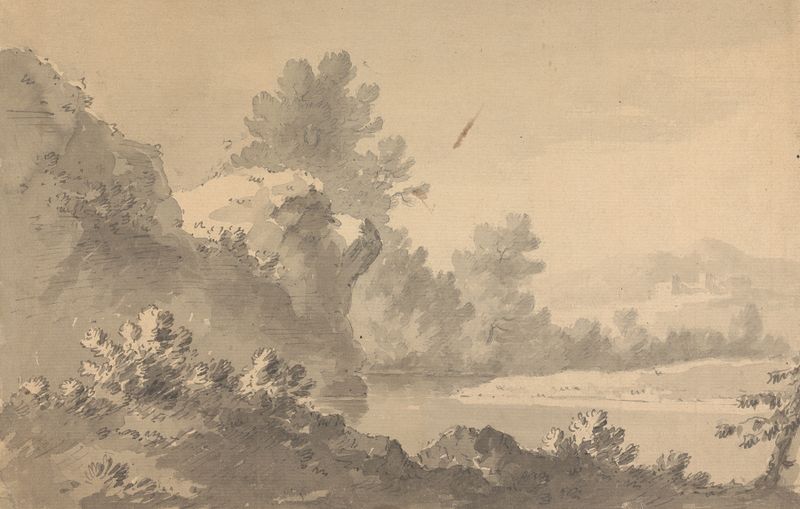
River Landscape with Castle in the Distance
William Gilpin
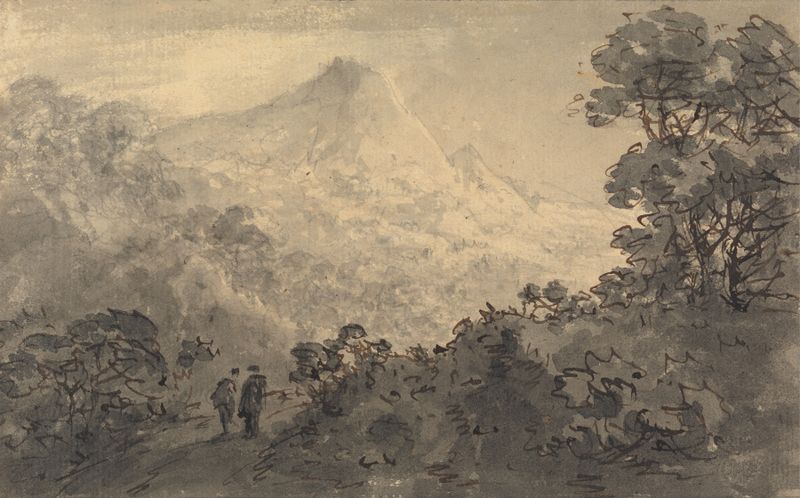
Snowdon
William Gilpin

Hilly Landscape
William Gilpin
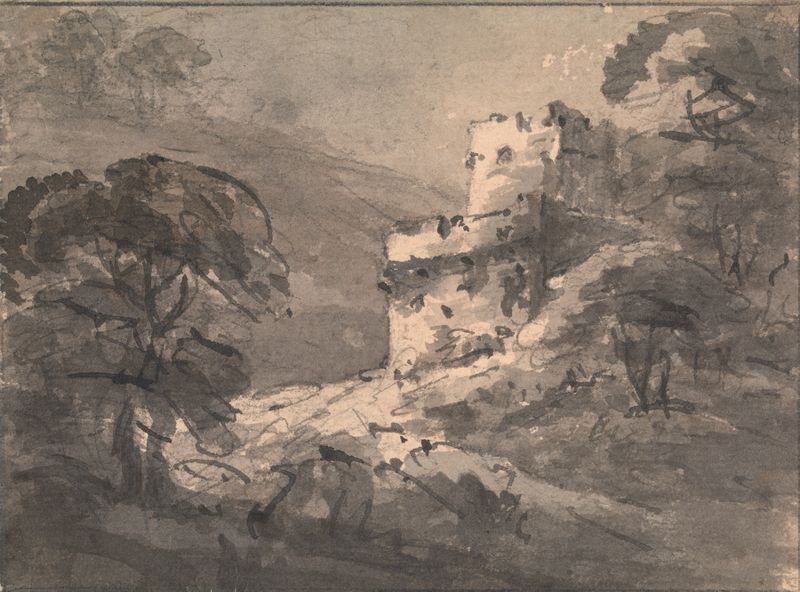
Landscape with a Ruined Castle on the Right
William Gilpin

Mountainous Landscape with Trees – High Crags to the Right
William Gilpin

View of Castle Ruin
William Gilpin
Bridge on the Malton Road from York
William Gilpin

Landscape with Two Trees and Castle
William Gilpin





