Discover insights about this artwork
Pines and Rocks — History & Facts
In Pines and Rocks, the viewer is greeted by a vibrant landscape dominated by tall pines and rugged rocks. The colors are rich and varied, with deep greens and earthy browns creating a sense of depth. The composition is lively, with the trees standing tall against the rocky backdrop.
This scene captures the essence of nature in a way that feels both familiar and unique. Cézanne employs a technique of short, visible brushstrokes that add texture and movement to the painting. The layering of colors creates a dynamic interplay of light and shadow, enhancing the three-dimensionality of the landscape. The use of perspective draws the viewer's eye into the scene, inviting them to explore the details.
This work exemplifies Cézanne's departure from traditional representation towards a more personal interpretation of nature. Paul Cézanne was a pivotal figure in the transition from 19th-century Impressionism to the 20th-century modern art movement. Pines and Rocks reflects his interest in the structure and form of the landscape, which he often painted en plein air. An interesting fact about this work is that it showcases his unique approach to color and composition, which would later influence many modern artists, including Picasso and Matisse.
More Artworks by Paul Cézanne
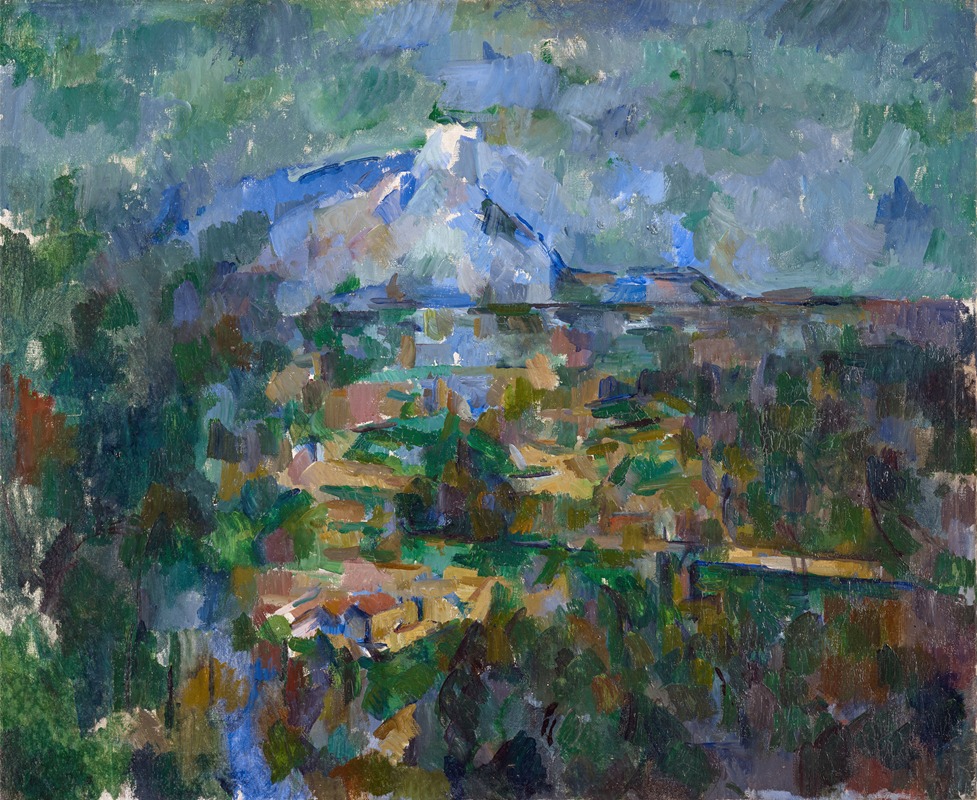
The Mont Sainte-Victoire Seen From Les Lauves
Paul Cézanne
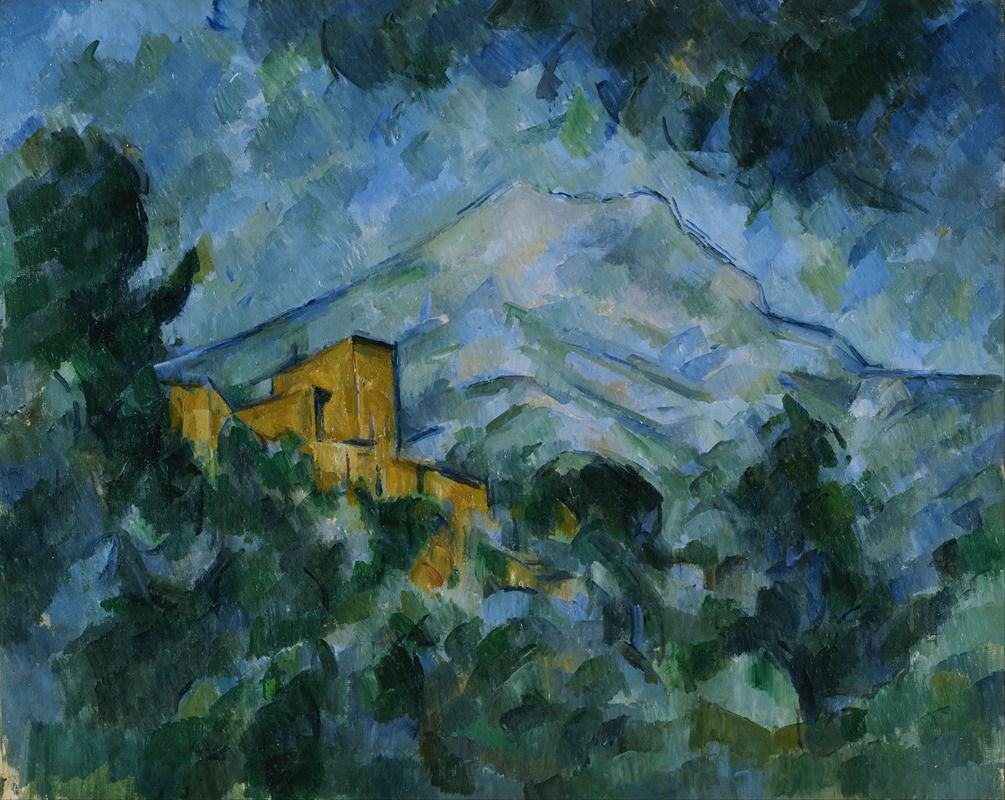
Mont Sainte-Victoire and Château Noir
Paul Cézanne
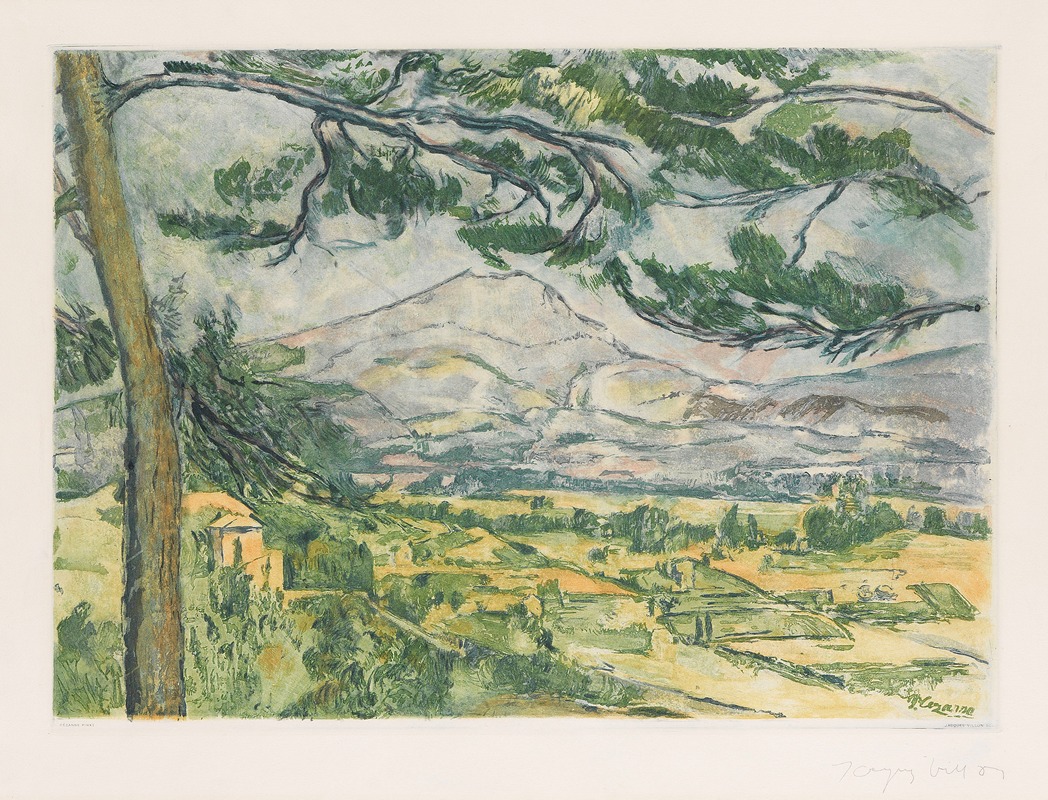
La Montagne Sainte-Victoire
Paul Cézanne
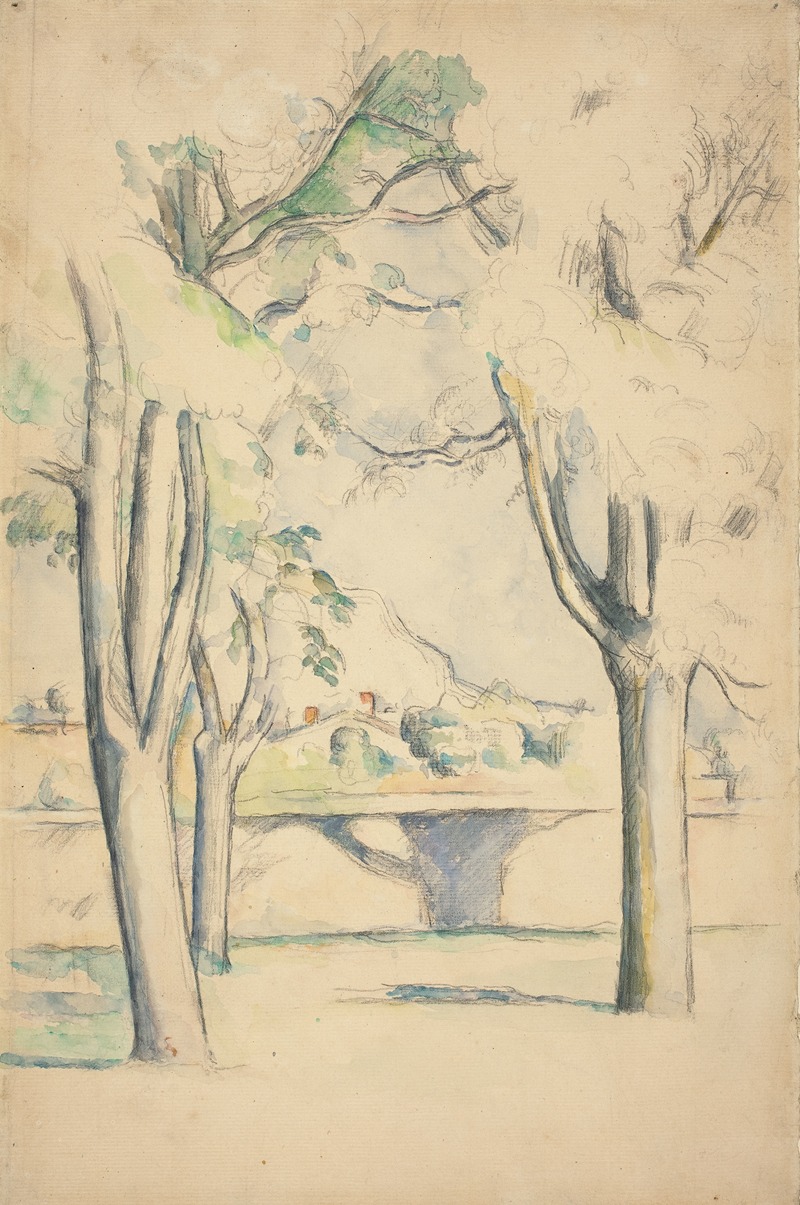
Mont Sainte-Victoire Seen beyond the Wall of the Jas de Bouffan
Paul Cézanne
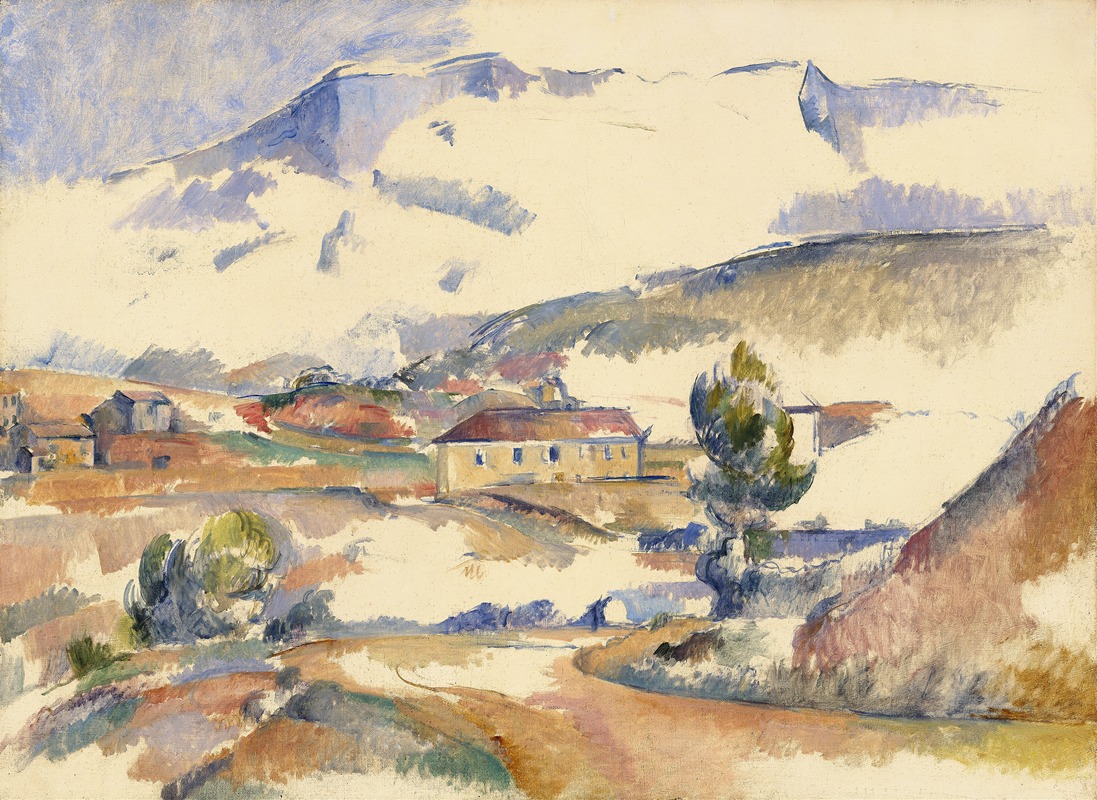
Montagne Sainte-Victoire,from near Gardanne
Paul Cézanne
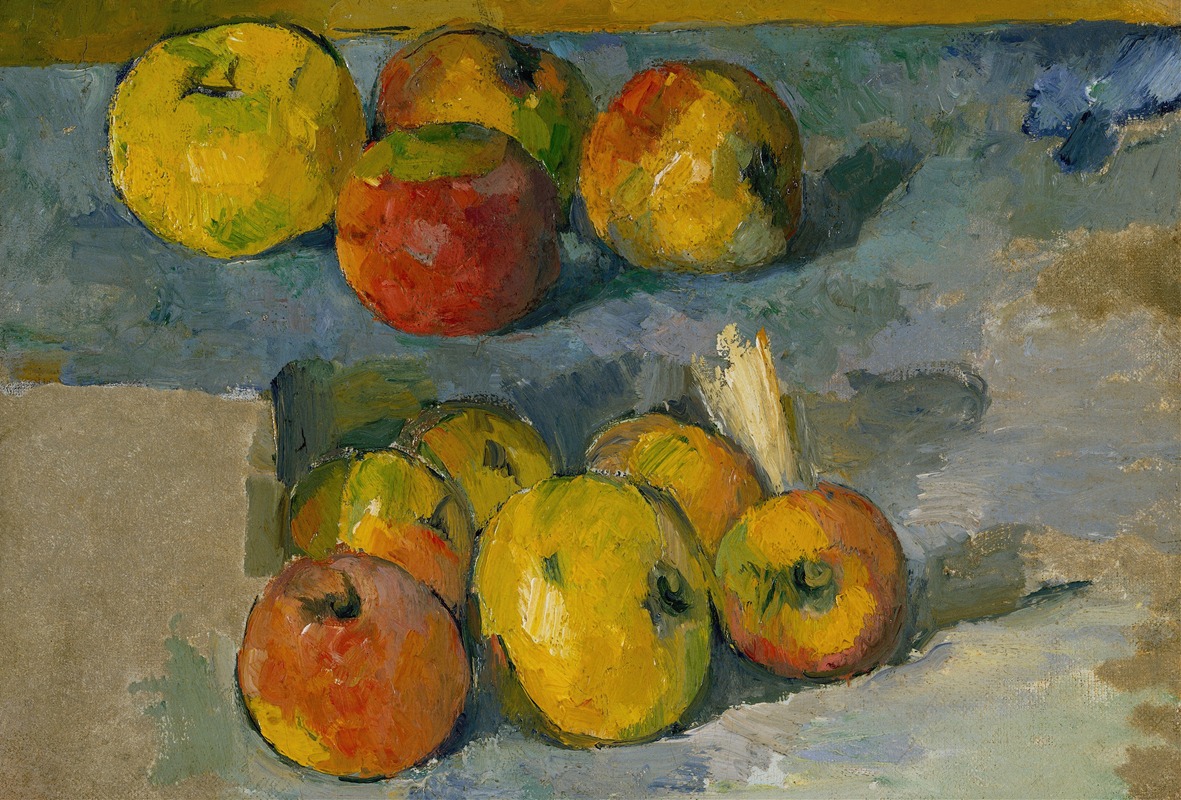
Apples
Paul Cézanne
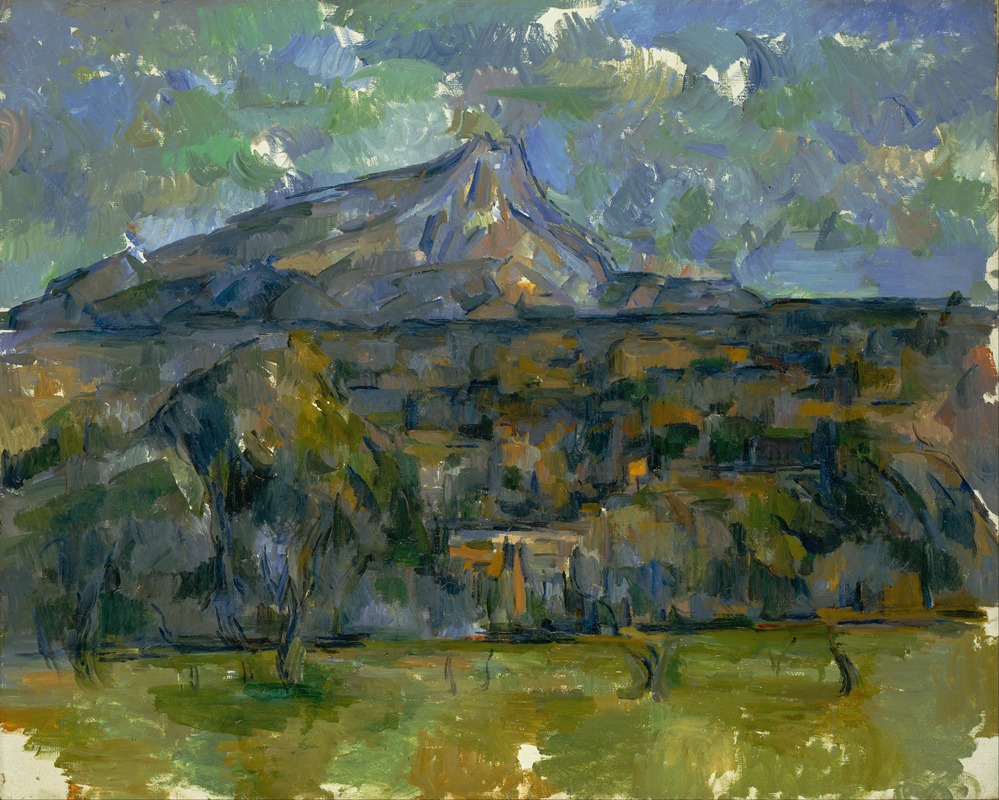
Mont Sainte-Victoire
Paul Cézanne
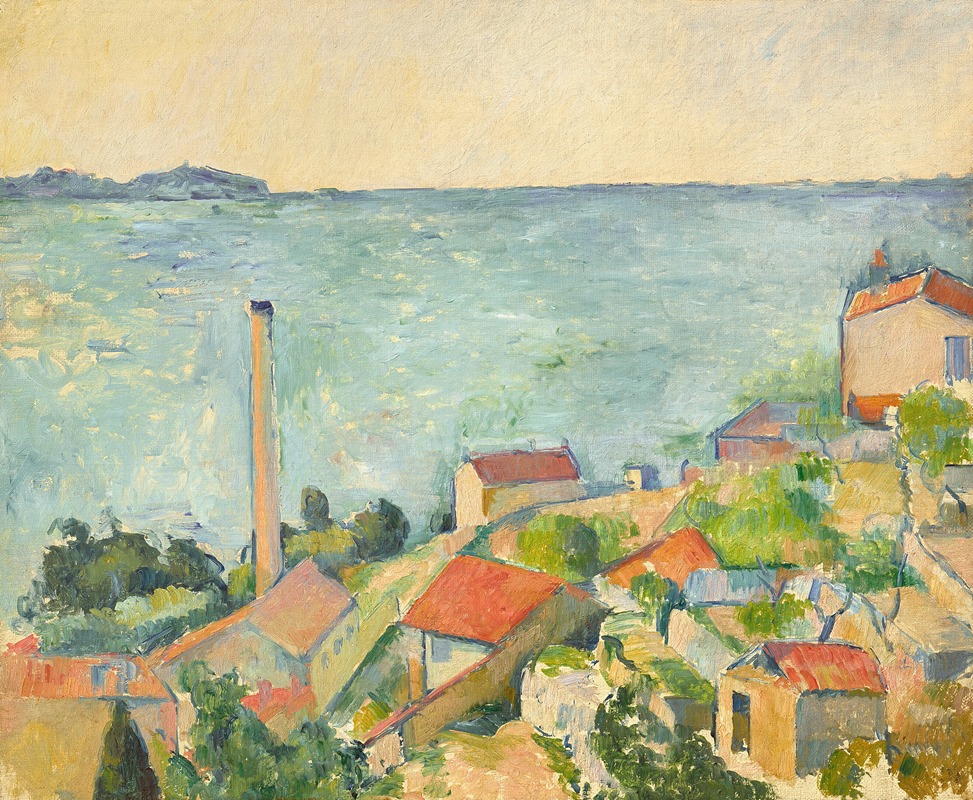
La mer à l’Estaque
Paul Cézanne
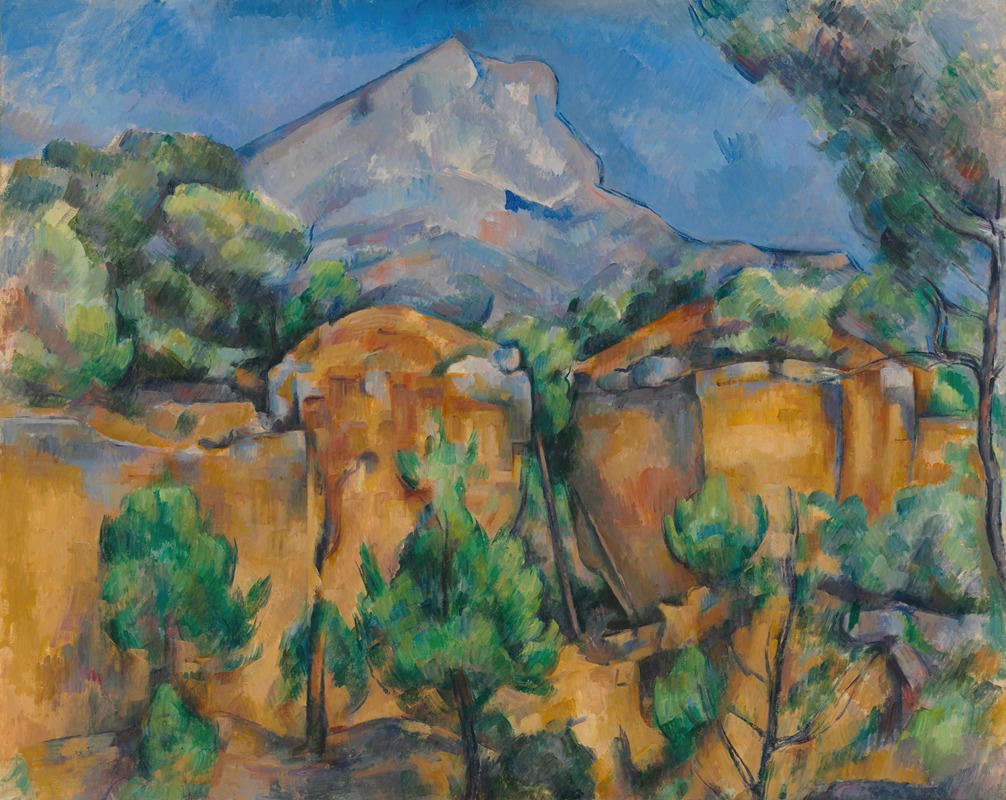
La Montagne Sainte-Victoire vue de la carrière Bibémus
Paul Cézanne
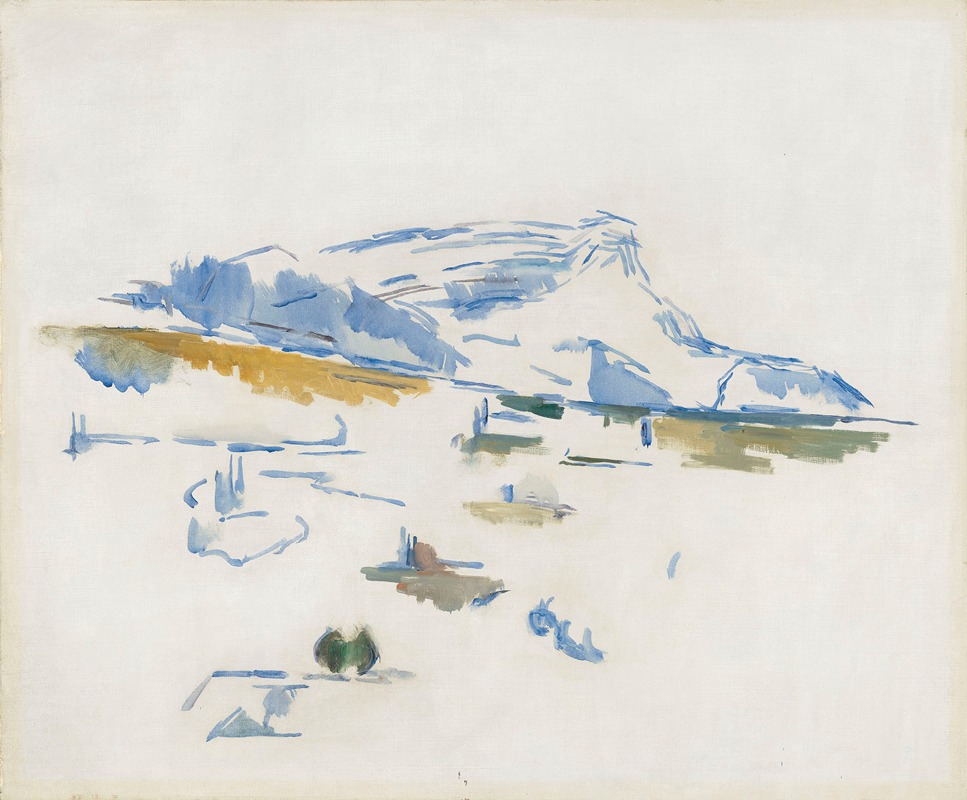
La Montagne Sainte-Victoire vue des Lauves
Paul Cézanne