
Pins au Pyla — History & Facts
This sentiment resonates profoundly within the delicate hues and quiet decay captured in this work. It invites contemplation on how grace intertwines with the ephemeral, beckoning viewers to explore the layers beneath the surface. Look to the left where the gentle rise of the landscape meets the soft, muted palette of blues and greens. Notice how the brush strokes dance lightly across the canvas, evoking a sense of nostalgia and a world slowly succumbing to nature’s embrace.
The juxtaposition of light and shadow creates a serene yet haunting atmosphere, as if the scene itself is holding its breath, suspended in time. This painting subtly echoes themes of transience and renewal. The way light bathes the pine trees suggests both vitality and decay; they stand tall, yet their colors hint at an inevitable decline. Perhaps it speaks to our relationship with beauty—an acknowledgment that even in moments of splendor, there is an underlying current of loss.
The landscape, while picturesque, carries with it a poignant reminder of life’s impermanence. In 1935, Marquet found himself immersed in the vibrant artistic scene of Paris, a city teeming with innovation and change. He was known for his poignant use of color and light, drawing inspiration from the rhythms of nature. At this time, he was honing his unique style, melding impressionistic techniques with a new, more modern vision, reflecting both the world around him and the fleeting nature of beauty itself.
More Artworks by Albert Marquet
Browse all →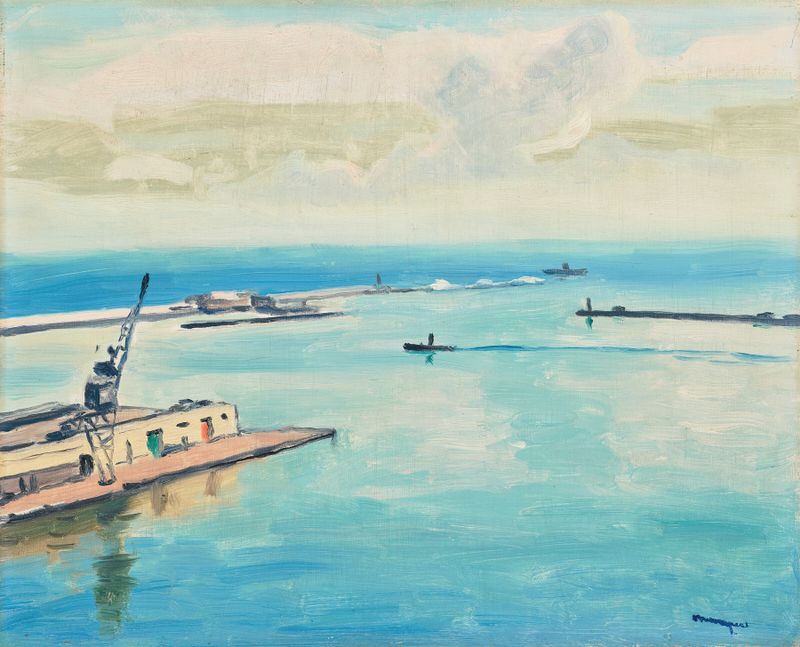
Le Port d’Alger
Albert Marquet
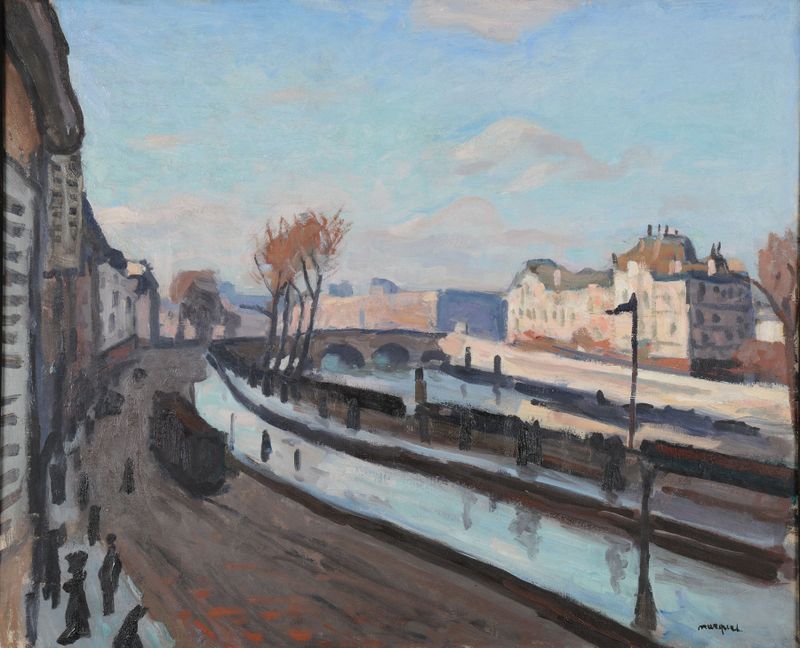
Le quai des Grands Augustins
Albert Marquet
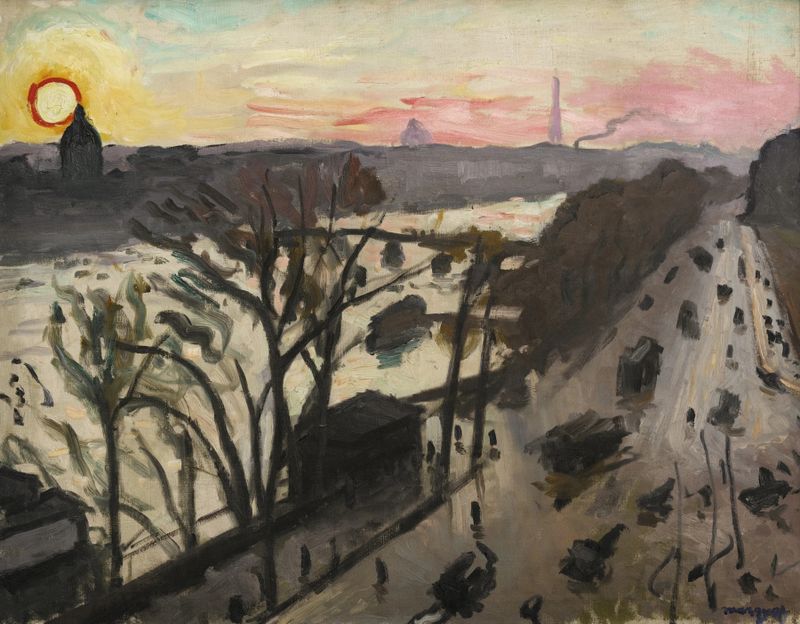
Paris, quai du Louvre, soleil d’hiver
Albert Marquet
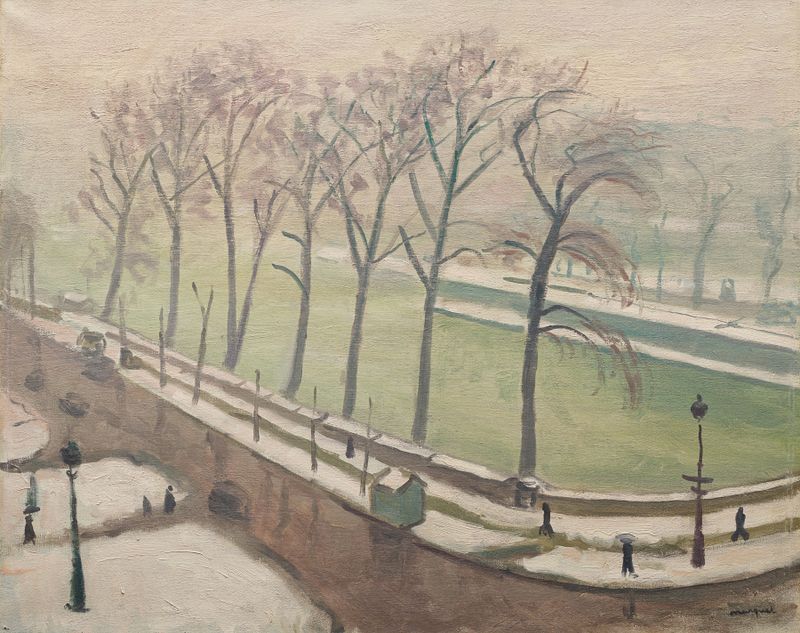
Pont-Neuf sous la neige
Albert Marquet
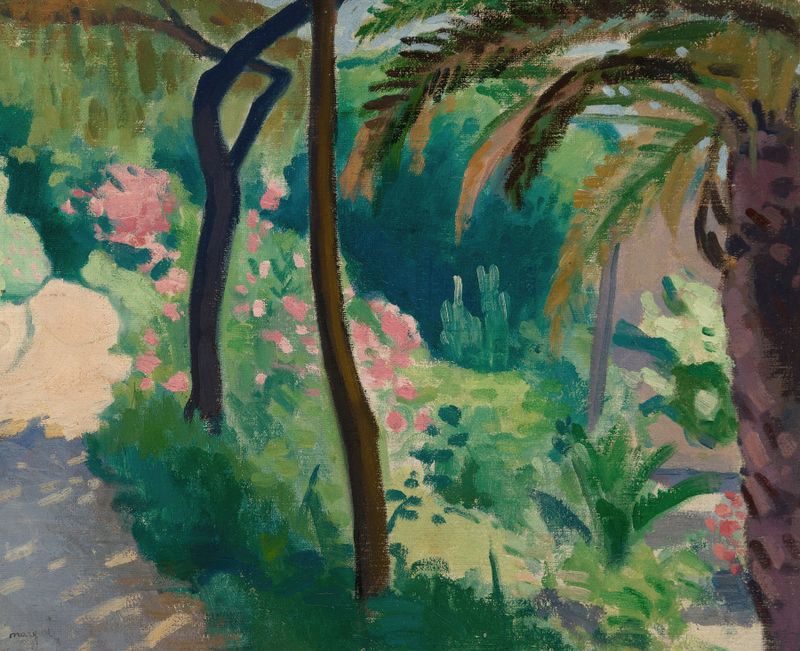
Le jardin à l’Estaque
Albert Marquet
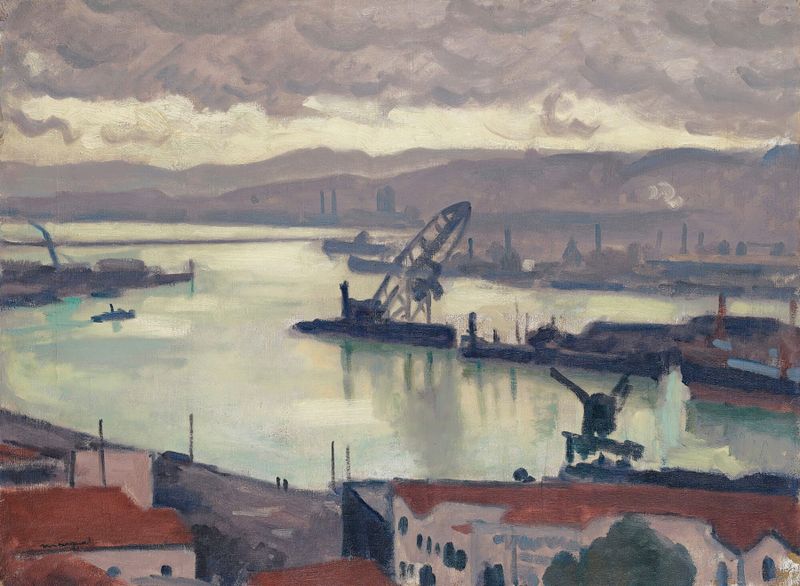
Alger, Temps Gris
Albert Marquet
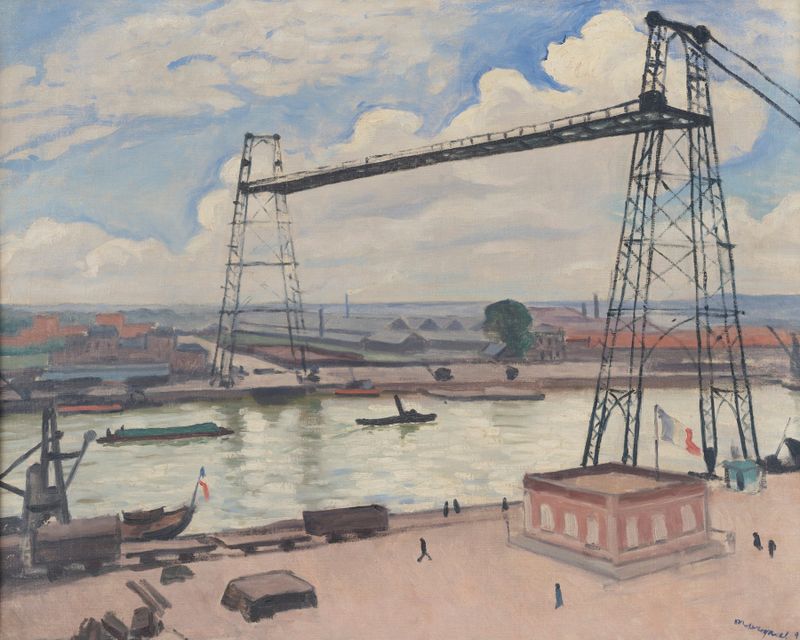
Rouen, le pont transbordeur
Albert Marquet
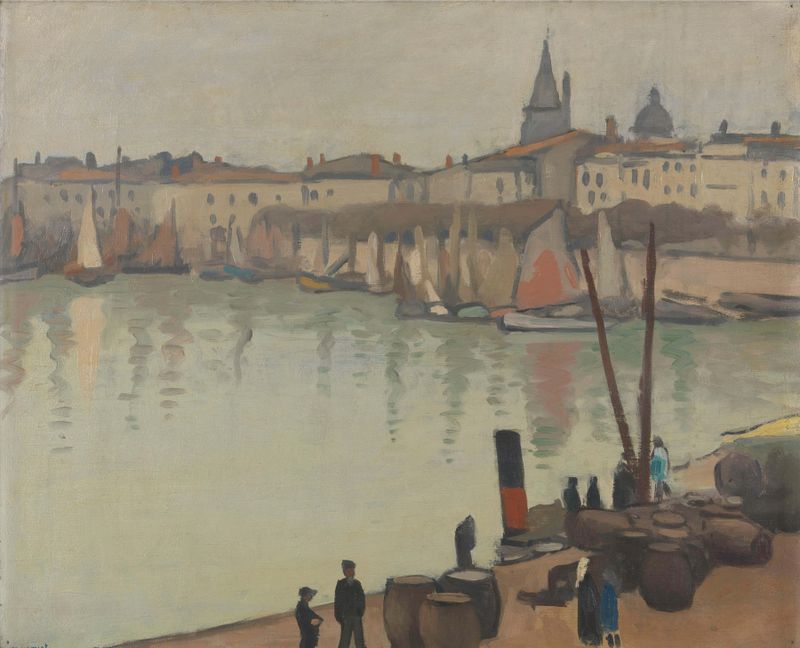
Port of La Rochelle
Albert Marquet

Berge de la Seine à Méricourt
Albert Marquet
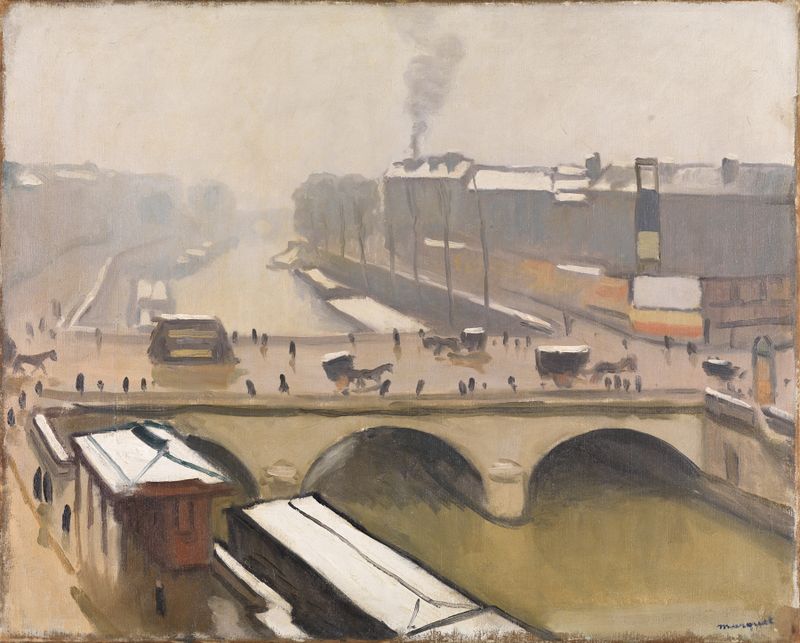
View of the Pont Saint-Michel in Paris
Albert Marquet





