
Plac Zamkowy — History & Facts
What if beauty was never meant to be finished? In the heart of the city, where destinies intertwine and history breathes, lies a moment suspended in time—Plac Zamkowy offers a glimpse into the eternal dance of life and architecture. Look to the center of the canvas, and your gaze will be drawn to the grand façade of the Royal Castle, its regal presence stark against the vibrancy of the marketplace. Notice how the artist employs a palette of warm earth tones, mingling with bursts of color from merchant stalls, creating a dynamic interplay between the static and the animated. The light cascades softly, draping the scene in an inviting glow, while brushwork conveys the bustle of figures moving about, their gestures telling stories of daily life. Beneath this lively surface, hidden meanings unfold—a contrast between the permanence of the castle and the fleeting moments of the crowds evokes a sense of transience.
Each figure, absorbed in their own pursuits, symbolizes individual destinies intersecting within a communal space. The play of shadows hints at deeper narratives of hope, struggle, and connection, inviting viewers to reflect on their own journeys through the tapestry of existence. In 1930, Tadeusz Cieślewski painted Plac Zamkowy during a period marked by a resurgence of national identity in Poland, following the country's regain of independence. This era witnessed a blossoming of artistic expression, as artists sought to capture the essence of their heritage amidst changing sociopolitical landscapes.
Cieślewski, influenced by these currents, imbued his work with a sense of pride and continuity, representing not only a place but also the collective spirit of a nation.
More Artworks by Tadeusz Cieślewski
Browse all →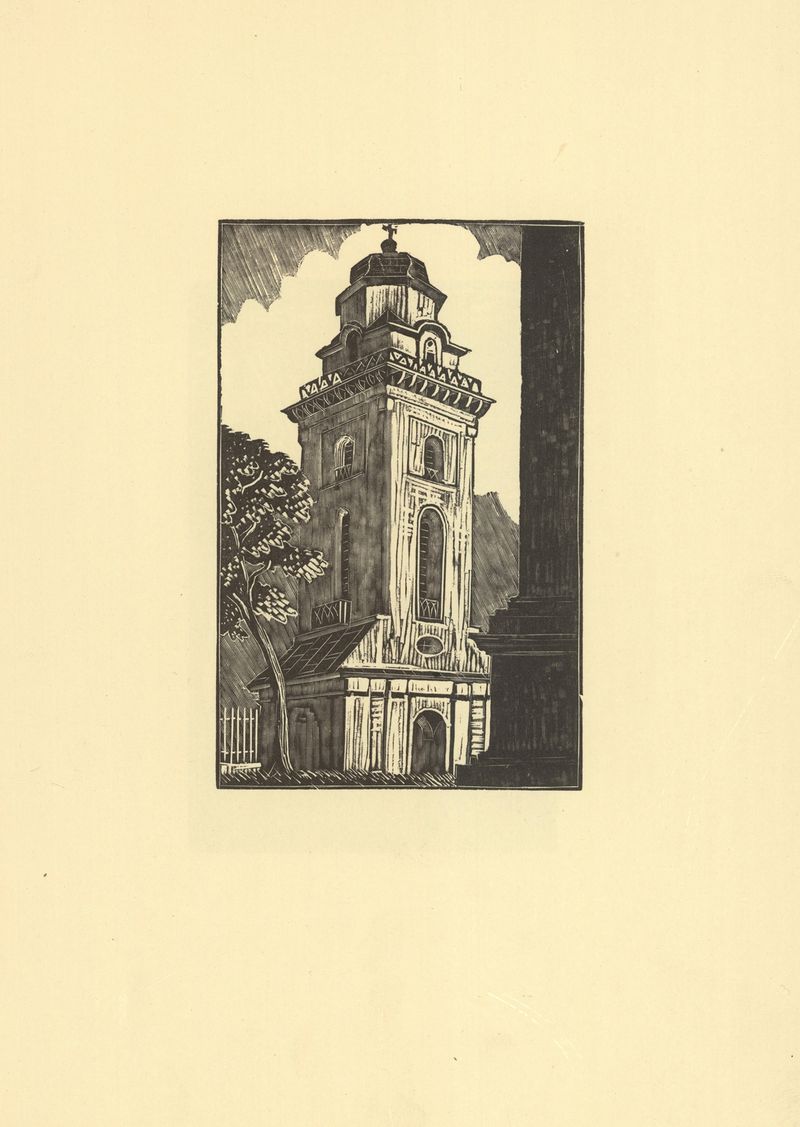
Zamość Pl.2
Tadeusz Cieślewski
Dwanaście widoków Warszawy – Title page
Tadeusz Cieślewski
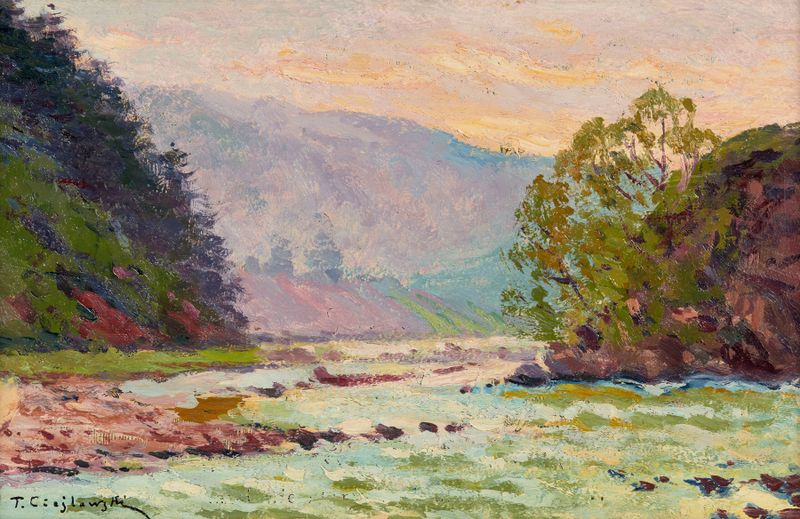
Mountainous landscape with a river
Tadeusz Cieślewski
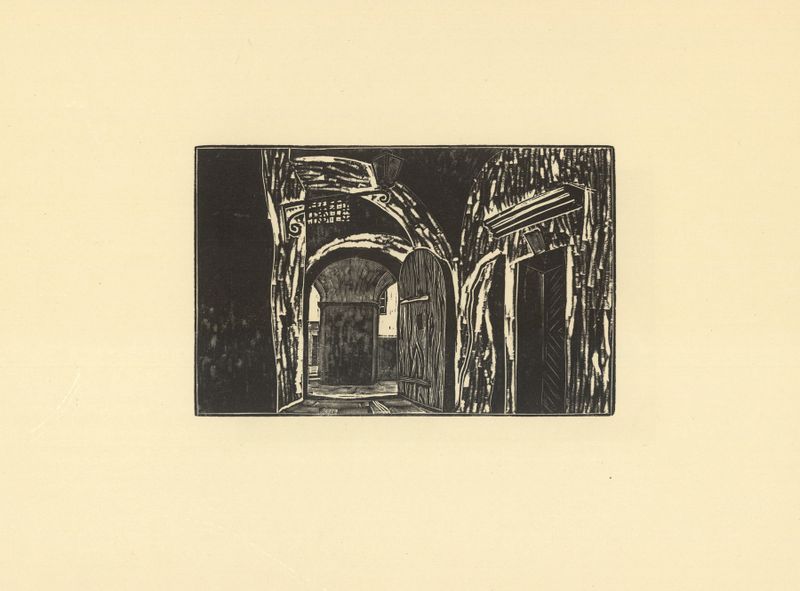
Zamość Pl.3
Tadeusz Cieślewski
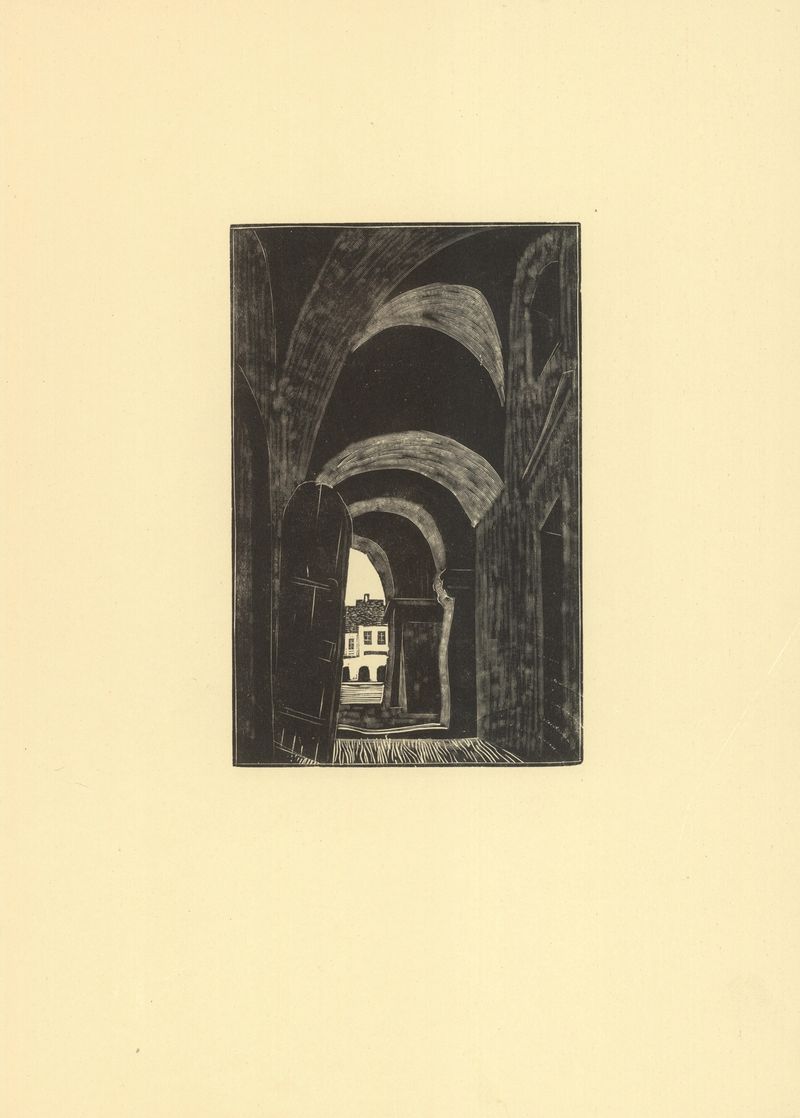
Zamość Pl.5
Tadeusz Cieślewski
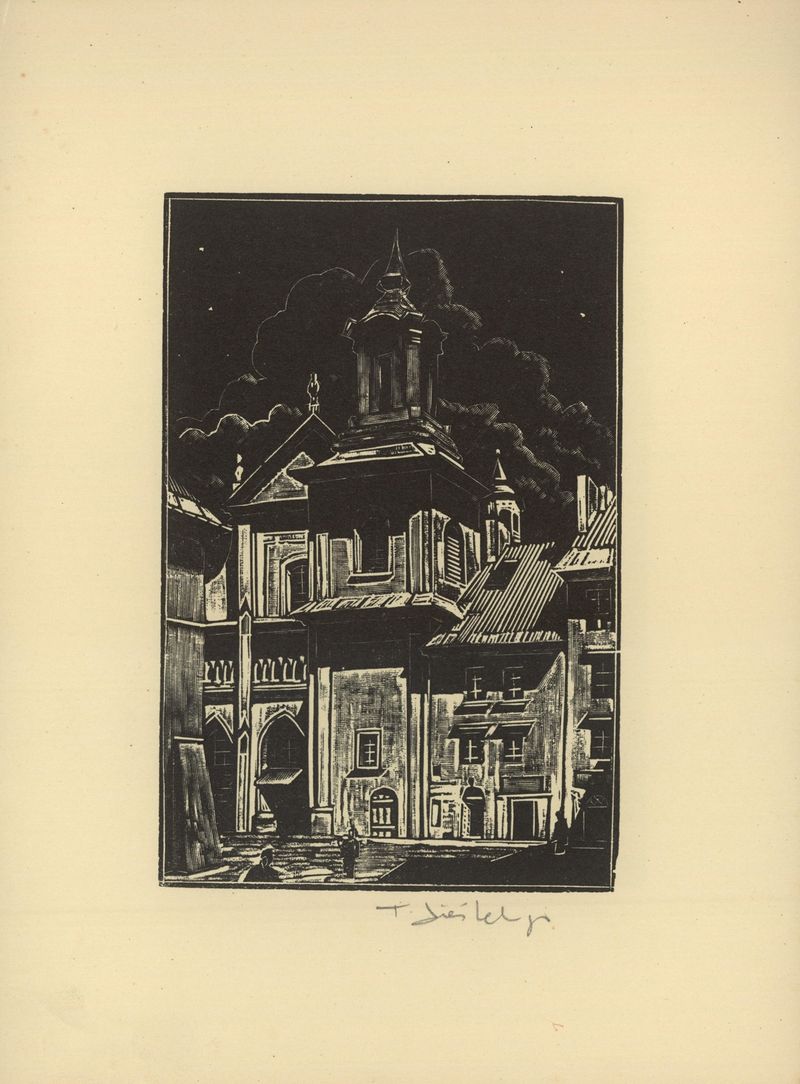
Kościół Dominikanów
Tadeusz Cieślewski

Pomnik Kopernika
Tadeusz Cieślewski
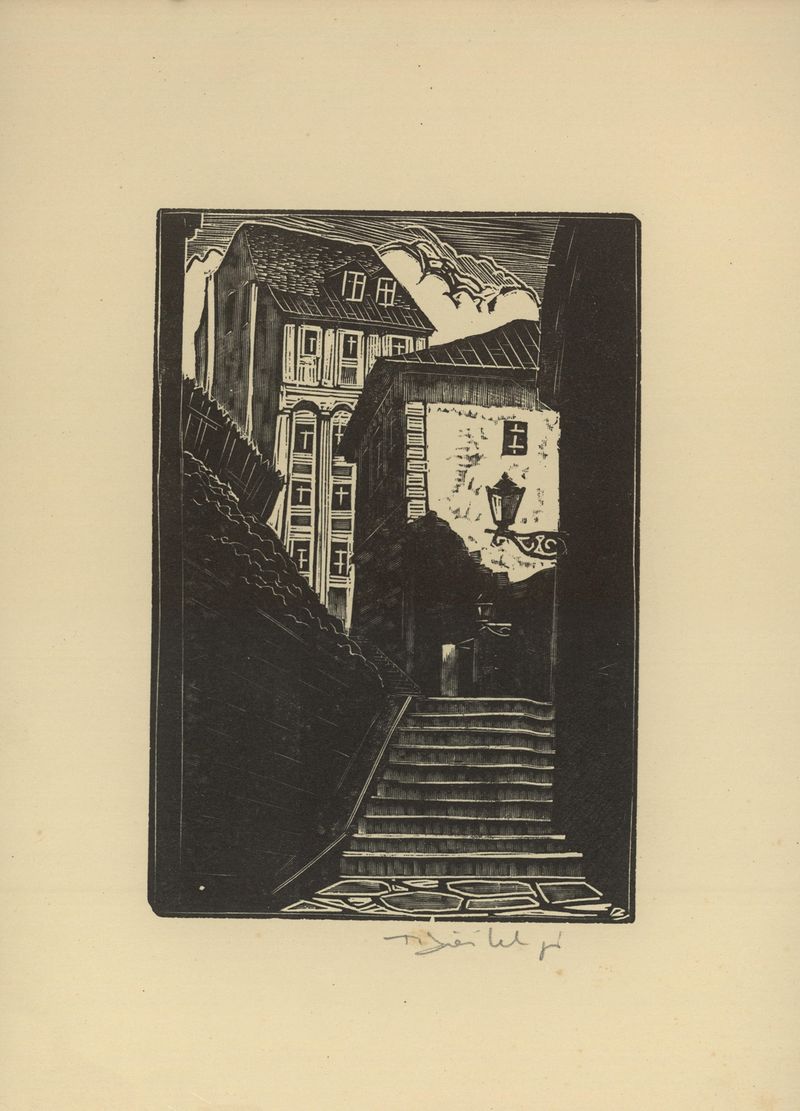
Kamienne Schodki
Tadeusz Cieślewski
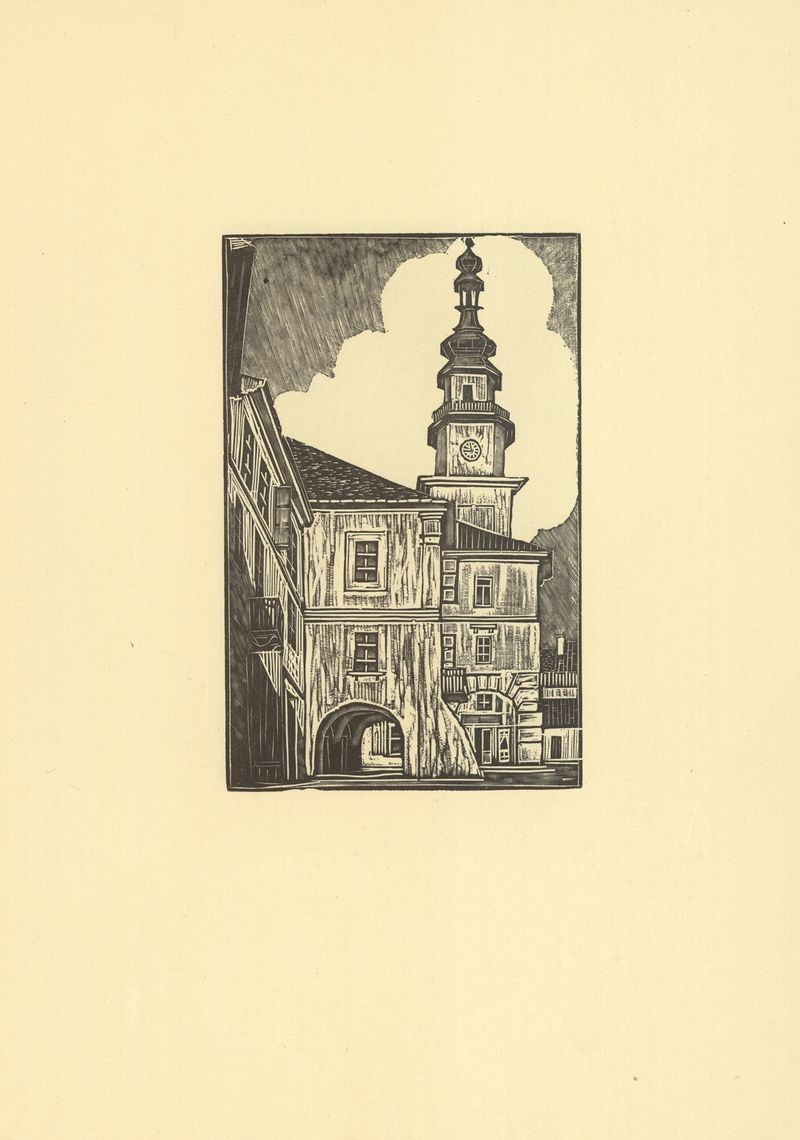
Zamość Pl.4
Tadeusz Cieślewski
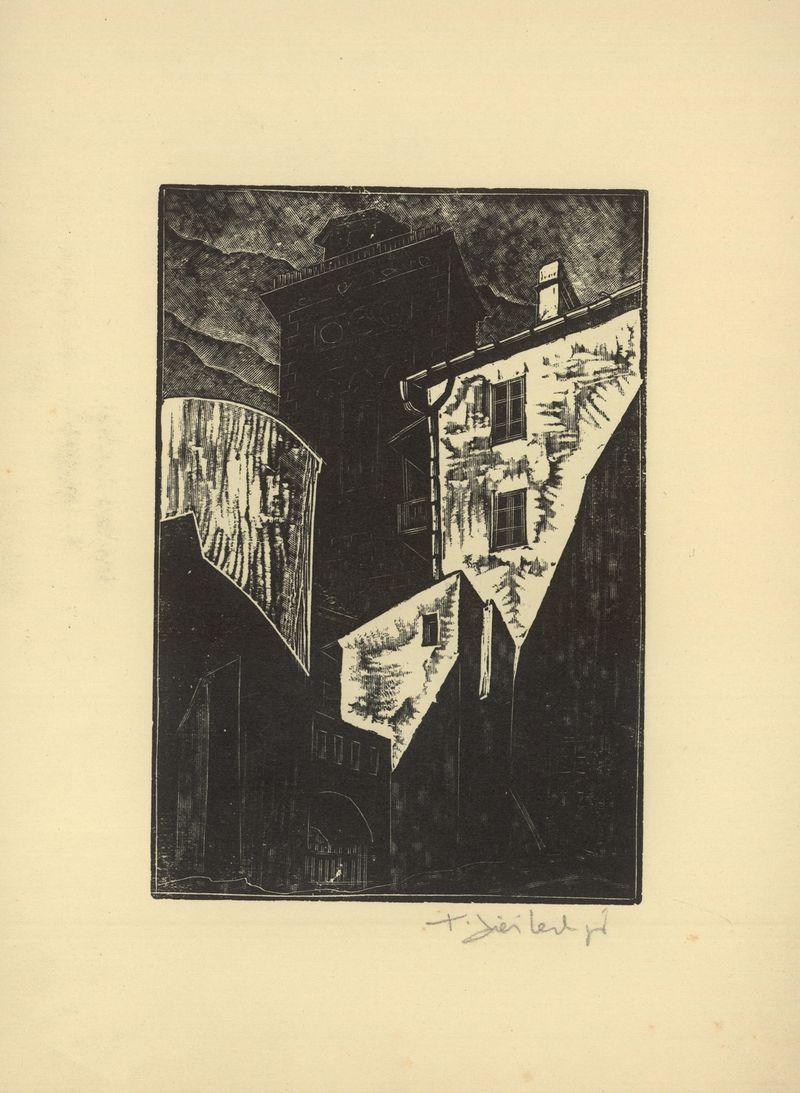
Wieża Bernardynów
Tadeusz Cieślewski
More Architecture Art
Browse all →
The statue of Liberty
Frédéric Auguste Bartholdi

View of Houses in Delft, Known as ‘The Little Street’
Johannes Vermeer

View of Houses in Delft, Known as ‘The Little Street’
Johannes Vermeer

The Cathedral in Rouen. The portal, Grey Weather
Claude Monet

The yellow house
Vincent van Gogh

The Church in Auvers-sur-Oise, View from the Chevet
Vincent van Gogh