
Playa de Valencia — History & Facts
When did color learn to lie? In Playa de Valencia, vibrant hues weave a tale of sunlight and shadow that transports the viewer to the edge of time, where memories blur into the present. Look to the left at the gentle waves lapping at the shore, their shimmering surface a blend of cerulean and turquoise, capturing the essence of a sun-drenched day. The figures, adorned in white and pastel garments, dot the beach like brushstrokes against the canvas of sand. Sorolla’s masterful use of light creates a play of reflections, shedding warmth across the scene and inviting the eye to wander from one joyful moment to another. Beneath the surface, there’s a tension between leisure and the inexorable passage of time.
The carefree laughter of children contrasts with the fleeting nature of the sun; the soft whispers of the waves hint at both serenity and change. The interplay of light and shadow serves as a reminder of life’s impermanence, as if each captured moment is a fragile echo, forever wandering in the embrace of time. In 1910, Joaquín Sorolla was at the height of his career, celebrated for his ability to convey the Mediterranean’s vibrancy. Working from his studio in Valencia, he was deeply inspired by the local landscape and the culture around him, simultaneously engaging with a broader movement towards impressionism.
This period marked a time of personal triumph and artistic exploration for Sorolla, as he sought to immortalize the beauty of everyday life through vivid color and dynamic brushwork.
More Artworks by Joaquín Sorolla
Browse all →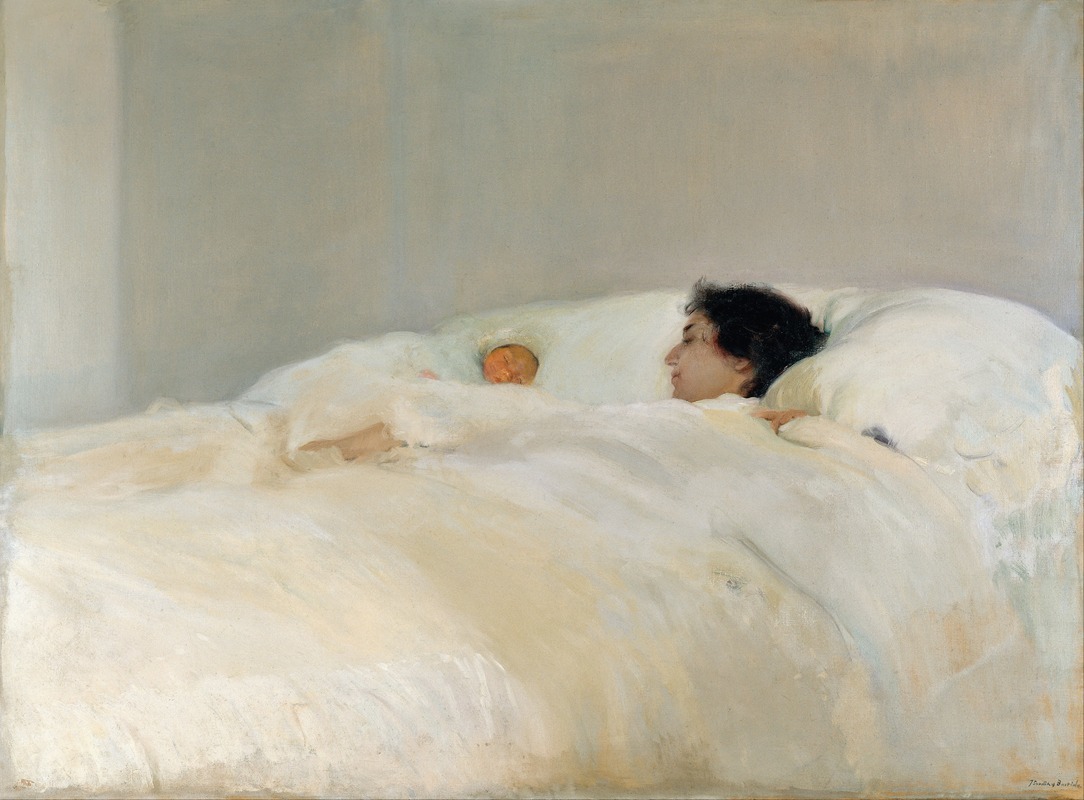
Mother
Joaquín Sorolla
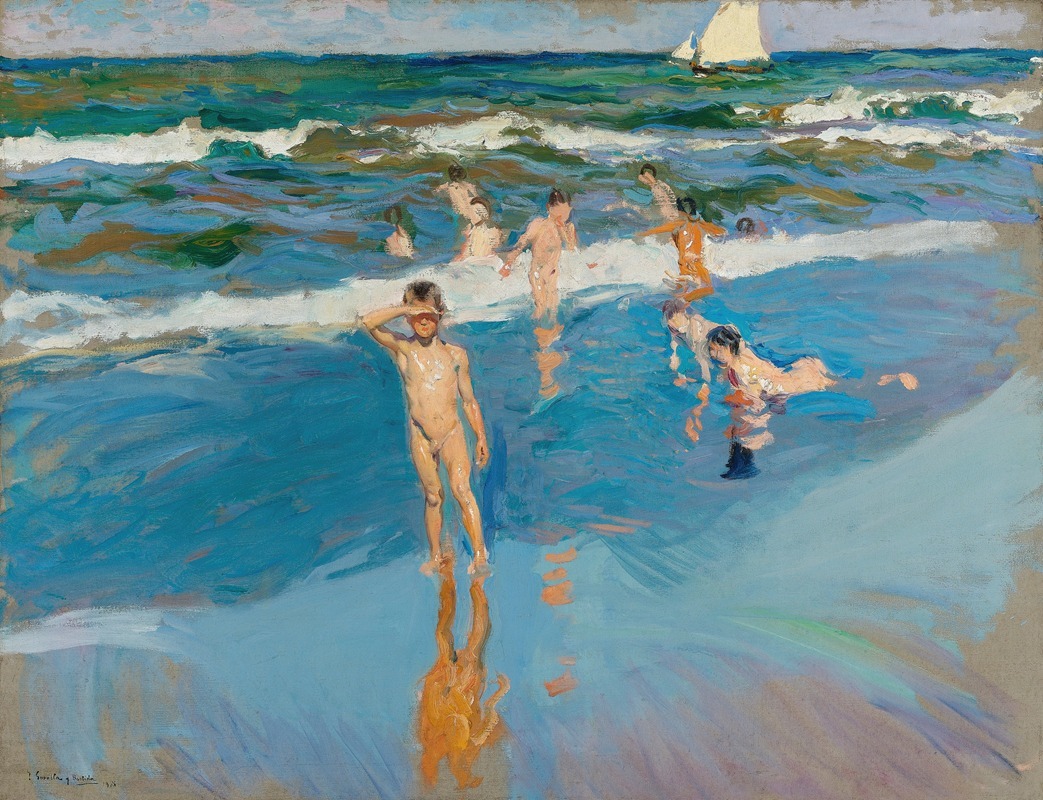
Children In The Sea, Valencia Beach
Joaquín Sorolla
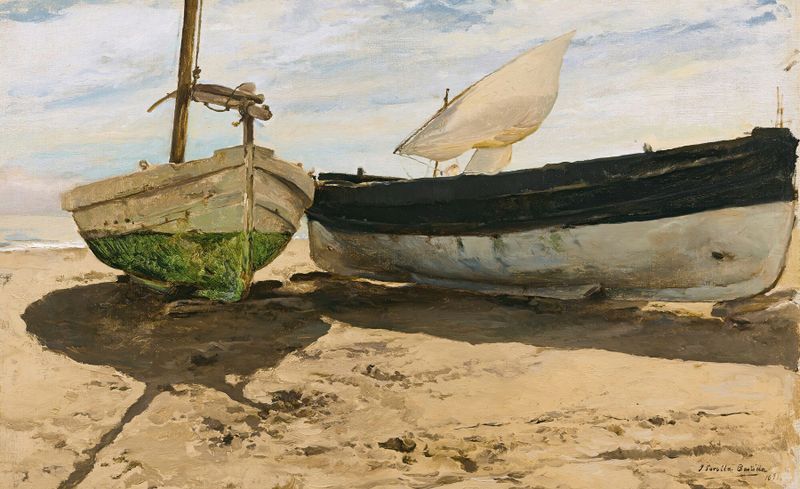
Fishing Boats On The Beach, Valencia
Joaquín Sorolla
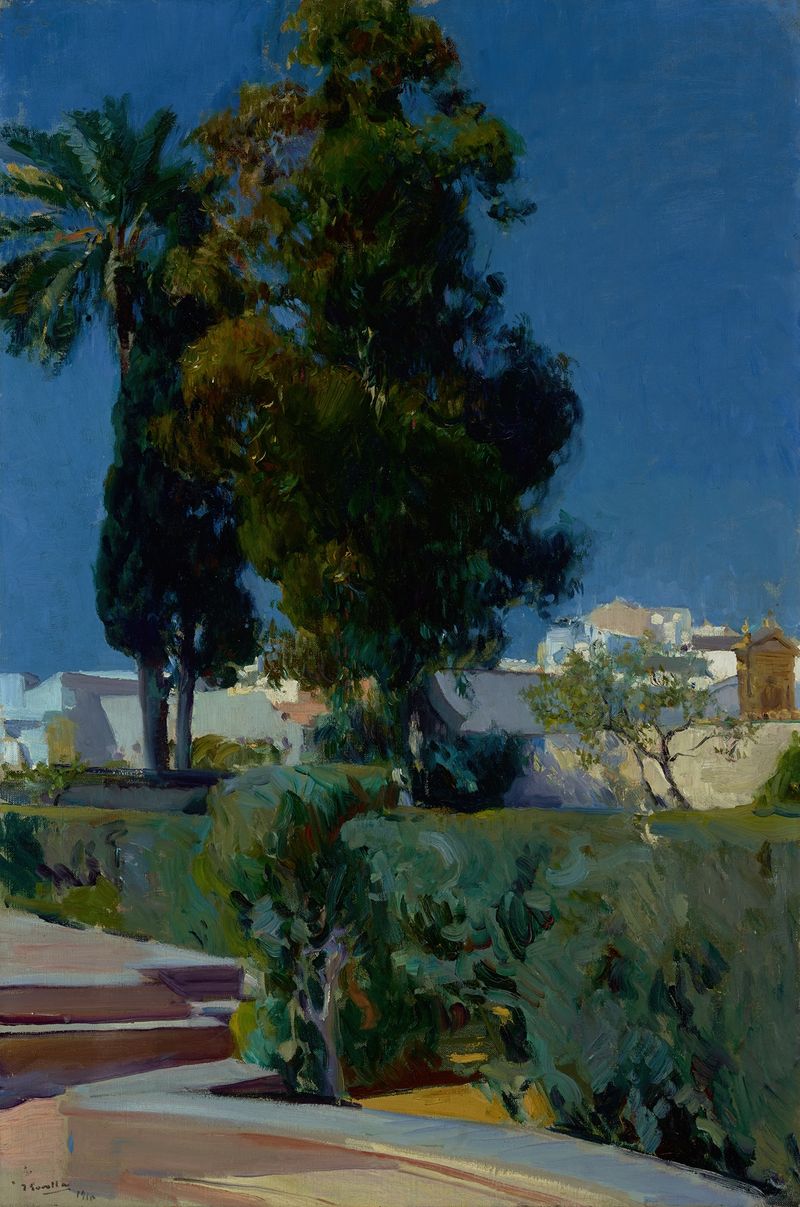
Corner of the Garden, Alcazar, Sevilla
Joaquín Sorolla
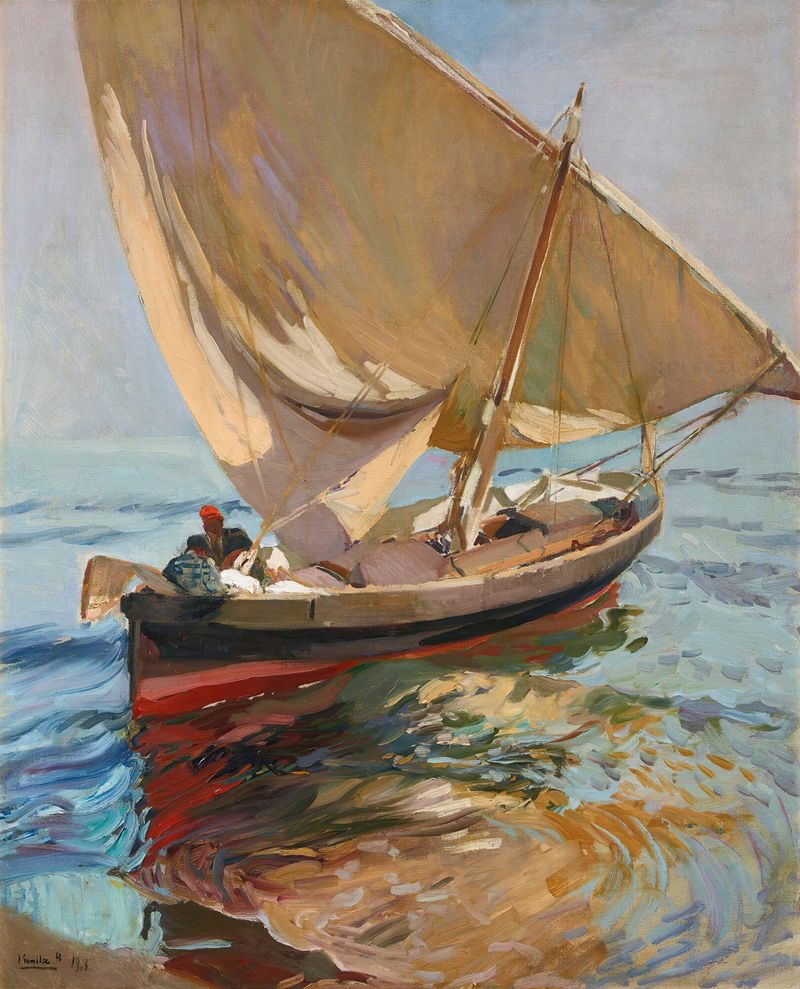
Camino De La Pesca. Valencia (Setting Out To Sea. Valencia)
Joaquín Sorolla
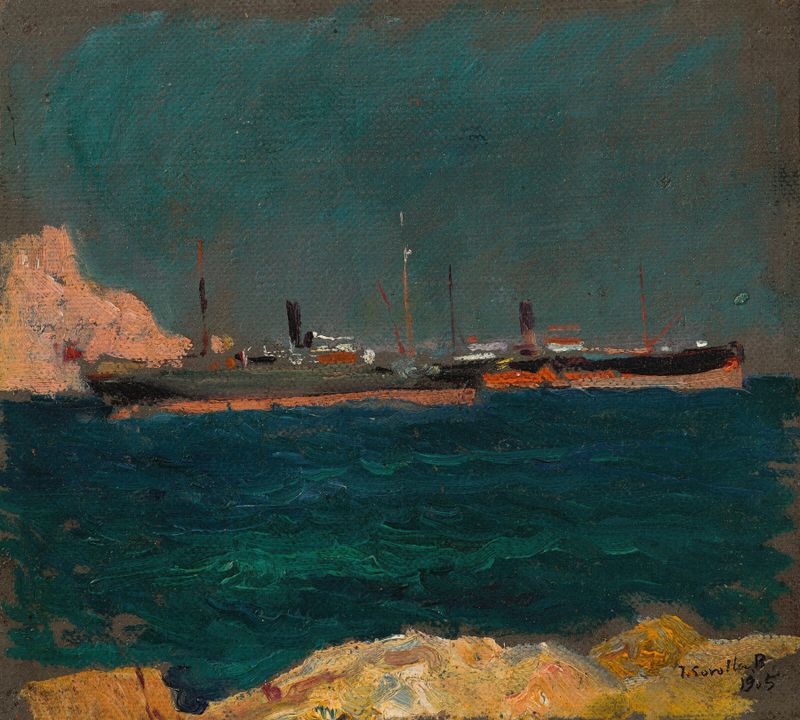
Puerto de Jávea (II)
Joaquín Sorolla
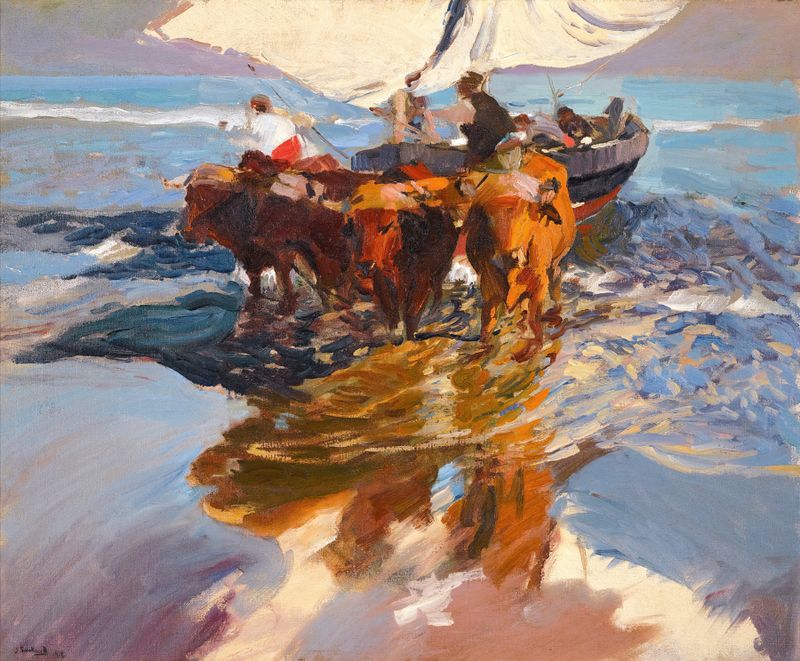
Vuelta De La Pesca. Playa De Valencia (The Return From Fishing, Valencia Beach)
Joaquín Sorolla
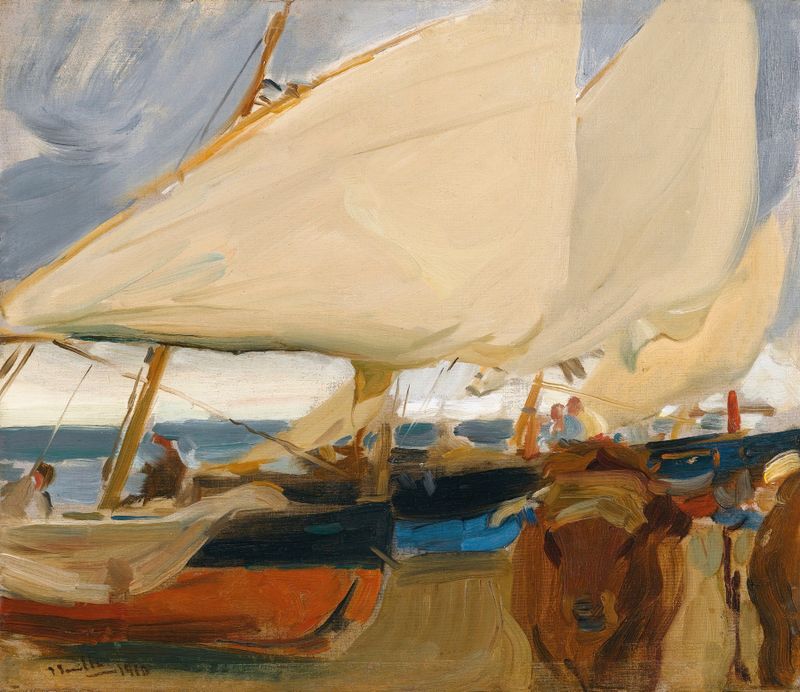
Playa De Valencia
Joaquín Sorolla
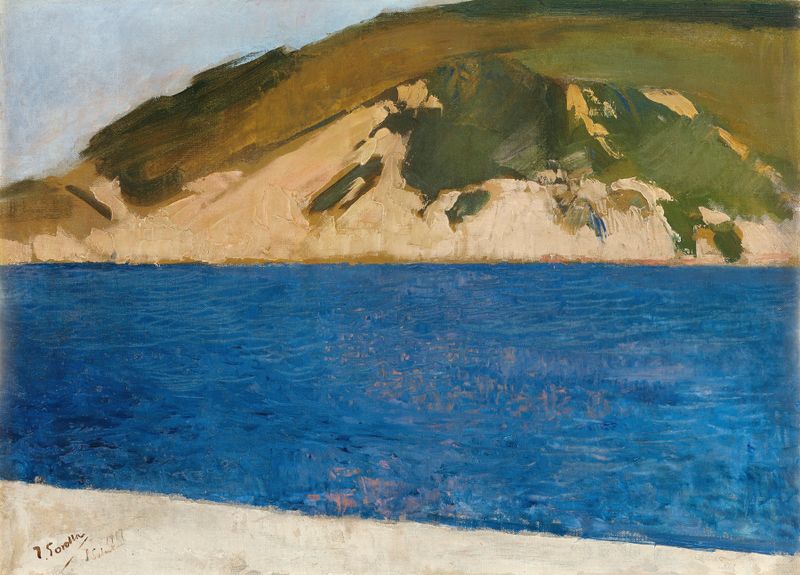
Monte Ulía, San Sebastián
Joaquín Sorolla
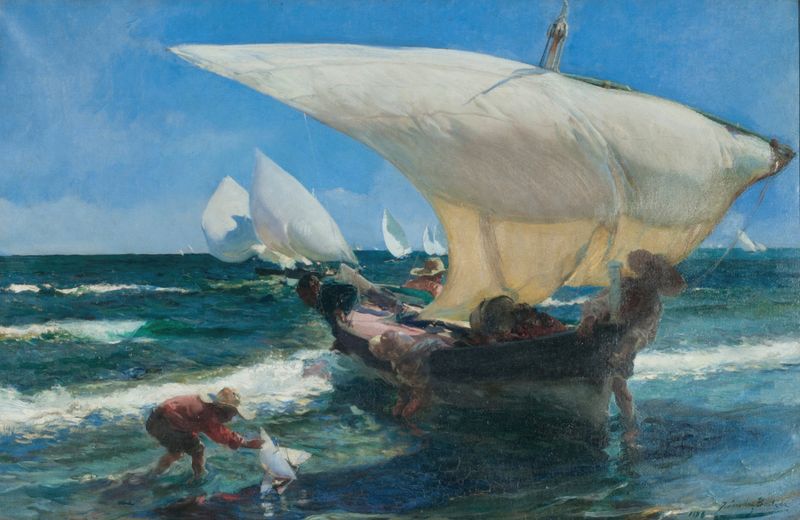
En la costa de Valencia
Joaquín Sorolla





