
Plein Air — History & Facts
In Plein Air, Ramón Casas captures a lively outdoor scene filled with bright colors. The painting features figures enjoying a sunny day, surrounded by lush greenery. The palette is dominated by greens, blues, and warm yellows, creating a vibrant atmosphere.
The composition invites the viewer to feel the warmth of the sun and the joy of being outside. The use of oil on canvas allows for rich textures and a fluid application of paint. Casas employs loose brushwork, characteristic of the Impressionist style, to convey movement and light. The figures are painted with a sense of spontaneity, blending into the natural environment.
This technique enhances the feeling of immediacy and connection to the scene. Plein Air was created during a time when Ramón Casas was exploring the Impressionist movement, which emphasized capturing light and atmosphere. This work reflects his interest in modern life and leisure activities in late 19th-century Spain. An interesting fact is that Casas was part of a group of artists who often painted outdoors, which was a departure from traditional studio practices.
This painting exemplifies his commitment to this approach and his ability to depict everyday moments.
More Artworks by Ramón Casas

Courtyard of the old Barcelona prison (Courtyard of the ‘lambs’)
Ramón Casas
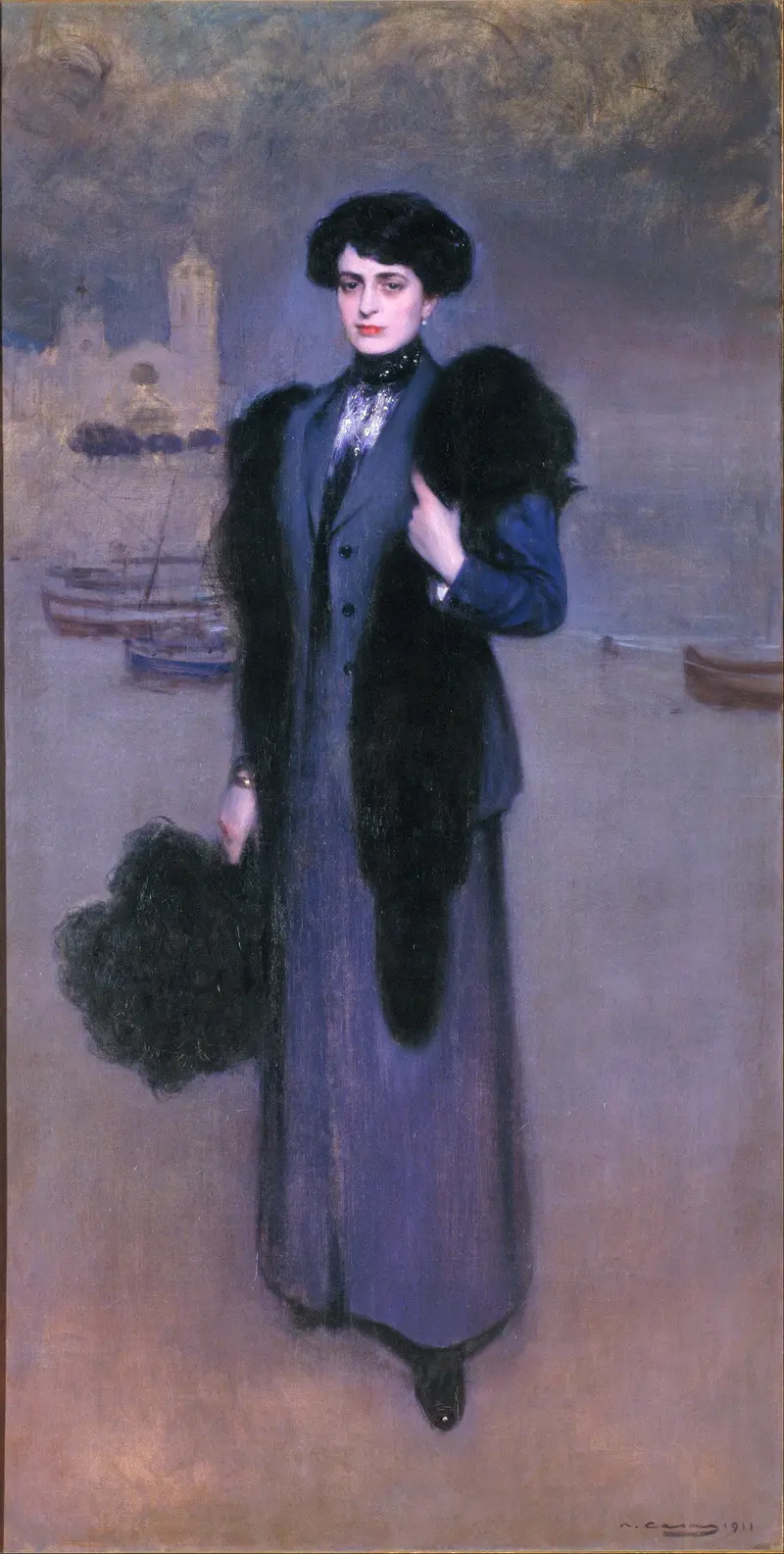
Portrait of Dolors Vidal
Ramón Casas
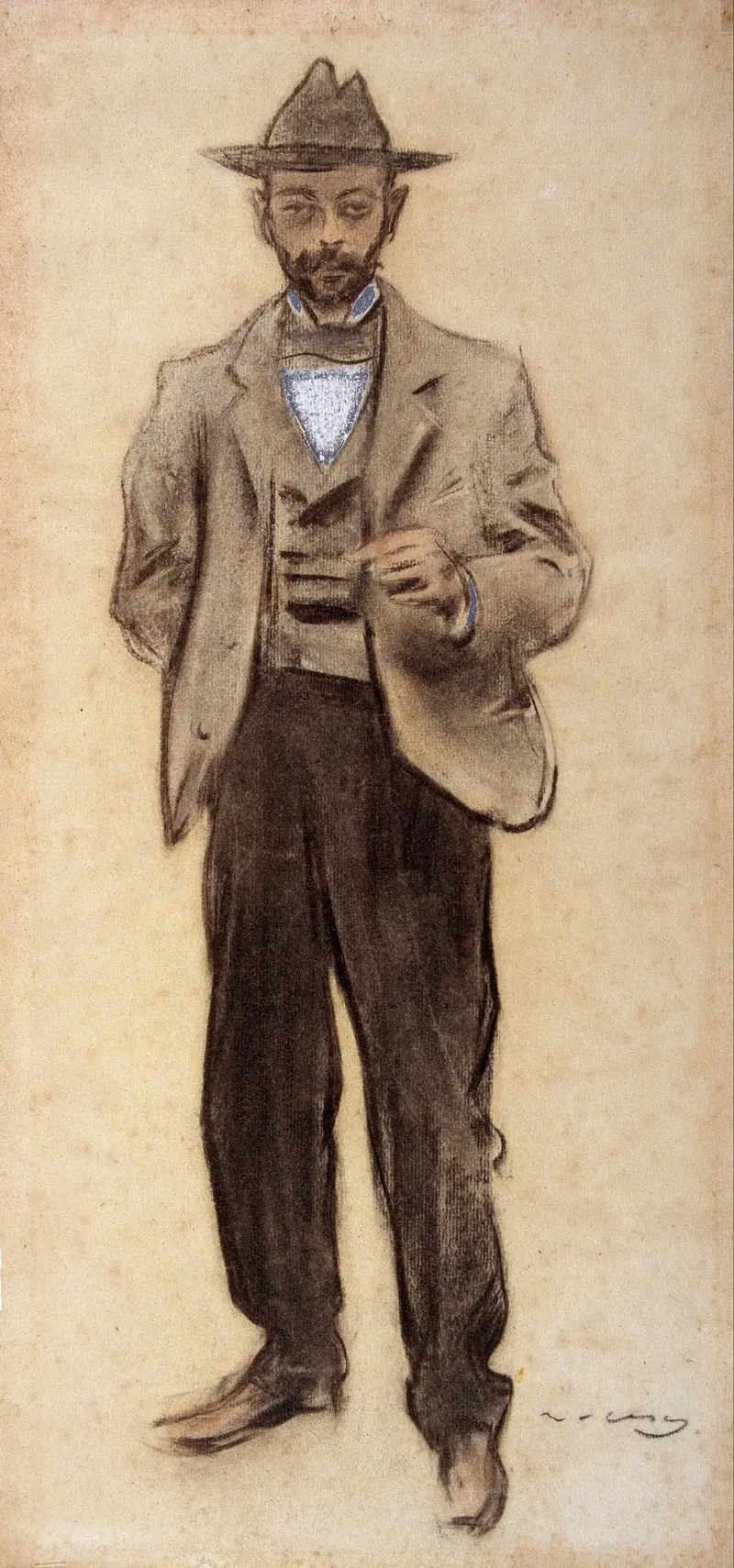
Portrait of Manolo Hugué
Ramón Casas
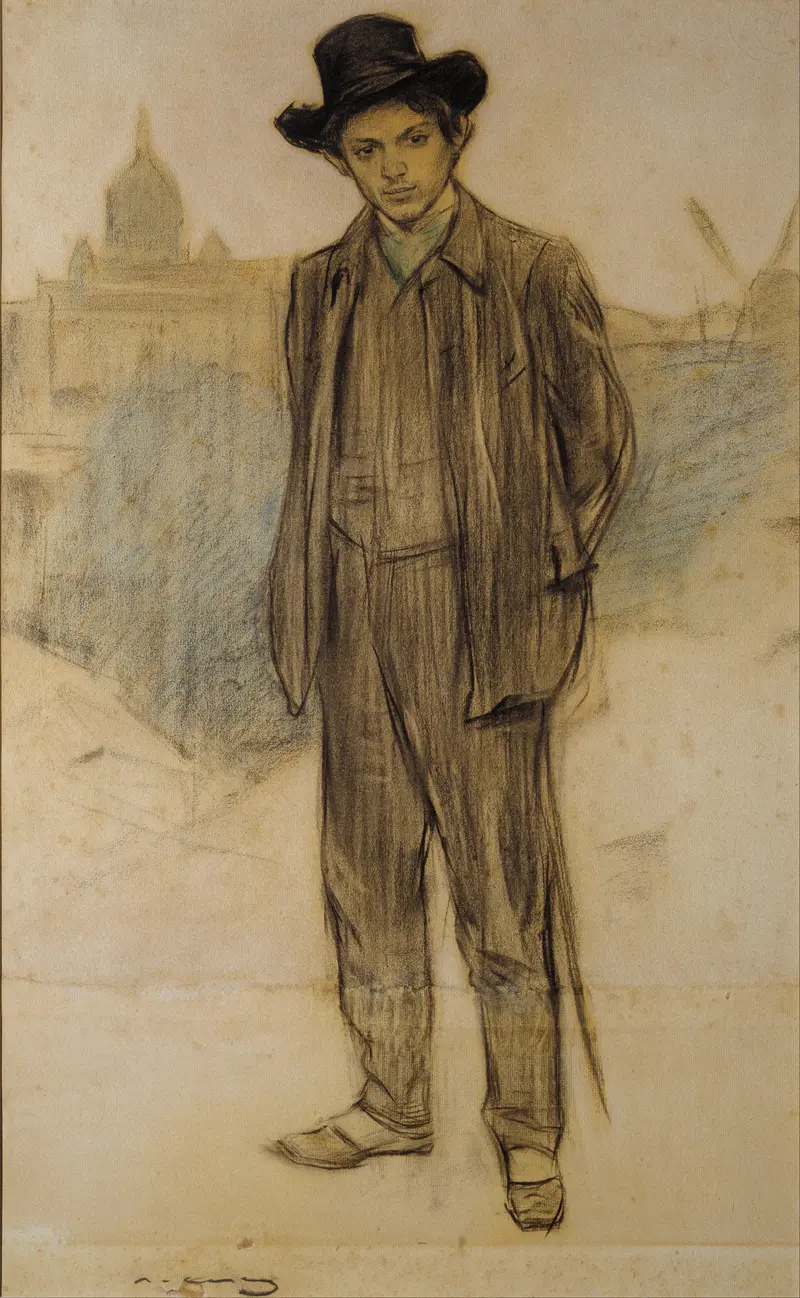
Portrait of Pablo Picasso
Ramón Casas
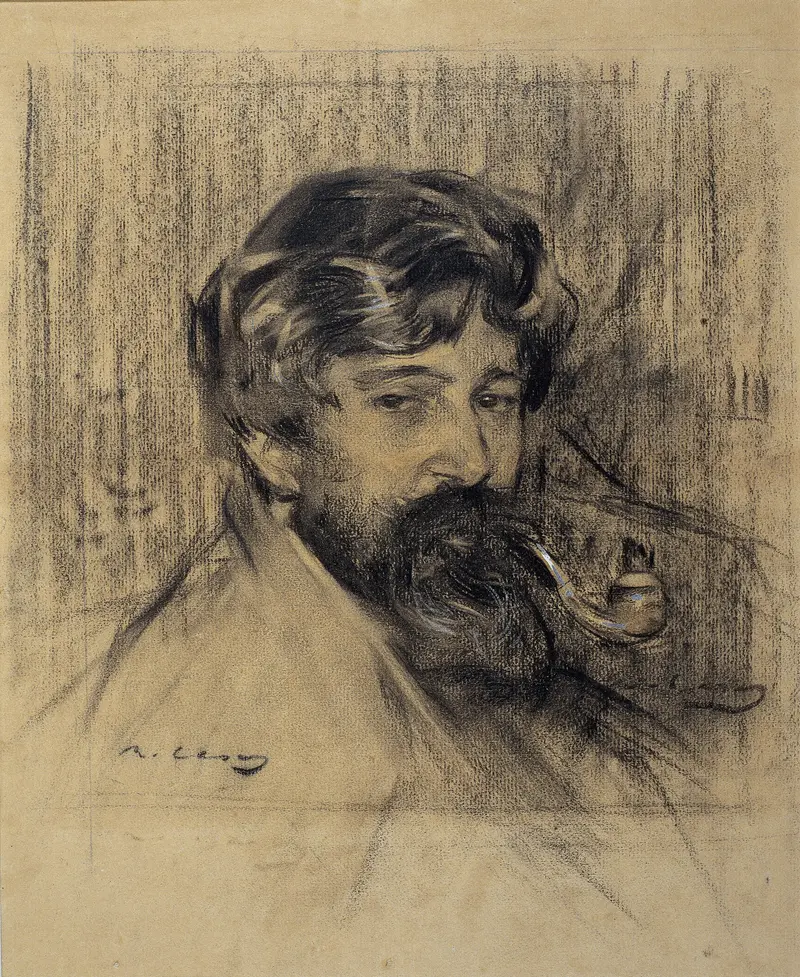
Portrait of Santiago Rusiñol
Ramón Casas

Plaza de toros de Barcelona, sabado 24 junio 1899. Guerrita reverte bombita
Ramón Casas
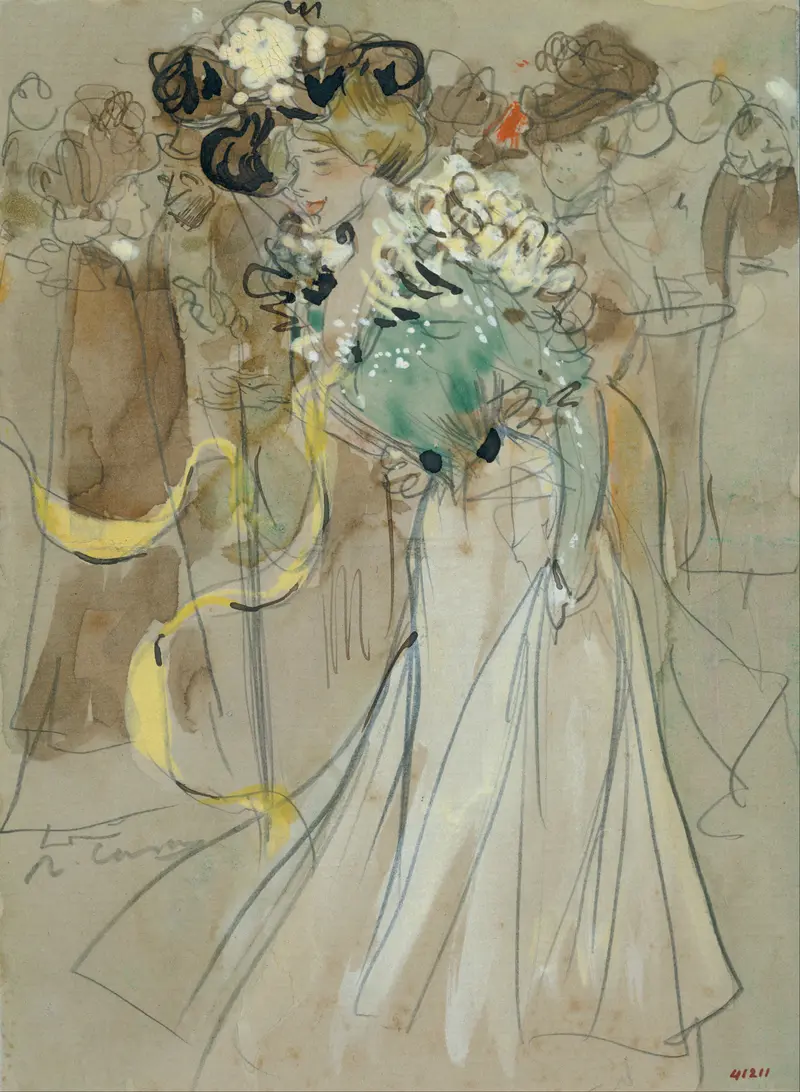
Celebrations in Toulon
Ramón Casas
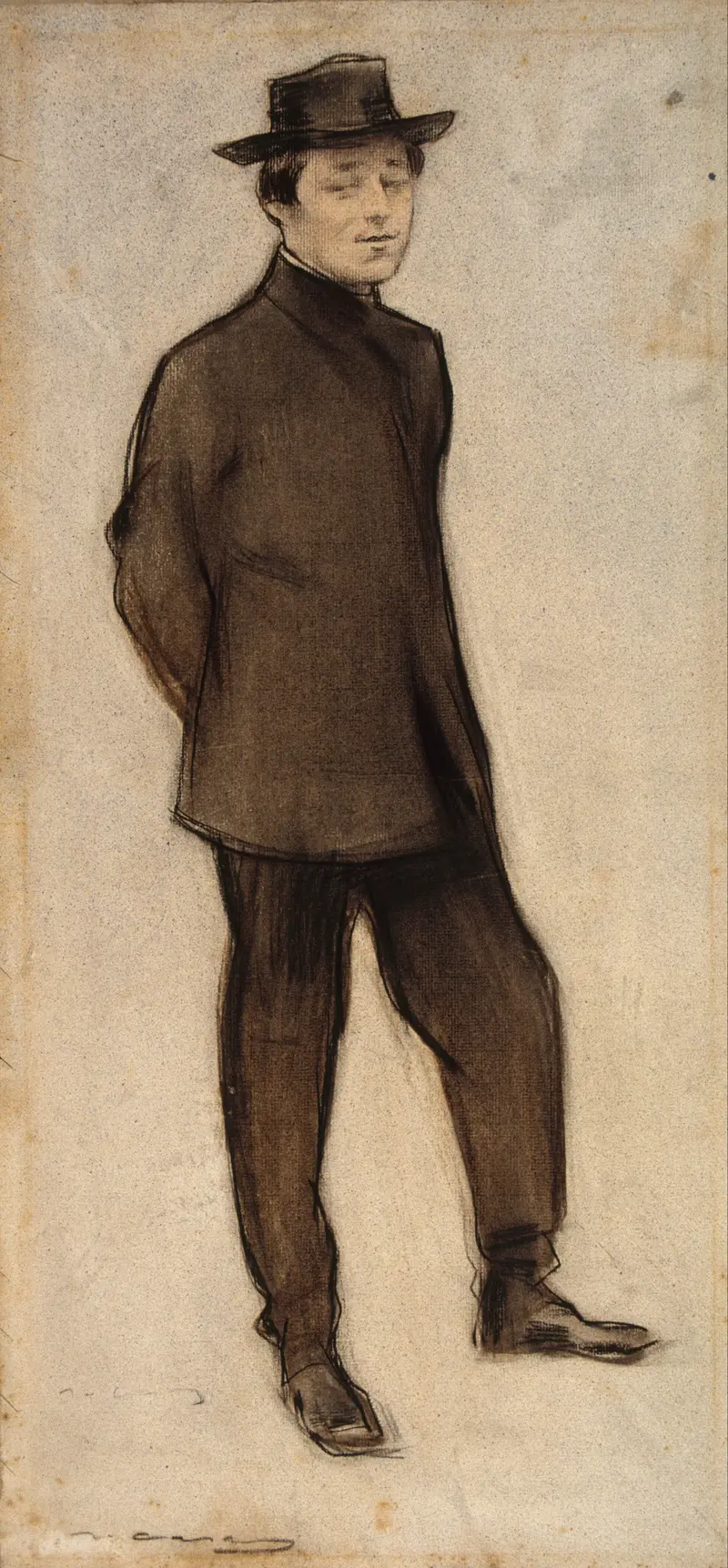
Portrait of Isidre Nonell
Ramón Casas
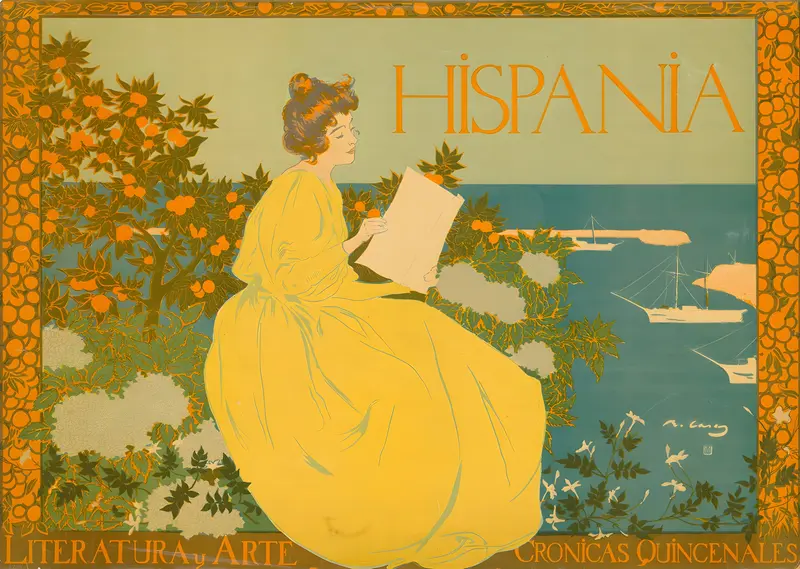
Hispania. Literatura y arte
Ramón Casas
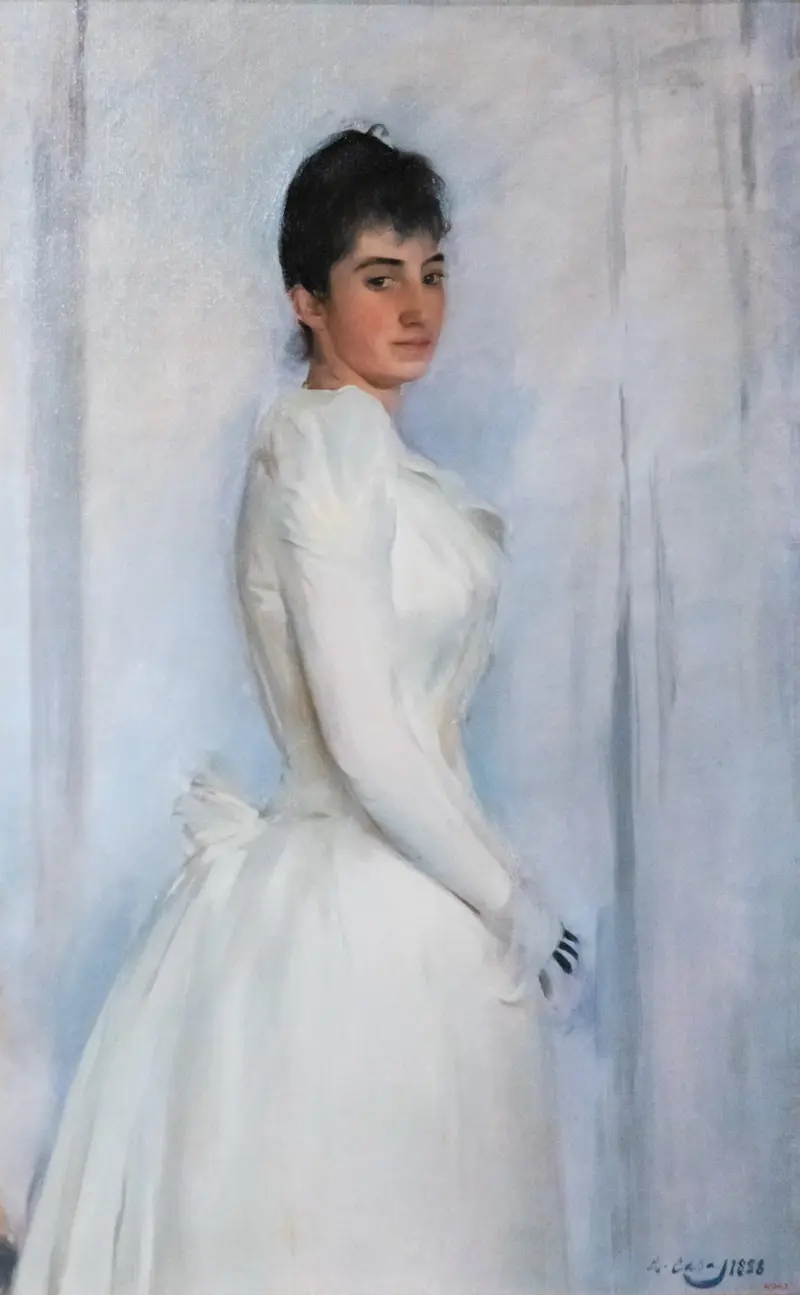
Portrait Of Montserrat Carbó
Ramón Casas
More Landscape Art

The Starry Night
Vincent van Gogh

View of Delft
Johannes Vermeer

Water Lilies
Claude Monet

The Grand Canal, Venice, looking north-west from the Ca' Corner to the Ca' Contarini degli Scrigni, with the campanile of Santa Maria della Carità
Canaletto

Windsor Castle
Canaletto

The Grand Canal looking North-East from the Palazzo Dolfin-Manin to the Rialto Bridge
Canaletto