
Poissy — History & Facts
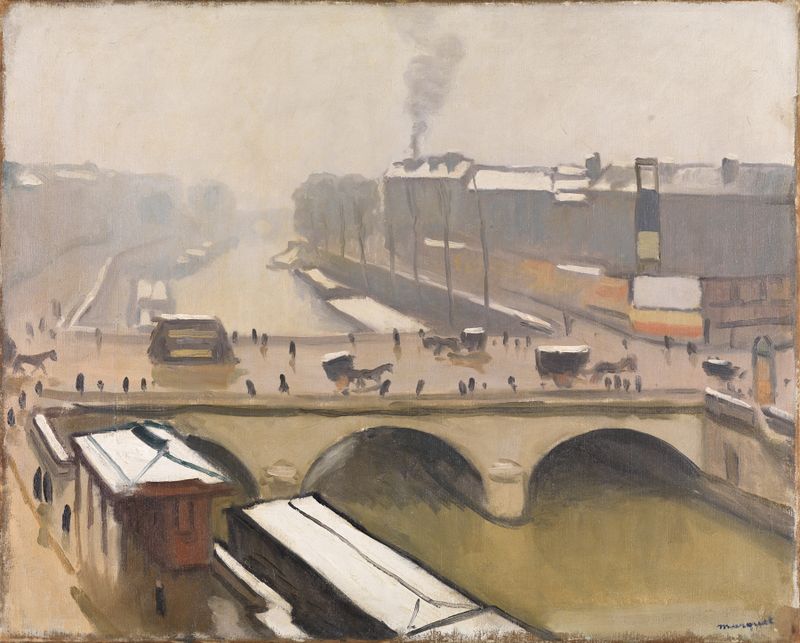
In the stillness of Poissy, the echoes of loss linger, capturing a moment forever frozen in time. The river, a silent witness, flows through the canvas, while nature whispers the secrets of what once was. Focus first on the serene waterway, where reflections dance playfully upon the surface. The gentle blues and soft greens meld seamlessly, drawing the eye to the horizon where the sky meets the river.
Notice how Marquet’s technique creates a fluidity that mimics the current, evoking a sense of tranquility. The brushstrokes, though loose, reveal both the essence of the landscape and an emotional depth that invites introspection. The juxtaposition of vibrancy and stillness in the colors speaks of a poignant nostalgia. The quiet trees along the banks stand sentinel, their solidity contrasting with the ephemeral nature of the water.
Each stroke carries a weight of memory, hinting at the beauty of moments passed, the tenderness of what has been lost, and perhaps a longing for connection. This tension between remembrance and absence permeates the canvas, allowing the viewer to feel the artist's own yearning. In 1929, Marquet painted Poissy while living in France, a time when the art world was shifting towards modernity. Having established himself as a key figure in the Fauvist movement, he was deeply influenced by the interplay of color and light in nature.
This period of his life was marked by both personal and artistic exploration, all of which resonates within the tranquil landscape of this poignant piece.
More Artworks by Albert Marquet
Browse all →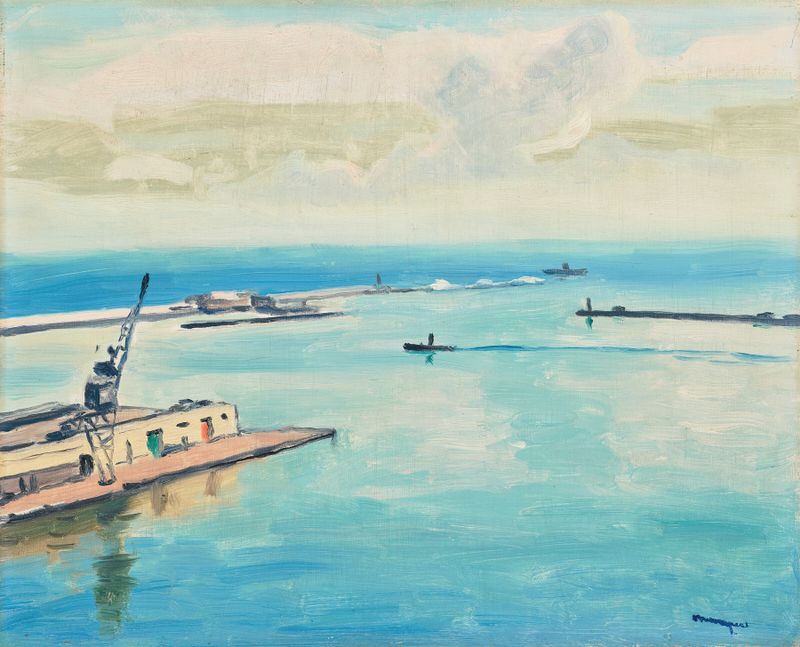
Le Port d’Alger
Albert Marquet
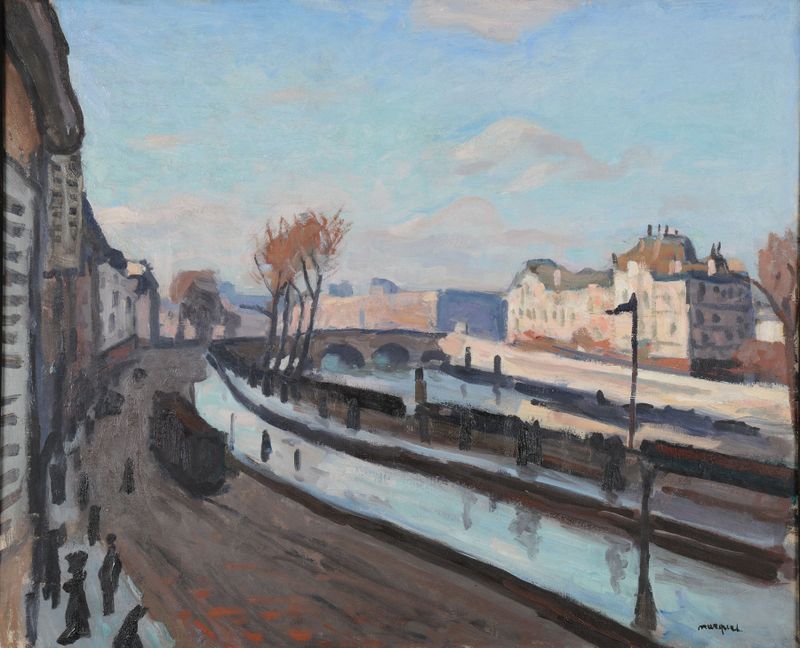
Le quai des Grands Augustins
Albert Marquet
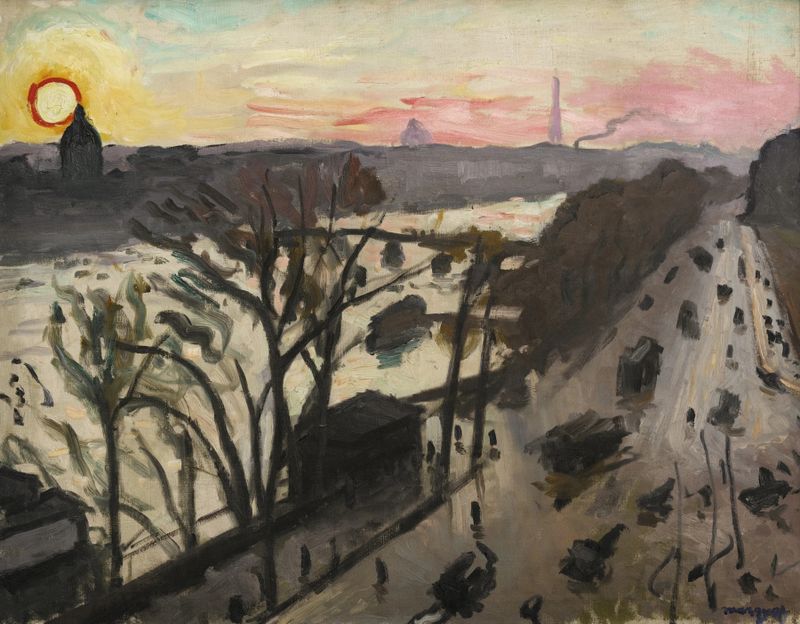
Paris, quai du Louvre, soleil d’hiver
Albert Marquet
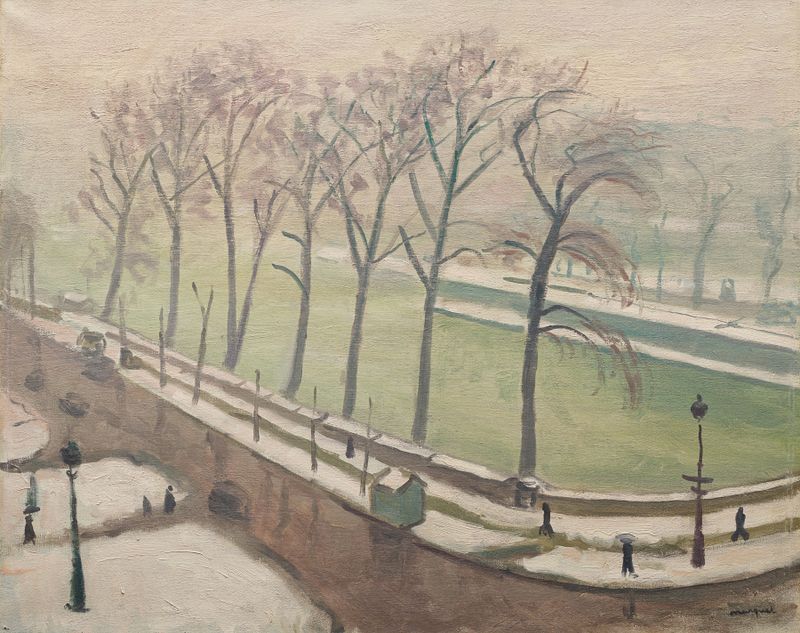
Pont-Neuf sous la neige
Albert Marquet
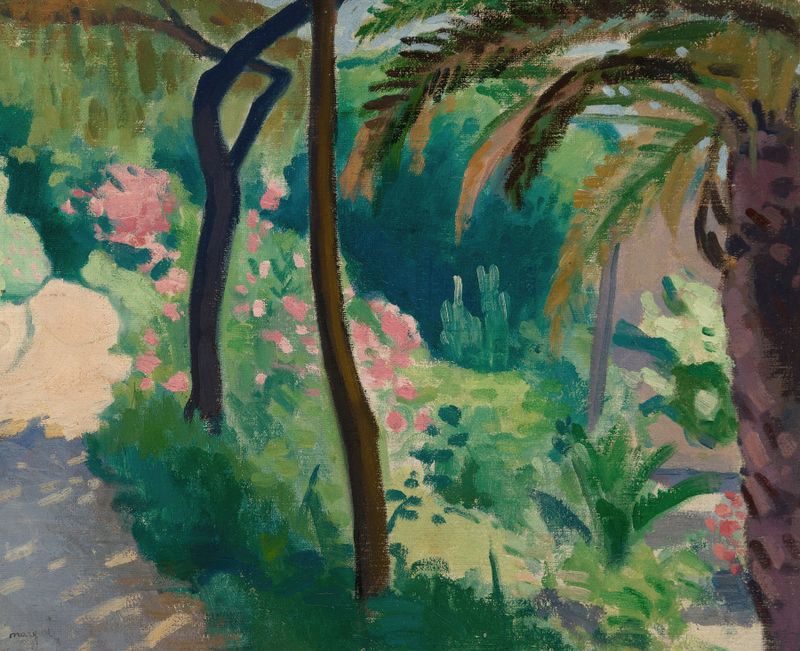
Le jardin à l’Estaque
Albert Marquet
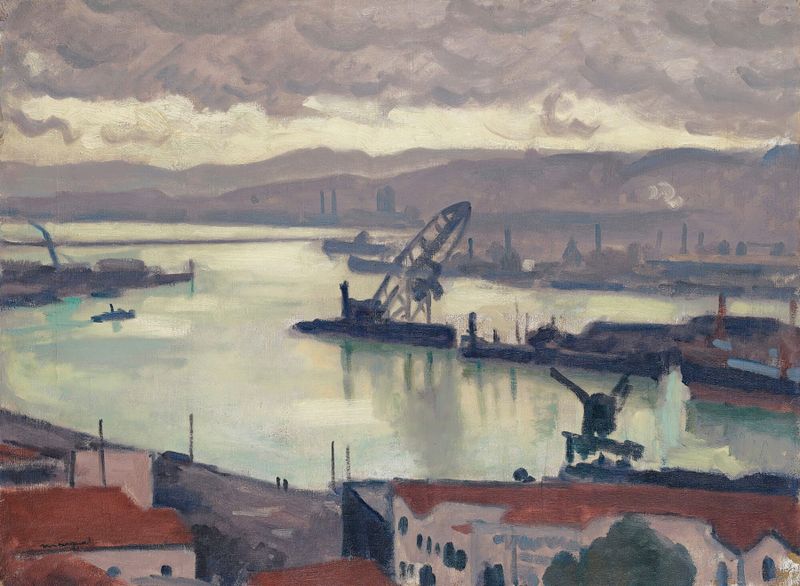
Alger, Temps Gris
Albert Marquet
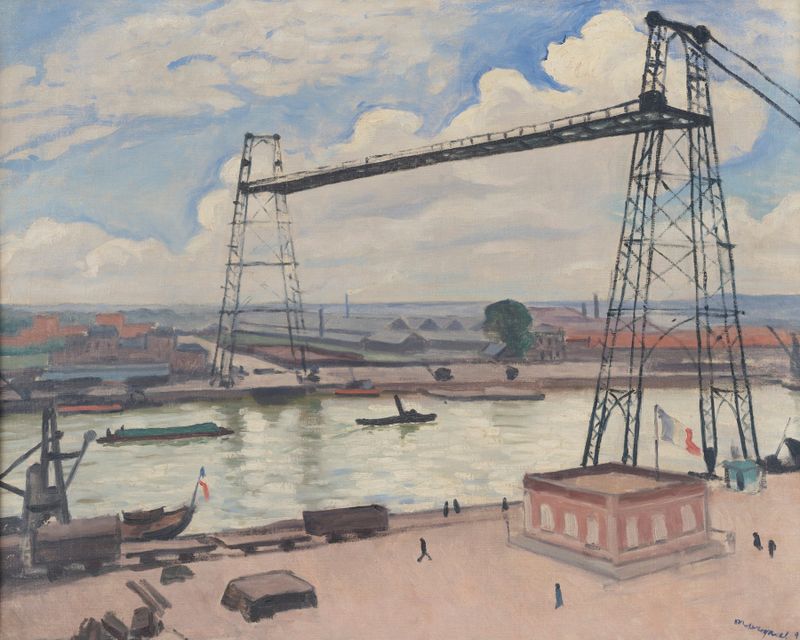
Rouen, le pont transbordeur
Albert Marquet
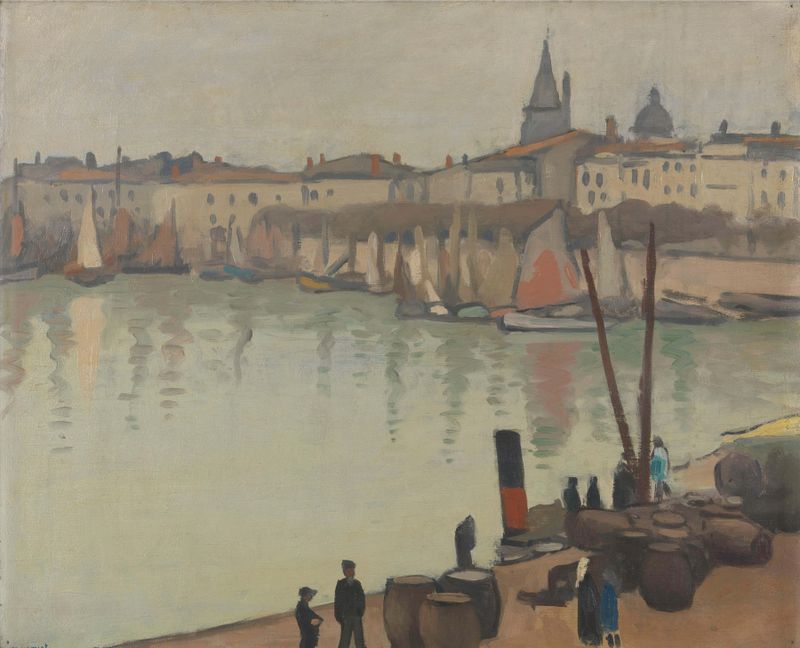
Port of La Rochelle
Albert Marquet

Berge de la Seine à Méricourt
Albert Marquet
View of the Pont Saint-Michel in Paris
Albert Marquet





