
Polycrates’ Crucifixion — History & Facts
In Polycrates’ Crucifixion, Salvator Rosa presents a dramatic scene filled with dark colors and intense emotions. The figures are depicted in a moment of anguish, with the central figure of Polycrates on the cross. Surrounding him are various characters, each expressing their own despair and sorrow.
The setting is somber, enhancing the painting's overall atmosphere of tragedy. The painting is executed in oil on canvas, a common medium for the Baroque period. Rosa's use of chiaroscuro creates a striking contrast between light and shadow, emphasizing the emotional weight of the scene. The brushwork is dynamic, with vigorous strokes that add to the sense of movement and drama.
Viewers can appreciate the intricate details in the figures' expressions and the surrounding environment. Salvator Rosa was known for his dramatic and often dark themes, and Polycrates’ Crucifixion is a prime example of this. The painting reflects Rosa's interest in the tragic narratives of history and mythology. An interesting fact about this work is that it illustrates the story of Polycrates, a tyrant of Samos, whose fate was a cautionary tale about hubris.
This piece showcases Rosa's ability to blend historical narrative with emotional depth.
More Artworks by Salvator Rosa

Bandits on a Rocky Coast
Salvator Rosa
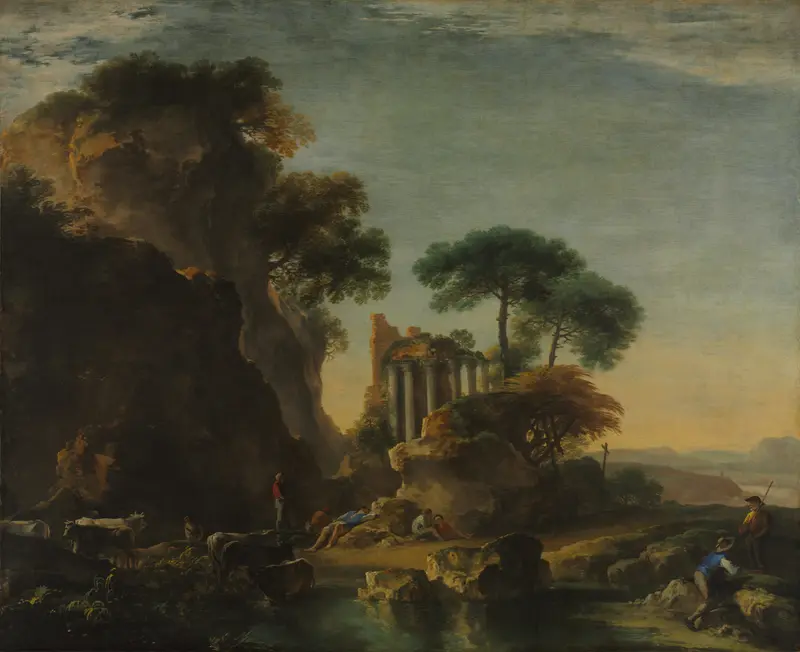
Ruins in a Rocky Landscape
Salvator Rosa
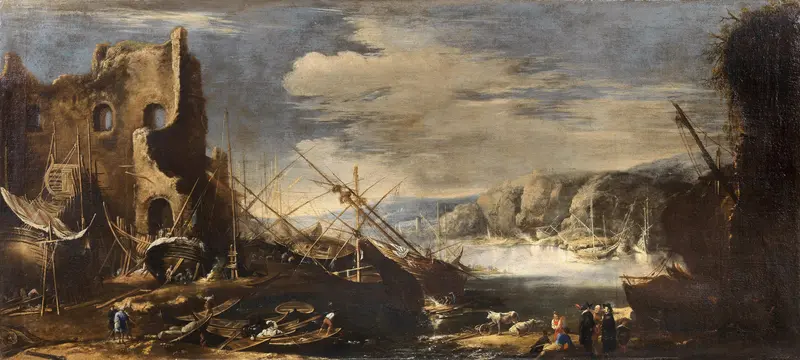
A coastal landscape with shipwrecks and ruins
Salvator Rosa
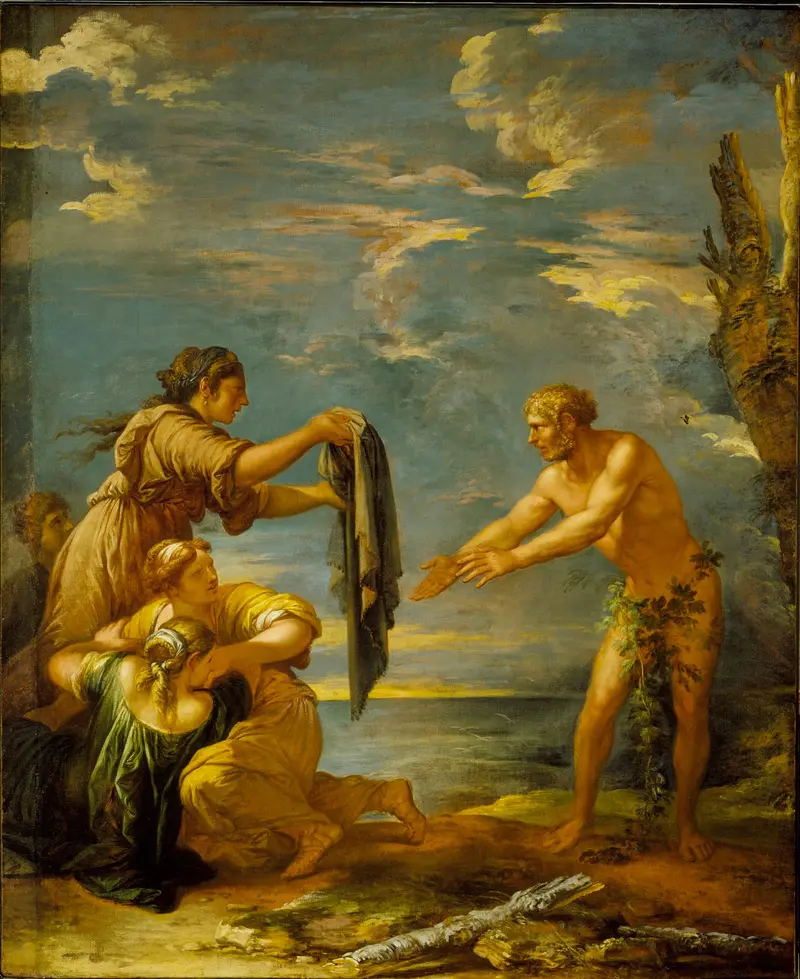
Odysseus and Nausicaa
Salvator Rosa
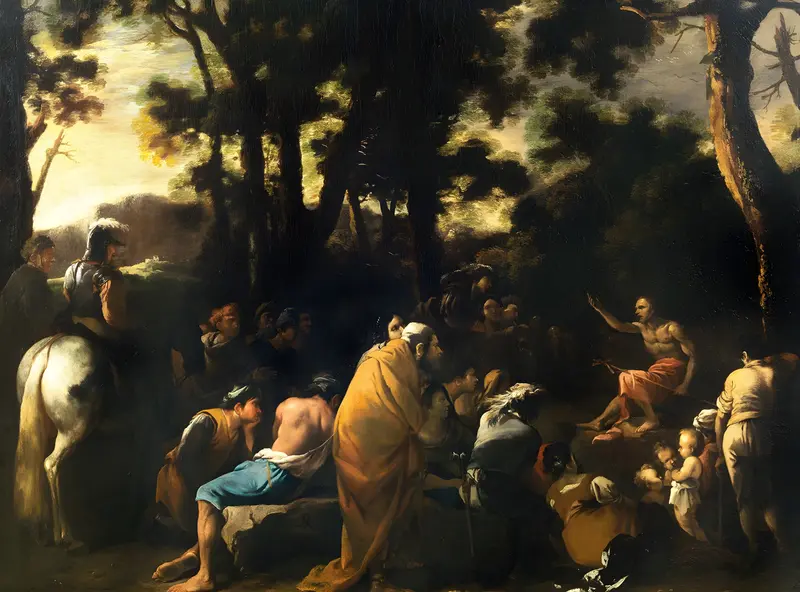
The Sermon of Saint John the Baptist
Salvator Rosa
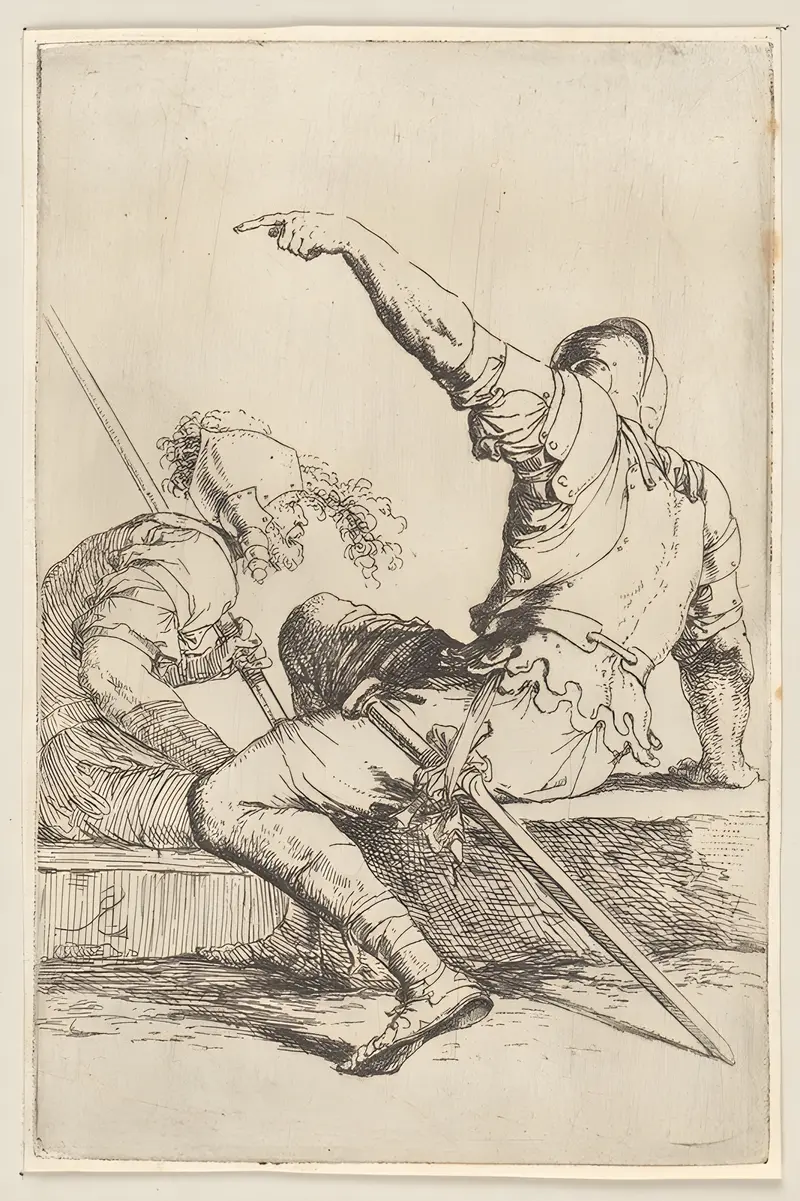
Two soldiers Seated on a Rectangular Stone
Salvator Rosa
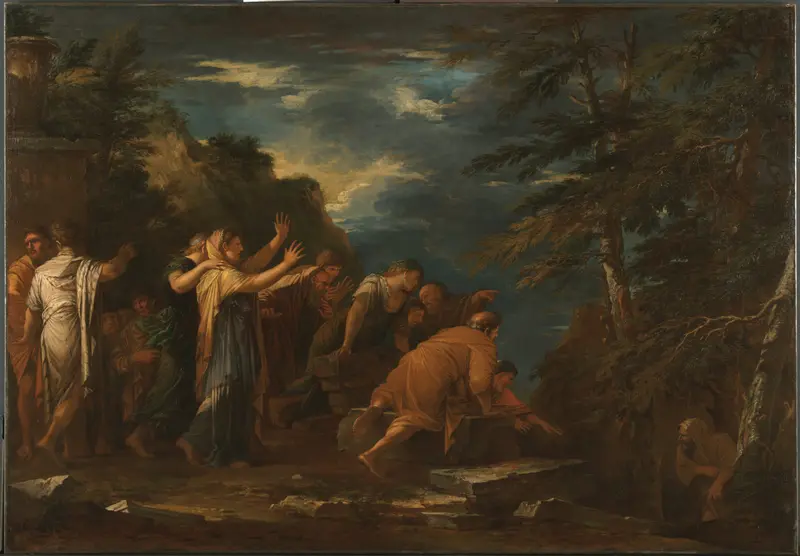
Pythagoras Emerging from the Underworld
Salvator Rosa
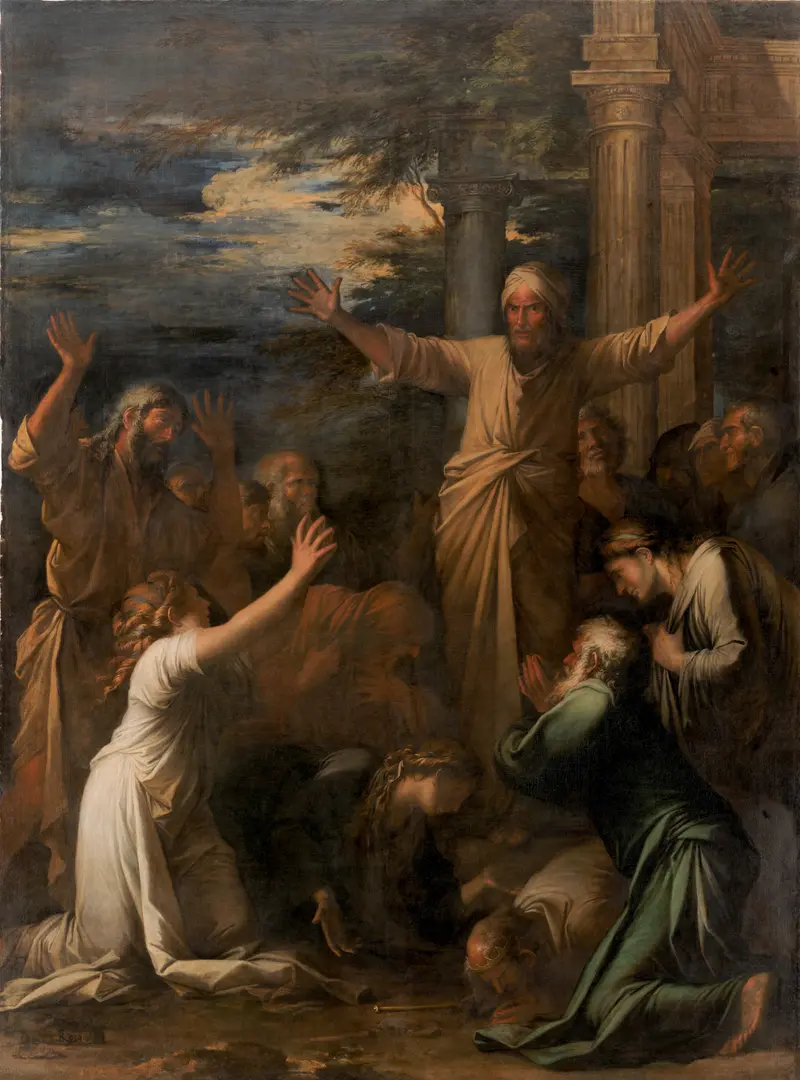
Jonah Preaching to the People of Niniveh
Salvator Rosa
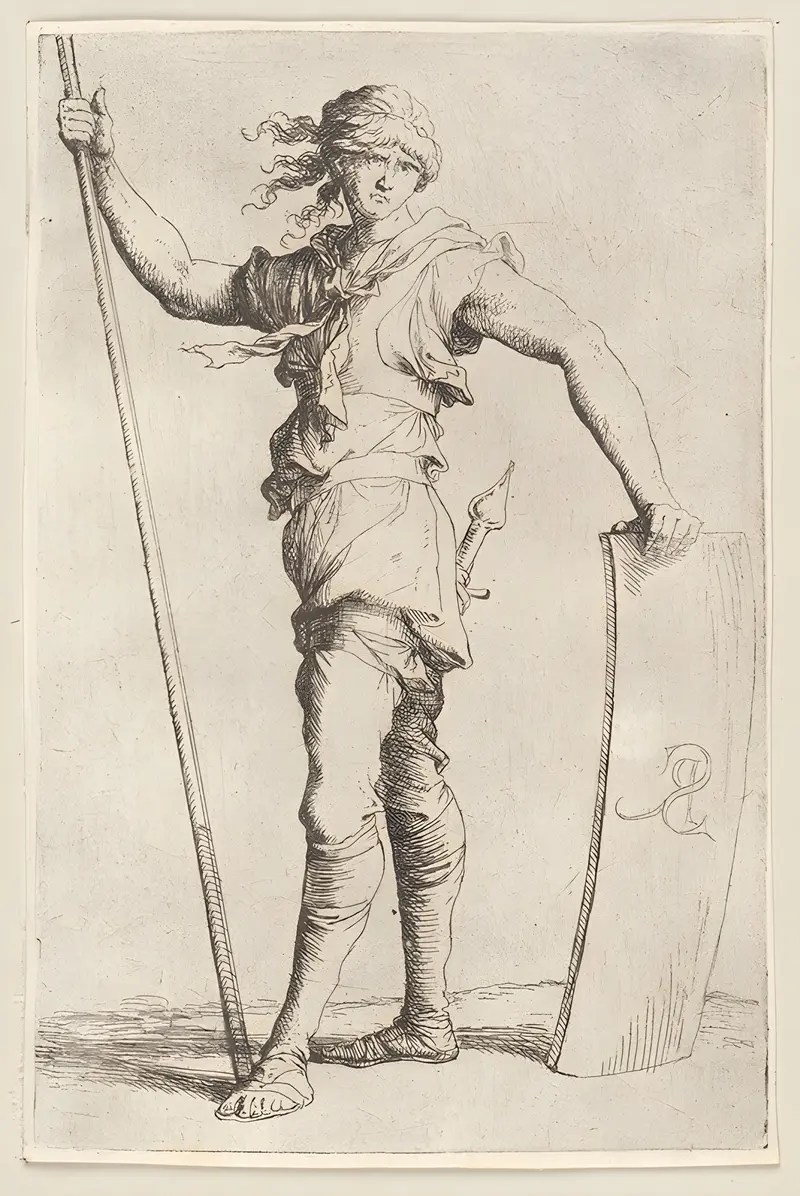
Soldier Holding a Cane and His Shield, Facing Left
Salvator Rosa

Soldier, Standing, Holding a Pike with Both Hands
Salvator Rosa





