
Pont Aberglasslin — History & Facts
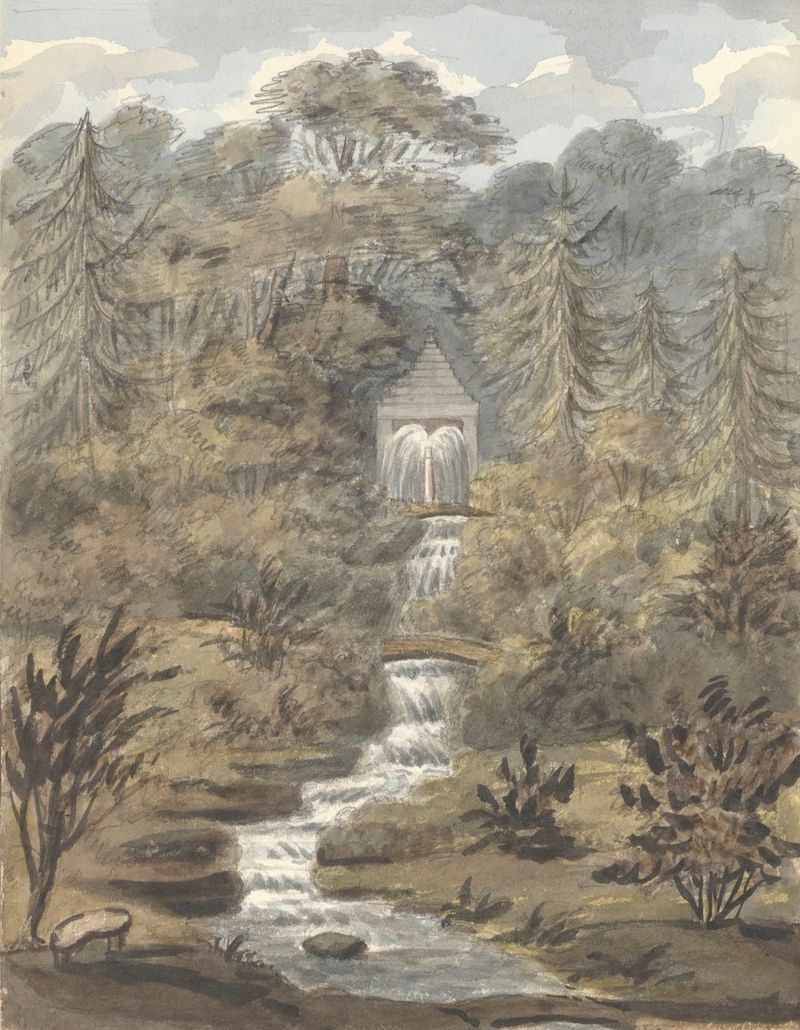
What if beauty was never meant to be finished? A fleeting moment, captured in time, reveals the delicate balance between nature and artistry, where every brushstroke whispers of impermanence. To truly appreciate the essence of this artwork, look closely at the shimmering river in the foreground. Notice how the light dances upon its surface, creating a mosaic of reflections that beckon the eye to linger. Focus on the subtle gradations of color in the sky, where soft blues meld into warm hues, suggesting the fading light of day.
The composition invites you to traverse the landscape; the bridge elegantly arches, connecting the serene banks, while the trees stand sentinel, their vibrant greens a testament to life’s resilience. Yet, beneath its idyllic beauty lies a deeper narrative. The contrast between the tranquil river and the intricate bridge hints at the intersection of human endeavor and the untouched splendor of nature. Each element—the gentle flow of water against the solid structure—echoes the tension between permanence and transience, suggesting that while humanity strives for enduring beauty, the natural world remains ever-changing.
The delicate interplay of light and shadow imbues the scene with a sense of serenity, while also hinting at the inevitable passage of time. Created between 1824 and 1832, this piece emerged during a time of artistic exploration and romanticism in Britain. Anne Rushout, who painted it, was an emerging figure in landscape art, capturing the sublime qualities of the English countryside. The early 19th century marked a shift towards valuing the emotional and aesthetic experience of nature, as artists sought not only to depict the world around them but to evoke the profound feelings it inspired.
More Artworks by Anne Rushout
Browse all →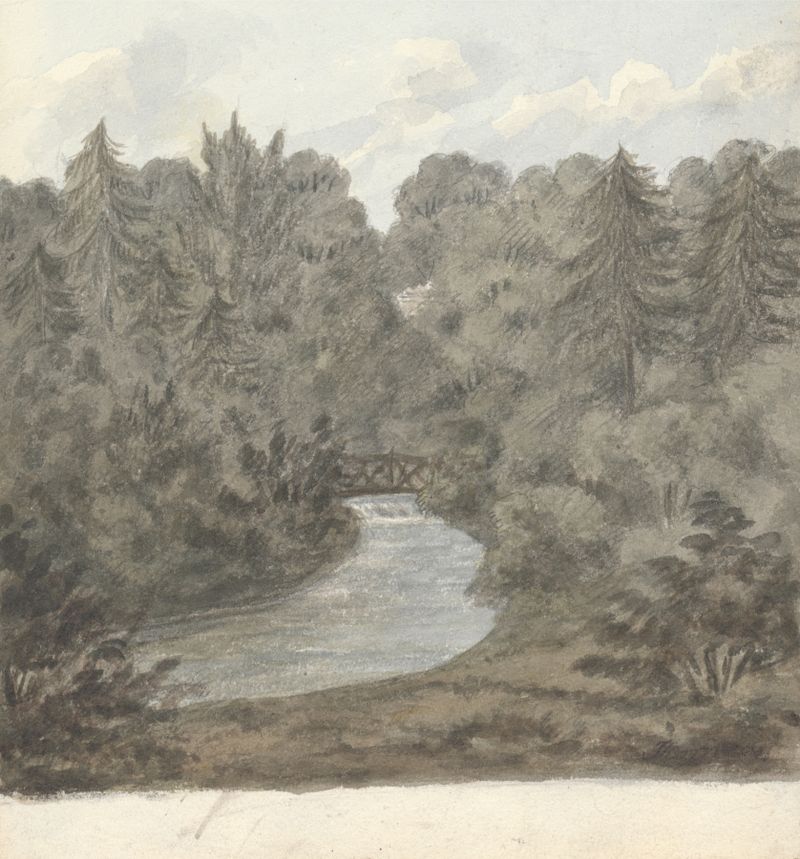
Thornery Pool, Sezincote
Anne Rushout
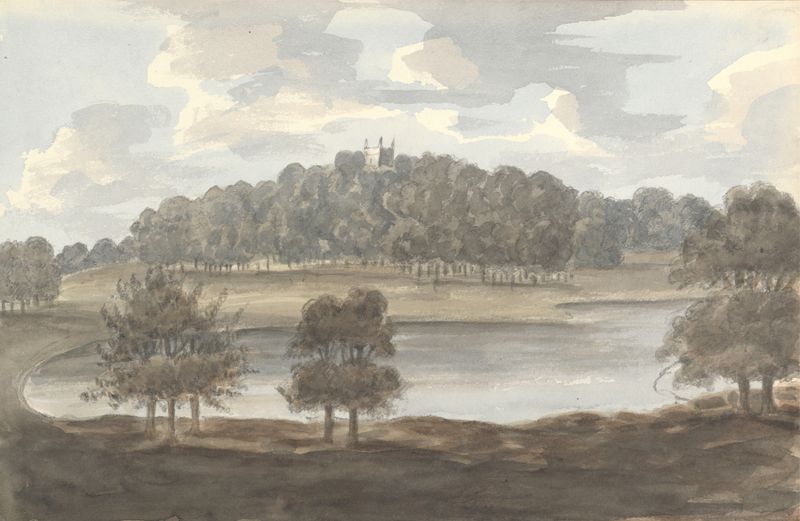
Holkham, August 1824
Anne Rushout

Grove Cottage, Wanstead May 18th, 1825
Anne Rushout
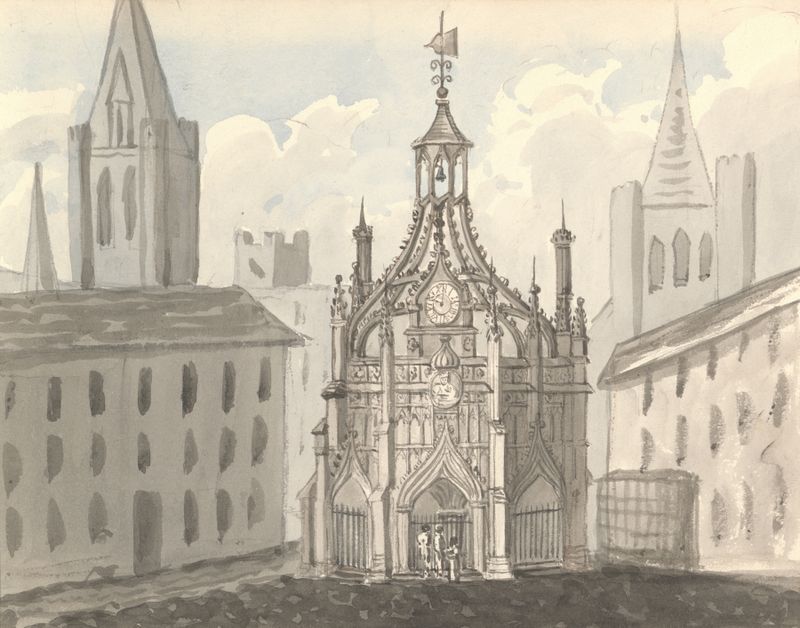
From Inn at Chichester, July 1828
Anne Rushout
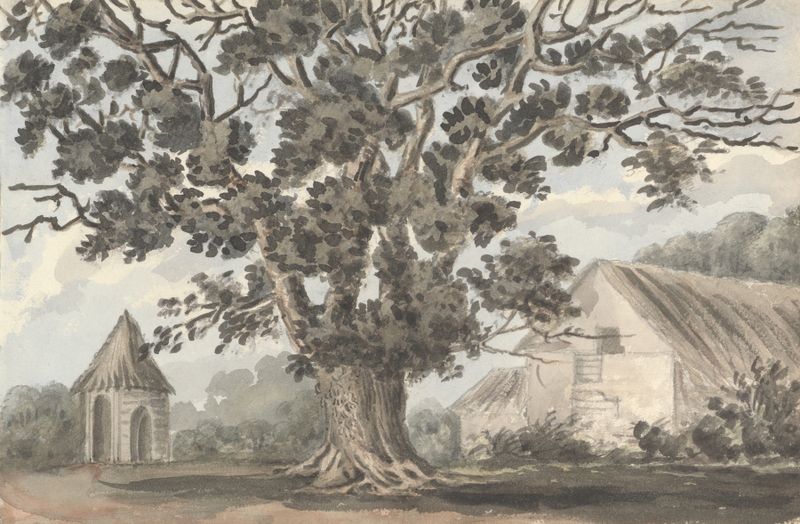
Queen Elizabeth’s Oak near Finborough Hall
Anne Rushout

Holkham, August 1824
Anne Rushout
Temple and Falls, Sezincote
Anne Rushout

From Flower Garden, Wanstead Grove
Anne Rushout

From Window at Eastnor Castle, Gloucestershire Beacon, September 28, 1829
Anne Rushout

From Portico at Wanstead Grove, May 24, 1825
Anne Rushout





