
Pont du Carrousel — History & Facts
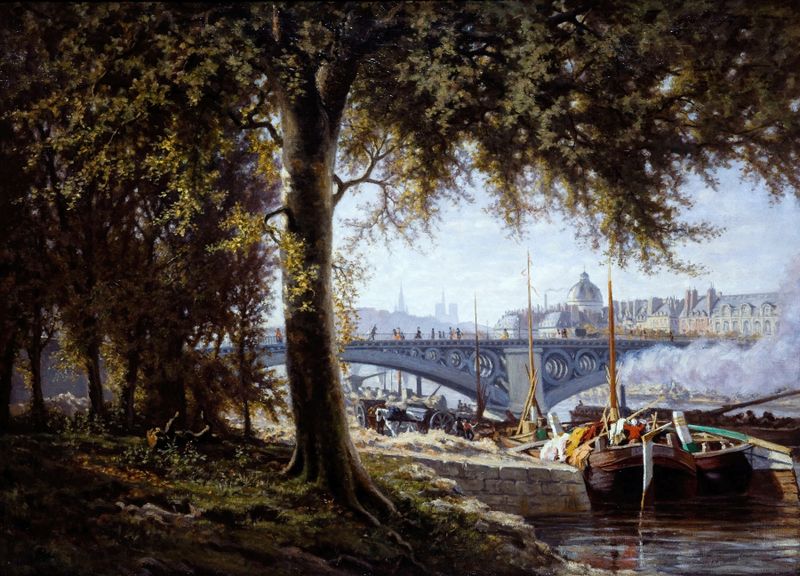
Can paint confess what words never could? In Pont du Carrousel, Alfred Alexandre Delauney captures the ephemeral beauty of life and mortality, as a bridge stands resolute against the passage of time, inviting contemplation of what lies beyond its arches. Focus on the shimmering reflections in the water below, where the bridge is both anchored in reality and floating in dreams. The interplay of cool blues and warm ochres creates a dialogue between the elements, while the delicate brushwork conveys a sense of movement, as if the scene might shift with the next ripple. Notice the distant figures, their presence faint yet significant, evoking a sense of shared experience amidst individual journeys. The painting invites deeper introspection: the solid structure of the bridge symbolizes permanence, while the fragile reflections remind us of the fleeting nature of life.
The soft haze enveloping the horizon hints at the unknown, suggesting both hope and uncertainty. This contrast resonates with the viewer, evoking a tension between stability and transience in the continuum of existence. Delauney created this work in 1866 while in Paris, a city bustling with artistic innovation and societal change. During this period, the artist was exploring new techniques and perspectives, influenced by the emerging Impressionist movement.
His choice to depict a familiar landmark reveals both personal and universal themes, highlighting the transient beauty of existence against the backdrop of a rapidly modernizing world.
More Artworks by Alfred Alexandre Delauney
Browse all →
Eglise St-Etienne du Mont, côté nord
Alfred Alexandre Delauney
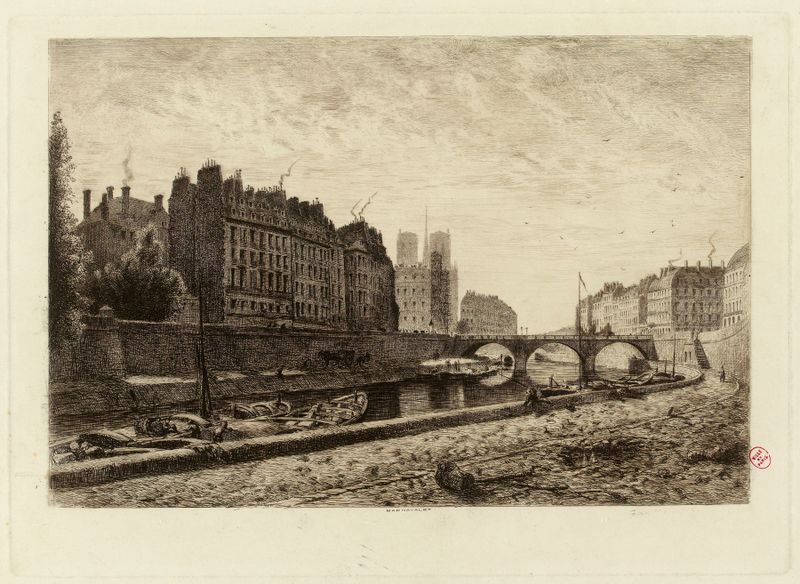
Pont St-Michel
Alfred Alexandre Delauney

Ancienne poterne du Palais de Justice, quai des Orfèvres
Alfred Alexandre Delauney
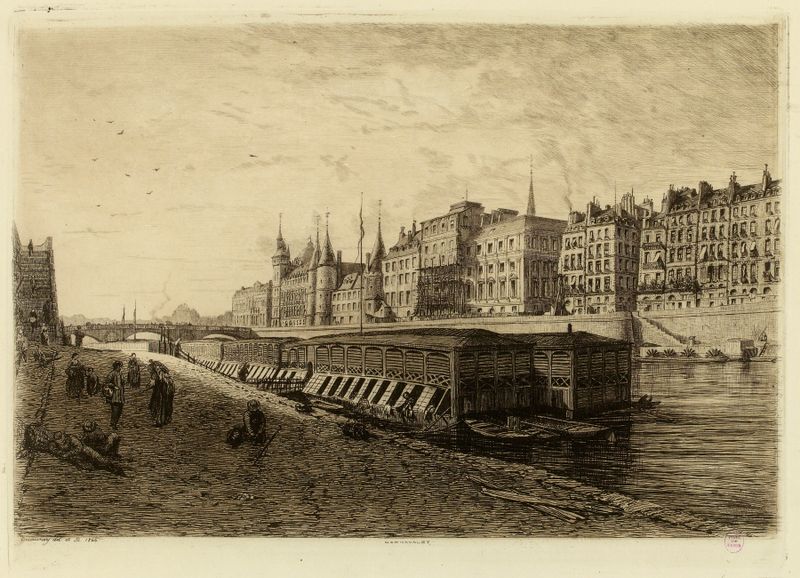
Quai de l’Horloge
Alfred Alexandre Delauney
Le Pont des Saints-Pères
Alfred Alexandre Delauney

Pont-Neuf et quai Conti
Alfred Alexandre Delauney
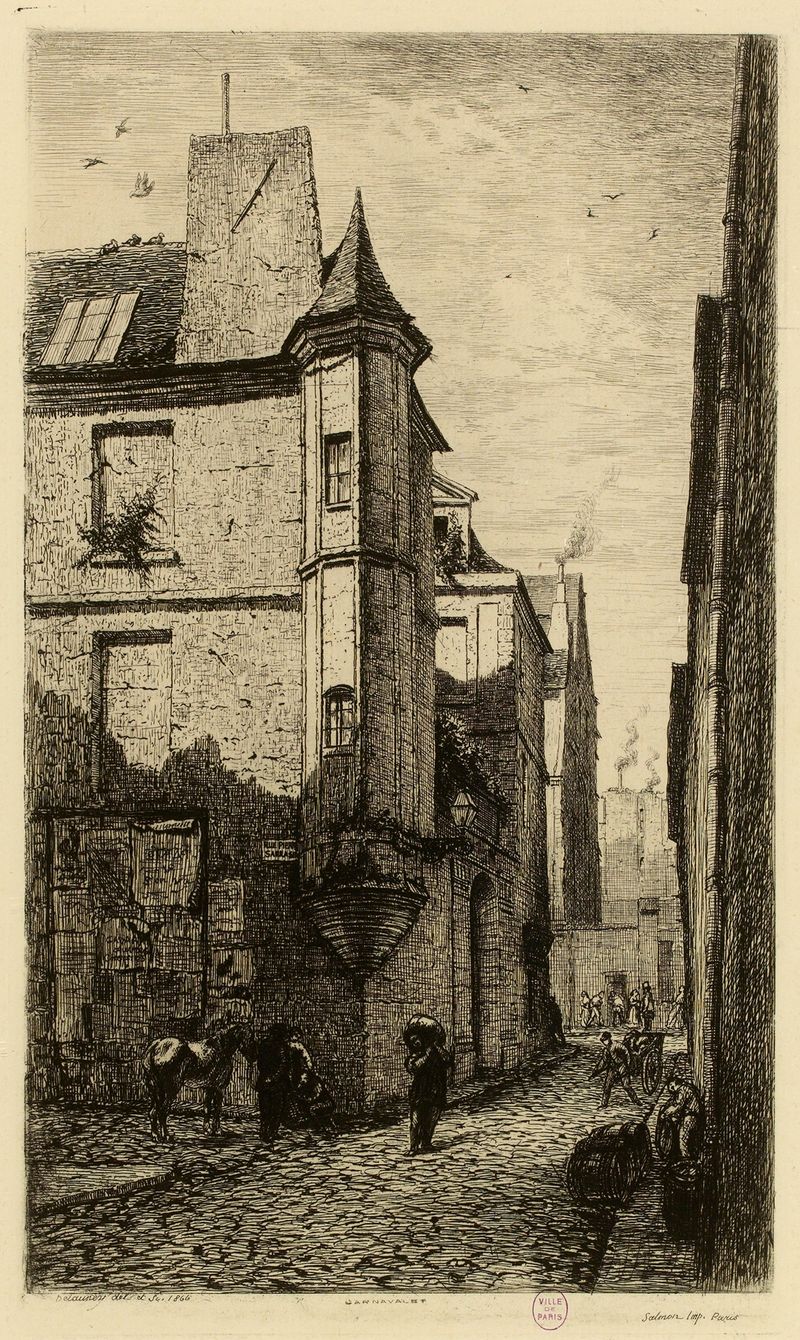
Tourelle rue Hautefeuille
Alfred Alexandre Delauney
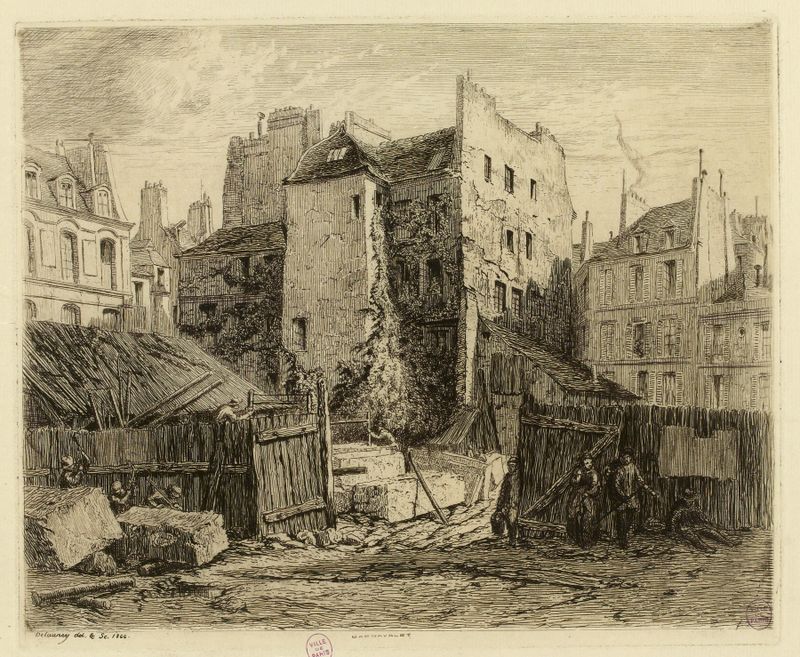
Maisons rue du Cloître Notre-Dame
Alfred Alexandre Delauney
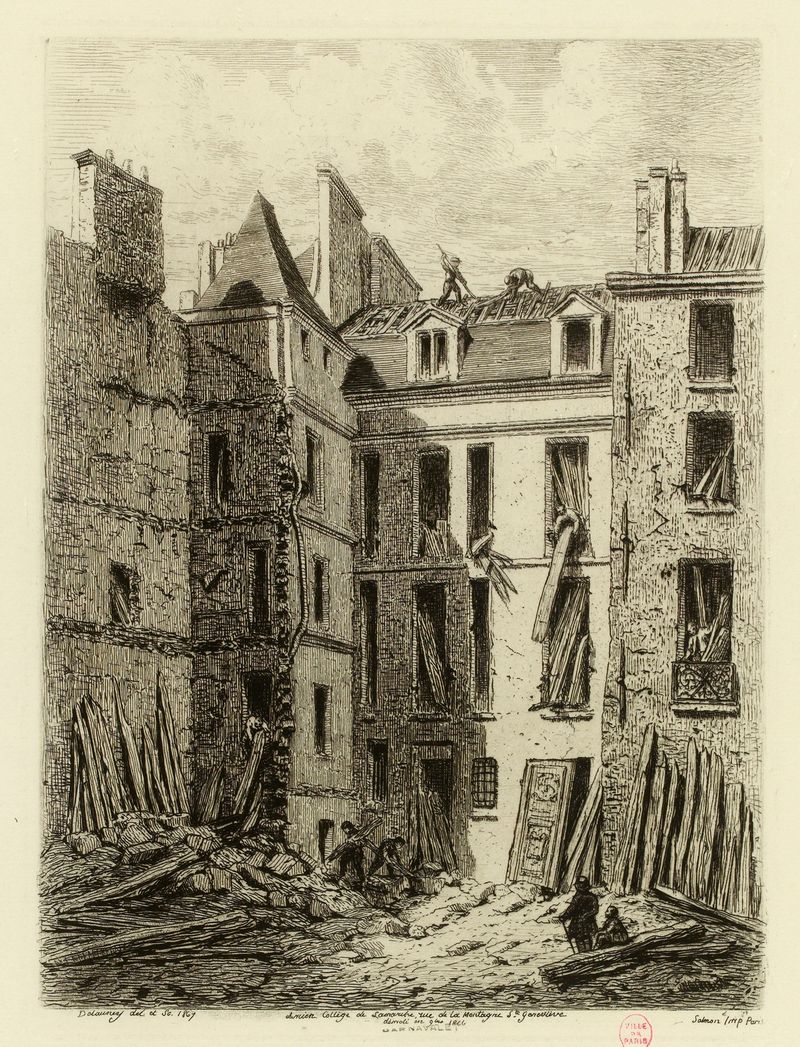
Ancien collège de Lamarche rue de la Montagne Ste-Geneviève, démoli en octobre 1866
Alfred Alexandre Delauney

Rue Grenier sur l’eau à Paris
Alfred Alexandre Delauney
More Architecture Art
Browse all →
The statue of Liberty
Frédéric Auguste Bartholdi

View of Houses in Delft, Known as ‘The Little Street’
Johannes Vermeer

View of Houses in Delft, Known as ‘The Little Street’
Johannes Vermeer

The Cathedral in Rouen. The portal, Grey Weather
Claude Monet

The yellow house
Vincent van Gogh

The Church in Auvers-sur-Oise, View from the Chevet
Vincent van Gogh