
Ponte Vecchio — History & Facts
Did the painter know this moment would outlive them? The vibrant hues of Ponte Vecchio suggest a timeless quality, as if the scene captures not just a place but an enduring spirit. Look to the left, where the warm, golden glow of the setting sun bathes the weathered stones of the bridge, each brushstroke infused with energy. Notice how the reflections on the water ripple with a playful dance of light and color, drawing the eye across the canvas and inviting contemplation. The artist employs a palette that marries ochres and deep blues, creating harmony while emphasizing the dynamic interplay between nature and architecture. In the heart of the painting lies a tension between permanence and transience.
The sturdy bridge stands resolute against the ever-changing flow of water, which mirrors the fleeting moments of life. Subtle details, like the figures of pedestrians in motion, hint at stories untold, while the shadows they cast evoke the passage of time, reminding viewers that each fleeting second is woven into the fabric of history. Childe Hassam painted Ponte Vecchio in 1897 while living in Paris, a city buzzing with artistic innovation and influences from Impressionism. This period marked a significant evolution in his work, as he sought to capture the essence of light and color in new and evocative ways.
At the time, he was developing his own unique style, drawing inspiration from the vibrant scenes around him, while navigating the rapidly changing artistic landscape of the late 19th century.
More Artworks by Childe Hassam
Browse all →
Beach at Newport
Childe Hassam

Washington Arch, Spring
Childe Hassam

Thaxter’s Garden
Childe Hassam

New England Headlands
Childe Hassam

Rocks At Appledore, Morning
Childe Hassam
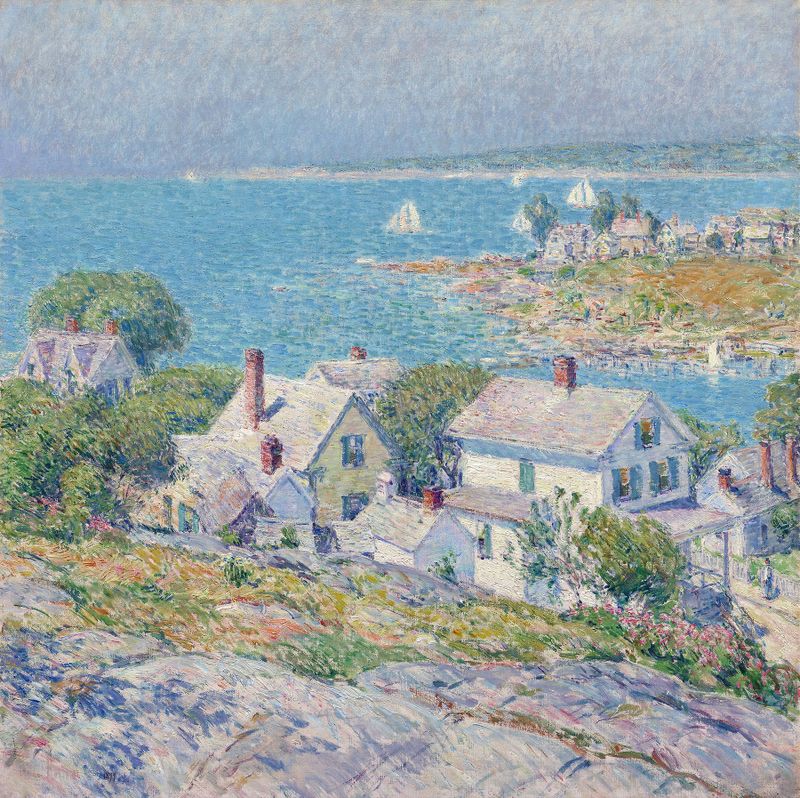
New England Headlands
Childe Hassam
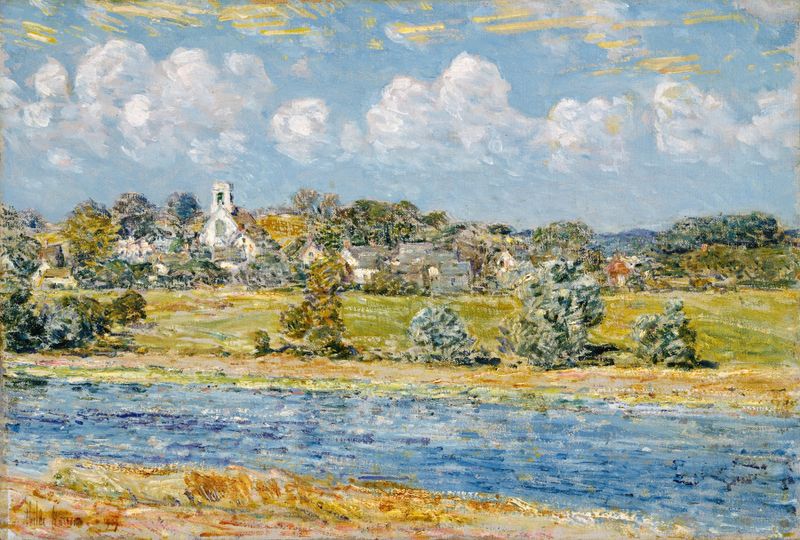
Landscape at Newfields, New Hampshire
Childe Hassam

Piazza di Spagna, Rome
Childe Hassam

The Harbor
Childe Hassam

Late Afternoon, New York, Winter
Childe Hassam





