
Porch at Wilton House designed by Hans Holbein — History & Facts
In the stillness of memory, the echoes of past moments resonate with poignant clarity. Look to the center of the composition where the porch stands, an inviting threshold that beckons exploration. The architectural details are finely rendered, showcasing Buckler’s meticulous attention to the interplay of light and shadow. Notice how the warm tones of the wooden pillars contrast with the cool blues of the sky, creating a dialogue between nature and structure.
Every brushstroke seems to breathe life into the scene, capturing not just a physical space but an emotional one. Beyond the surface beauty, the artwork hints at deeper narratives of memory and belonging. The porch, an intermediary space between indoors and outdoors, symbolizes a boundary where time blurs. It serves as a reminder of lives lived, laughter shared, and the quiet moments that often slip away unnoticed.
The careful arrangement of elements suggests both confinement and freedom, evoking a sense of nostalgia as if the artist is inviting viewers to step into a recollection of his own. In 1804, John Buckler painted this scene while residing in England, an era rich with architectural revival and historical reflection. As a prominent figure in the artistic community, he was deeply engaged with the past, often drawing inspiration from historical architecture. This period was marked by a burgeoning interest in Neoclassicism, and Buckler’s work exemplifies that movement’s reverence for tradition intertwined with a personal touch.
More Artworks by John Buckler
Browse all →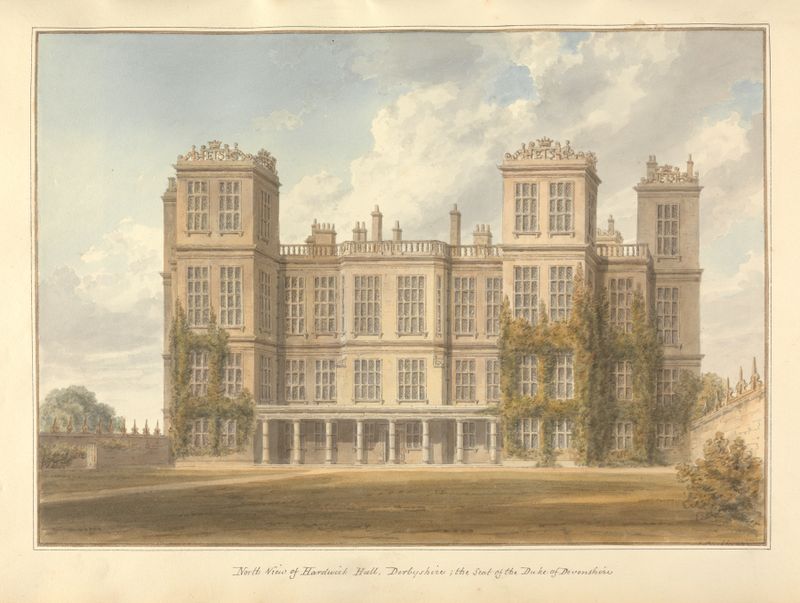
North View of Hardwick Hall, Derbyshire: the Seat of the Duke of Devonshire
John Buckler
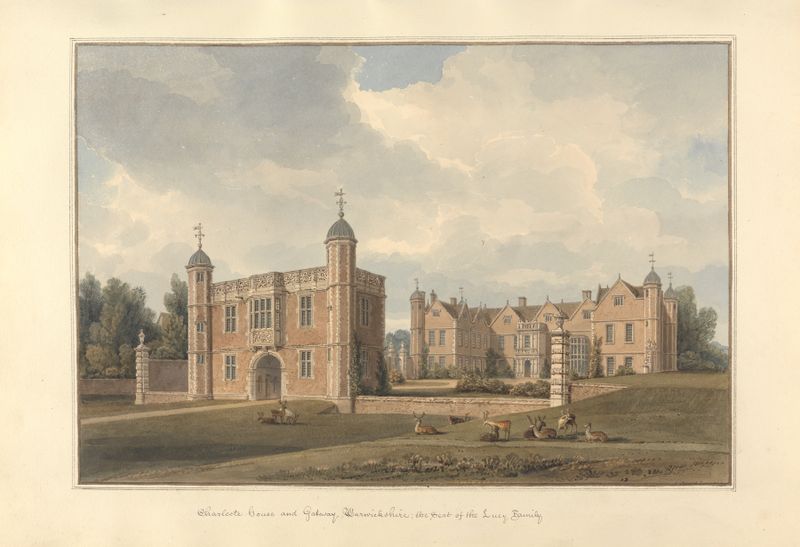
Charlcote house and Gateway, Warwickshire: the Seat of the Lucy Family
John Buckler

North East View of Holland House
John Buckler
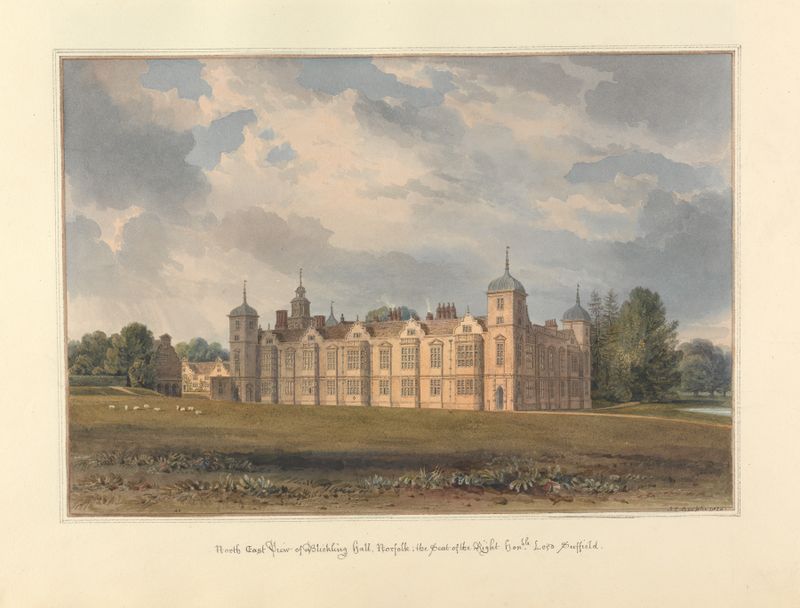
North East View of Blickling Hall, Norfolk: the Seat of the Right Hon’ble Lord Suffield
John Buckler
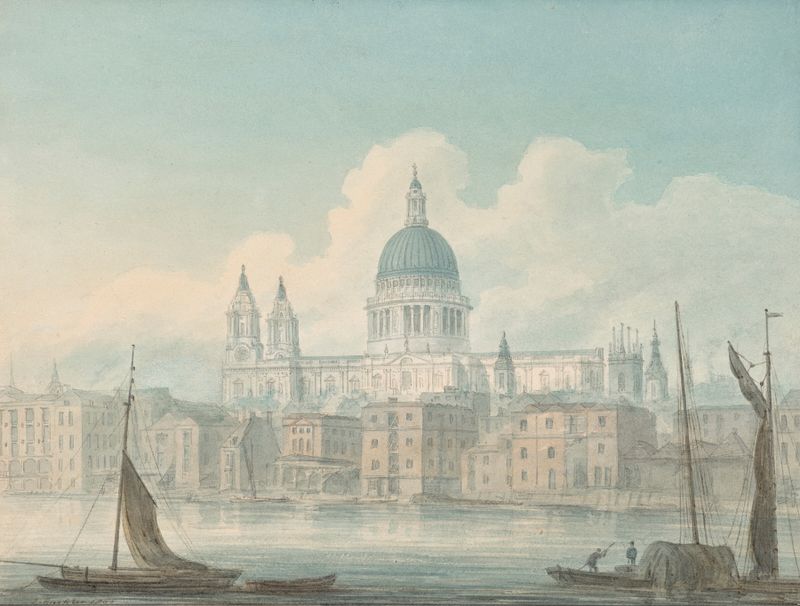
View of St Paul’s Cathedral, from the Southbank of the River Thames, London
John Buckler
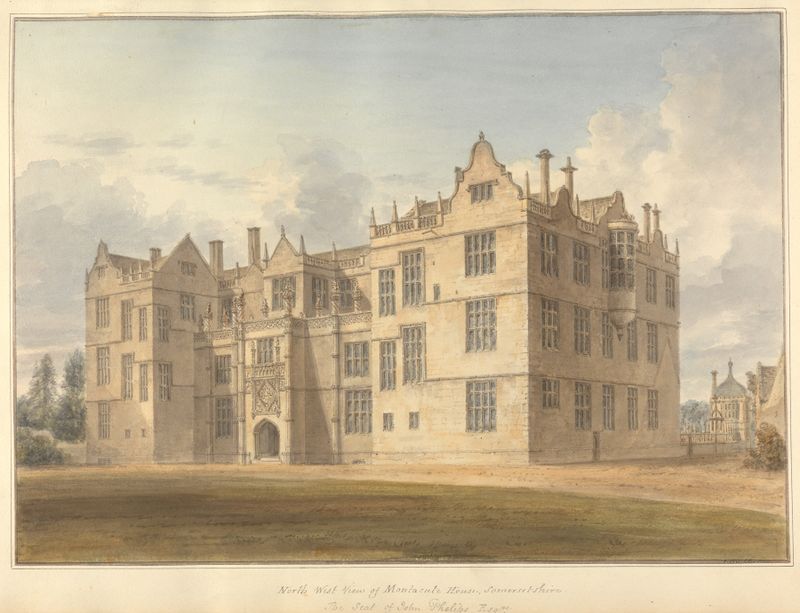
North West View of Montacute House, Somersetshire, The Seat of John Phelips Esqr.
John Buckler
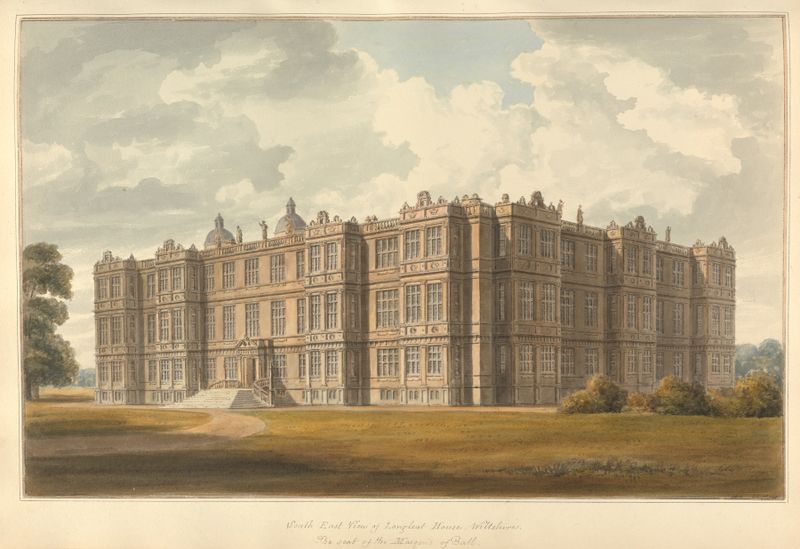
South East View of Longleat House, Wiltshire, the Seat of the Marquis of Bath
John Buckler
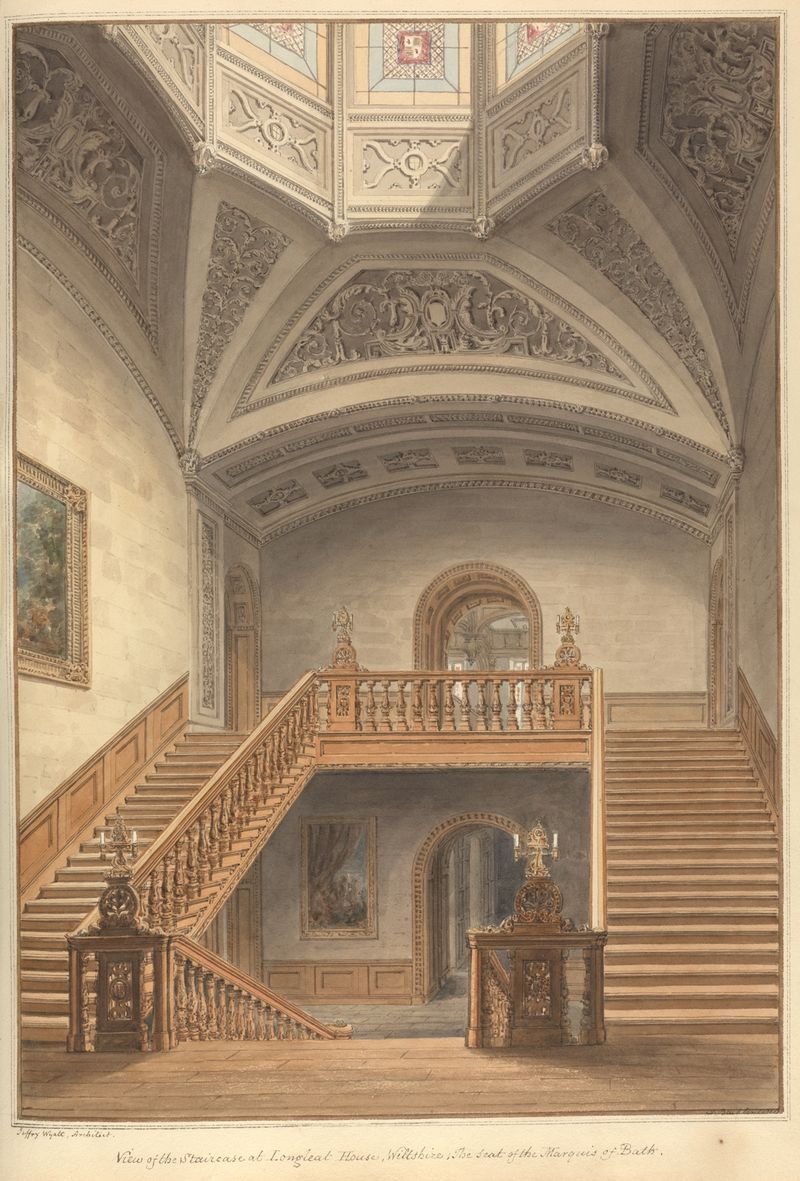
View of the Staircase at Longleat House, Wiltshire: the Seat of the Marquis of Bath
John Buckler
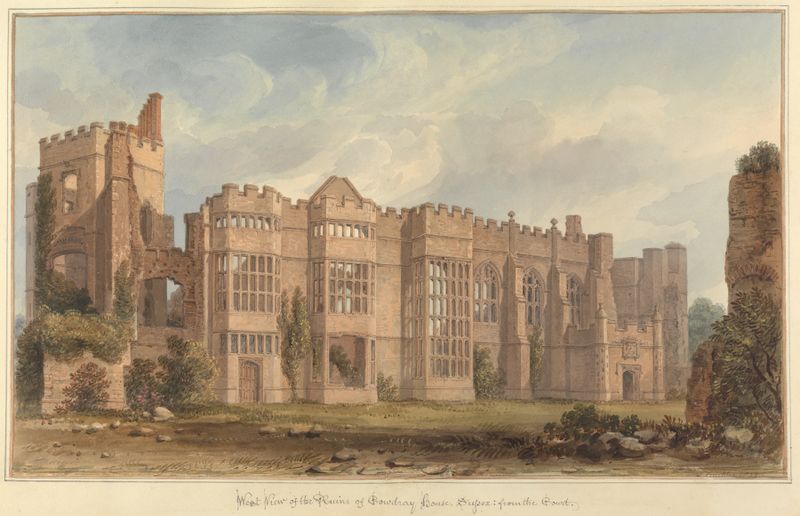
West View of the Ruins of Cowdray House, Sussex: from the Court
John Buckler
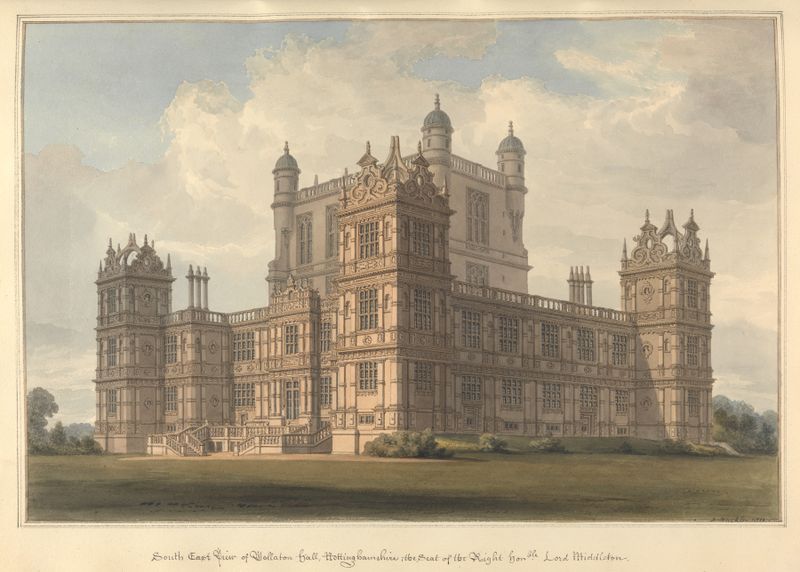
South East view of Wollaton hall, Nottinghamshire, the Seat of the Right honble. Lord Middleton
John Buckler
More Architecture Art
Browse all →
The statue of Liberty
Frédéric Auguste Bartholdi

View of Houses in Delft, Known as ‘The Little Street’
Johannes Vermeer

View of Houses in Delft, Known as ‘The Little Street’
Johannes Vermeer

The Cathedral in Rouen. The portal, Grey Weather
Claude Monet

The yellow house
Vincent van Gogh

The Church in Auvers-sur-Oise, View from the Chevet
Vincent van Gogh