
Porta Angelica and Part of the Vatican — History & Facts
In the stillness of this painted vista, the boundaries between reality and illusion blur, inviting us to question what we truly see. Focus on the grand archway, where the soft light filters through, casting delicate shadows on the cobblestone path below. This portal, painted with meticulous attention to detail, beckons the viewer’s eye, drawing your gaze toward the serene landscape beyond. The muted palette of browns and greens enhances the sense of calm, while Eckersberg’s precision captures the architectural magnificence of the Vatican, framing it with nature’s quiet embrace. Yet, within this idyllic scene lies a tension between the manmade and the organic.
The majestic arch is a symbol of human achievement, yet the verdant foliage intertwines with the structure, suggesting a harmonious coexistence or an inevitable decay. The contrast between the sturdy stone and the ephemeral leaves serves as a reminder of time’s passage, the illusion of permanence in a transient world. Each brushstroke reveals the artist's contemplation of beauty, truth, and the fleeting nature of existence. In 1813, Eckersberg painted this work while living in Rome, deeply influenced by the neoclassical revival and the burgeoning Romantic movement.
At this time, his artistic journey paralleled a cultural shift, as artists began exploring the interplay of emotions and the sublime in nature. Emerging from his studies in Denmark, Eckersberg found inspiration in the grandeur of Italian architecture, capturing the essence of his surroundings with a fresh perspective that would define his legacy.
More Artworks by Christoffer Wilhelm Eckersberg
Browse all →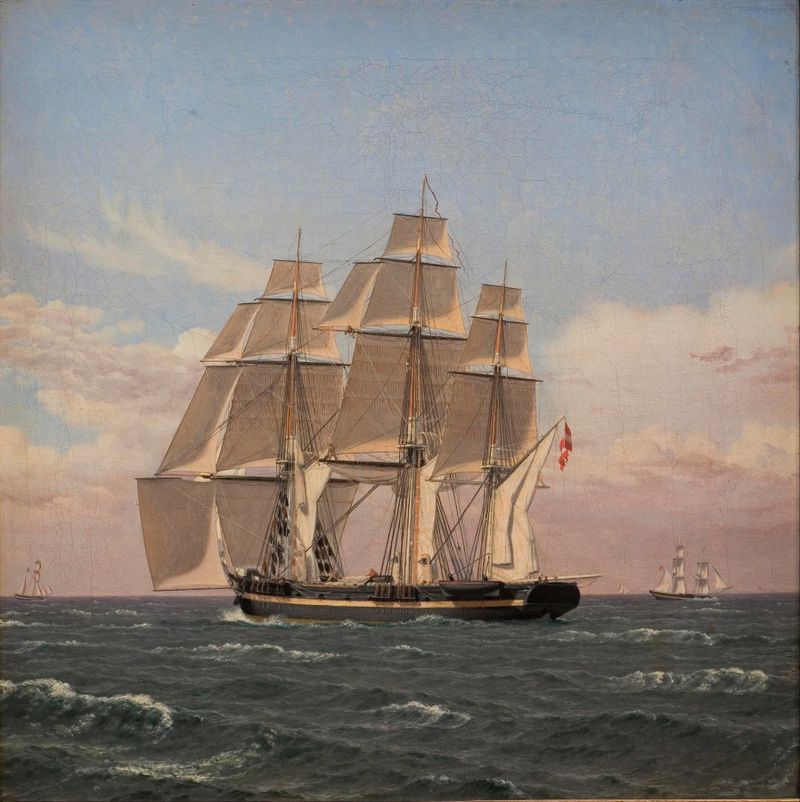
The corvette Najaden under sail
Christoffer Wilhelm Eckersberg

The Corvette Najaden under Sail
Christoffer Wilhelm Eckersberg
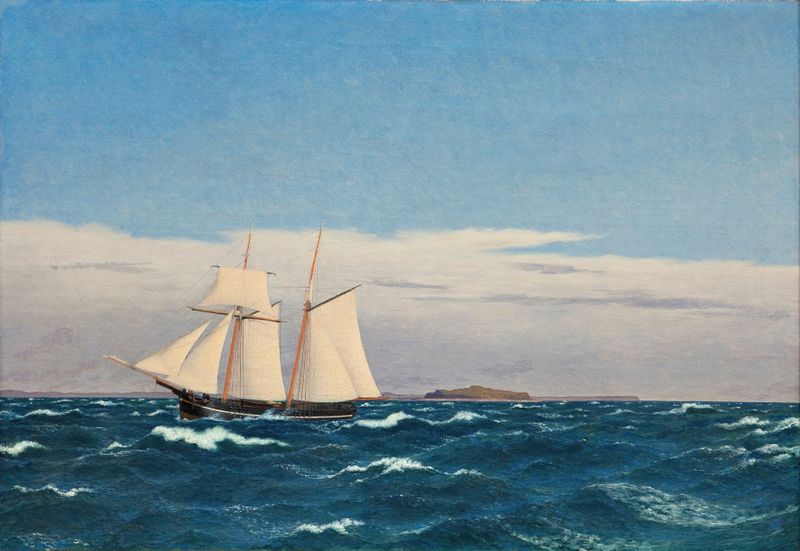
Seascape with the island of Hjelm and the coast of Jutland
Christoffer Wilhelm Eckersberg
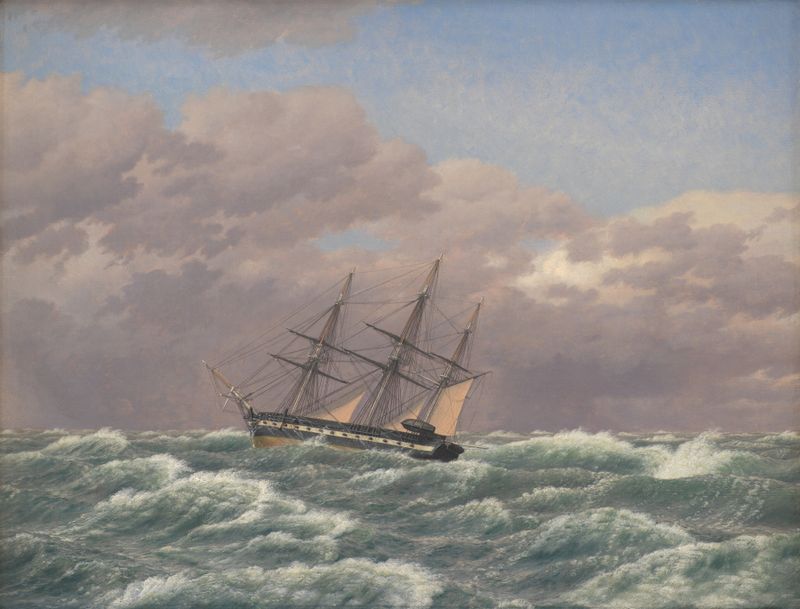
The Corvette ‘Galathea’ in a Storm in the North Sea
Christoffer Wilhelm Eckersberg
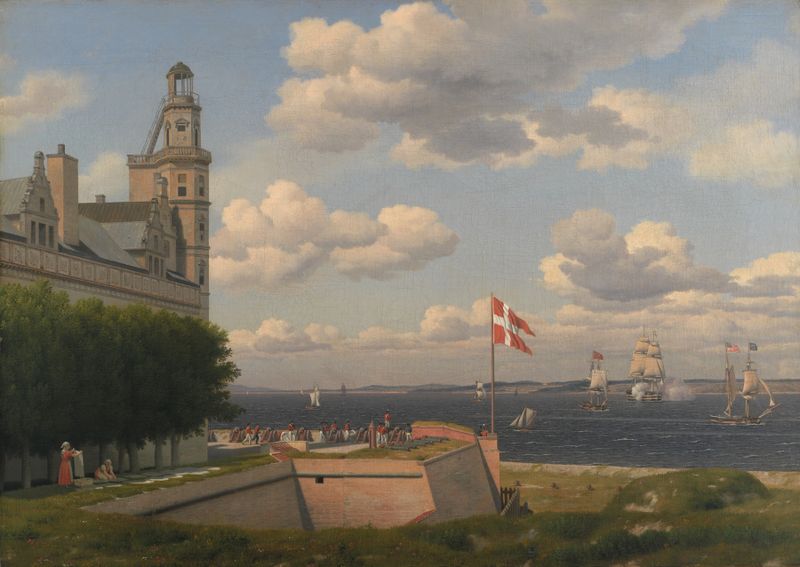
A View towards the Swedish Coast from the Ramparts of Kronborg Castle
Christoffer Wilhelm Eckersberg
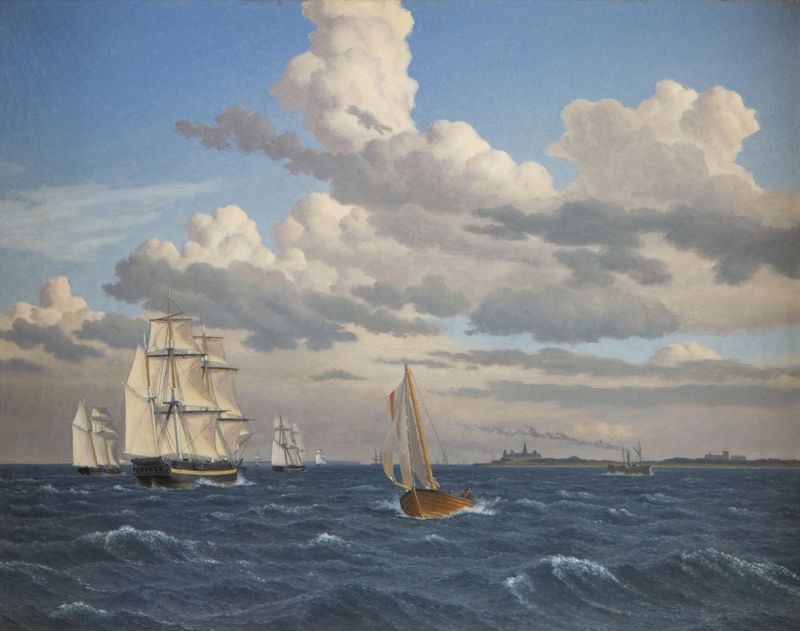
Ships in the Sound North of Kronborg Castle, Elsinore
Christoffer Wilhelm Eckersberg
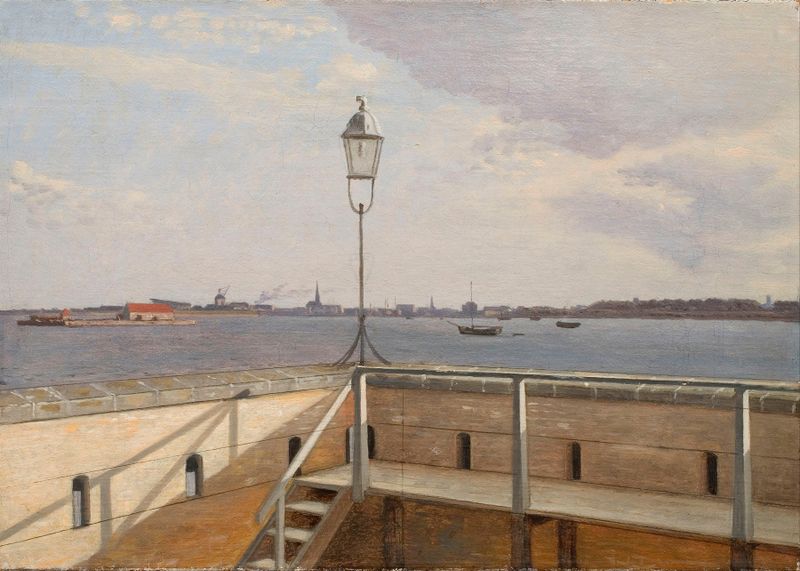
View from the Trekroner Battery with Copenhagen in the distance
Christoffer Wilhelm Eckersberg
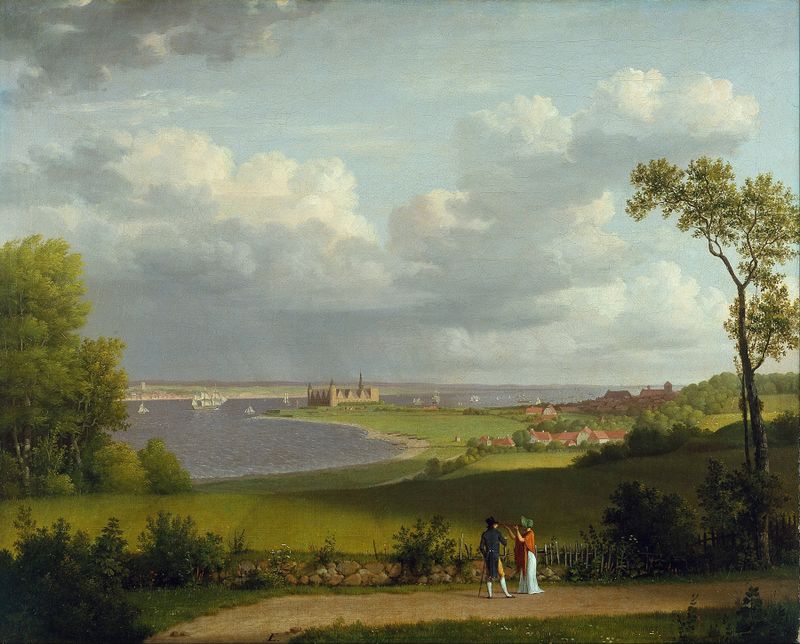
View north of Kronborg Castle
Christoffer Wilhelm Eckersberg

Vesta Temple in Rome
Christoffer Wilhelm Eckersberg
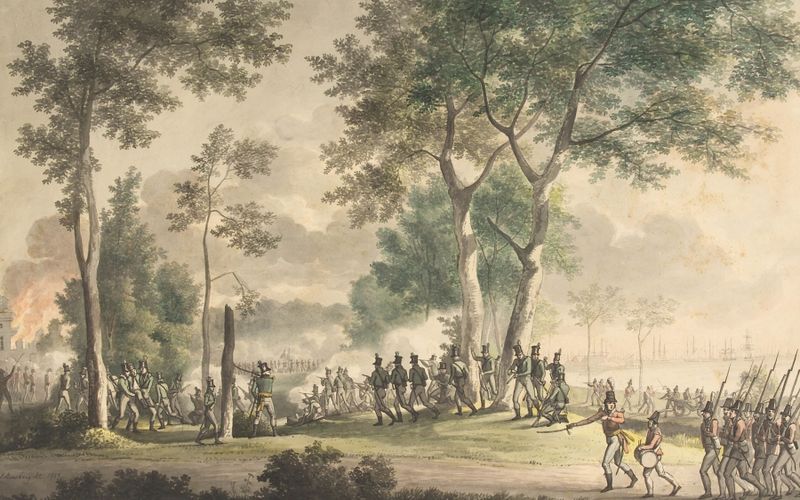
Livjægernes udfald i Classens have 31.august 1807.
Christoffer Wilhelm Eckersberg
More Architecture Art
Browse all →
The statue of Liberty
Frédéric Auguste Bartholdi

View of Houses in Delft, Known as ‘The Little Street’
Johannes Vermeer

View of Houses in Delft, Known as ‘The Little Street’
Johannes Vermeer

The Cathedral in Rouen. The portal, Grey Weather
Claude Monet

The yellow house
Vincent van Gogh

The Church in Auvers-sur-Oise, View from the Chevet
Vincent van Gogh