
Portikus — History & Facts
This moment feels sacred, as if the air itself holds secrets whispered by the divine. The stillness is palpable, inviting contemplation and reverence for the beauty that surrounds us. Look to the center of the composition, where the light pours in, illuminating the architectural marvel that envelops the figures. Notice the elegant symmetry of the portico, its graceful arches framing the scene like an embrace.
The soft play of light against the cool stone creates a serene contrast, while delicate brushwork suggests a gentle breeze, giving life to the otherwise static architecture. Amid the grandeur, small details emerge, revealing deeper emotional layers. The figures are positioned with subtle gestures that convey a shared moment of introspection and connection. Each shadow holds a story, suggesting the weight of history and the divine aura that permeates the space.
This balance between the earthly and the transcendent invites the viewer to ponder the relationship between humanity and divinity, accentuating the spiritual significance of the setting. Created during a time when artists were exploring the boundaries of neoclassicism, the work emerges from a period of profound artistic evolution. Bison, likely painting in the early 19th century, was influenced by both the classical ideals and the romantic notions of his contemporaries. In this context, Portikus stands as a testament to his unique perspective, weaving together themes of beauty, silence, and divinity in a way that still resonates today.
More Artworks by Giuseppe Bernardino Bison
Browse all →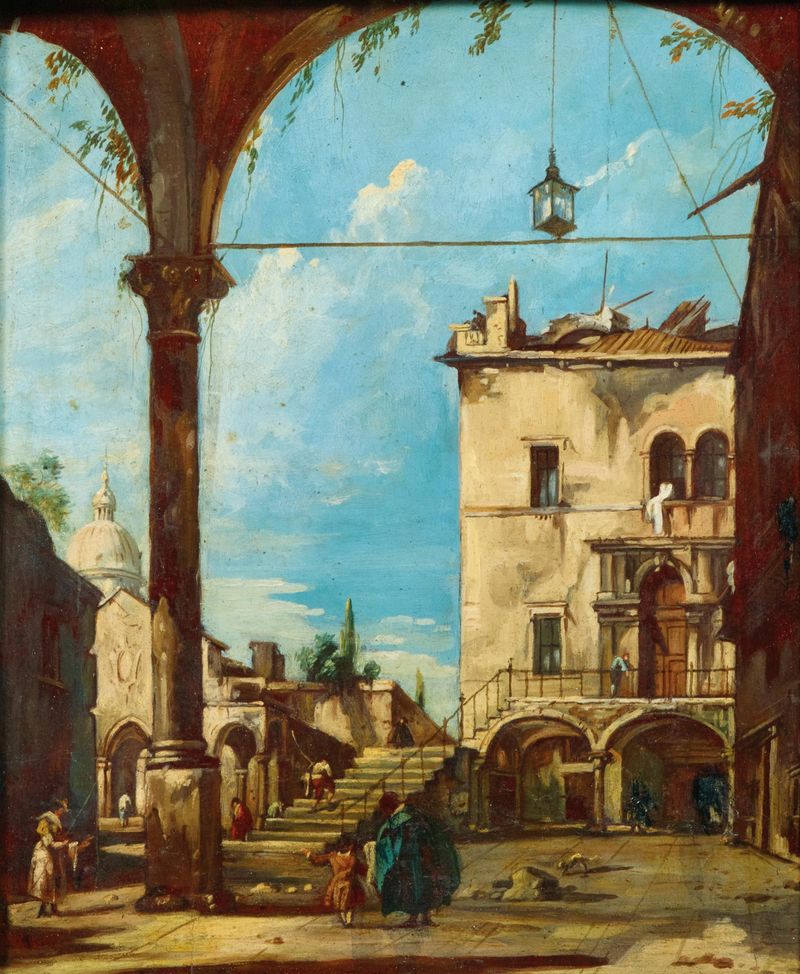
An Architectural Capriccio with Figures
Giuseppe Bernardino Bison
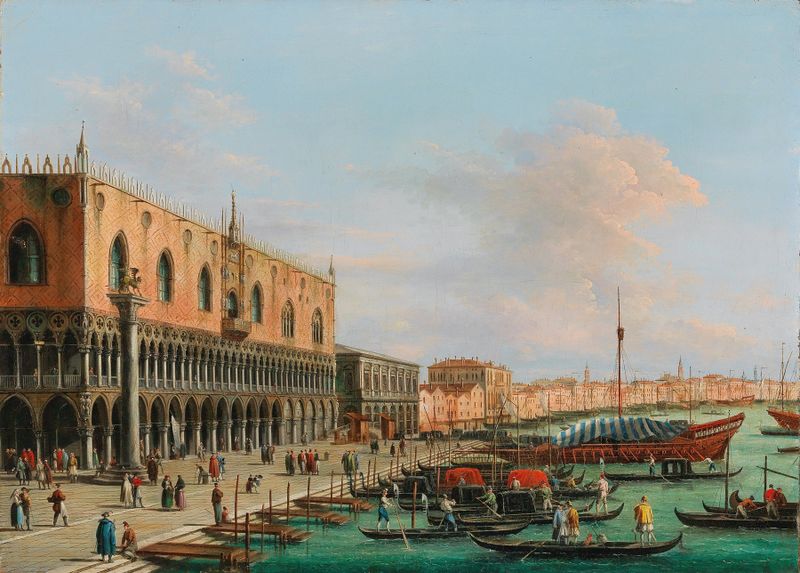
The Palazzo Ducale and the Riva degli Schiavoni, Venice
Giuseppe Bernardino Bison
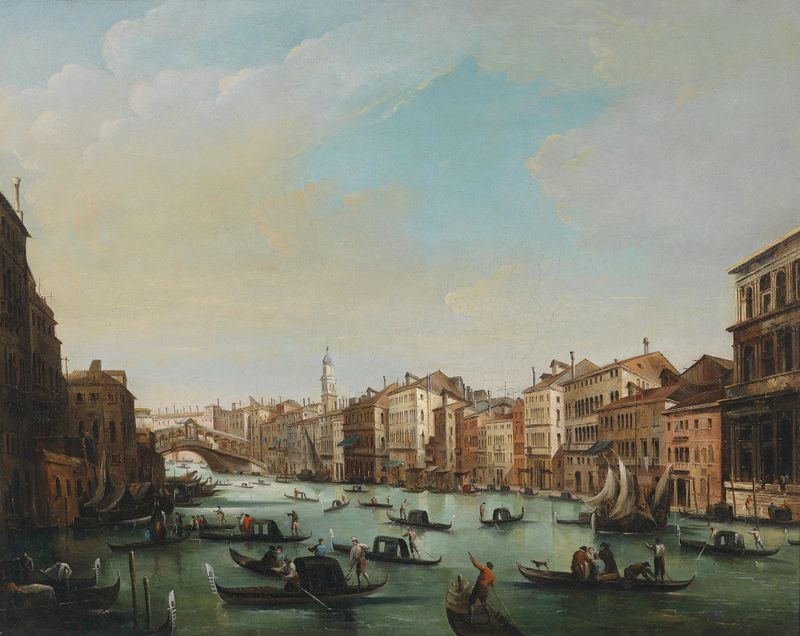
Venedig Canal Grande mit Ponte Rialto
Giuseppe Bernardino Bison
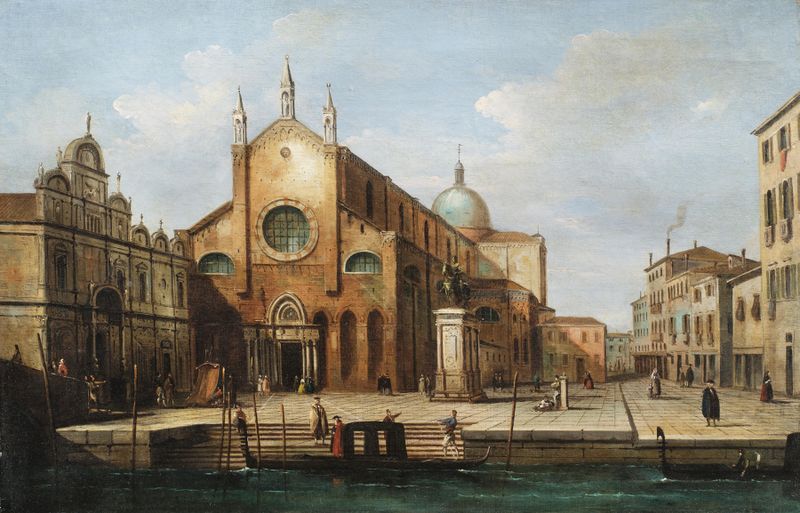
Venice, View of Campo Santi Giovanni e Paolo and the Scuola Grande di San Marco
Giuseppe Bernardino Bison
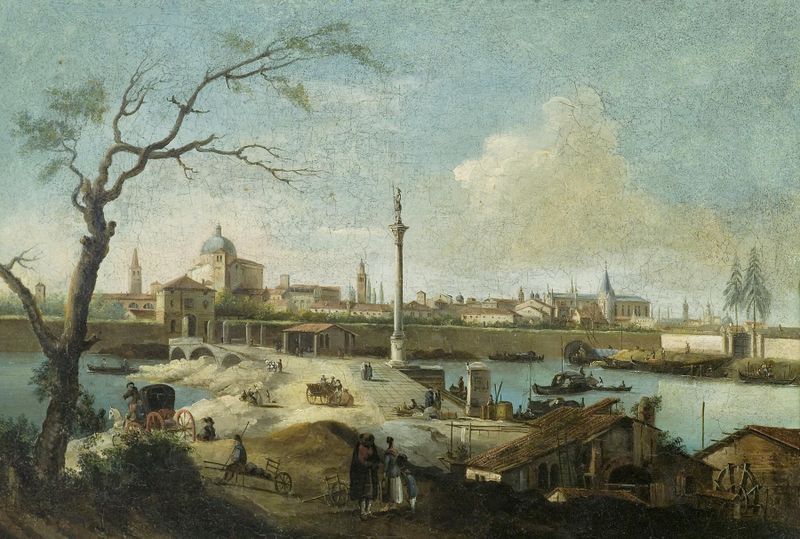
Capriccio mit der Ansicht von Padua
Giuseppe Bernardino Bison
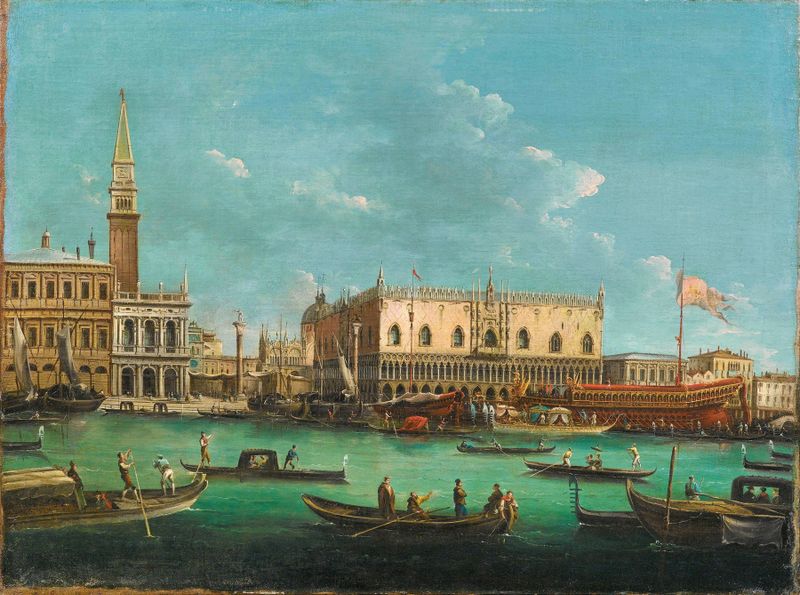
The Bucintoro at the Molo, Venice, on Ascension Day
Giuseppe Bernardino Bison
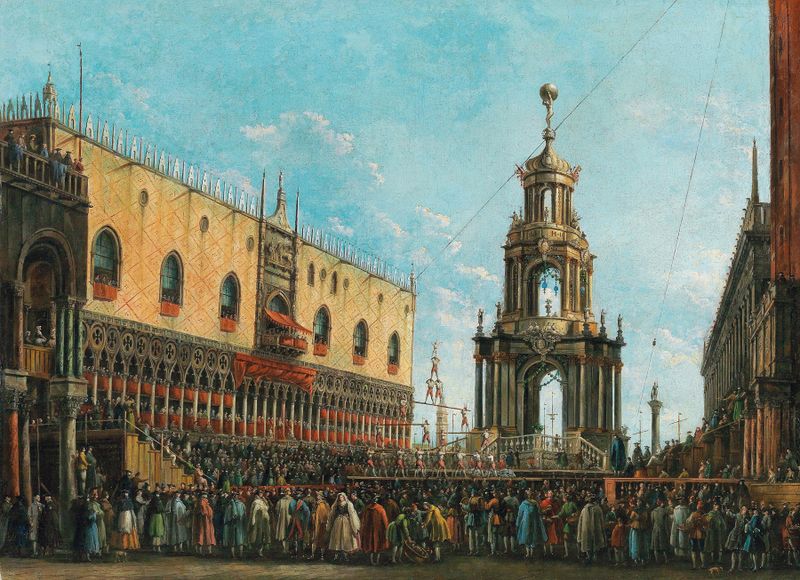
The ‘Giovedi Grasso’ Festival before the Ducal Palace in Venice
Giuseppe Bernardino Bison
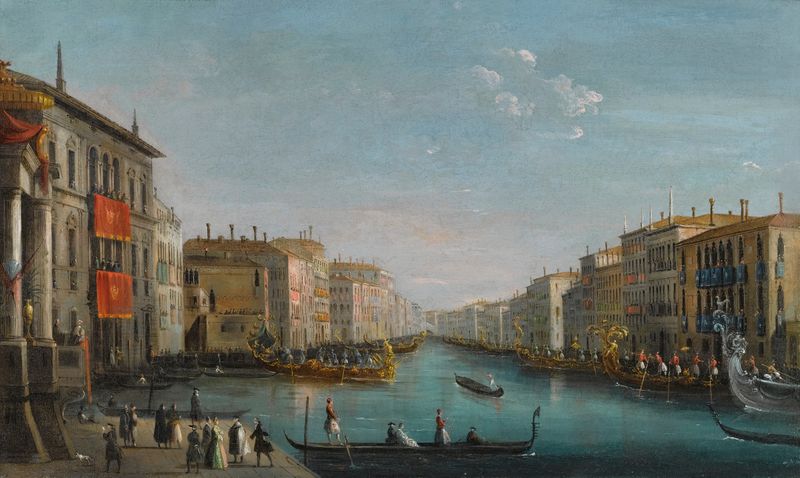
Venice, A View Of The Grand Canal From The Palazzo Balbi Looking Toward The Rialto Bridge With A Regata
Giuseppe Bernardino Bison
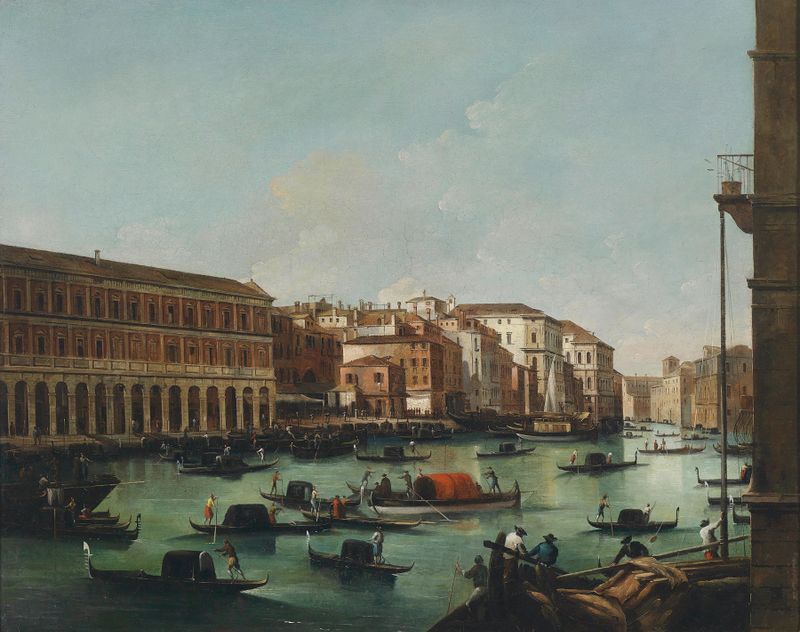
Venedig Canal Grande mit Fabbriche Nuove
Giuseppe Bernardino Bison
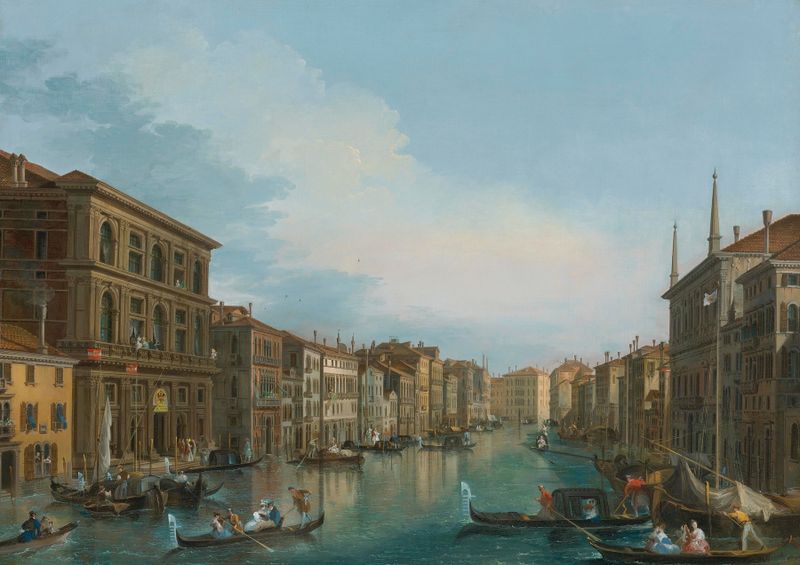
View Of The Grand Canal From The Palazzo Grimani
Giuseppe Bernardino Bison
More Architecture Art
Browse all →
The statue of Liberty
Frédéric Auguste Bartholdi

View of Houses in Delft, Known as ‘The Little Street’
Johannes Vermeer

View of Houses in Delft, Known as ‘The Little Street’
Johannes Vermeer

The Cathedral in Rouen. The portal, Grey Weather
Claude Monet

The yellow house
Vincent van Gogh

The Church in Auvers-sur-Oise, View from the Chevet
Vincent van Gogh