
Porto Constantino — History & Facts
A riot of color and geometry immediately sweeps the viewer into the world of Porto Constantino, where the bustling energy of a Mediterranean port is distilled into bold, rhythmic forms. The eye is drawn first to the vivid, stacked cargo and the angular silhouettes of ships, their masts slicing into a sky rendered in flat, luminous planes. Flags flutter crisply, their bright hues punctuating the scene and hinting at international trade, while the water—rendered in soft gradients—anchors the composition with a sense of depth and calm.
Every element is stylized, almost poster-like, suggesting not just a place but an atmosphere: the optimism of commerce, the promise of distant horizons, the choreography of labor and leisure at the water’s edge. The palette, dominated by sun-warmed ochres, deep blues, and flashes of red, radiates the heat and dynamism of a port city at its peak. Created in 1928, Porto Constantino belongs to a world on the move—one where ports like this were gateways to modernity, and artists were fascinated by the machinery and spectacle of contemporary life. Works of this kind, often commissioned for posters or travel advertisements, celebrated the romance and progress of travel, commerce, and cosmopolitan exchange.
The artist, Jean d'Ylen, was active in the early twentieth century, a period when Art Deco’s crisp lines and vibrant colors shaped everything from architecture to graphic design. This particular piece, preserved today in the Gallica Digital Library, is a rare survivor of its genre, a testament to the optimism and visual experimentation of its era. Let your gaze linger on the details—the interplay of shadow and sunlight, the careful balance of chaos and order—and imagine the world of 1928, alive with possibility.
More Artworks by Jean d'Ylen
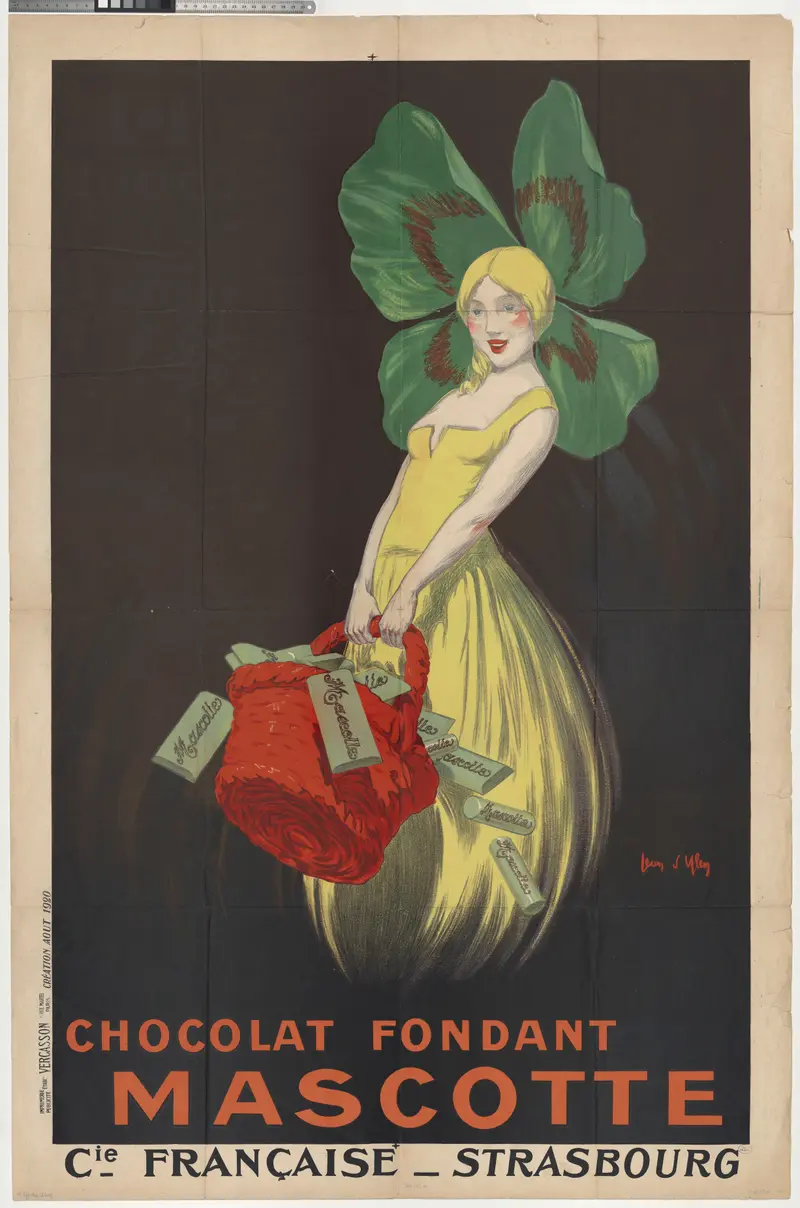
Chocolat fondant Mascotte. Compagnie française, Strasbourg
Jean d'Ylen
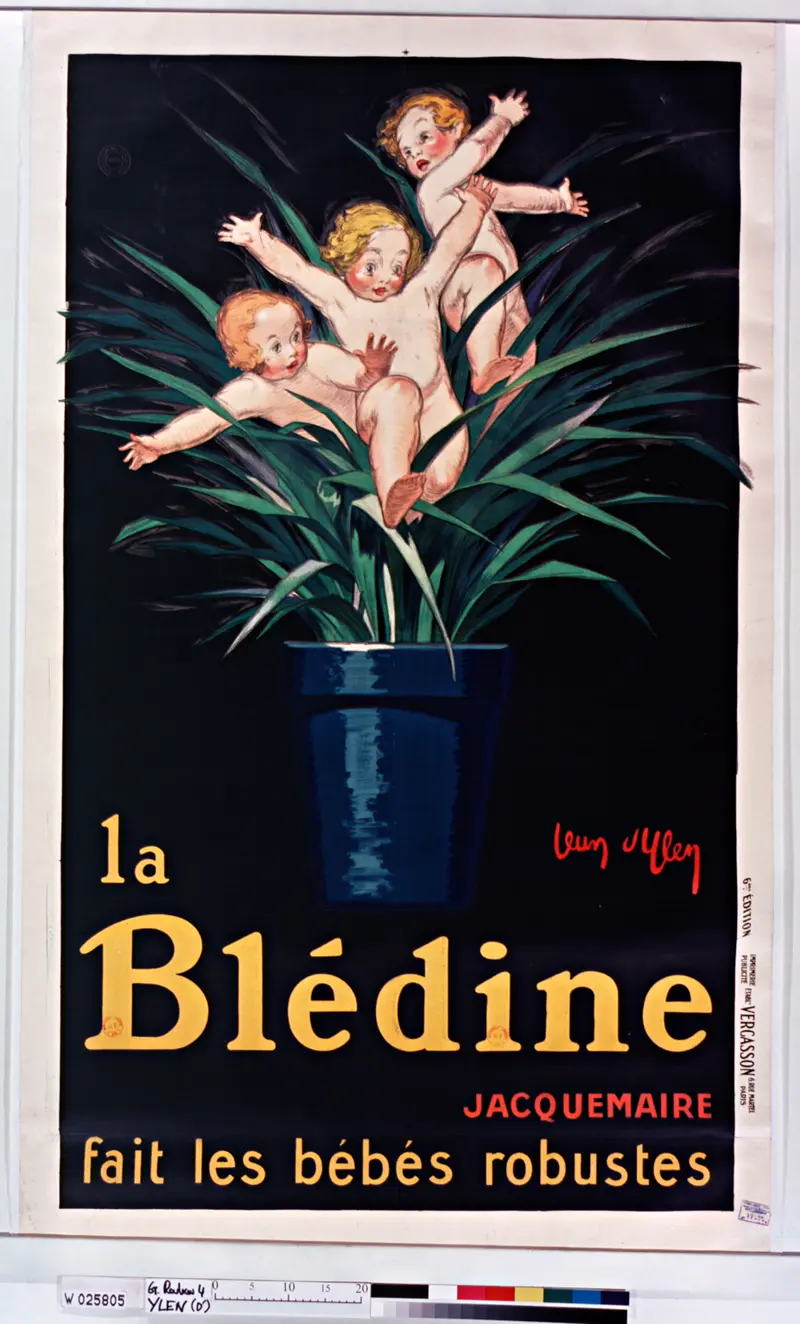
La Blédine Jacquemaire fait les bébés robustes : [affiche] / [Jean d'Ylen]
Jean d'Ylen
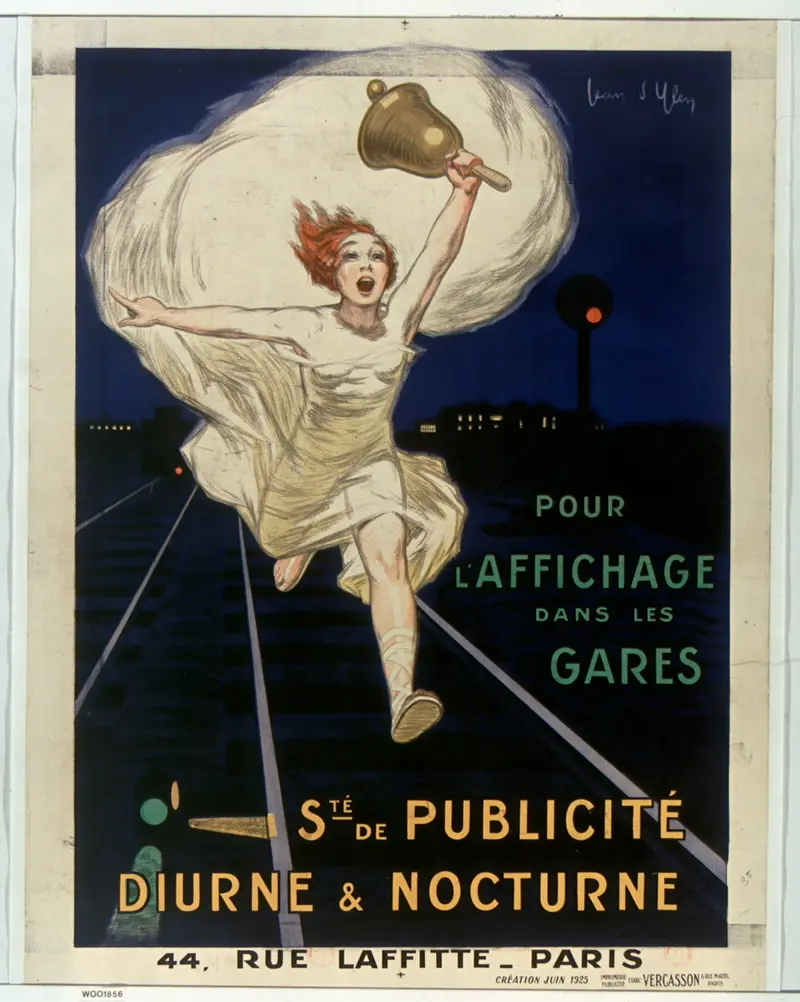
Pour l'affichage dans les gares Sté de publicité diurne et nocturne : [affiche] / [Joan d'Ylen]
Jean d'Ylen
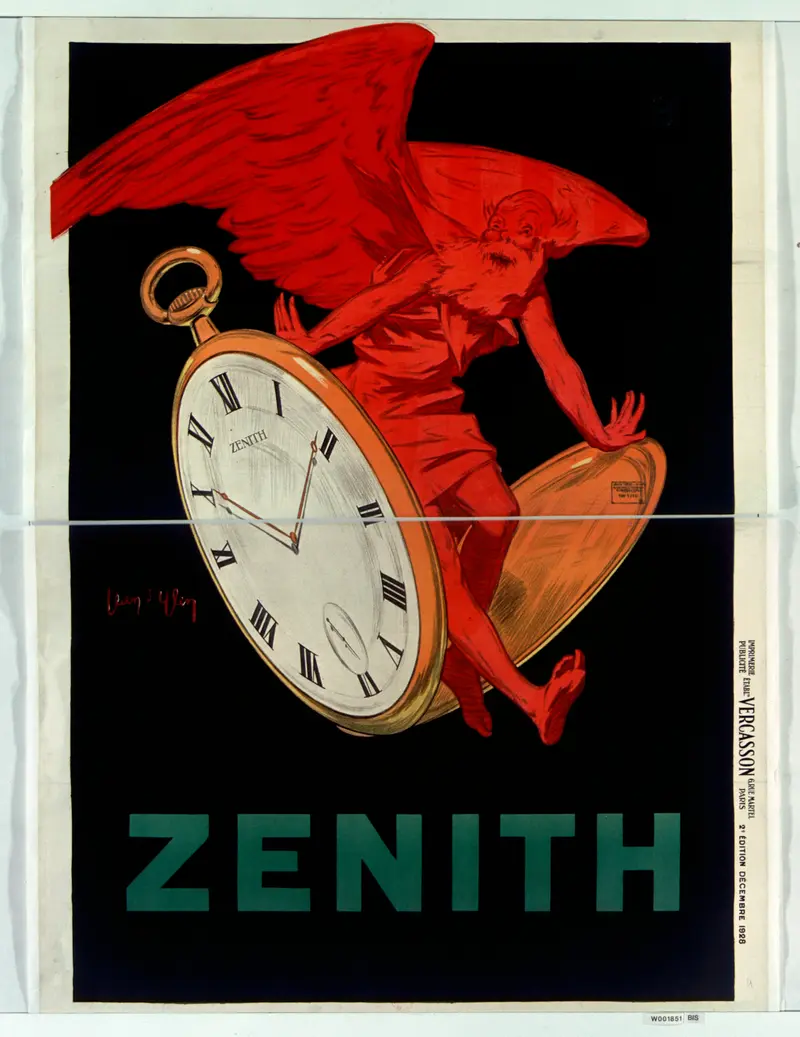
1928 advertisement poster - Zenith
Jean d'Ylen
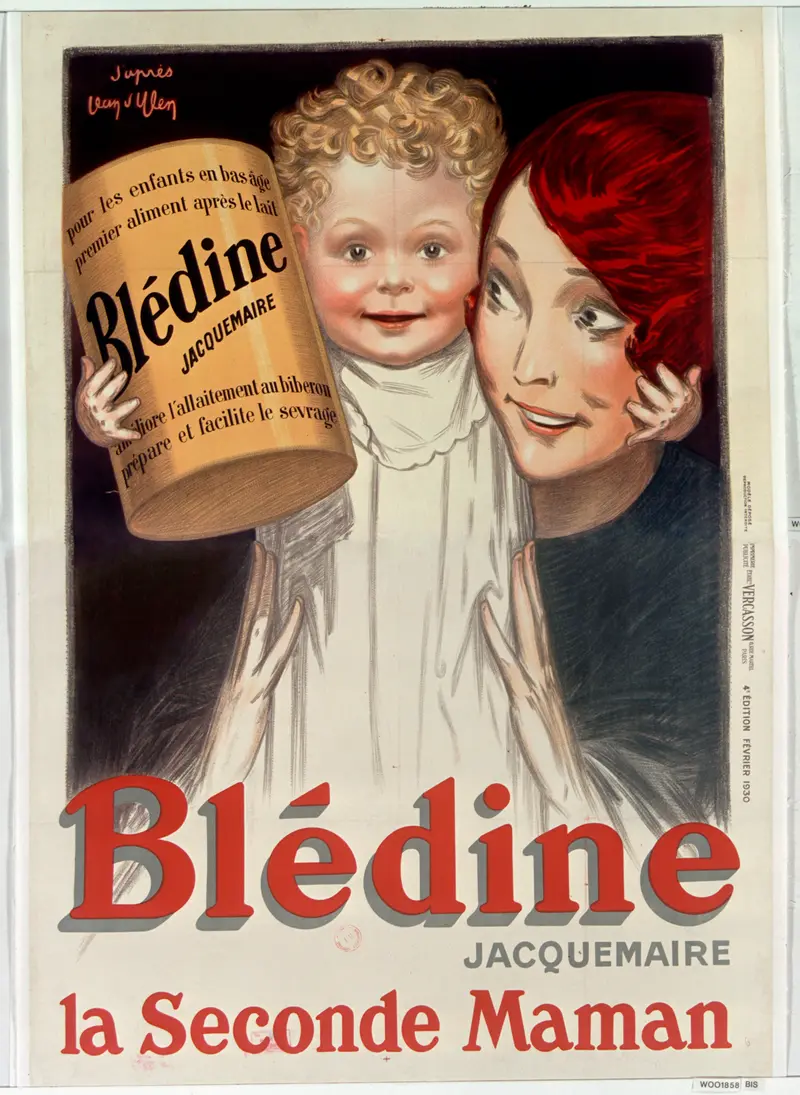
Blédine Jacquemaire la seconde maman : [affiche] / [Jean d'Ylen]
Jean d'Ylen
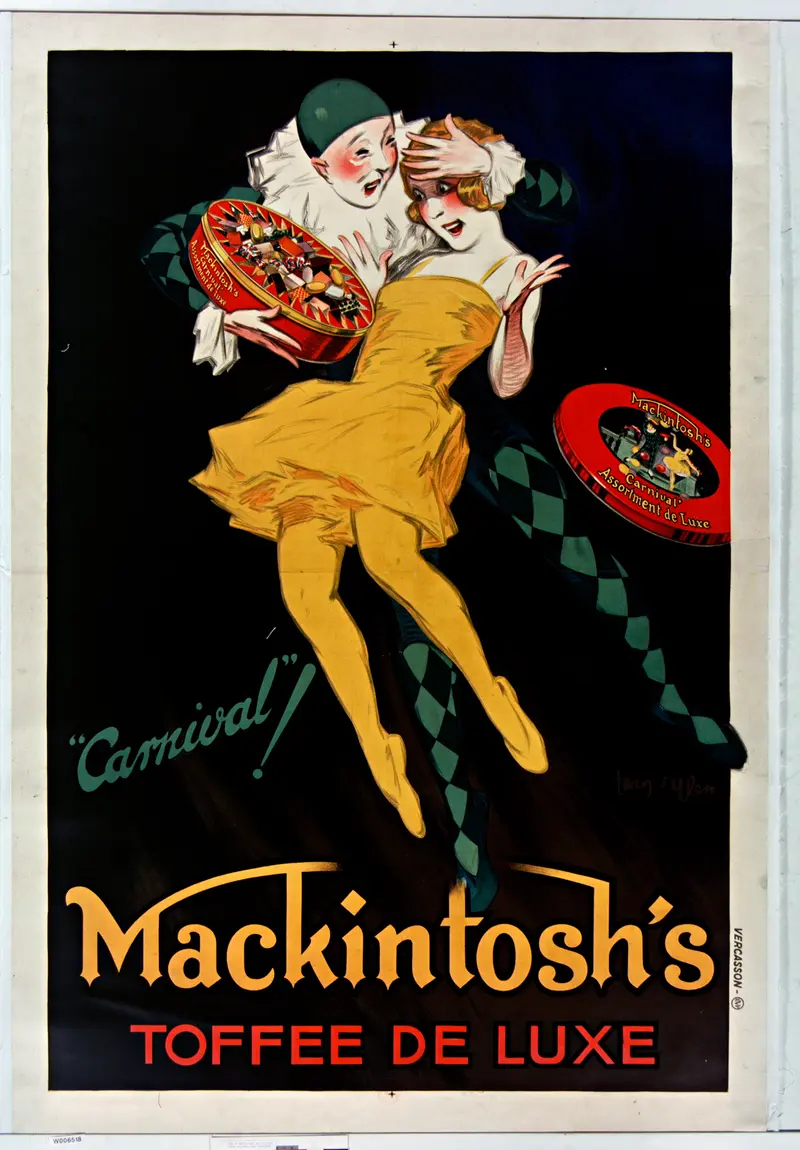
Carnival Mackintosh's, toffee de luxe affiche, Jean d'Ylen
Jean d'Ylen
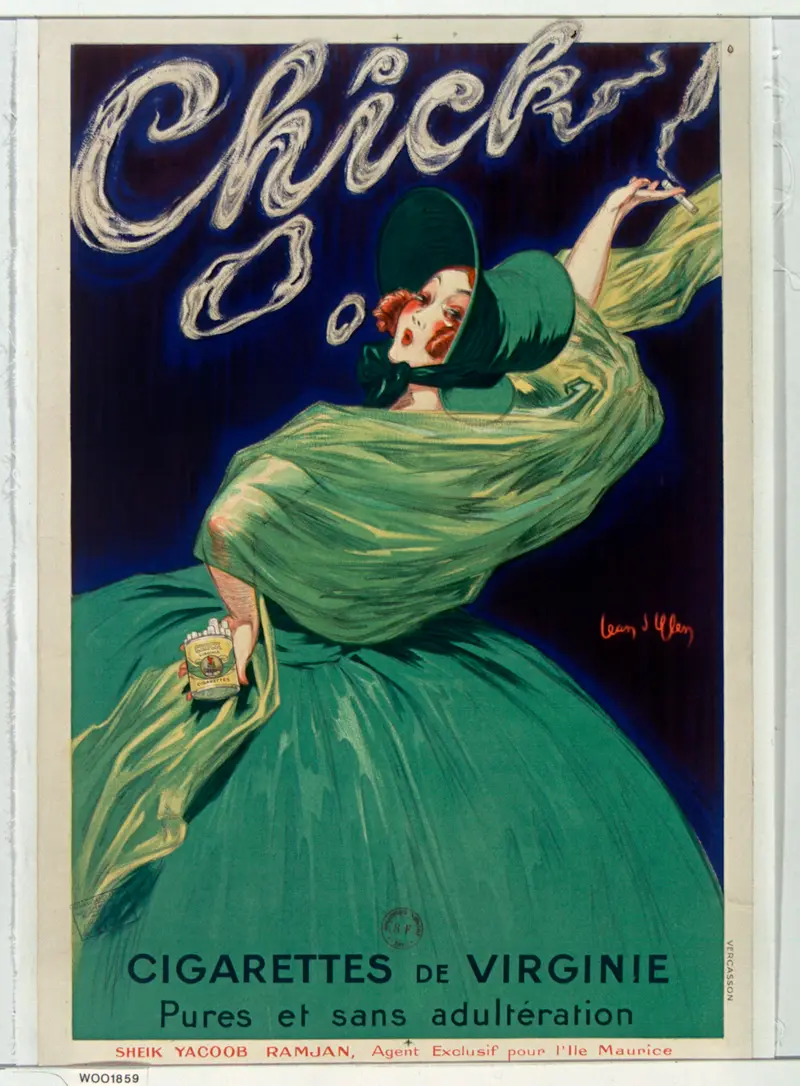
Chick cigarettes de Virginie pures et sans adultération : [affiche] / [Jean d'Ylen]
Jean d'Ylen
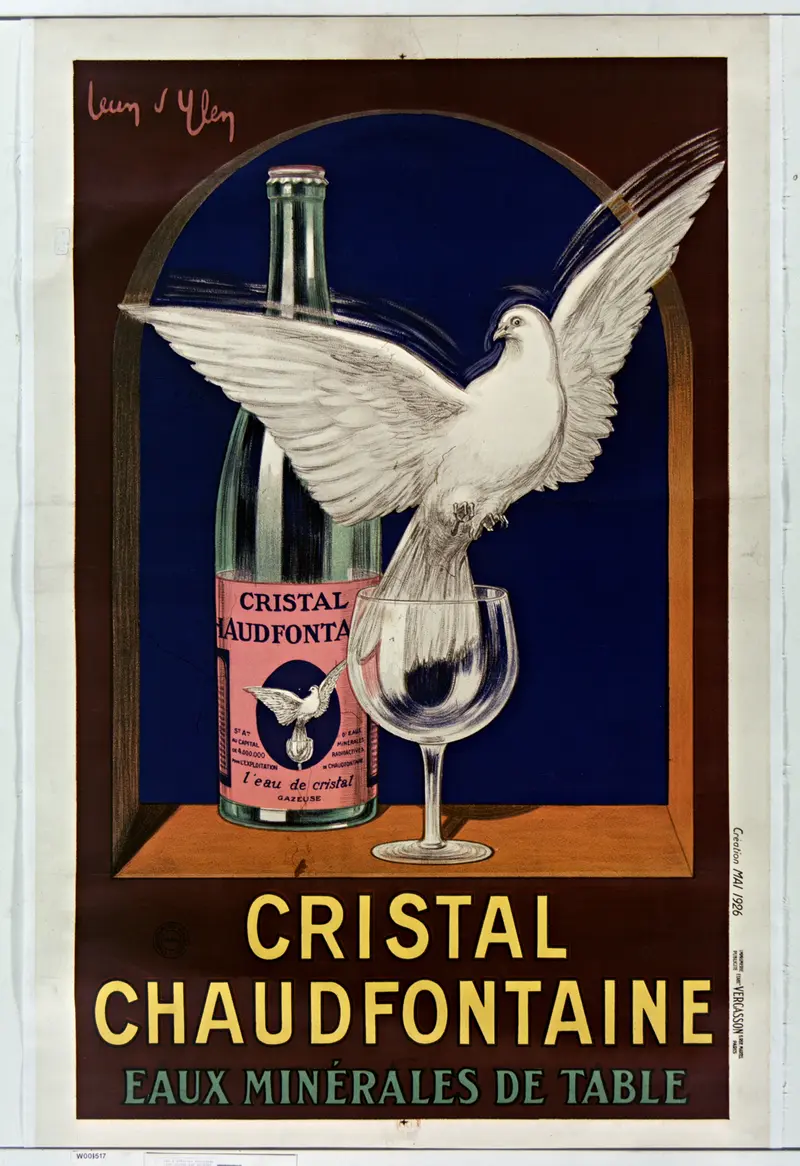
Cristal Chaudfontaine eaux minérales de table affiche, Jean d'Ylen
Jean d'Ylen
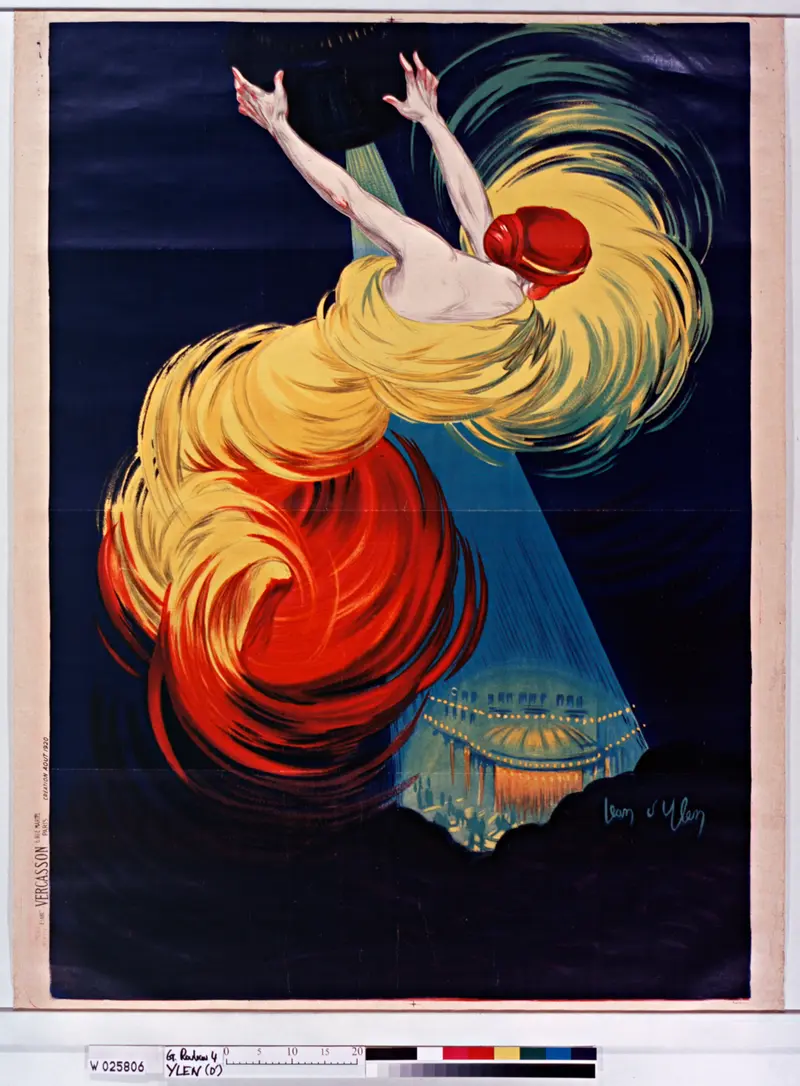
Danse de Moscou : affiche avant la lettre / Jean d'Ylen
Jean d'Ylen
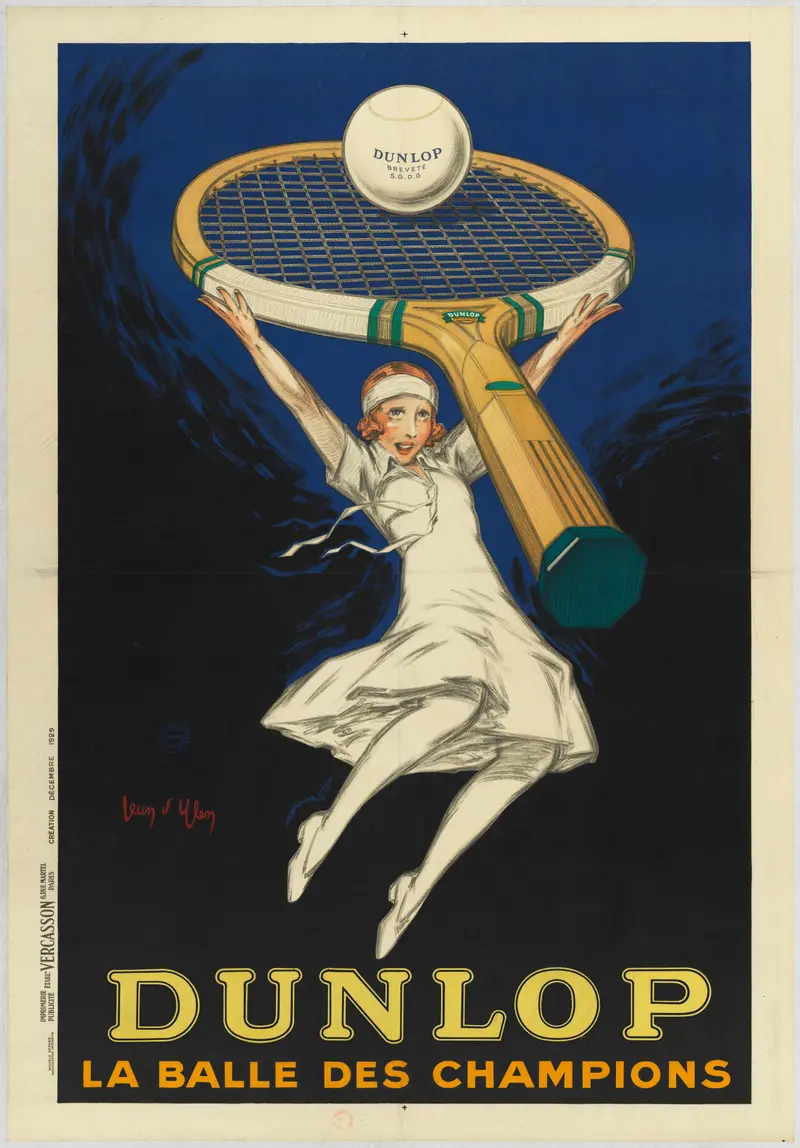
Dunlop la balle des champions : [affiche] / [Jean d'Ylen]
Jean d'Ylen





