
Portrait du photographe Dilewski — History & Facts
In 1916, as war raged across Europe, Amedeo Modigliani painted Portrait du photographe Dilewski in Paris, capturing a fleeting moment in the city’s bohemian heart. The sitter, Jean Dilewski, was not only a photographer but also a friend and chronicler of the artists’ circle in Montparnasse. This portrait stands as one of the few known depictions of Dilewski, whose own photographs documented the creative ferment of the era.
The work is especially intriguing because, unlike many of Modigliani’s subjects, Dilewski was a fellow observer—someone who usually stood behind the camera, not before it. Modigliani’s painting freezes Dilewski in a moment of introspective calm, his elongated face and almond eyes rendered with the artist’s unmistakable style. The sitter’s direct gaze and slightly tilted head suggest a quiet intelligence, while the simplified forms and muted palette focus attention on psychological presence rather than surface detail. The background is pared down, placing Dilewski in a space that feels both intimate and abstract—a hallmark of Modigliani’s portraits from this period.
Compared to the more decorative approach of Kees van Dongen, another contemporary portraitist, Modigliani’s treatment is restrained, emphasizing essence over embellishment. The precise fate of Portrait du photographe Dilewski after its creation is not fully documented, typical of many works from Modigliani’s brief but prolific Paris years. Like much of his output, the painting likely passed through the hands of dealers and collectors attuned to the avant-garde. Today, it is recognized as a telling example of Modigliani’s mature portraiture, created at the height of his artistic powers and just four years before his untimely death.
The work’s understated intensity and enigmatic sitter continue to invite reflection on the intertwined lives of artists and those who capture them.
More Artworks by Amedeo Modigliani
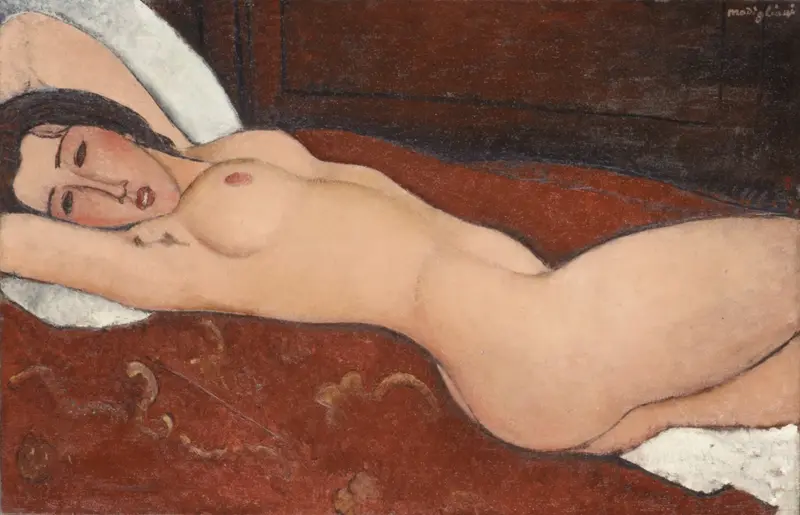
Reclining Nude
Amedeo Modigliani

Portrait Of Jeanne Hébuterne
Amedeo Modigliani

Jeanne Hébuterne
Amedeo Modigliani
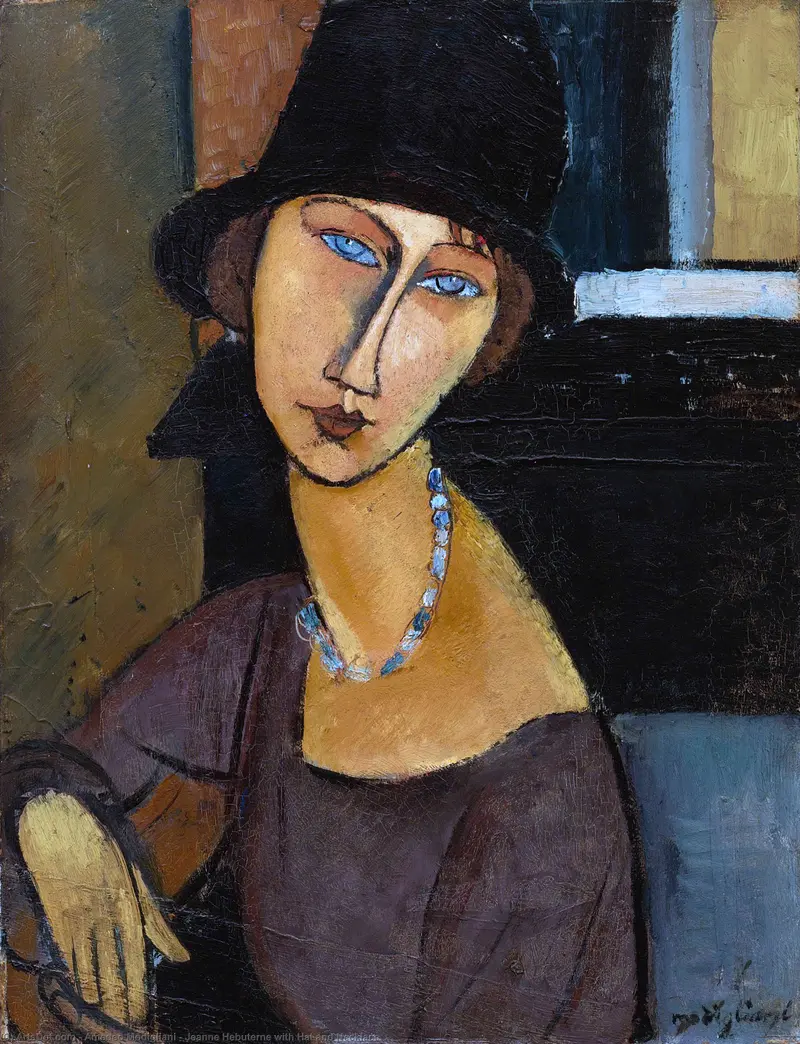
Jeanne Hébuterne with Hat and Necklace
Amedeo Modigliani
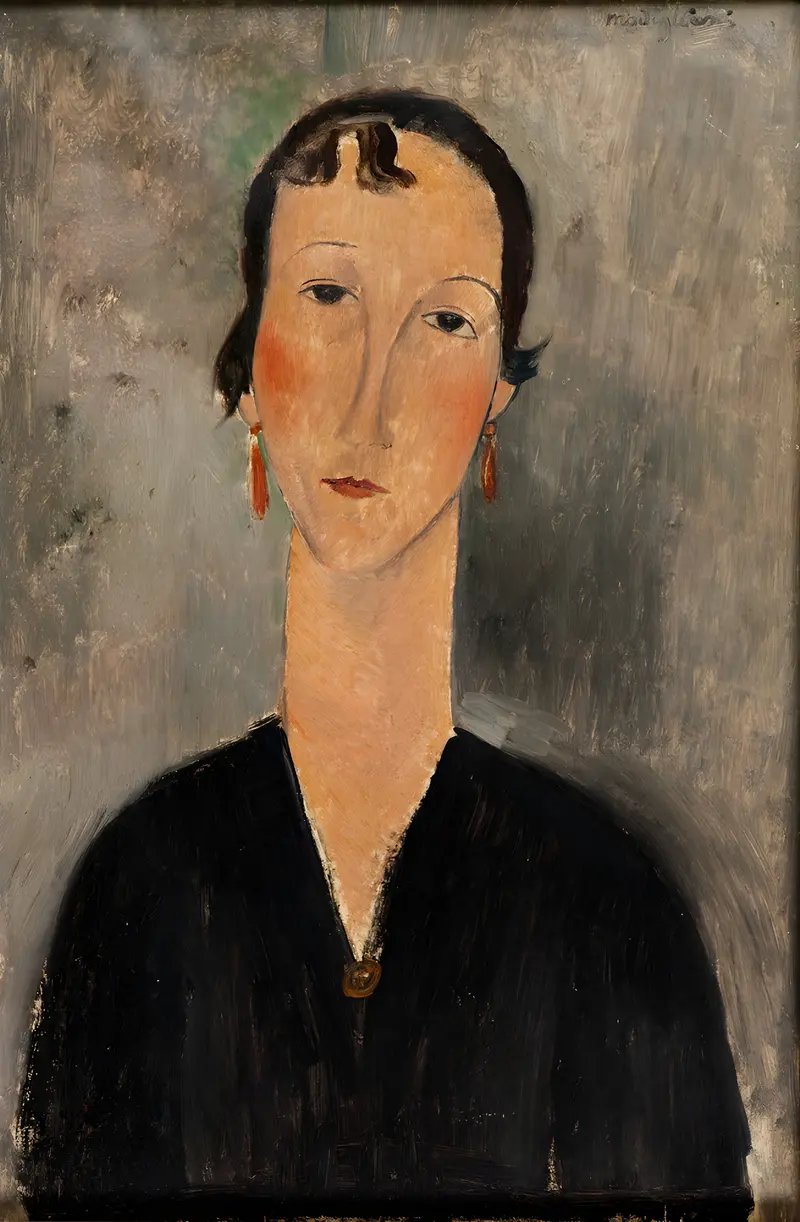
Femme aux boucles d'oreilles
Amedeo Modigliani
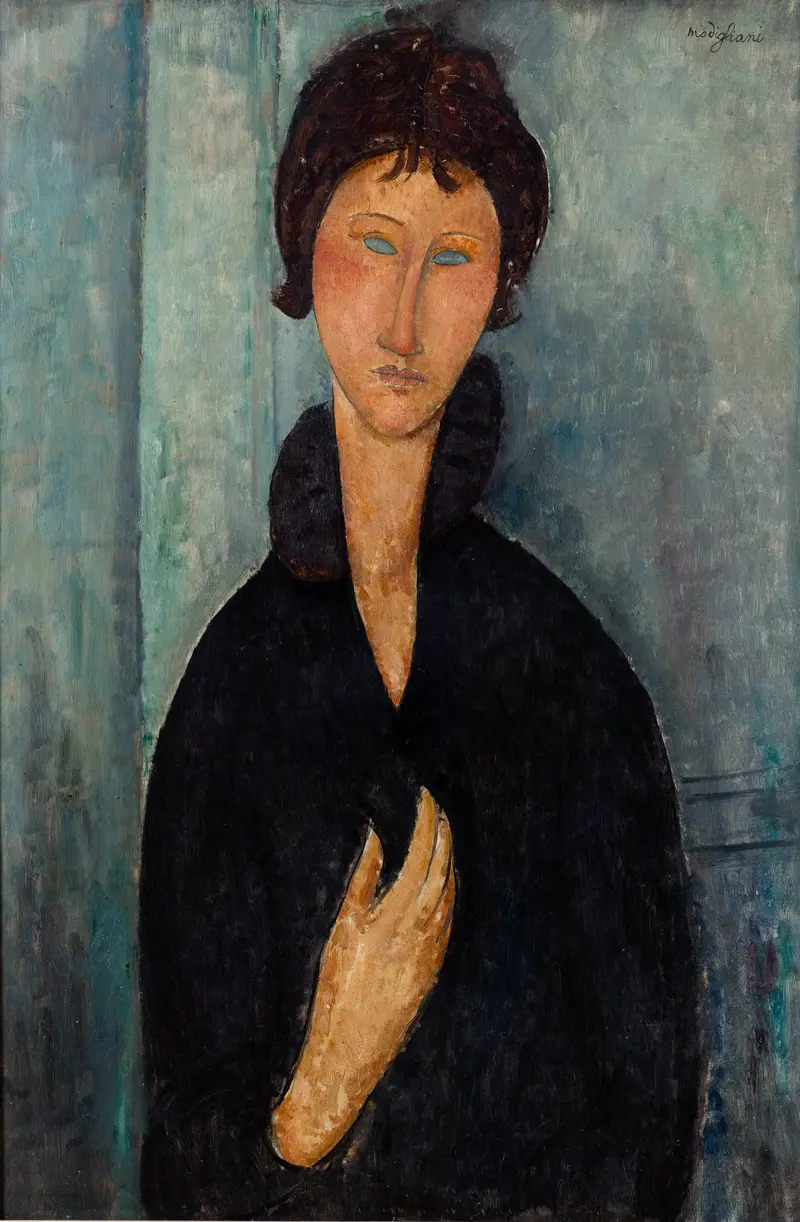
Femme aux yeux bleus
Amedeo Modigliani
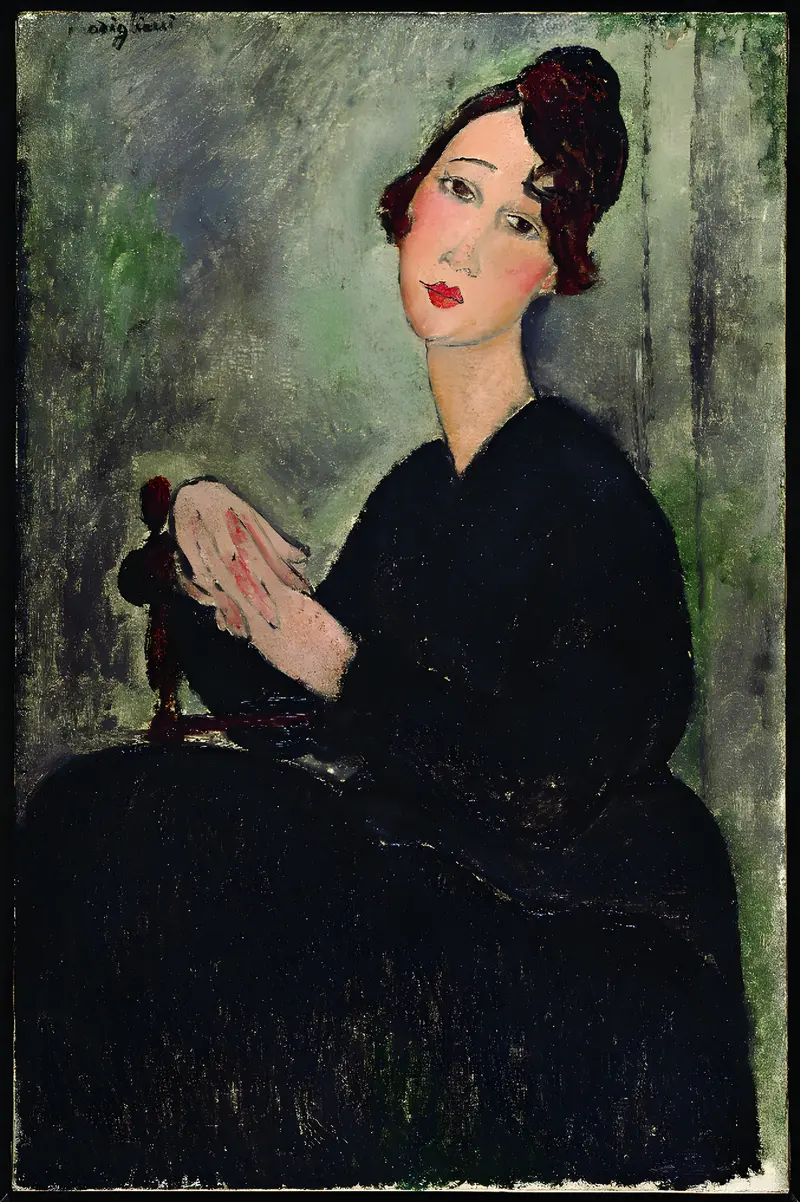
Portrait of Dedie
Amedeo Modigliani
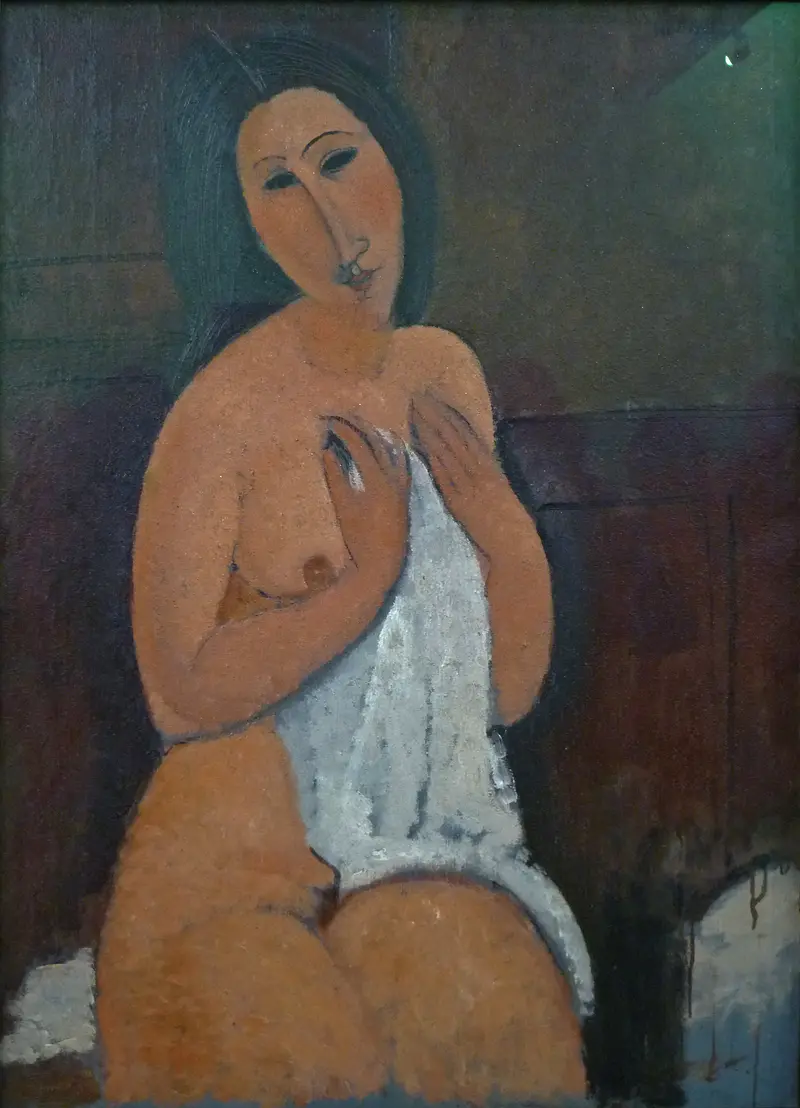
Seated nude with shirt
Amedeo Modigliani
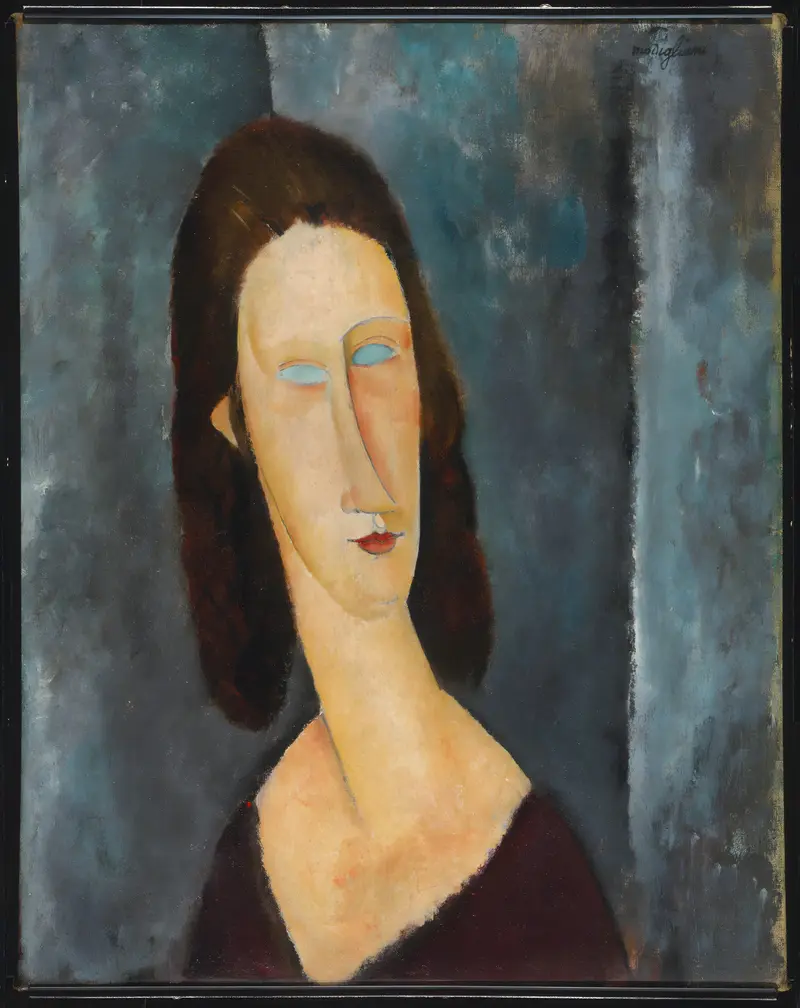
Blue Eyes (Portrait of Madame Jeanne Hébuterne)
Amedeo Modigliani
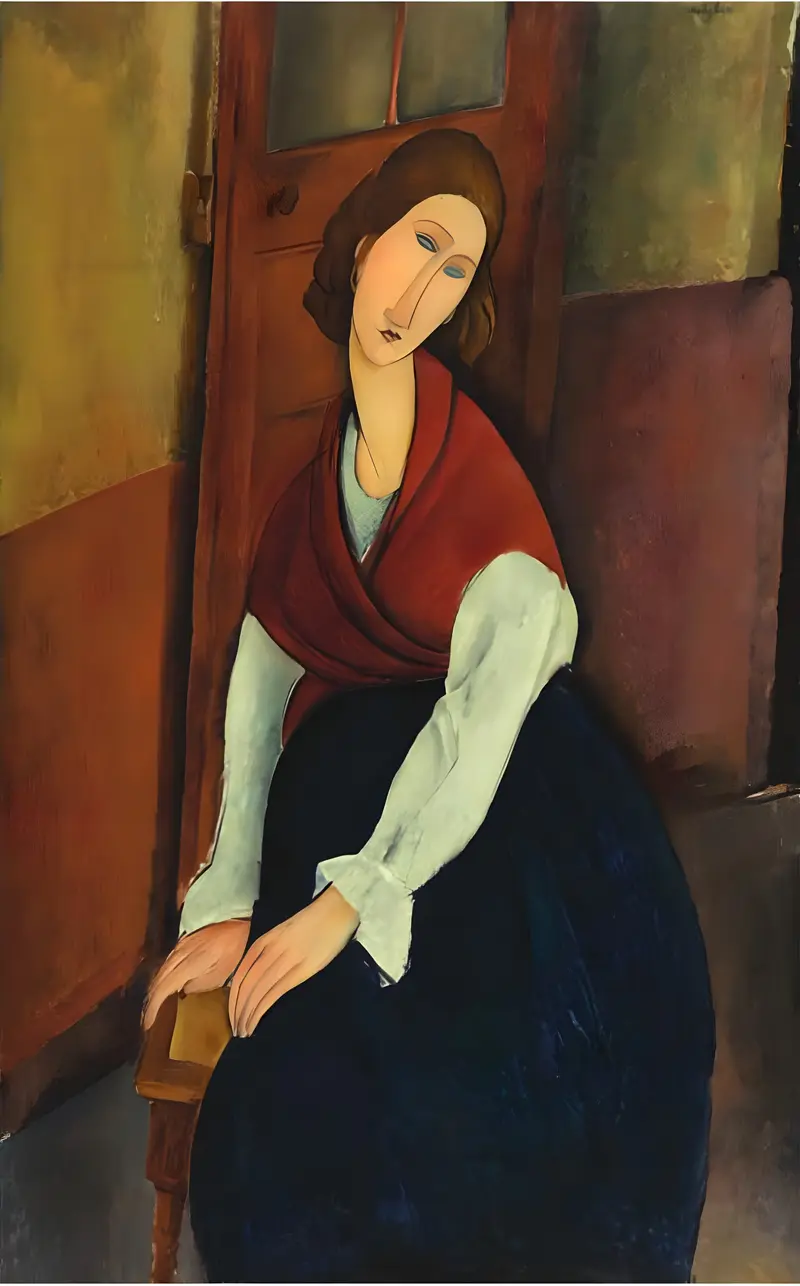
Jeanne Hebuterne in Red Shawl
Amedeo Modigliani





