
Portrait of A Country Squire, Said To Be Stephen Sullivan of Ponsbourne Park — History & Facts
The painting Portrait of A Country Squire, Said To Be Stephen Sullivan of Ponsbourne Park by Francis Wheatley features a gentleman dressed in fine attire, set against a lush rural landscape. The colors are rich and warm, with greens and browns dominating the background. The figure stands confidently, embodying the characteristics of a country squire.
Wheatley captures the essence of rural life through the detailed depiction of the gentleman's clothing and the serene setting. This artwork is executed in oil on canvas, a popular medium during the 18th century. The dimensions are approximately 76 x 63 cm, making it a sizable portrait that draws the viewer's attention. Wheatley's technique showcases his skill in rendering textures, particularly in the fabric of the gentleman's clothing and the natural elements surrounding him.
The painting likely dates to the c. 1780s, a period marked by a focus on individualism in portraiture. Francis Wheatley was an English painter known for his portraits and genre scenes, often depicting the lives of the upper classes. This particular work reflects the Romanticism style, emphasizing emotion and the beauty of nature.
An interesting fact about this painting is that it is believed to represent Stephen Sullivan, a notable figure in the local community, which adds a layer of historical significance to the artwork. Wheatley's ability to blend portraiture with a sense of place is evident in this compelling representation.
More Artworks by Francis Wheatley

Donnybrook Fair
Francis Wheatley

Donnybrook Fair
Francis Wheatley
Donnybrook Fair
Francis Wheatley
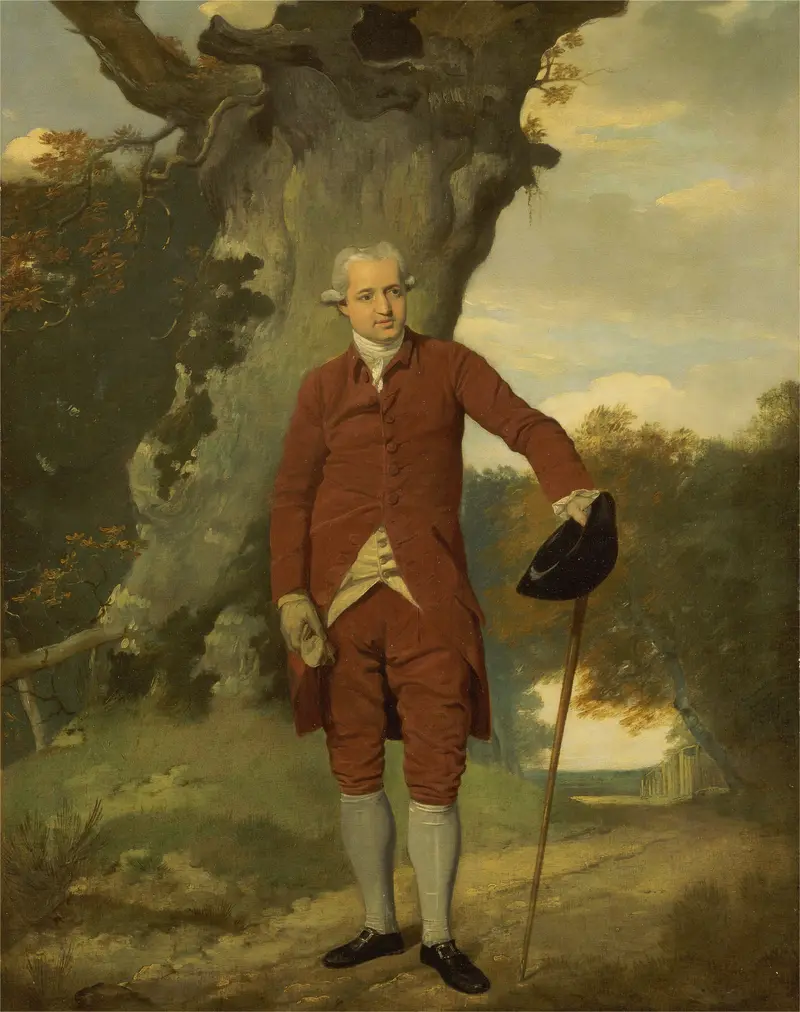
Portrait Of A Man, Possibly Mr. Barclay
Francis Wheatley
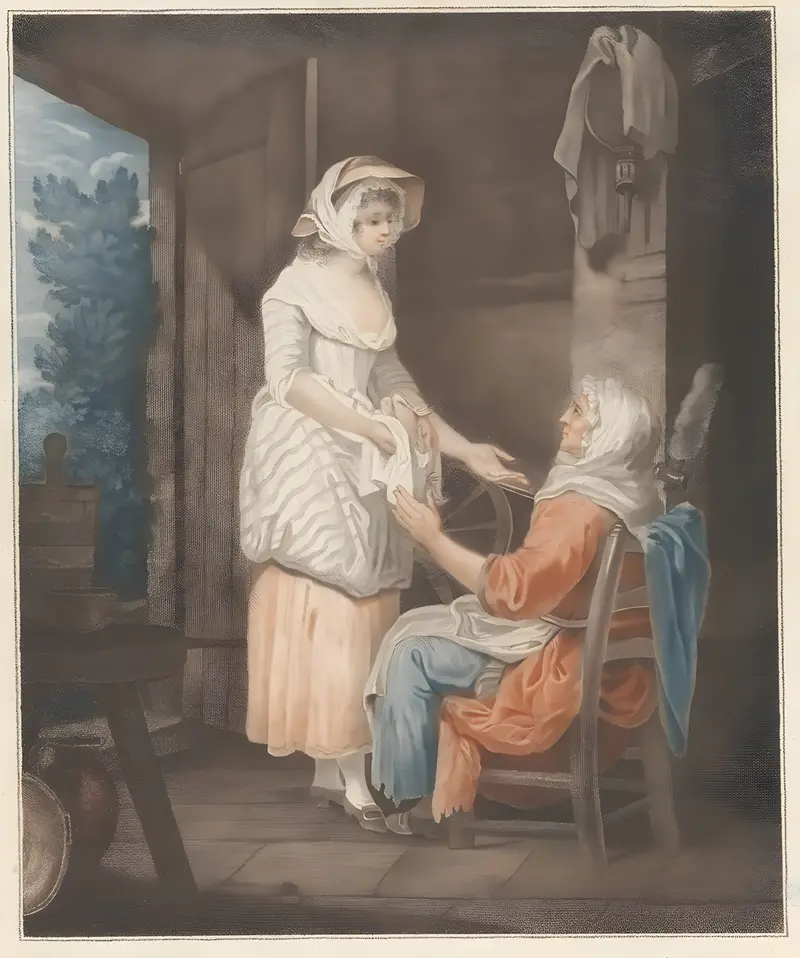
The Affectionate Daughter
Francis Wheatley
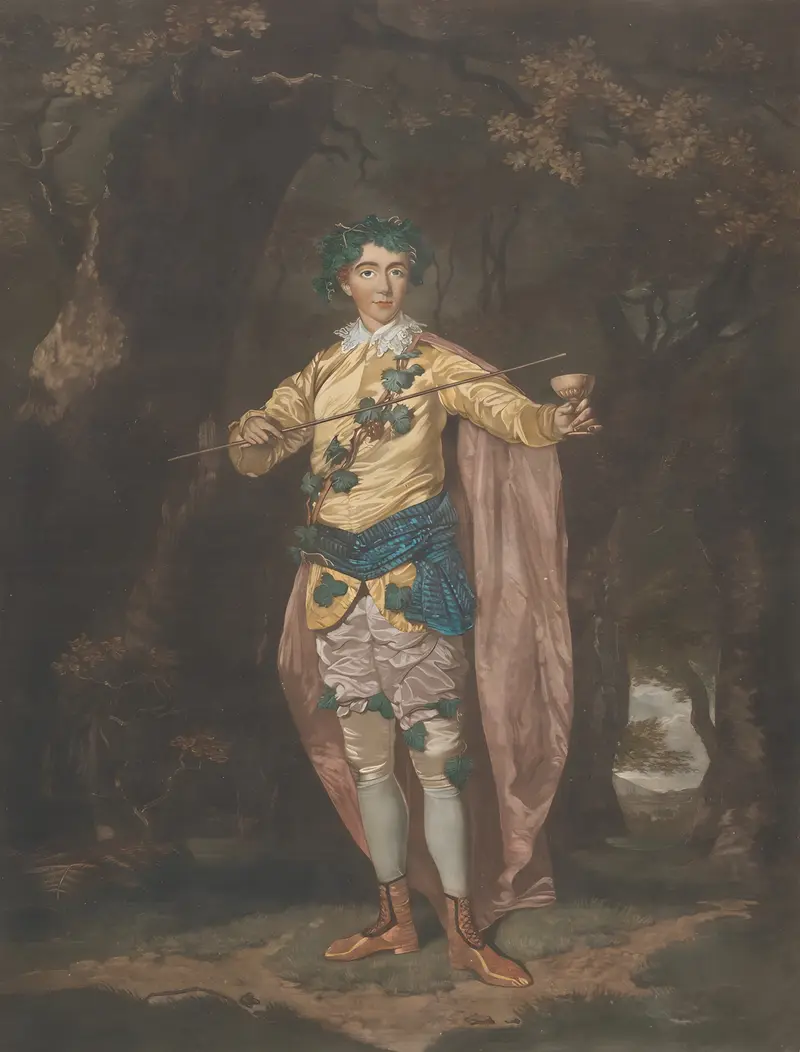
Anthony Webster as Comus
Francis Wheatley
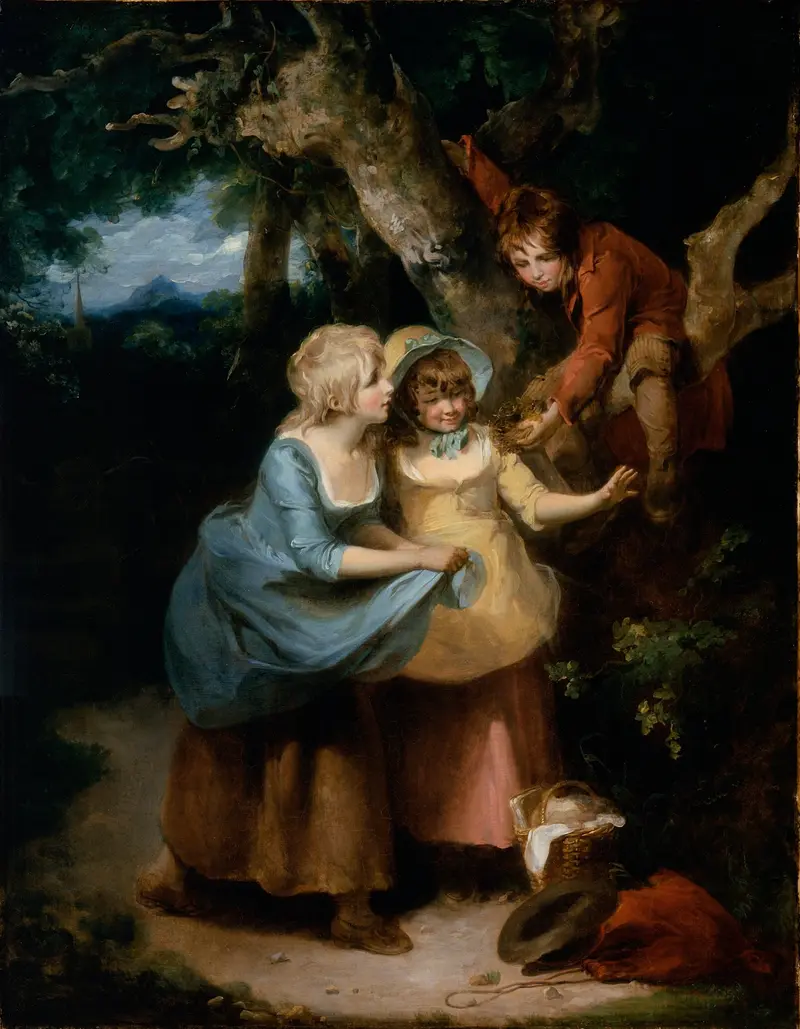
Spring
Francis Wheatley
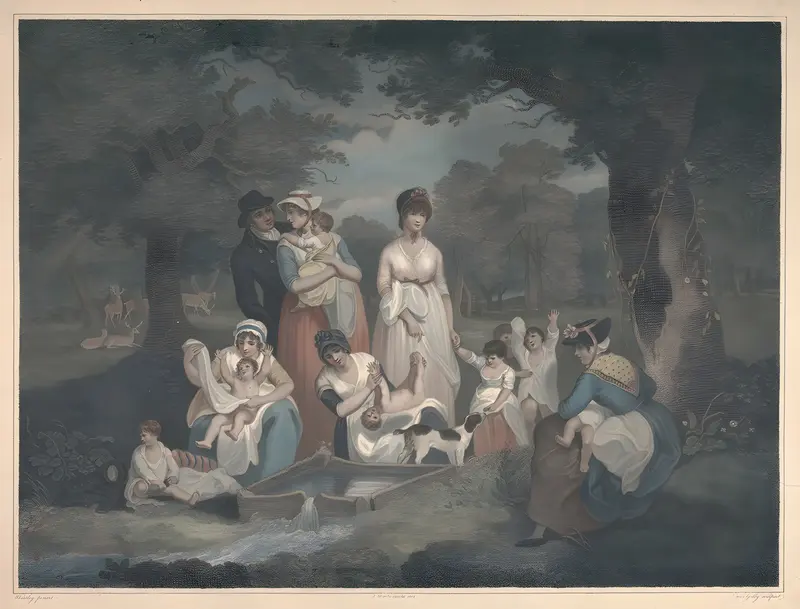
The Dipping Well in Hyde Park
Francis Wheatley
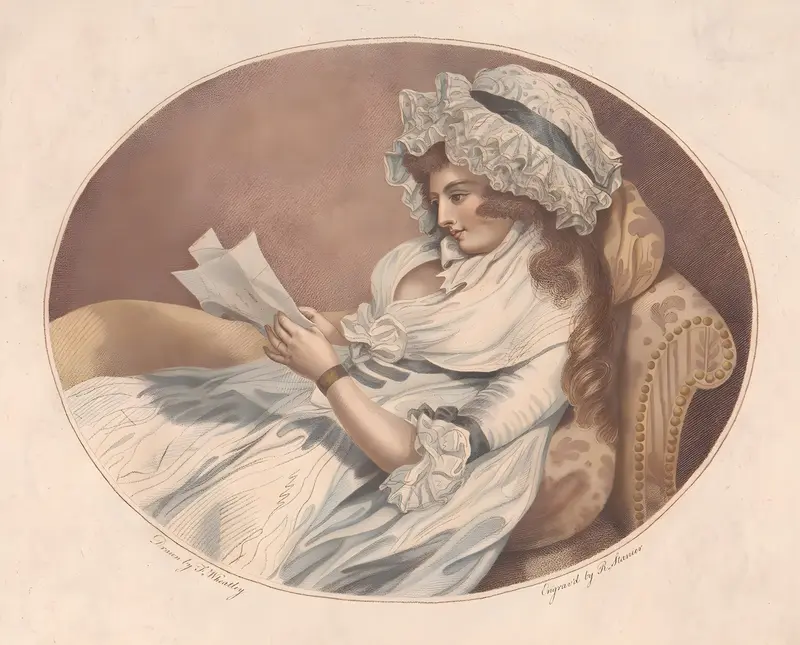
Lucy, Mrs. Wheatley
Francis Wheatley
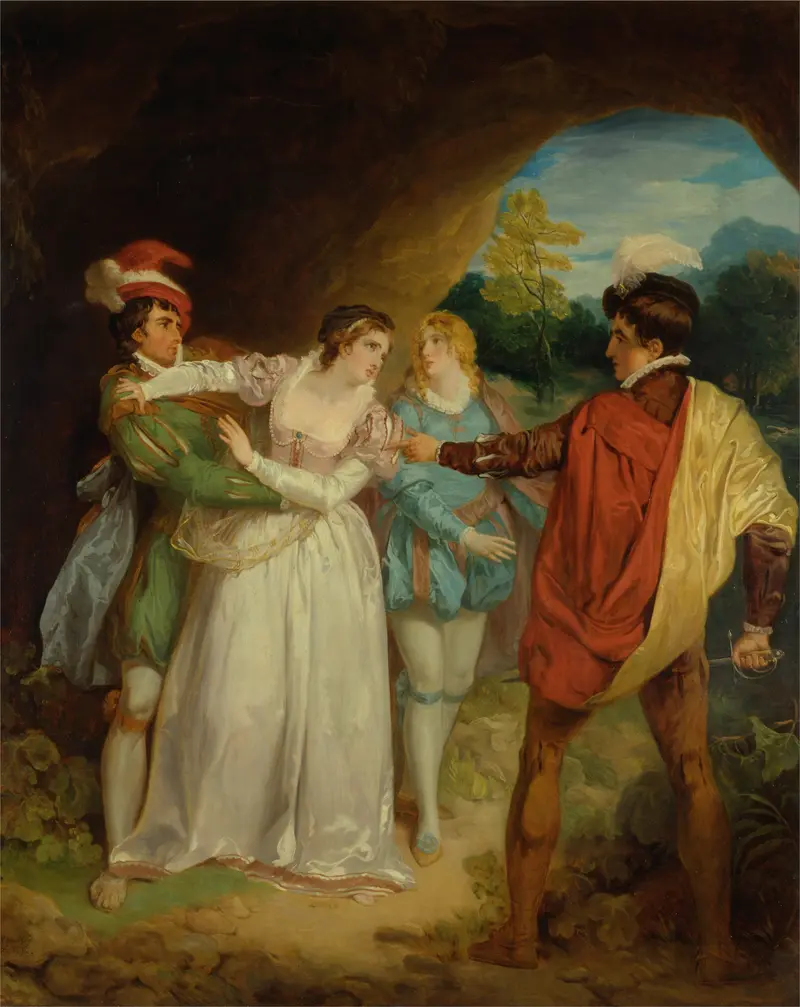
Valentine rescuing Silvia from Proteus, from Shakespeare’s ‘The Two Gentlemen of Verona,’ Act V, Scene 4, the Outlaws’ Cave
Francis Wheatley





