
Portrait of a Family at Den Briel — History & Facts
What first catches the eye in Portrait of a Family at Den Briel is the sense of bustling arrival—a great ship, sails taut and flags flying, has just anchored off the Dutch coast, and the entire shoreline seems to have turned out to greet it. The painter, Adam Willaerts, draws us into a world where the sea is both stage and lifeblood, its churning waves mirrored by the busy, celebratory throng on the sand. A family, richly dressed and central in the foreground, commands our attention: their careful poses and fine garments set them apart from the fishermen and townsfolk, while the fish at their feet and the swan sign above the inn hint at prosperity and local pride.
Light pours over the scene from the left, picking out the white collars and bonnets, and leading the eye from the intimacy of the figures to the grandeur of the ships and the distant town beyond. Painted in 1633, this work belongs to the flourishing Dutch Golden Age, when seafaring trade transformed the fortunes and self-image of the Republic. Pictures like this—part family portrait, part cityscape, part maritime celebration—were often commissioned by wealthy burghers eager to record both their lineage and their civic identity. The flags on the vessels, the careful rendering of architecture across the water, and the mingling of social classes all speak to a society in which commerce, family, and local pride were tightly entwined.
Today, Portrait of a Family at Den Briel is housed in the collection of Museum Boijmans Van Beuningen, a reminder of a world where the arrival of a ship could be the event of the season—look again, and you might almost hear the shouts and laughter on the wind.
More Artworks by Adam Willaerts
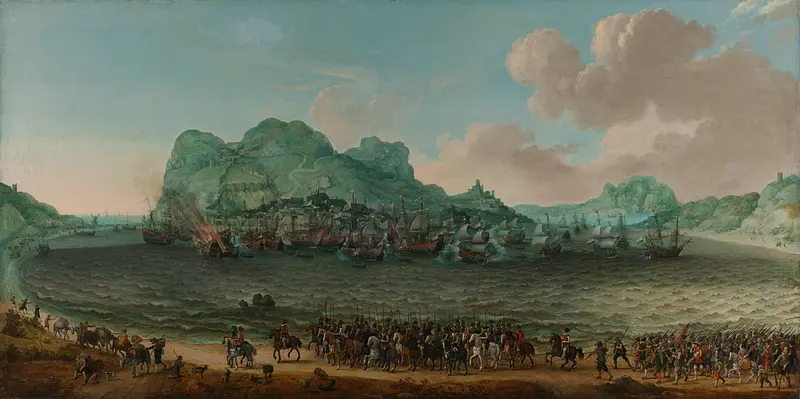
Victory over the Spanish near Gibraltar by a Fleet Commanded by Admiral Jacob van Heemskerck, 25 April 1607
Adam Willaerts
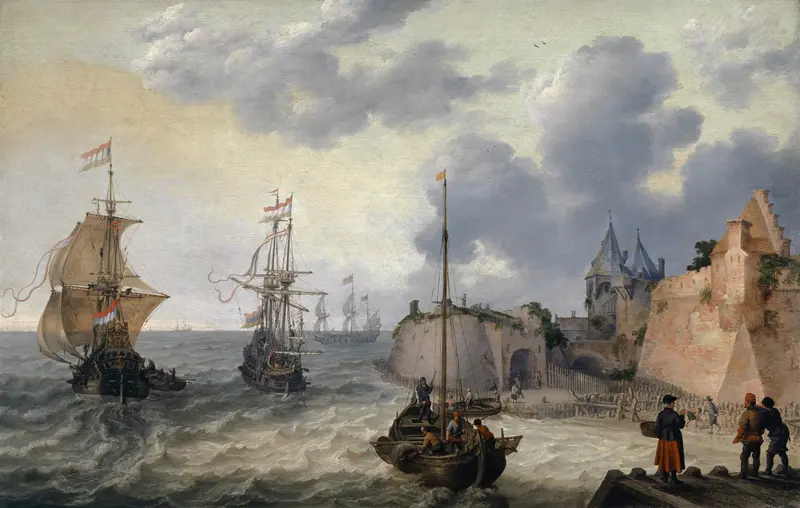
Dutch Harbour with Sailing Ships
Adam Willaerts
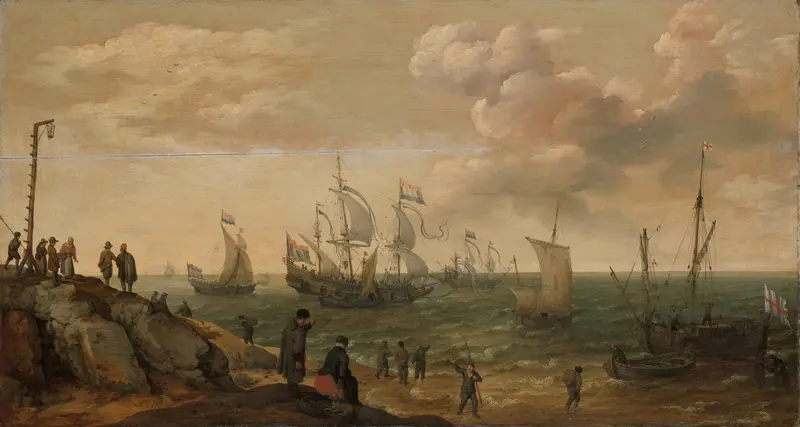
Ships along the Shore
Adam Willaerts
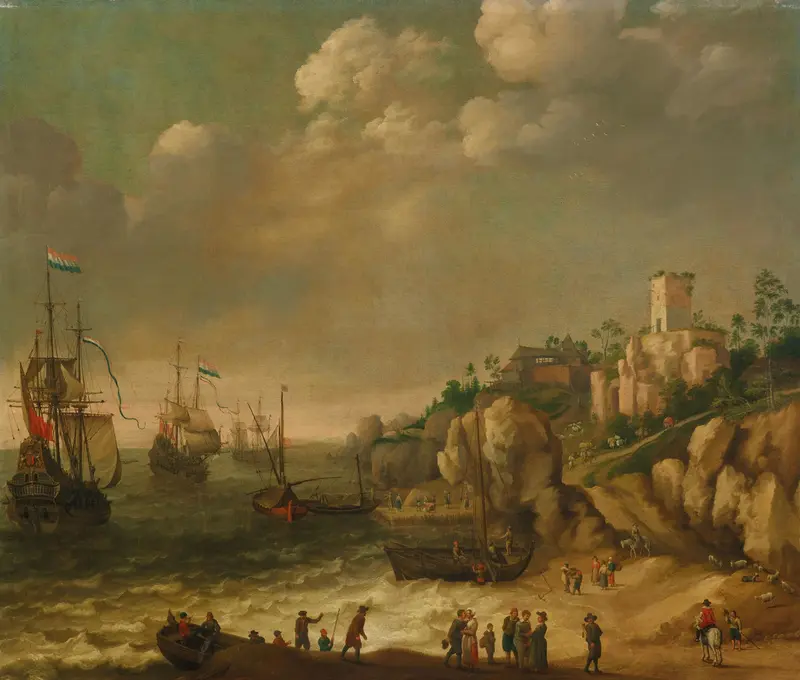
Dutch ships in front of a rocky coast with figures, buildings beyond
Adam Willaerts
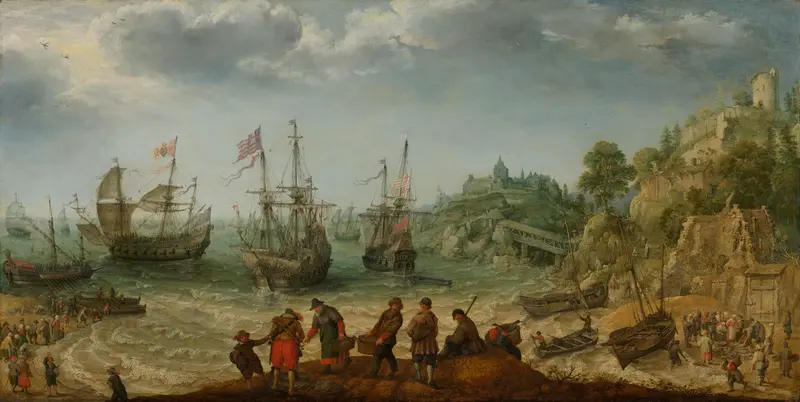
Ships off a Rocky Coast
Adam Willaerts
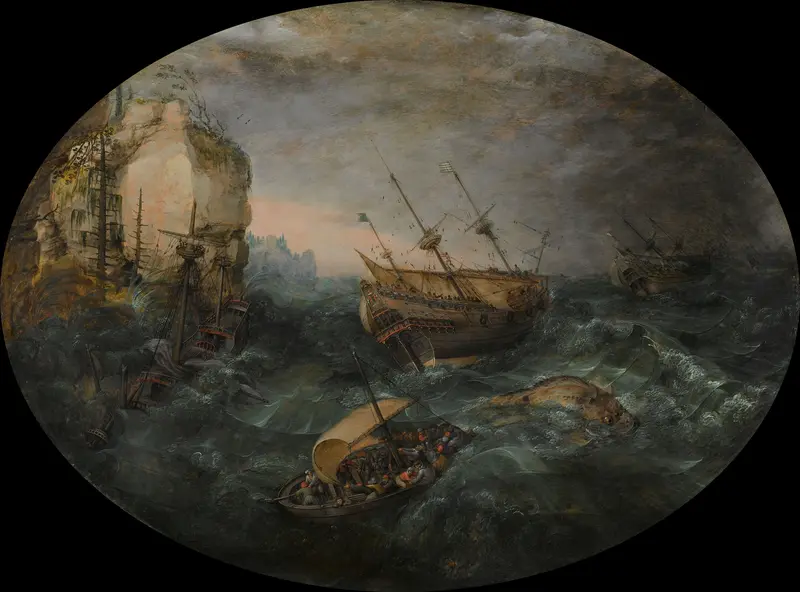
Shipwreck off a Rocky Coast
Adam Willaerts
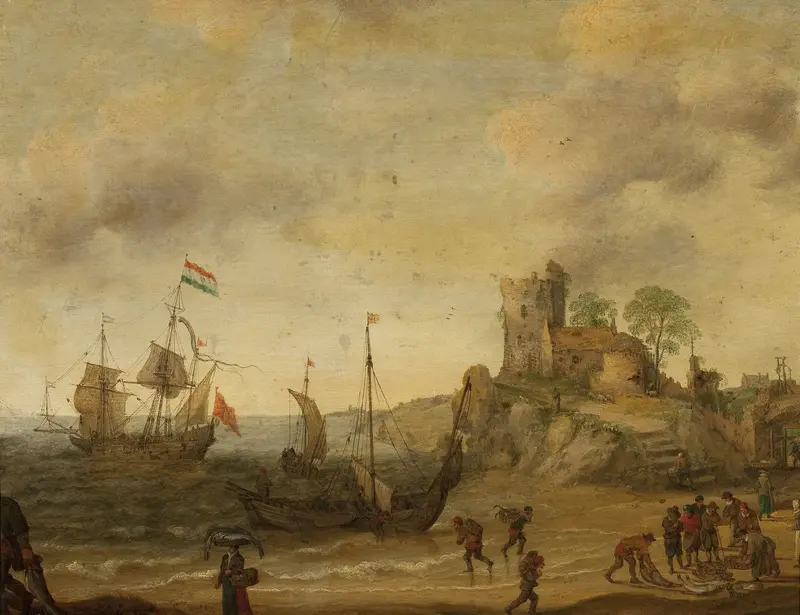
Fishermen at the seaside
Adam Willaerts
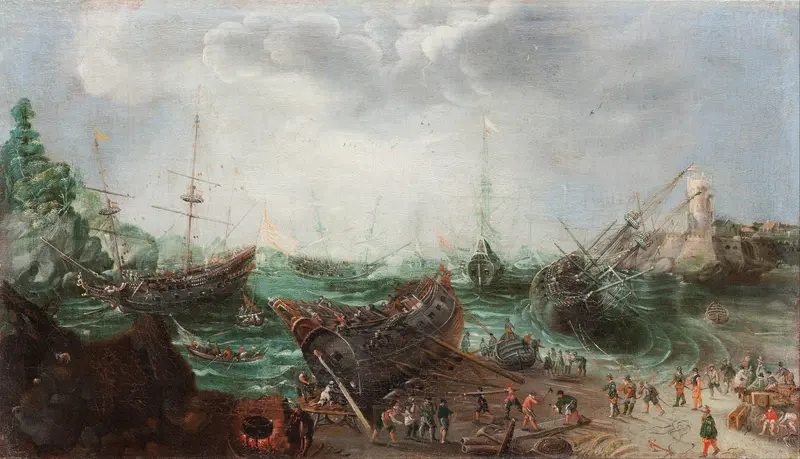
Harbour scene
Adam Willaerts
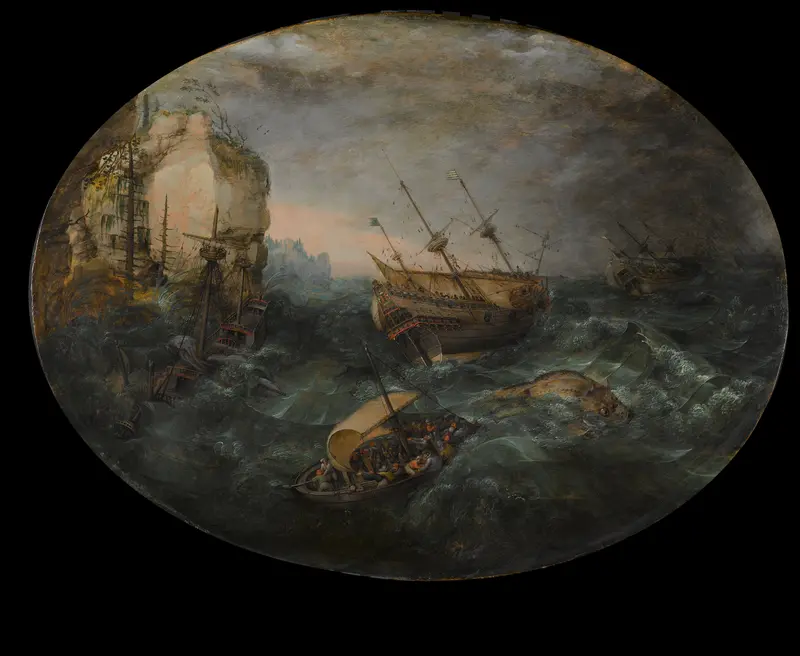
Shipwreck off a Rocky Coast
Adam Willaerts
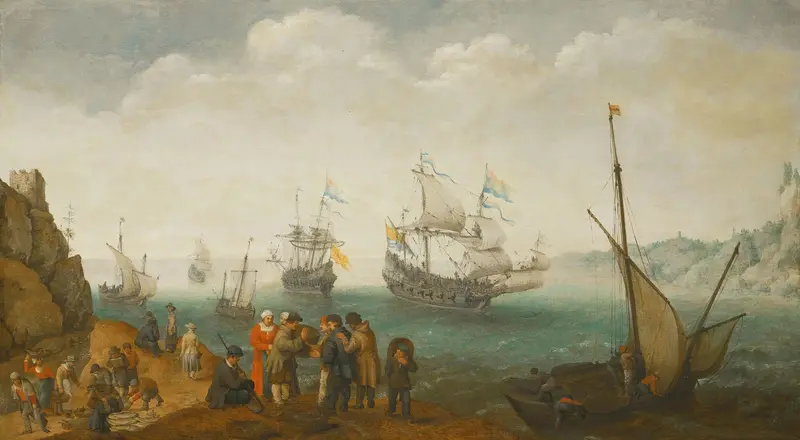
A Marine With Five Vessels Out To Sea And Another In Port, And With Groups Of Largely Male Figures Engaged In Buying Or Selling Fish Or Other Wares
Adam Willaerts
More Genre Scene Art

Banquet of the Officers of the St George Civic Guard
Frans Hals

Rembrandt and Saskia in the Scene of the Prodigal Son
Rembrandt van Rijn

Bal du moulin de la Galette
Pierre-Auguste Renoir

Quadrille at the Moulin Rouge
Henri de Toulouse-Lautrec

A Burial at Ornans
Gustave Courbet

When Will You Marry?
Paul Gauguin