
Portrait of a Lady — History & Facts
Could a single brushstroke hold eternity? In Diego Velázquez's Portrait of a Lady, the artist invites us to explore the delicate balance between appearance and truth, urging viewers to look beyond the surface. Look to the right at the gentle cascade of the lady’s dark hair, meticulously detailed, each strand seemingly alive. The chiaroscuro technique illuminates her face, wrapping her in a soft halo of light that evokes an ethereal presence. Notice how her gaze, both enigmatic and forthright, draws you in, while the muted palette of earthy tones contrasts sharply with the vibrant detail of her attire, suggesting a narrative that transcends the period. Delve deeper into the composition, and you’ll find subtle contrasts that speak to the complexities of identity and perception.
The lady's serene expression juxtaposes the ornate, elaborate fabric of her dress, which signifies status while hinting at the confinement of societal roles. The delicate lace at her collar echoes the fragility of her position in a male-dominated world, creating a tension between empowerment and vulnerability. In 1630, while based in Madrid, Velázquez embarked on this masterpiece during a period when he was establishing himself as the royal court painter. The art world was shifting, moving towards realism and away from the idealized forms of the Renaissance.
This portrait not only reflects his technical prowess but also encapsulates the burgeoning exploration of individual identity within the societal constraints of the time.
More Artworks by Diego Velázquez
Browse all →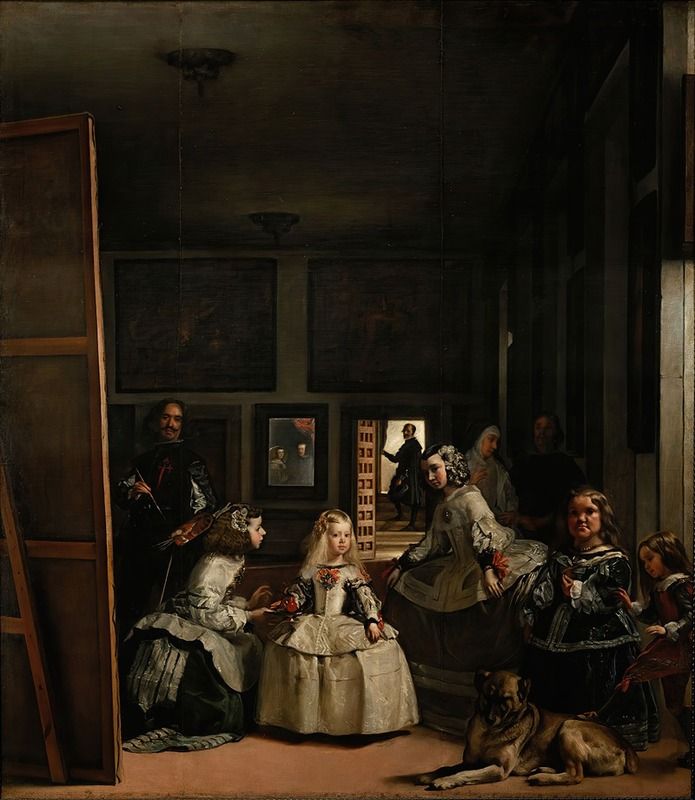
Las meninas
Diego Velázquez

An Old Woman Cooking Eggs
Diego Velázquez
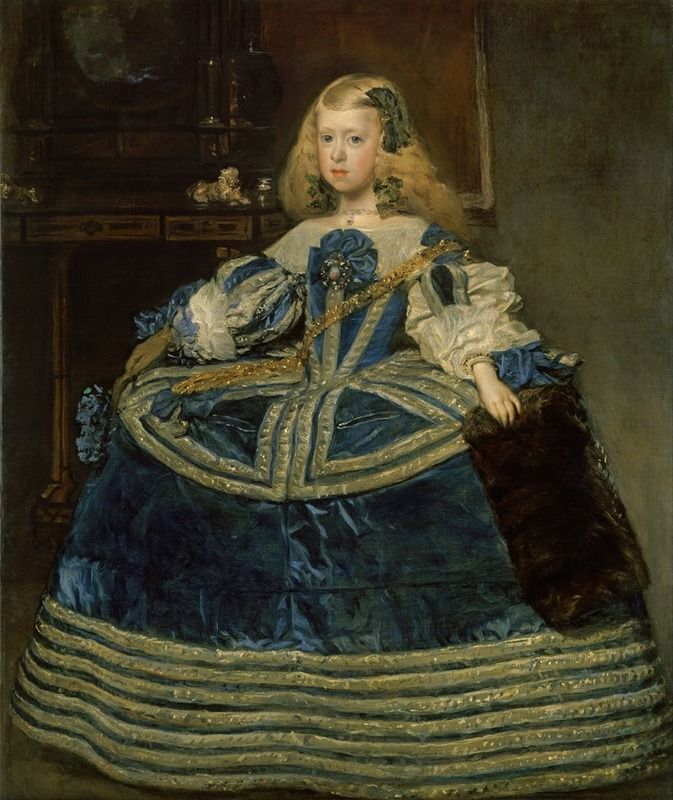
Infanta Margarita Teresa in a Blue Dress
Diego Velázquez

María Teresa, Infanta of Spain
Diego Velázquez
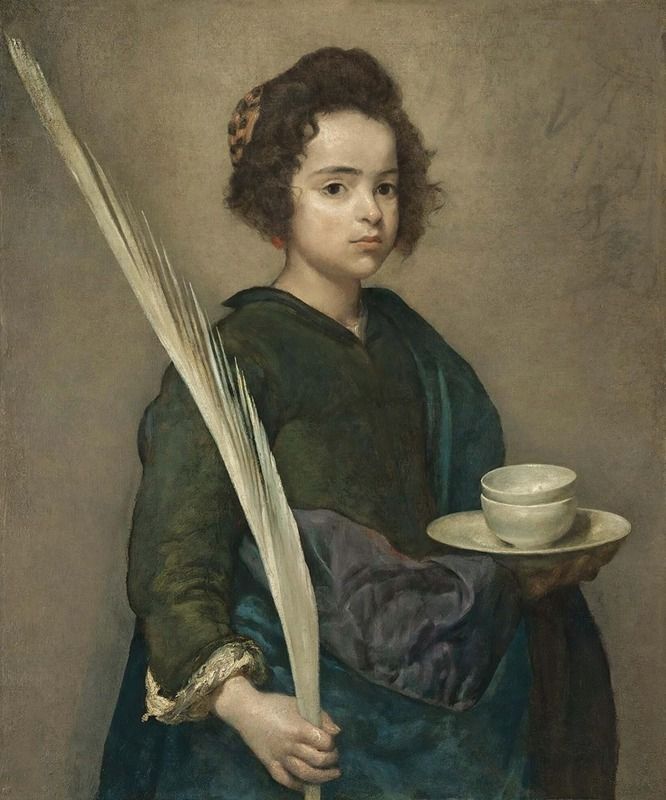
Saint Rufina
Diego Velázquez
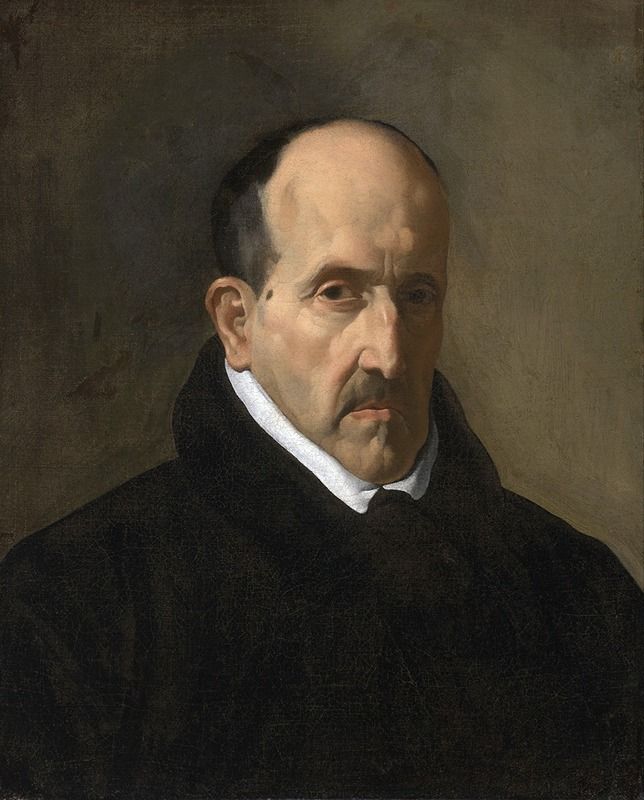
Luis de Góngora y Argote
Diego Velázquez

The lady with a Fan
Diego Velázquez

Cabeza de muchacha
Diego Velázquez

The education of the Virgin
Diego Velázquez
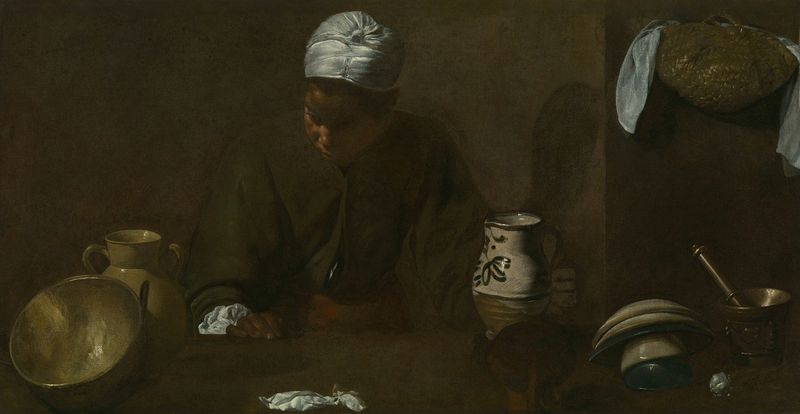
Kitchen Scene
Diego Velázquez
More Portrait Art
Browse all →Las meninas
Diego Velázquez
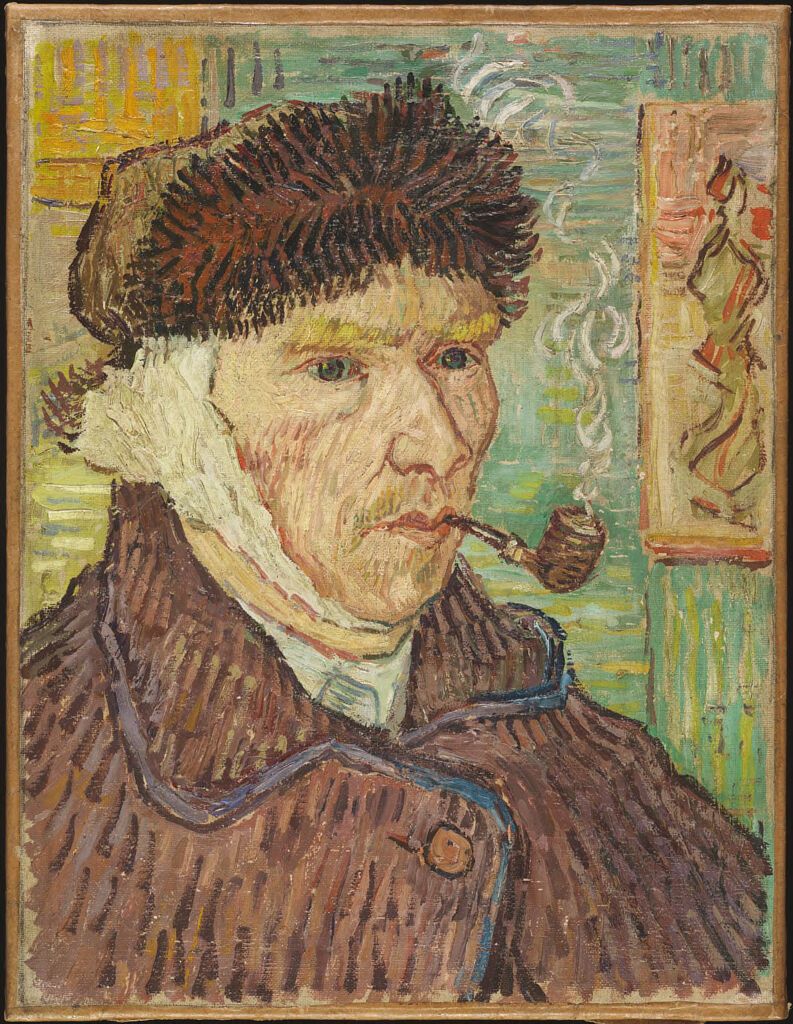
Self-portrait with a Bandaged Ear and Pipe
Unidentified artist
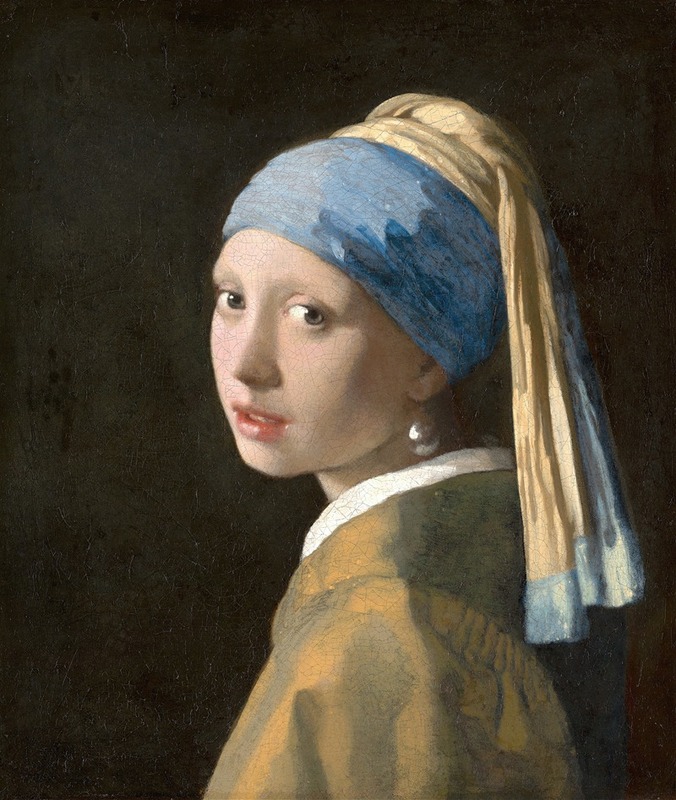
Girl with a Pearl Earring
Johannes Vermeer
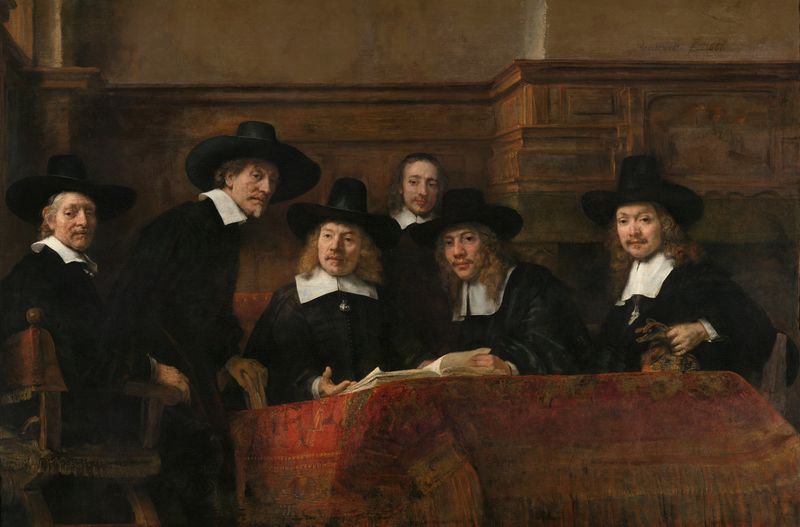
The Sampling Officials of the Amsterdam Drapers’ Guild, Known as ‘The Syndics’
Rembrandt van Rijn
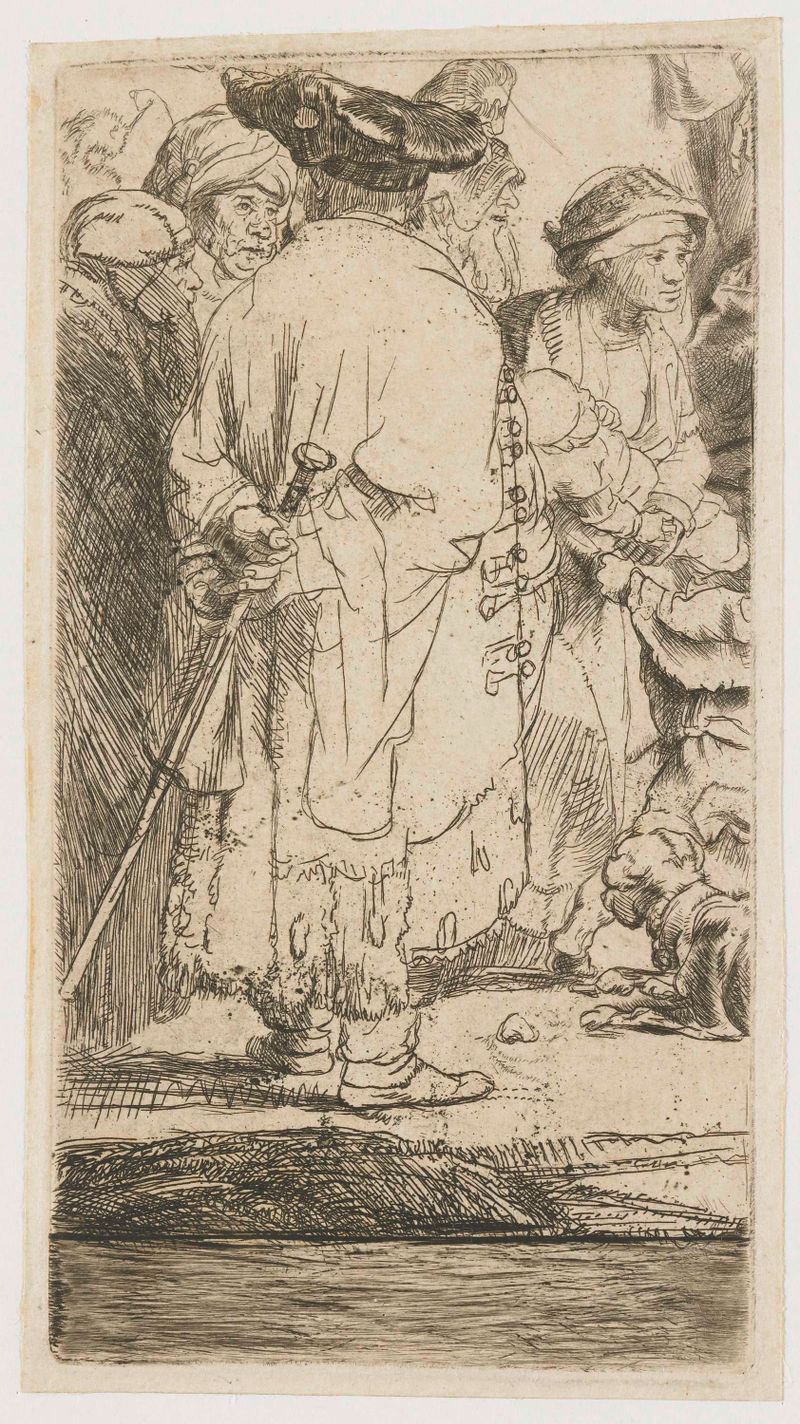
The Hundred Guilder Print: the man seen on the back in the lower left corner
Rembrandt van Rijn

Portrait of Dr Gachet
Vincent van Gogh