
Portrait of a man — History & Facts
In the delicate interplay of shadow and light, a legacy is forged, capturing the essence of humanity in its simplest yet profound form. Look to the center where the figure stands, cloaked in dark, rich fabrics that absorb the light while simultaneously evoking a sense of depth and mystery. Notice how the face, illuminated with a soft, natural glow, draws the eye with its penetrating gaze. The meticulous brushwork conveys not just the physical features but also an emotional resonance, blending realism with a subtle hint of nobility.
The stark contrast between the background and the subject adds an almost theatrical quality to the composition, emphasizing the man’s presence. Beneath the surface, this portrait is a meditation on identity and the passage of time. The slight smile, coupled with the somber attire, suggests a duality of joy and melancholy—an acknowledgment of life's impermanence. The absence of elaborate embellishments invites viewers to contemplate the man's character rather than mere status, elevating him as an archetype of the human experience.
Each brushstroke seems to whisper stories of legacy, challenging us to question what lasts beyond the canvas. In 1641, Velázquez painted this work amidst the tensions of the Spanish court, a time when he was gaining prominence as the court painter for King Philip IV. The artist was deeply entrenched in the exploration of realism, pushing boundaries to capture the truth of his subjects. This period marked a pivotal moment in art history, where the interplay of light and shadow became a defining element of his style, shaping his legacy for future generations.
More Artworks by Diego Velázquez
Browse all →
Las meninas
Diego Velázquez

An Old Woman Cooking Eggs
Diego Velázquez
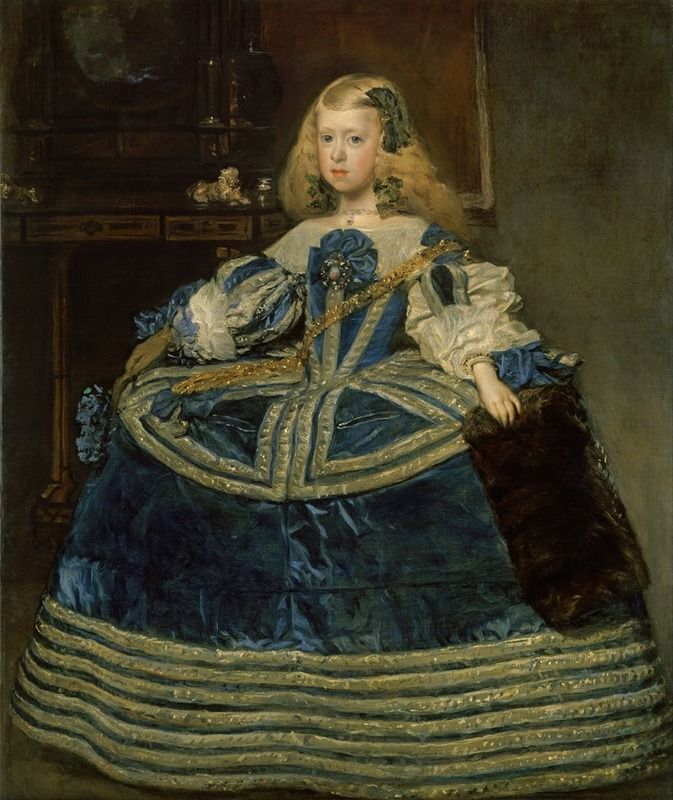
Infanta Margarita Teresa in a Blue Dress
Diego Velázquez

María Teresa, Infanta of Spain
Diego Velázquez
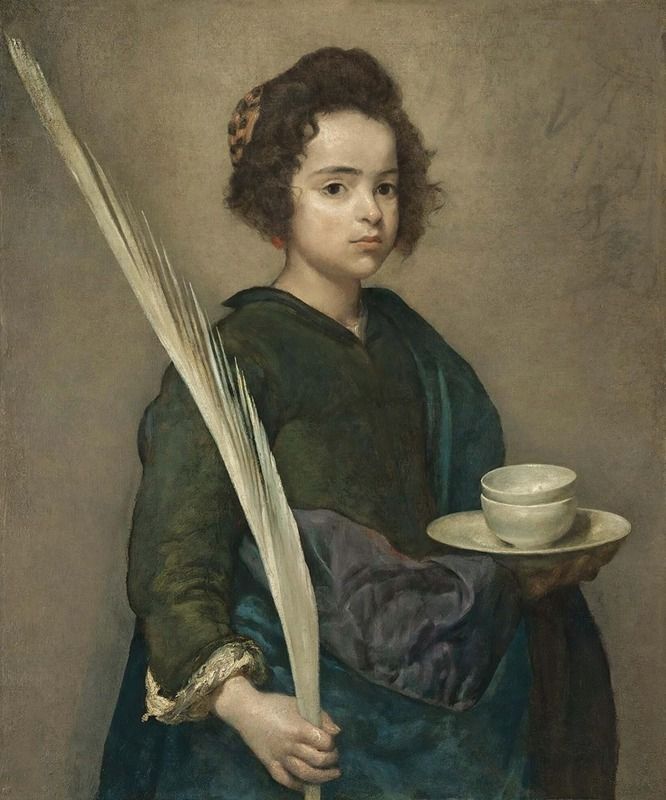
Saint Rufina
Diego Velázquez
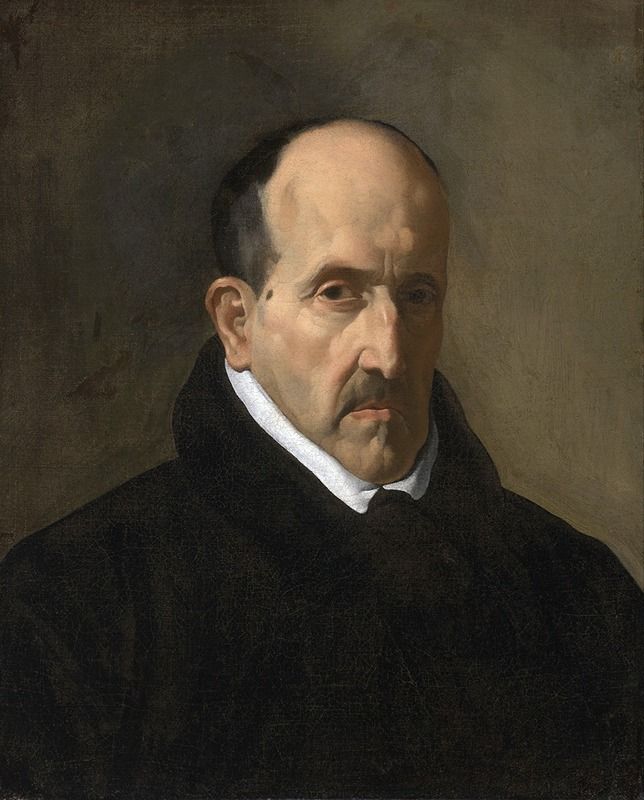
Luis de Góngora y Argote
Diego Velázquez

The lady with a Fan
Diego Velázquez

Cabeza de muchacha
Diego Velázquez

The education of the Virgin
Diego Velázquez
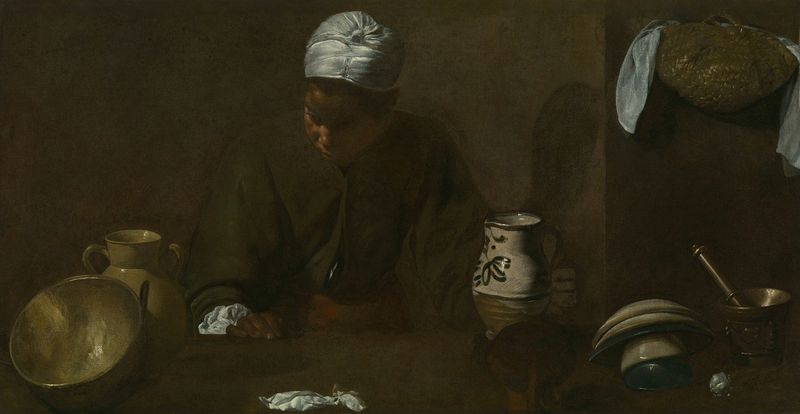
Kitchen Scene
Diego Velázquez
More Portrait Art
Browse all →Las meninas
Diego Velázquez

Self-portrait with a Bandaged Ear and Pipe
Unidentified artist

Girl with a Pearl Earring
Johannes Vermeer

The Sampling Officials of the Amsterdam Drapers’ Guild, Known as ‘The Syndics’
Rembrandt van Rijn

The Hundred Guilder Print: the man seen on the back in the lower left corner
Rembrandt van Rijn

Portrait of Dr Gachet
Vincent van Gogh