
Portrait of a Man — History & Facts
In Portrait of a Man, Egon Schiele uses a striking palette of deep reds, blacks, and yellows. The figure is depicted with exaggerated features, emphasizing the emotional intensity of the subject. The background is abstract and dark, which contrasts with the vivid colors of the figure.
This creates a sense of isolation and focus on the man portrayed. The painting is characterized by Schiele's signature style, which includes bold lines and a dynamic composition. The brushwork is expressive, with visible strokes that add texture and depth. The use of color is not only aesthetic but also serves to convey the subject's emotional state.
Viewers can appreciate the raw energy and tension in the work. Egon Schiele was a prominent figure in the Expressionist movement, known for his raw and emotional portraits. Portrait of a Man reflects his interest in exploring the human psyche and the complexities of identity. An interesting fact about this work is that it exemplifies Schiele's ability to capture the essence of his subjects in a way that feels both intimate and confrontational.
This painting is a testament to his innovative approach to portraiture.
More Artworks by Egon Schiele

Lovers
Egon Schiele
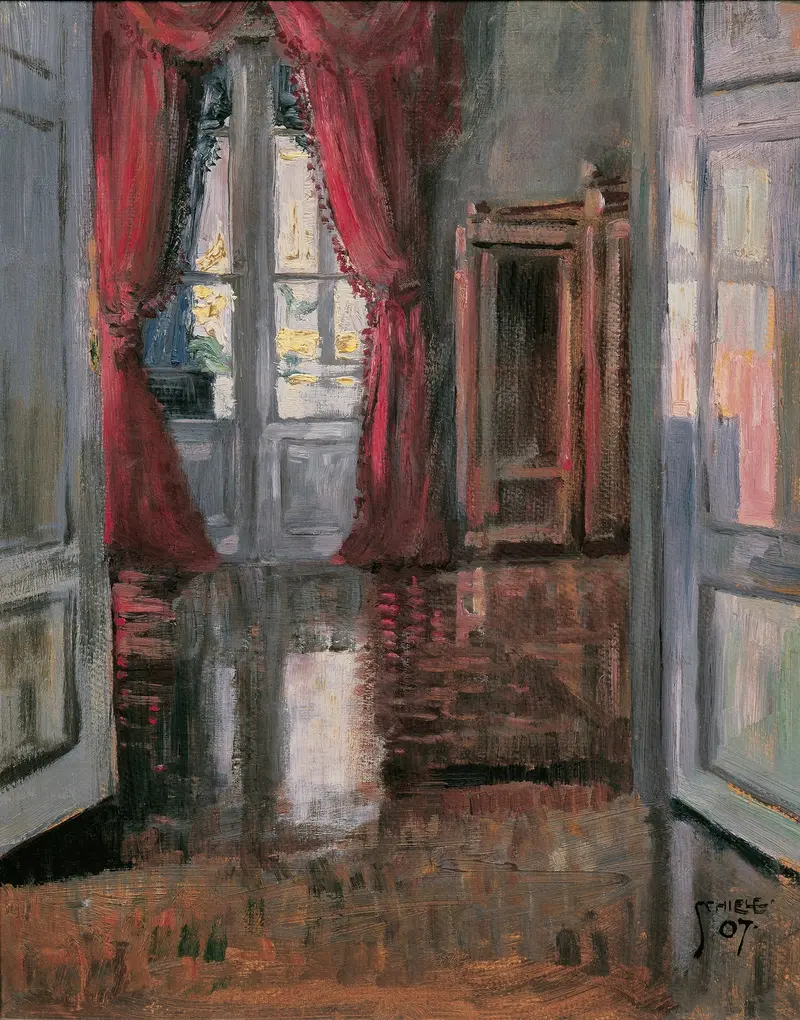
Blick in die Wohnung von Leopold und Marie Czihaczek
Egon Schiele
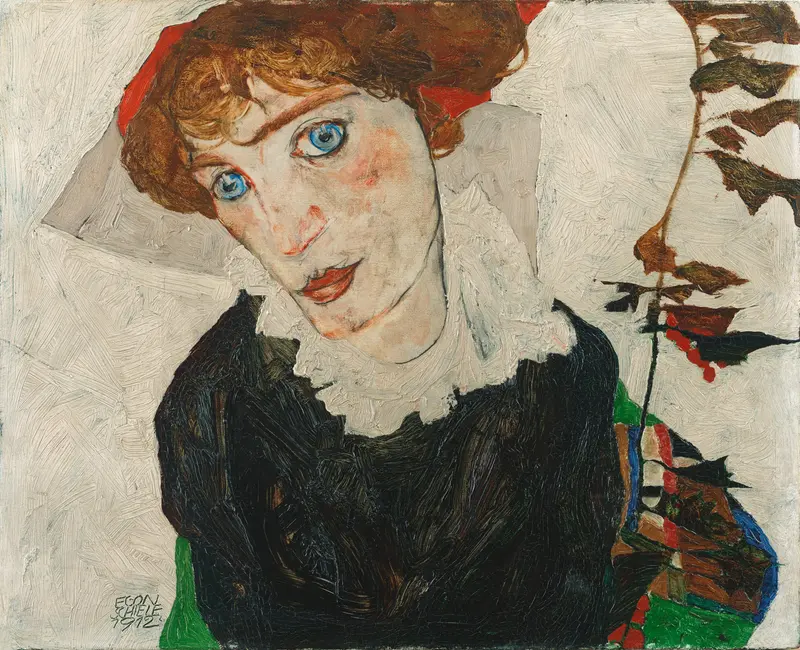
Portrait Of Wally Neuzil
Egon Schiele
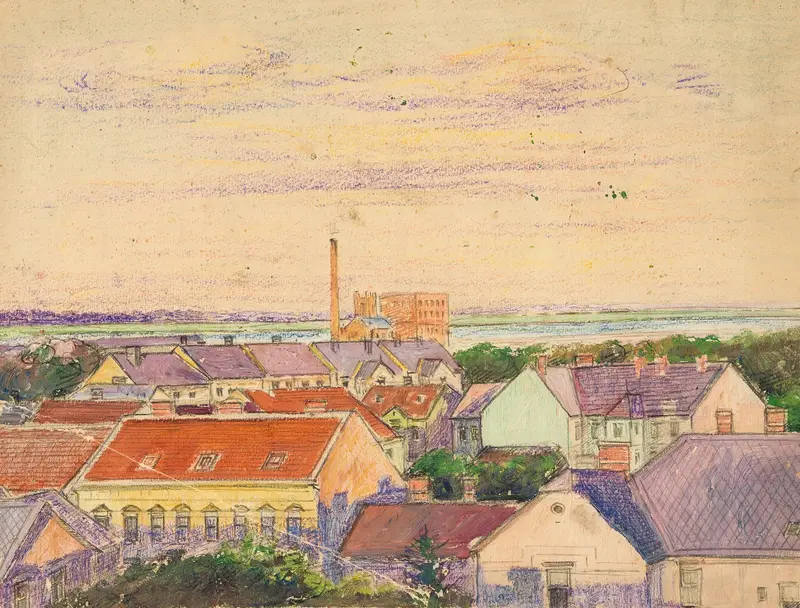
Stadtansicht
Egon Schiele
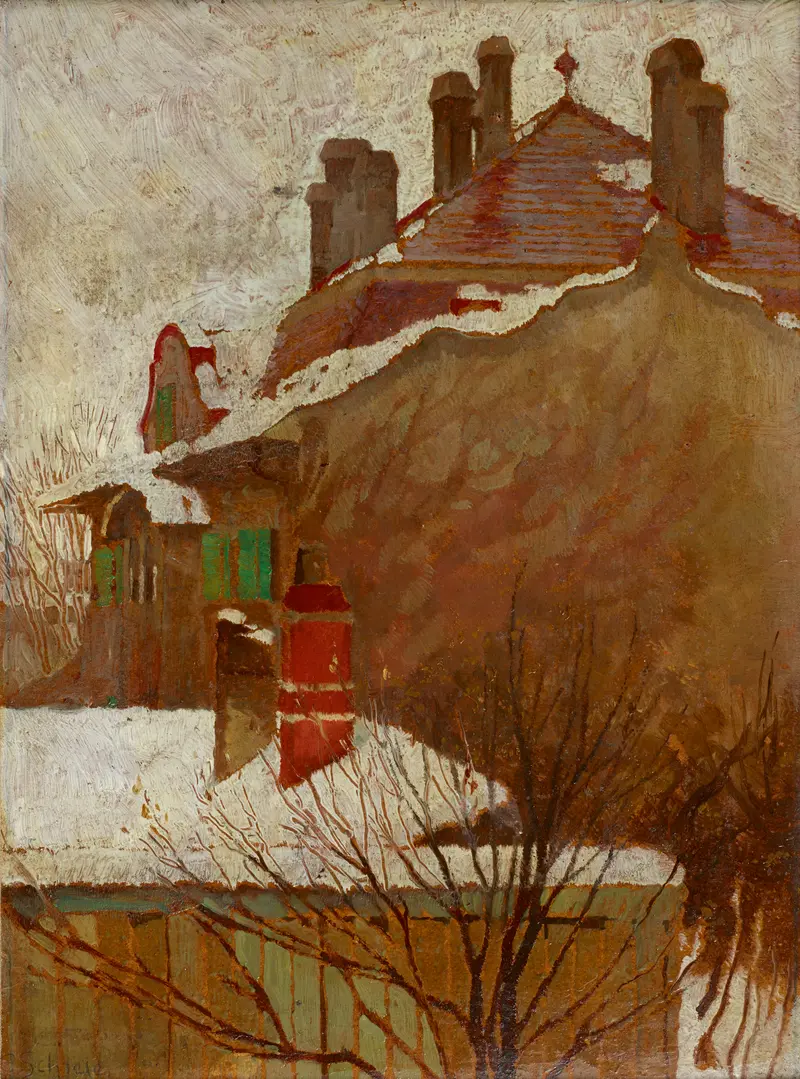
Häuser im Winter (Blick aus dem Atelier)
Egon Schiele
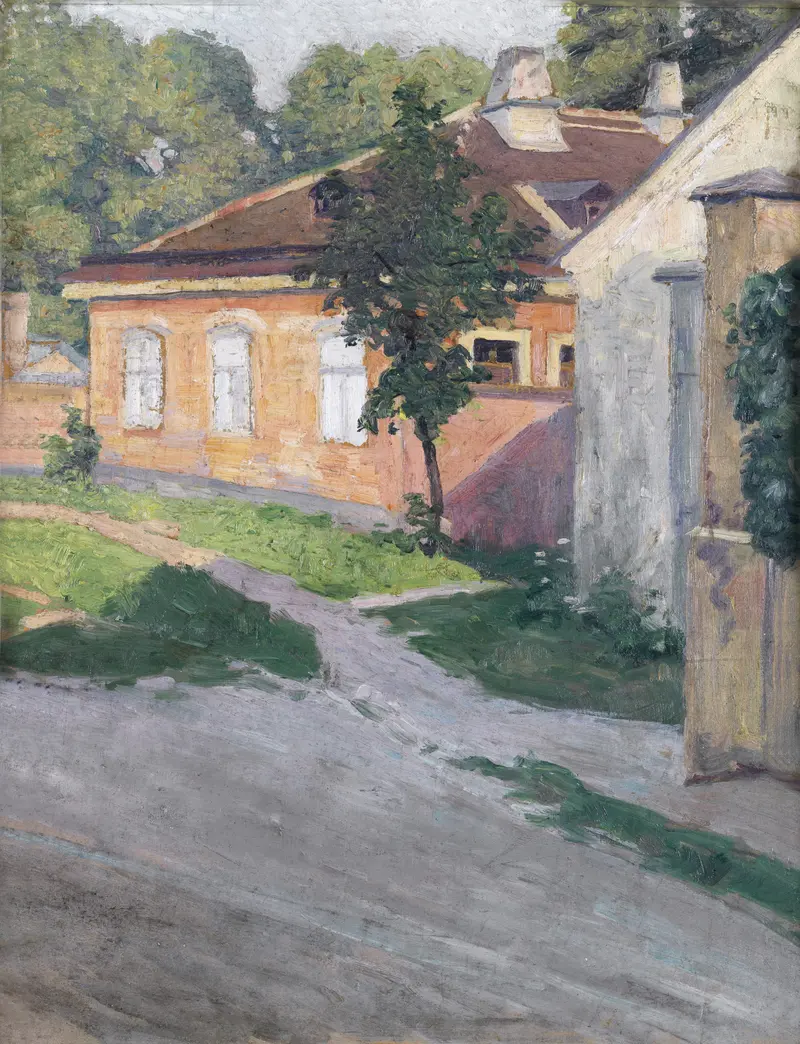
Haus In Hütteldorf (House In Hütteldorf)
Egon Schiele
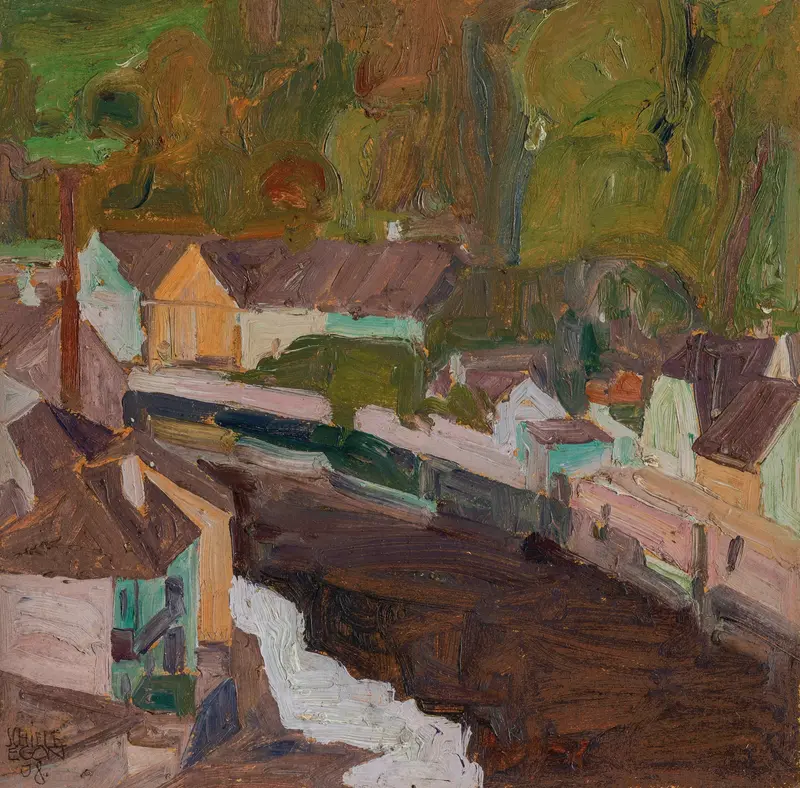
Dorf am Fluss II
Egon Schiele
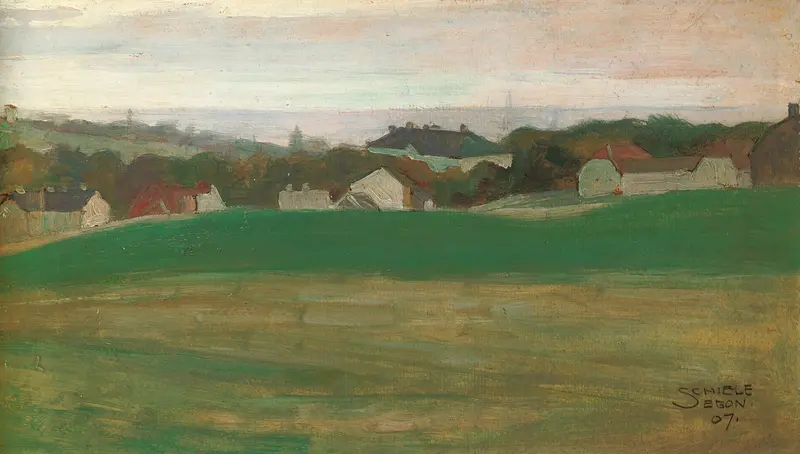
Wiese mit Dorf im Hintergrund II
Egon Schiele
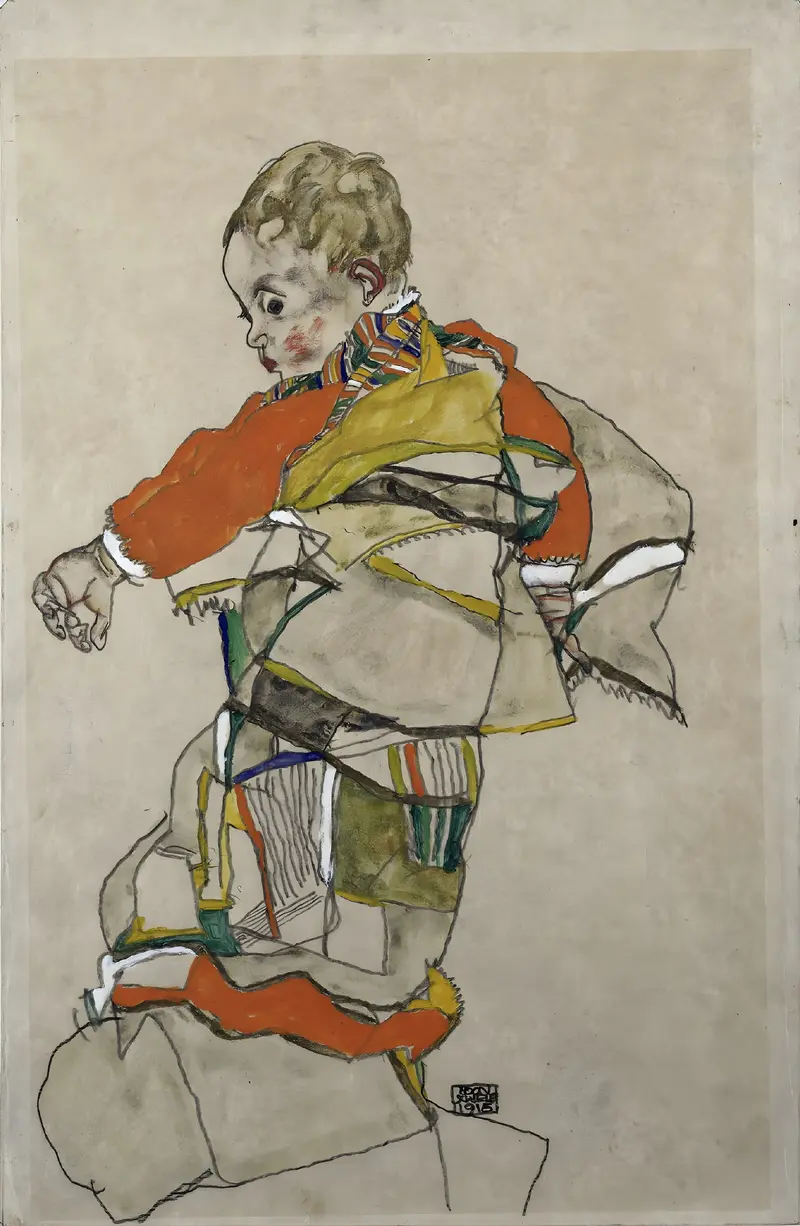
Portrait of a Child (Anton Peschka, Jr.)
Egon Schiele
The Embrace
Egon Schiele





