
Portrait of a Woman — History & Facts
What if beauty was never meant to be finished? In Portrait of a Woman, Kanji Nakamura captures a moment suspended between time and emotion, a testament to the fragility of existence and the weight of grief. Look to the left at the woman's eyes, deep-set and contemplative, drawing the viewer into a world of unspoken sorrow. Notice how the soft, muted colors envelop her figure—subtle shades of ochre and slate that reflect a life lived yet marked by loss. The meticulous brushwork creates texture in her hair, infusing it with a sense of movement, as if it might stir with the winds of memory.
The light cascades softly, illuminating her features while casting delicate shadows that deepen her expression, revealing layers of complexity beneath the surface. The juxtaposition of her serene posture against the underlying tension of her gaze unveils a poignant narrative: joy once held, now clouded by an inescapable sorrow. Each element in the composition serves as a reminder of beauty's impermanence; the fleeting nature of happiness is encapsulated in her subtle smile, which seems to hover between remembrance and loss. The artist, through this powerful portrayal, invites contemplation of the dichotomies of life—love intertwined with grief, beauty tinged with melancholy. Nakamura painted this work in the transitional period between the 19th and 20th centuries, a time when Japan was embracing modernity while grappling with the vestiges of tradition.
It was a period of great change, both personally for the artist and culturally for Japan, as Western influences began to permeate art. The artist's exploration of emotion in this portrait reflects not only his own experiences but also the broader human condition, capturing the essence of a society in flux.
More Artworks by Kanji Nakamura
Browse all →
Courtyard of an Old Palace, Palermo
Kanji Nakamura
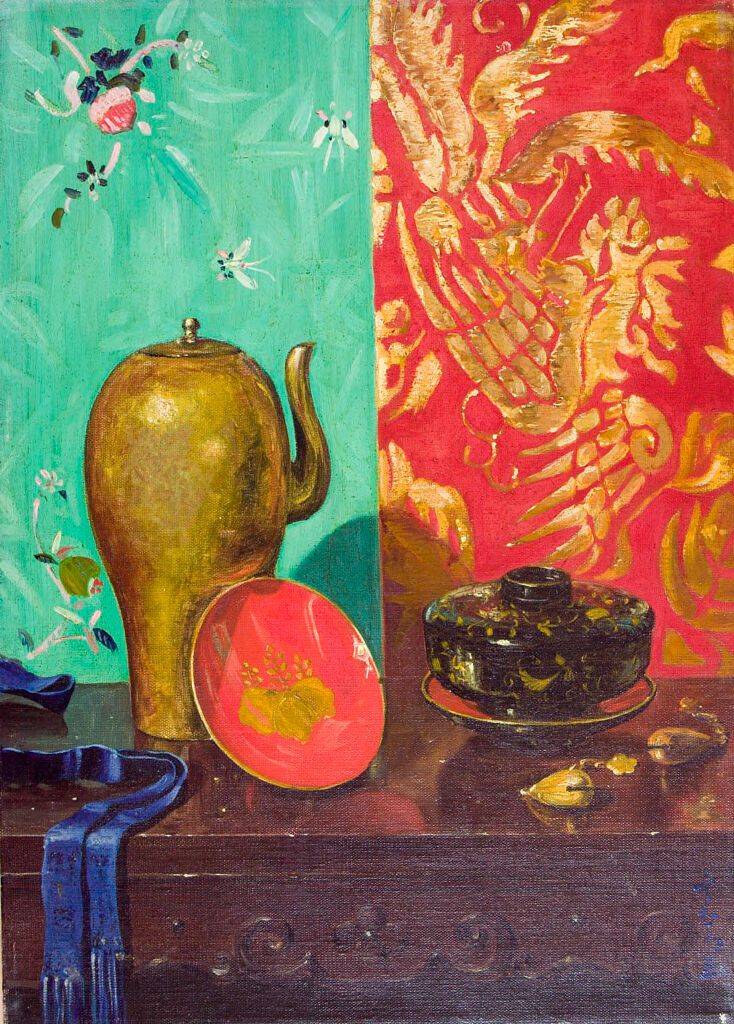
Still Life with Vessel, Plate and Ink Jar
Kanji Nakamura
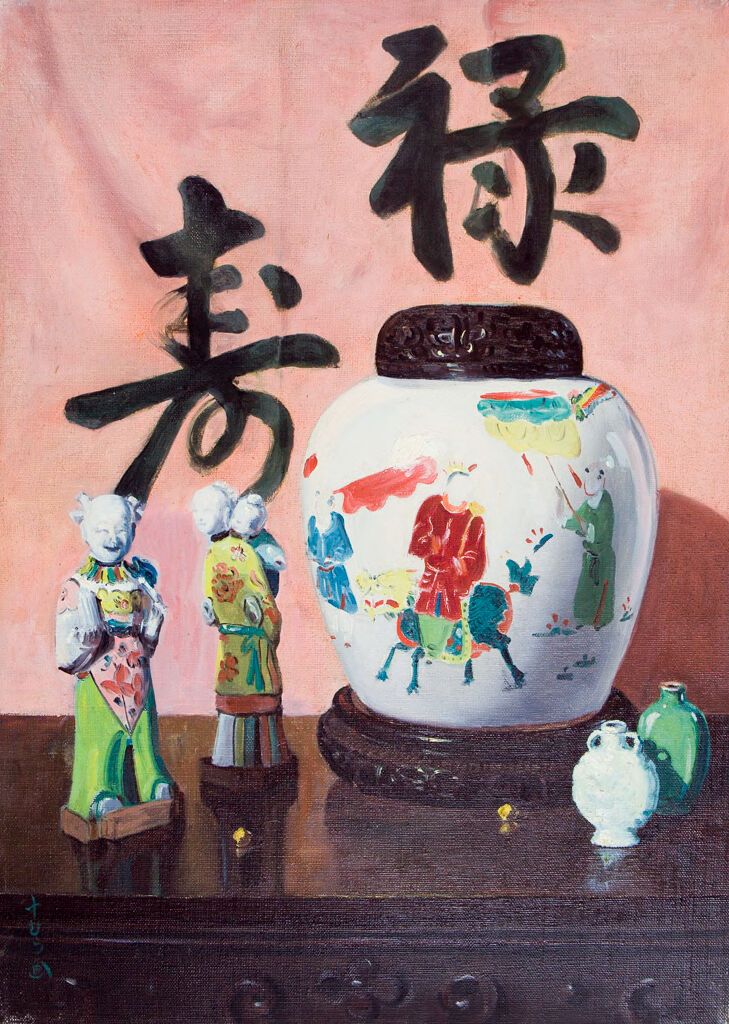
Still Life with Jars and Figurines
Kanji Nakamura
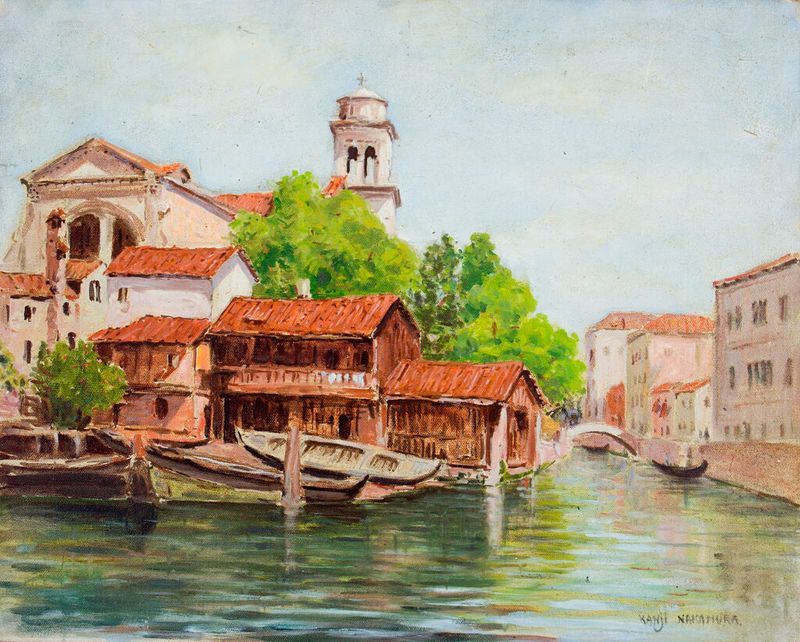
Canal Scene with Buildings and Steeple
Kanji Nakamura

Flowers
Kanji Nakamura

Orizaba, Mexico
Kanji Nakamura

Self-Portrait
Kanji Nakamura

Still Life with Oriental Head
Kanji Nakamura
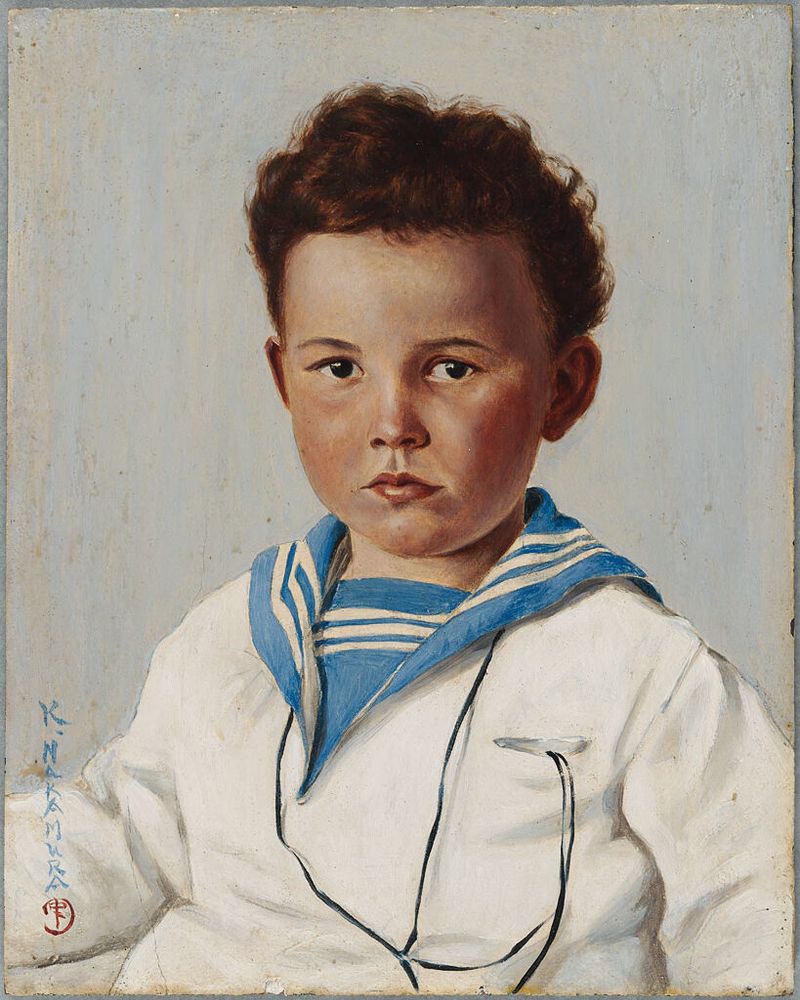
Portrait of a Boy
Kanji Nakamura

Still Life with Grapes and Pomegranates
Kanji Nakamura
More Portrait Art
Browse all →
Las meninas
Diego Velázquez

Self-portrait with a Bandaged Ear and Pipe
Unidentified artist

Girl with a Pearl Earring
Johannes Vermeer

The Sampling Officials of the Amsterdam Drapers’ Guild, Known as ‘The Syndics’
Rembrandt van Rijn

The Hundred Guilder Print: the man seen on the back in the lower left corner
Rembrandt van Rijn

Portrait of Dr Gachet
Vincent van Gogh