
Portrait of a young girl — History & Facts
What draws the eye first in Portrait of a young girl by Adolph Tidemand is not the sitter’s gaze, but her quiet reserve. The artist has chosen a moment of stillness, capturing the girl with her hands folded neatly in her lap, her face turned ever so slightly away from the viewer. The soft, diffused light falls gently across her features, picking out the flush in her cheeks and the delicate curve of her mouth.
Her dress, patterned in blue and grey checks, is rendered with a careful hand, its texture contrasting with the smoothness of her skin and the simple string of pearls at her neck. The background is kept deliberately muted, allowing the figure to emerge with clarity and dignity, her expression caught somewhere between thoughtfulness and uncertainty. Painted in 1851, this work belongs to a period when portraiture was both a record and a statement, often commissioned to mark family milestones or social aspirations. Adolph Tidemand was a leading figure in Scandinavian art, known for his sensitive depictions of everyday people and scenes.
While history has kept few traces of this particular painting’s journey, we know it surfaced at Sotheby’s in New York in 2008, a testament to the enduring appeal of such intimate studies. In the mid-nineteenth century, artists like Tidemand were beginning to look beyond grand historical narratives, finding meaning in the quiet presence of ordinary lives. The girl’s steady composure invites us to linger, searching her face for the story the artist has left untold.
More Artworks by Adolph Tidemand

Bridal Procession on the Hardangerfjord
Adolph Tidemand
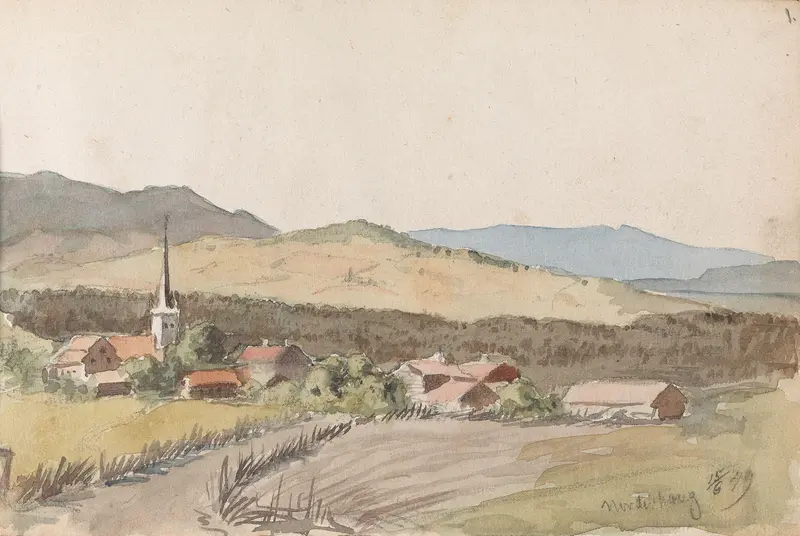
Fra Haugsbygd
Adolph Tidemand

Domkirkeruinen, Hamar
Adolph Tidemand
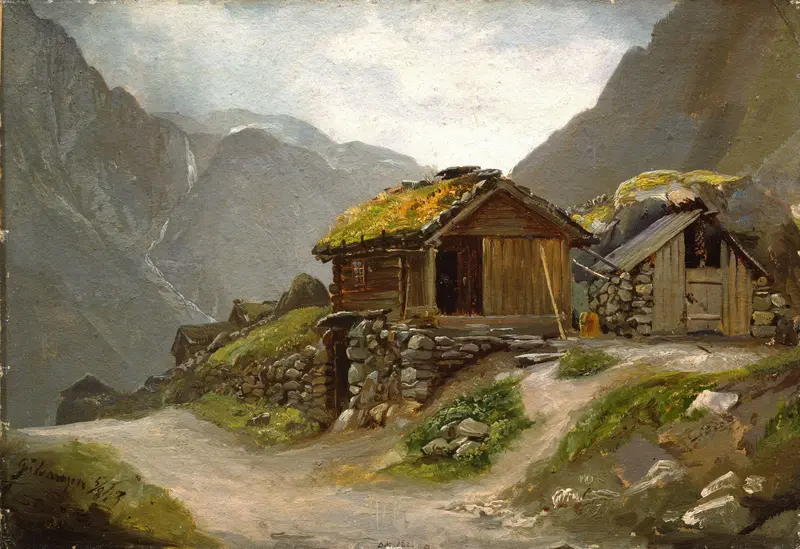
View from Gudvangen
Adolph Tidemand

View of Gudvangen
Adolph Tidemand
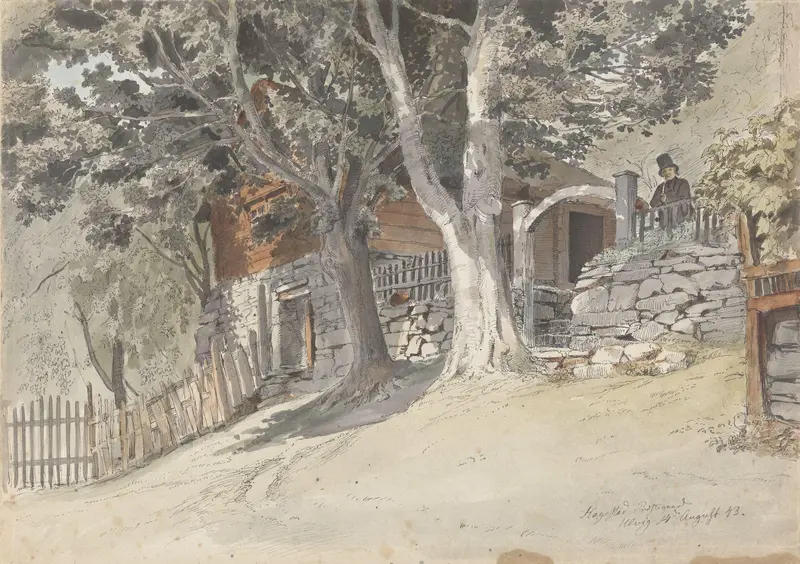
Hagestad prestegård, Ulvik i Hardanger
Adolph Tidemand
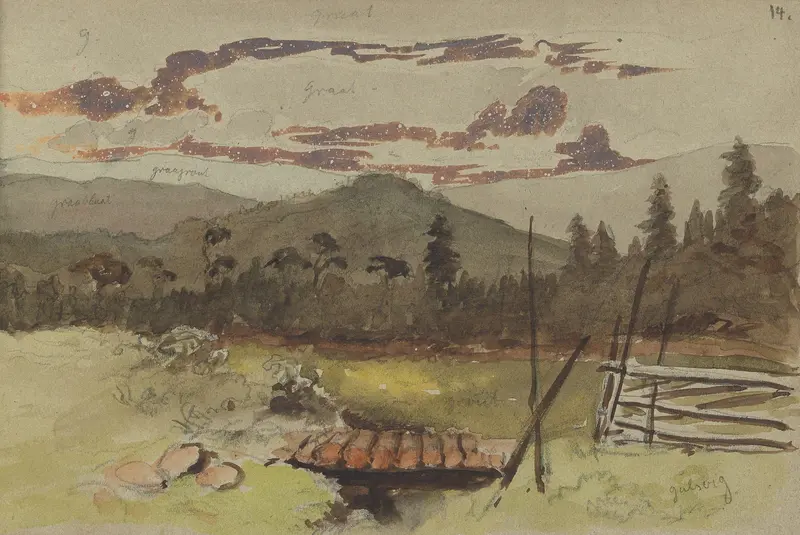
Fra Gulsvik
Adolph Tidemand
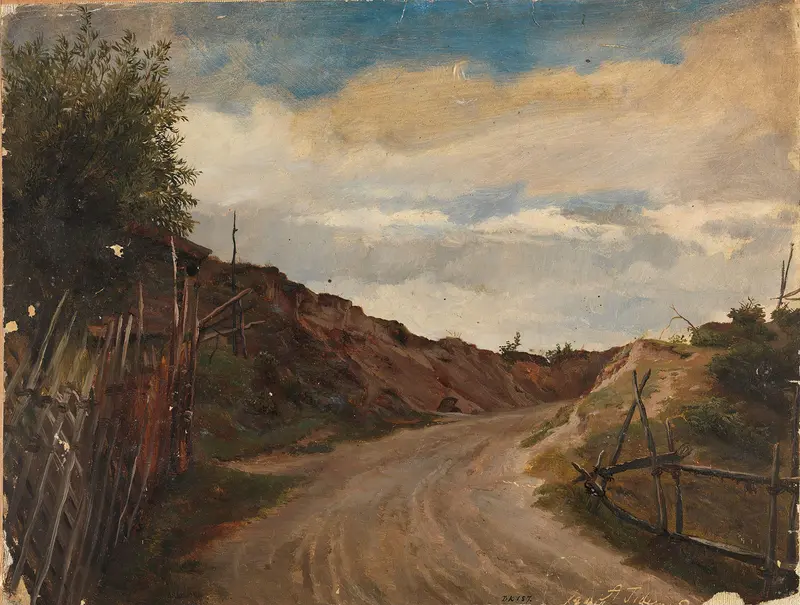
Country Road
Adolph Tidemand
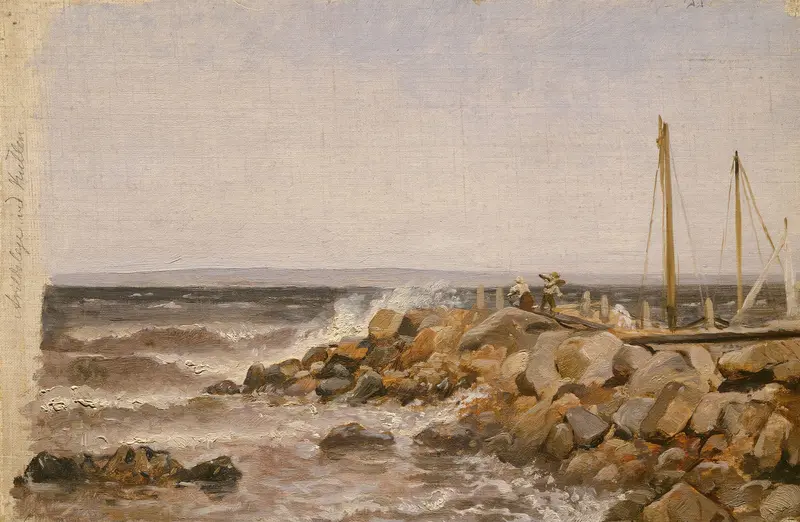
From Kullen in Sweden
Adolph Tidemand

Untitled
Adolph Tidemand





