
Portrait of a young Woman — History & Facts
What first draws the eye in Portrait of a young Woman is the quiet force of the sitter’s gaze—direct yet reserved, as if she is weighing her words before speaking. Her hands, adorned with rings and gently folded at her waist, speak of composure and perhaps a sense of expectation. The crisp geometry of her black bodice frames her face, while the creamy linen of her headdress and sleeves catches the light, setting her apart from the deep, swirling green background.
The artist’s attention to the textures of fabric and skin invites the viewer to linger, to notice the subtle flush in her cheeks and the careful rendering of every fold and seam. Painted circa 1522, this work belongs to the world of early sixteenth-century Germany, a time when portraiture was gaining new importance among the urban middle classes. Artists like Albrecht Altdorfer responded to the growing desire for images that captured not only appearance but also character and status. The sitter’s attire, with its rich colors and fine details, signals both prosperity and modesty—virtues prized in the shifting social landscape of the Reformation era.
Now in the Thyssen collection, this portrait stands as a record of a moment when individuality and identity began to find their place on the painted panel, inviting us to meet the gaze of someone who lived five centuries ago.
More Artworks by Albrecht Altdorfer

Landscape with Two Pines
Albrecht Altdorfer
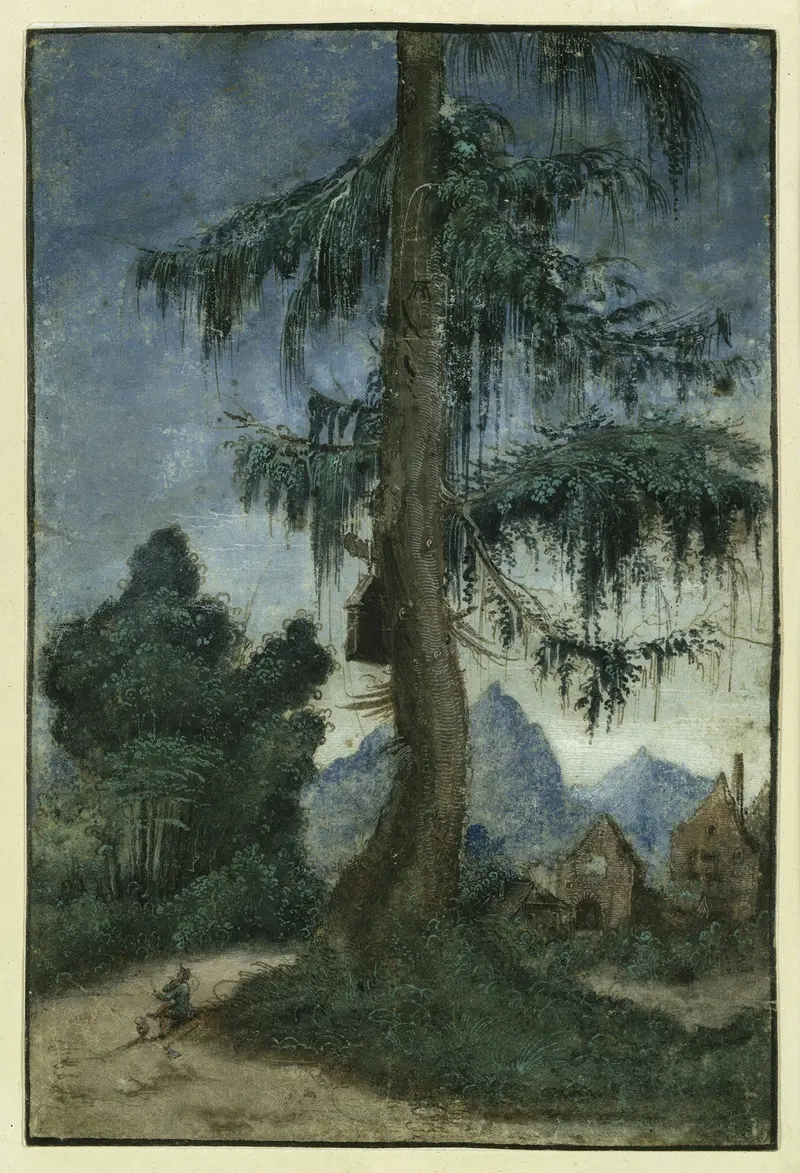
Landscape with spruce
Albrecht Altdorfer

The Battle of Alexander at Issus
Albrecht Altdorfer
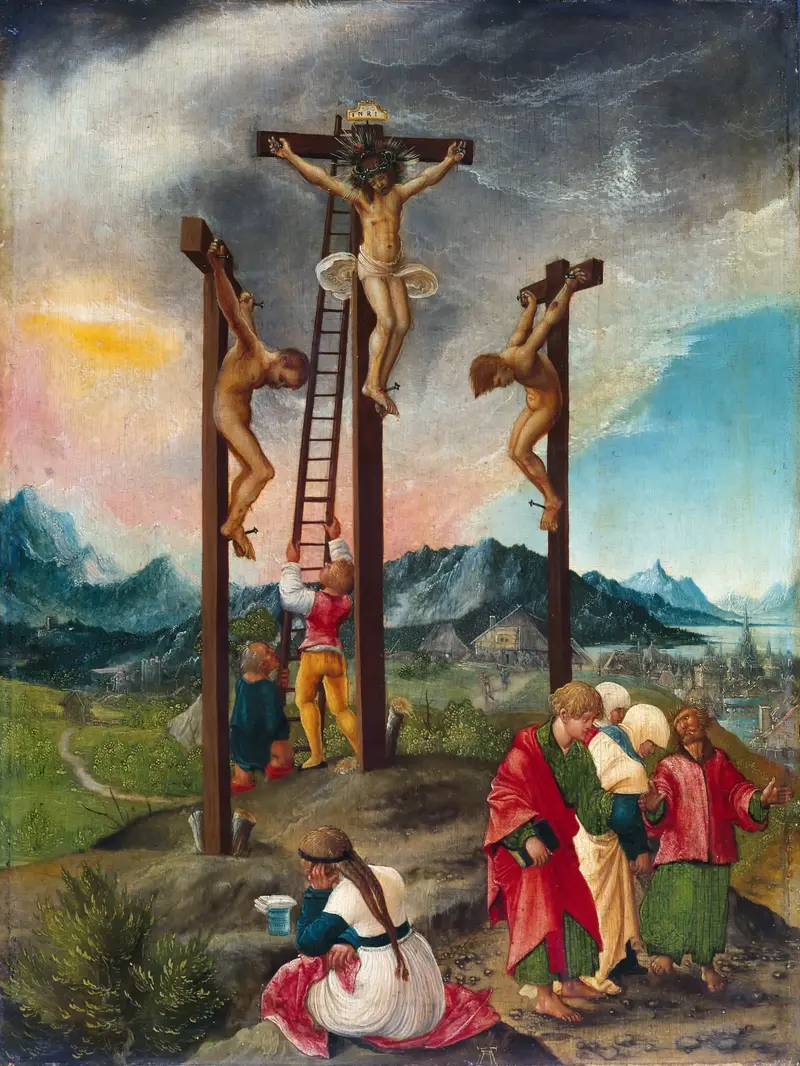
Christ on the Cross between the Two Thieves
Albrecht Altdorfer

Christ Taking Leave of his Mother
Albrecht Altdorfer

Countryside of Wood With Saint George Fighting the Dragon
Albrecht Altdorfer
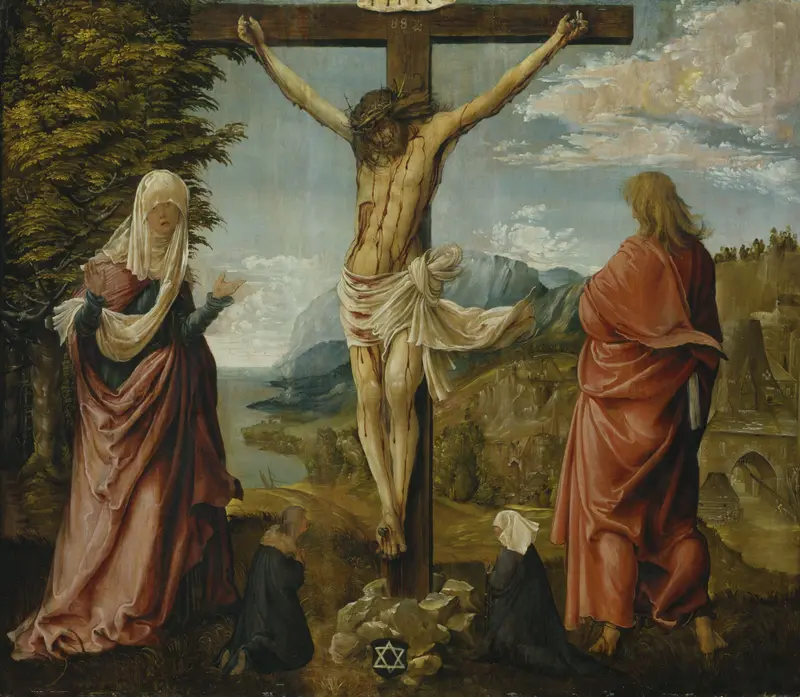
Crucifixion with Mary and John
Albrecht Altdorfer

Finding of the Body of Saint Florian
Albrecht Altdorfer

Penitent Hieronymus
Albrecht Altdorfer
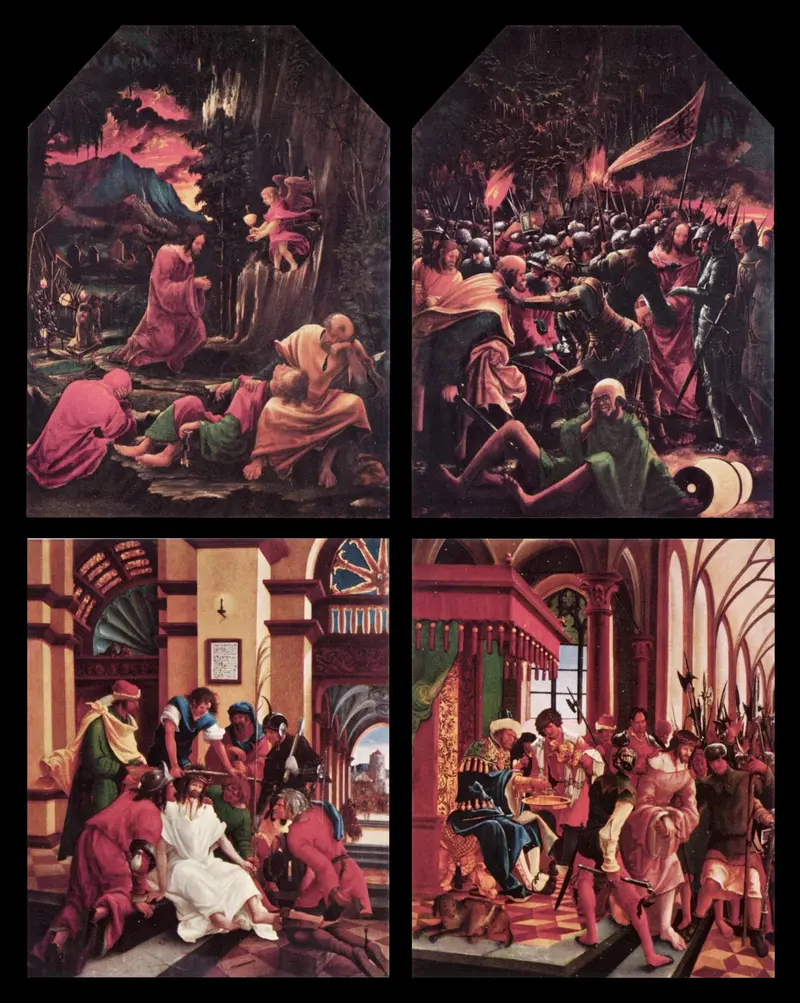
Pilate Washing His Hands by Altdorfer
Albrecht Altdorfer





