
Portrait of Adriaen Besemer, Director of the Rotterdam Chamber of the Dutch East India Company, elected 1642 — History & Facts
Can beauty exist without sorrow? In Portrait of Adriaen Besemer, the viewer is invited to grapple with the delicate balance between power and vulnerability, a duality that reverberates through the very essence of this striking image. Look closely at the subject's dignified stance, a testament to authority and control. The artist employs rich, deep hues of green and gold, drawing the eye first to the opulent fabric of Besemer's attire. Notice how the soft light caresses his face, illuminating the somber yet resolute expression that seems to tell a story of both ambition and sacrifice.
The meticulous detailing of the lace collar and the shining buttons reveals the artist's commitment to realism, inviting contemplation about the cultural and economic prosperity represented by the Dutch East India Company. Within this composition lies an exploration of contrasts. Besemer's confident posture juxtaposes the subtle shadows playing across his face, hinting at an inner turmoil that belies his outward strength. The sumptuous drapery speaks to his wealth, yet it also serves as a visual reminder of the burdens that accompany authority.
The background, muted and indistinct, reinforces his prominence while whispering of the myriad challenges faced by those in power — a reminder that glory is often intertwined with personal sacrifice. Created between 1695 and 1722, this portrait was painted during a time when the artist was navigating the complexities of his own career and the shifting tides of art in the Netherlands. Having risen to prominence in the late 17th century, he became known for his ability to blend traditional techniques with emerging styles, capturing the human condition in all its facets. In this period, the Dutch Republic flourished economically, yet it was also a time marked by political tensions and societal change, making the portrayal of figures like Besemer both relevant and poignant.
More Artworks by Pieter van der Werff
Browse all →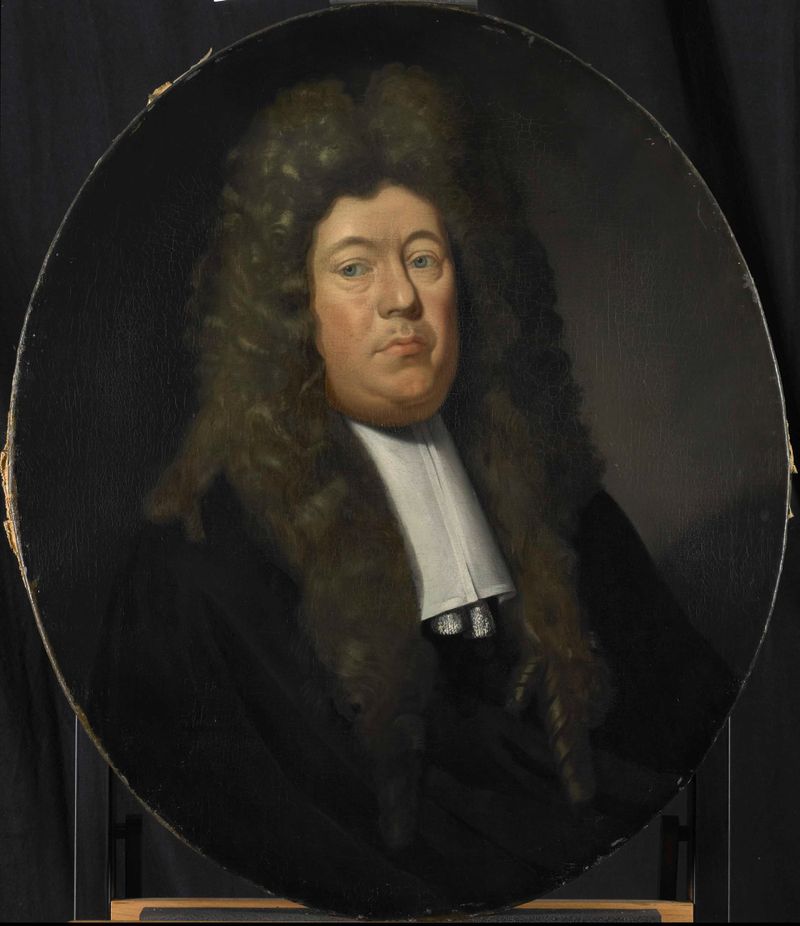
Portrait of Adriaen Paets, Director of the Rotterdam Chamber of the Dutch East India Company, elected 1668
Pieter van der Werff
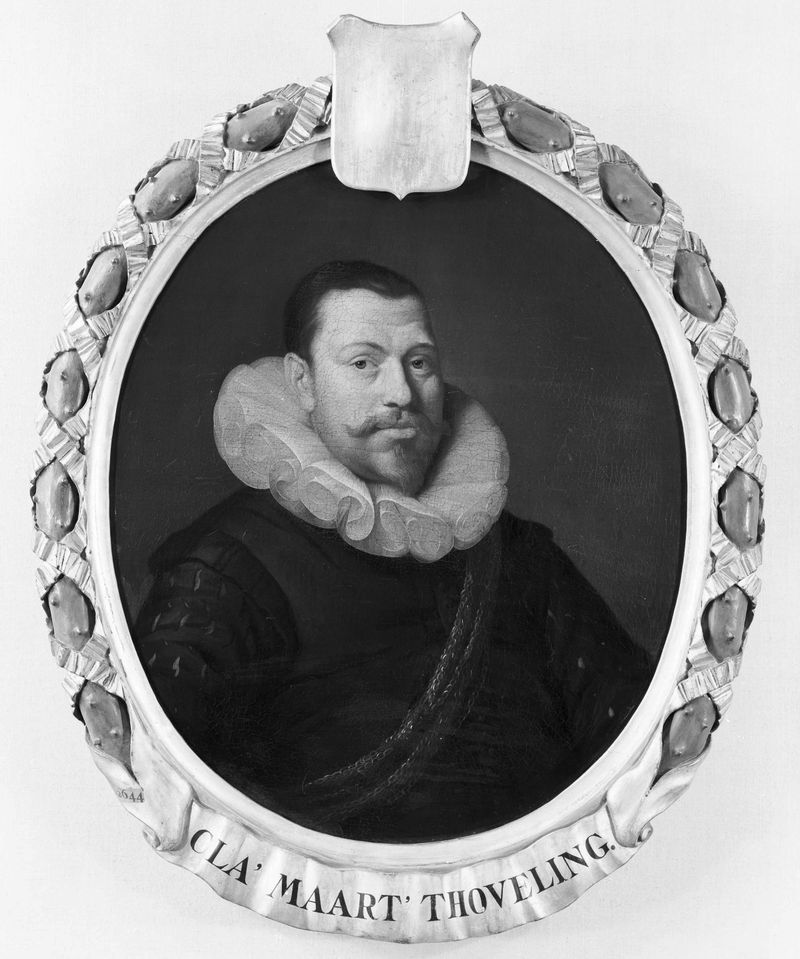
Portrait of Claes Maertensz Thoveling, Director of the Rotterdam Chamber of the Dutch East India Company, elected 1619
Pieter van der Werff
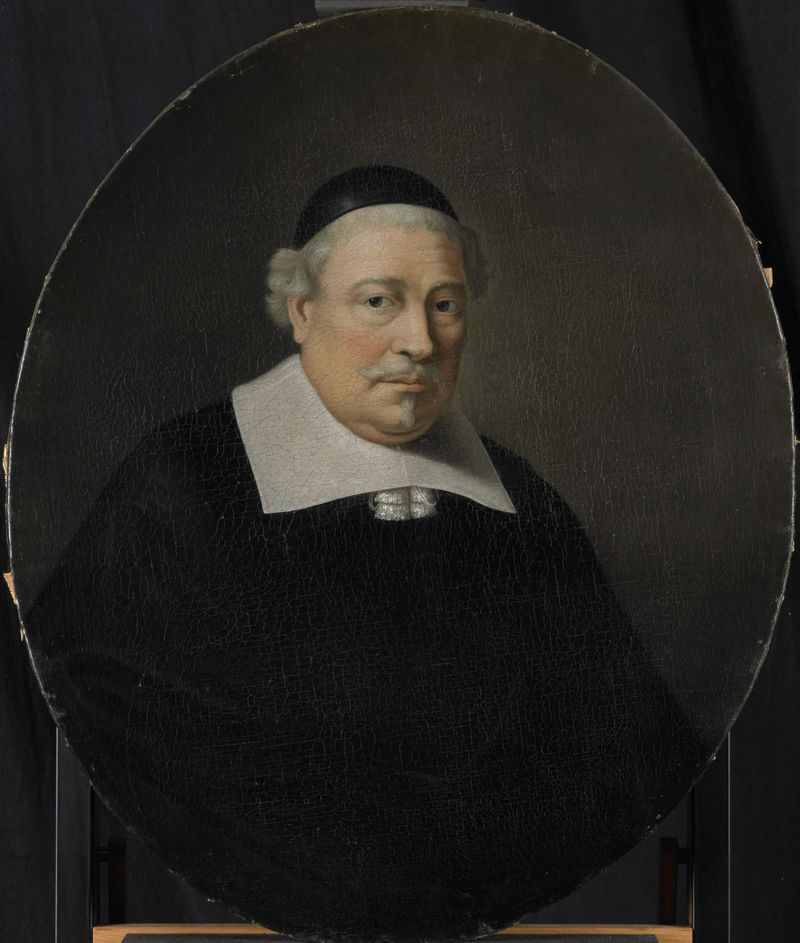
Portrait of Cornelis de Koningh, Director of the Rotterdam Chamber of the Dutch East India Company, elected 1649
Pieter van der Werff
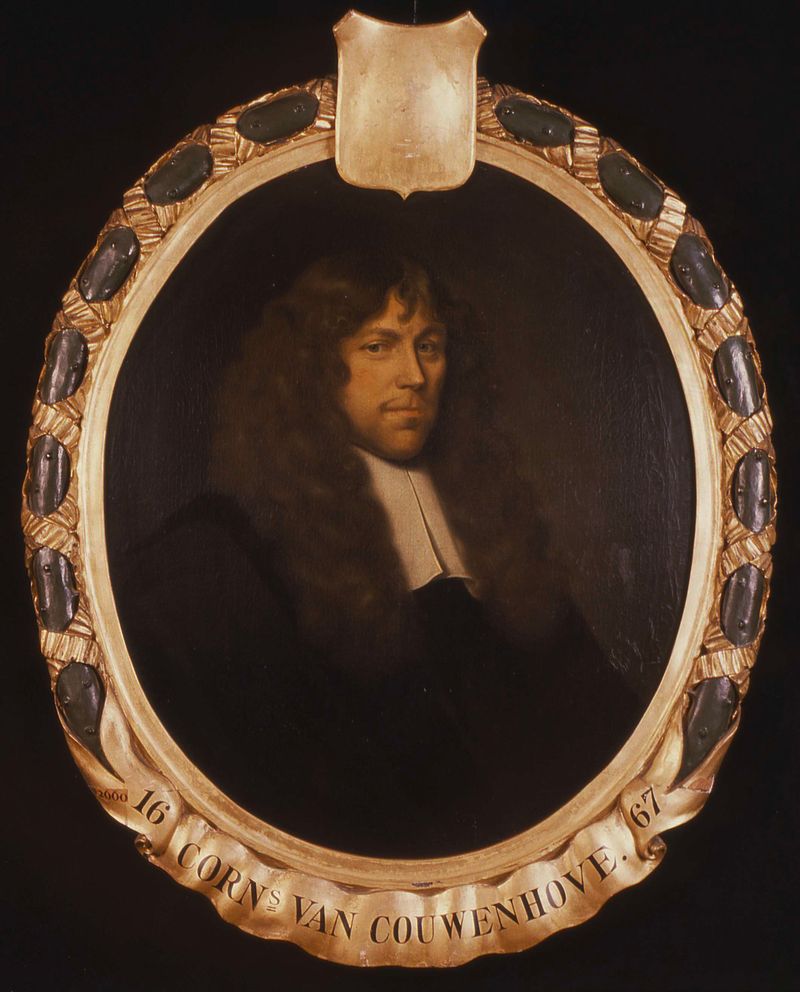
Portrait of Cornelis van Couwenhove, Director of the Rotterdam Chamber of the Dutch East India Company, elected 1667
Pieter van der Werff
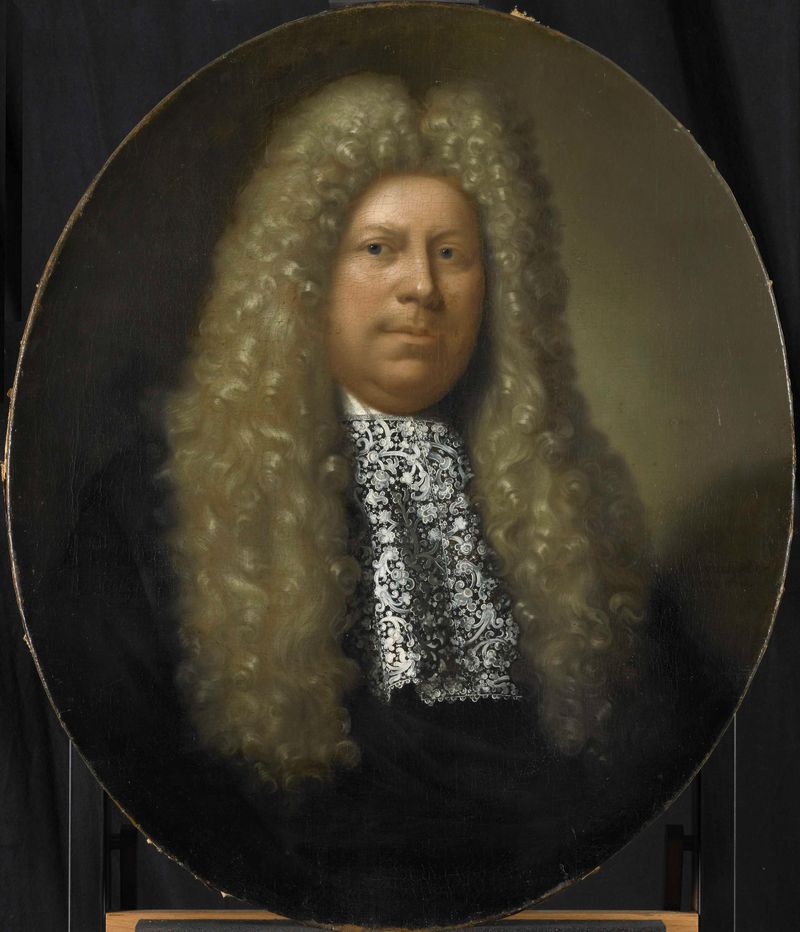
Portrait of Jacob Dane, Director of the Rotterdam Chamber of the Dutch East India Company, elected 1689
Pieter van der Werff
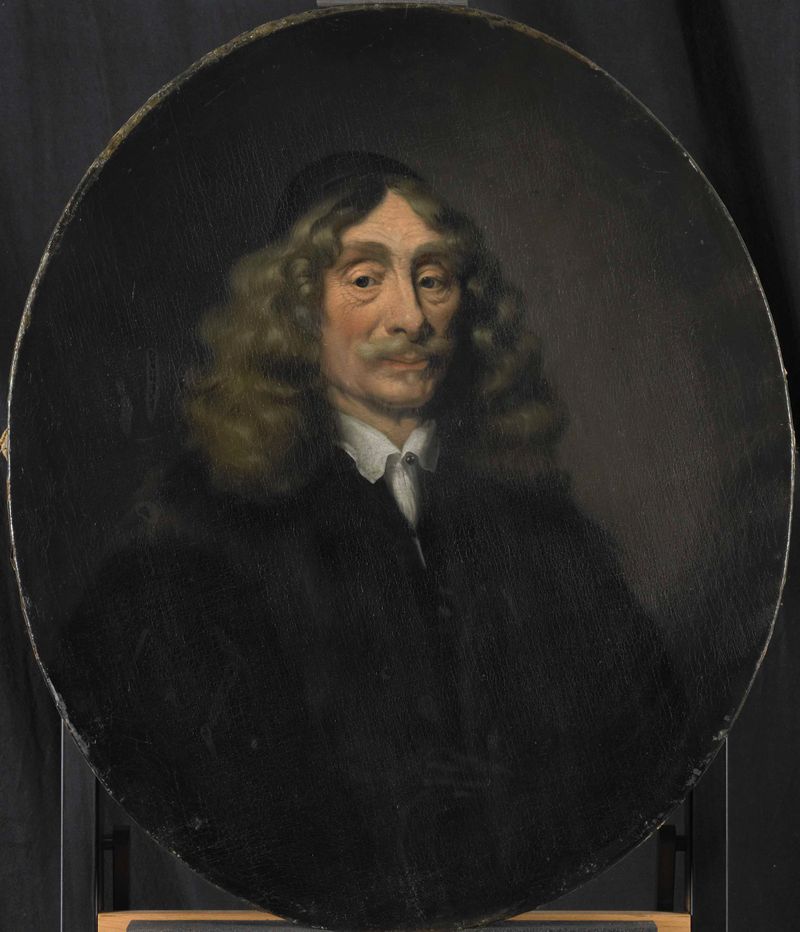
Portrait of Johan de Reus, Director of the Rotterdam Chamber of the Dutch East India Company, elected 1657
Pieter van der Werff
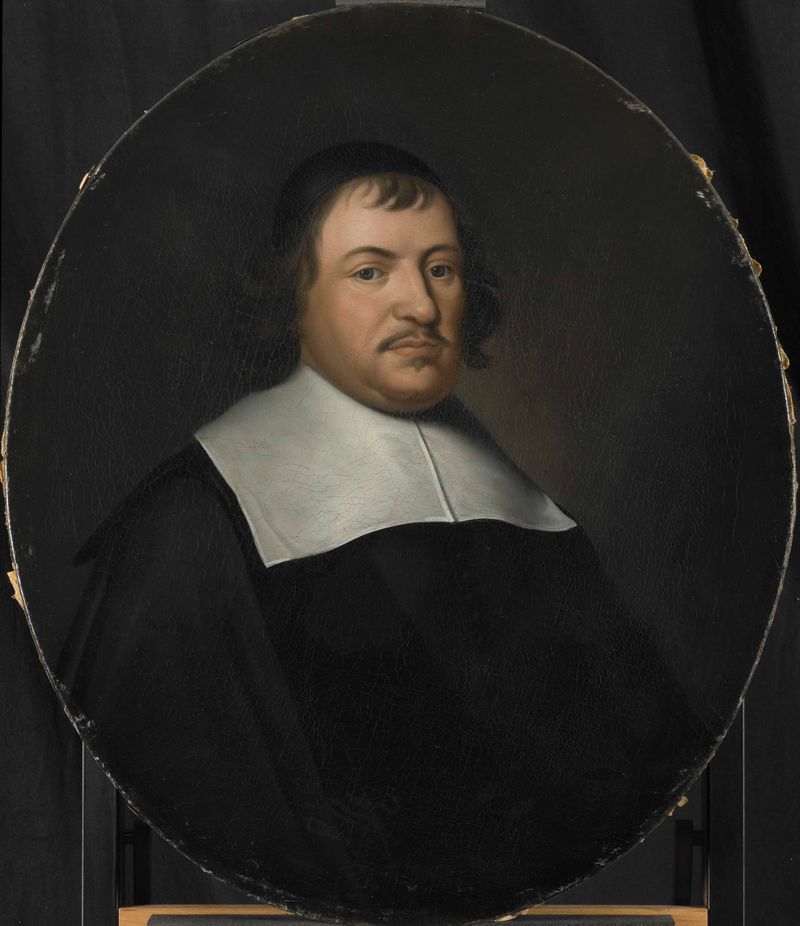
Portrait of Cornelis van den Bergh, Director of the Rotterdam Chamber of the Dutch East India Company, elected 1659
Pieter van der Werff
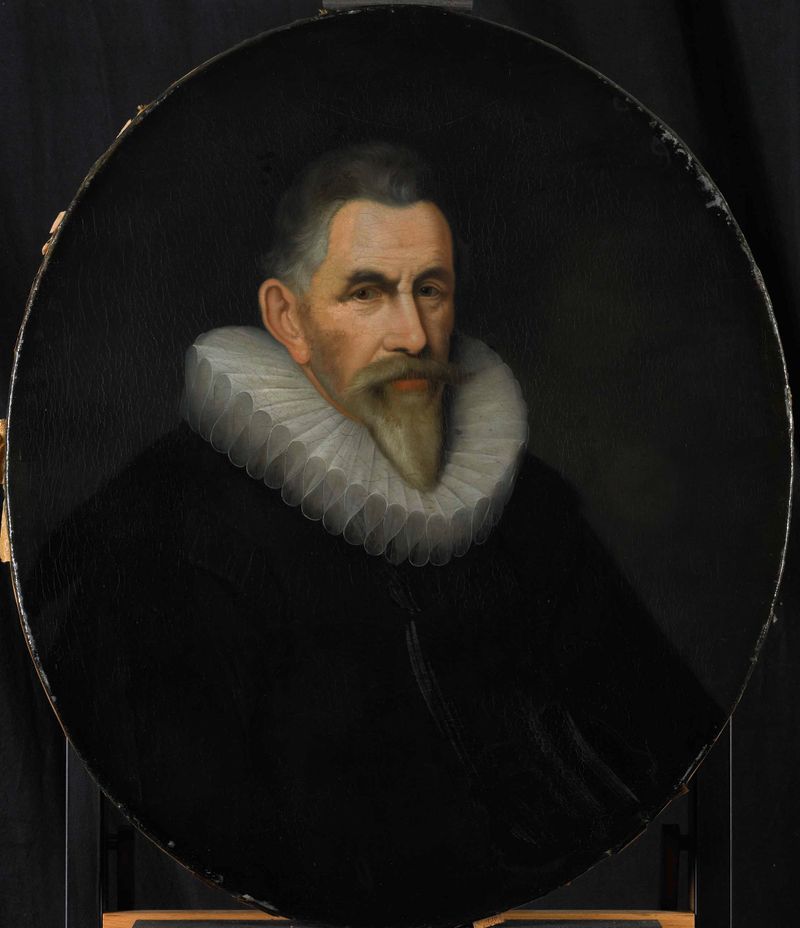
Portrait of Johan van der Veecque, Director of the Rotterdam Chamber of the Dutch East India Company, elected 1602
Pieter van der Werff
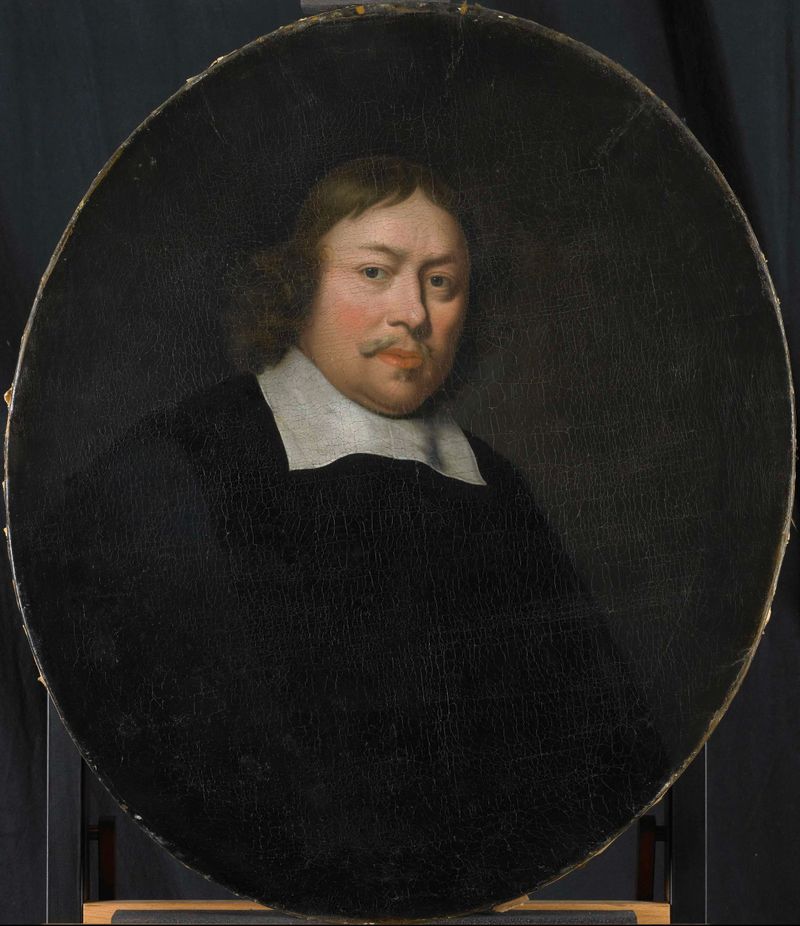
Portrait of Gerard van Bergen, Director of the Rotterdam Chamber of the Dutch East India Company, elected 1653
Pieter van der Werff
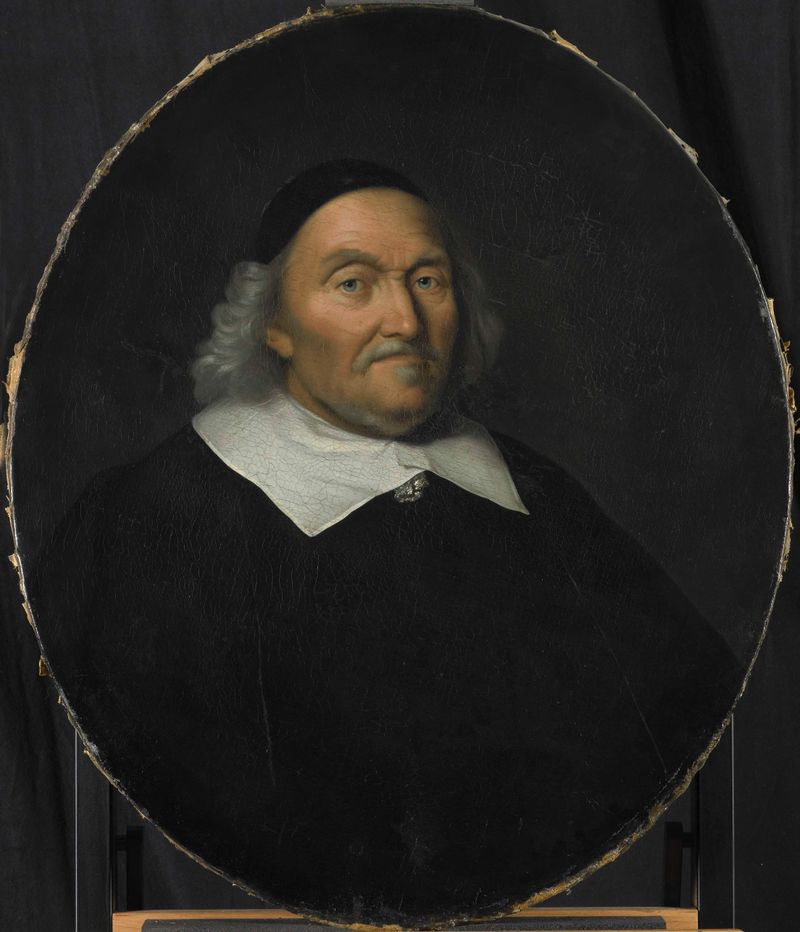
Portrait of Hendrik Nobel, Director of the Rotterdam Chamber of the Dutch East India Company, elected 1625
Pieter van der Werff
More Portrait Art
Browse all →
Las meninas
Diego Velázquez

Self-portrait with a Bandaged Ear and Pipe
Unidentified artist

Girl with a Pearl Earring
Johannes Vermeer

The Sampling Officials of the Amsterdam Drapers’ Guild, Known as ‘The Syndics’
Rembrandt van Rijn

The Hundred Guilder Print: the man seen on the back in the lower left corner
Rembrandt van Rijn

Portrait of Dr Gachet
Vincent van Gogh