
Portrait of Bernardus de Bosch (1742-1816) — History & Facts
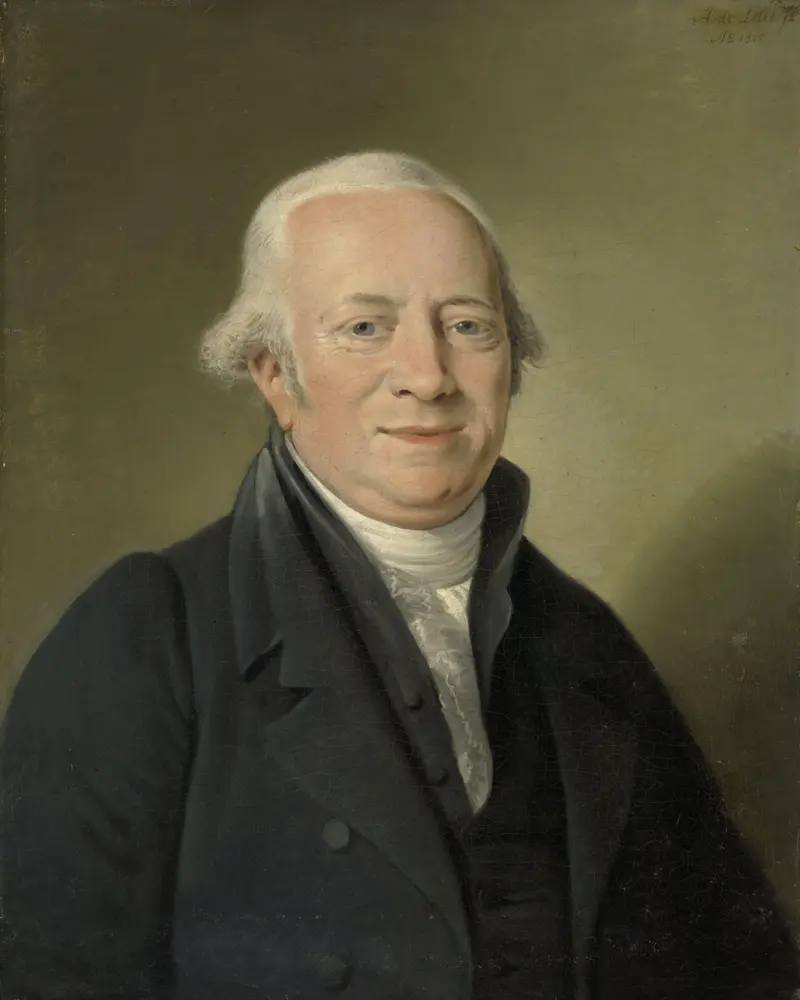
A gentle radiance settles on the sitter’s face, drawing your attention first to the eyes—steady, alert, and touched with a trace of self-assurance. The artist, Adriaan de Lelie, chooses not to crowd the canvas with distractions, instead letting the sitter’s presence fill the space. The crisp white of the ruffled cravat acts as a visual anchor, its folds catching the light and leading the viewer upward to the ruddy cheeks and composed mouth.
The subtle gradation of the background, from warm ochre to deep shadow, pulls the figure forward, making him almost tangible, as if he might speak at any moment. Painted in 1795, this portrait belongs to a world in transition, where the Enlightenment’s ideals of reason and individuality found their echo in the art of the time. Portraits like this, often commissioned by prosperous citizens, served as both personal legacy and public statement, their sober elegance reflecting the values of the Dutch bourgeoisie. Little is recorded about the journey of this particular work, now in the collection documented by the RKD, but its quiet dignity speaks to the enduring power of portraiture in an age of change.
Stand before it long enough, and you may begin to sense not only the man, but the aspirations of an entire era.
More Artworks by Adriaan de Lelie
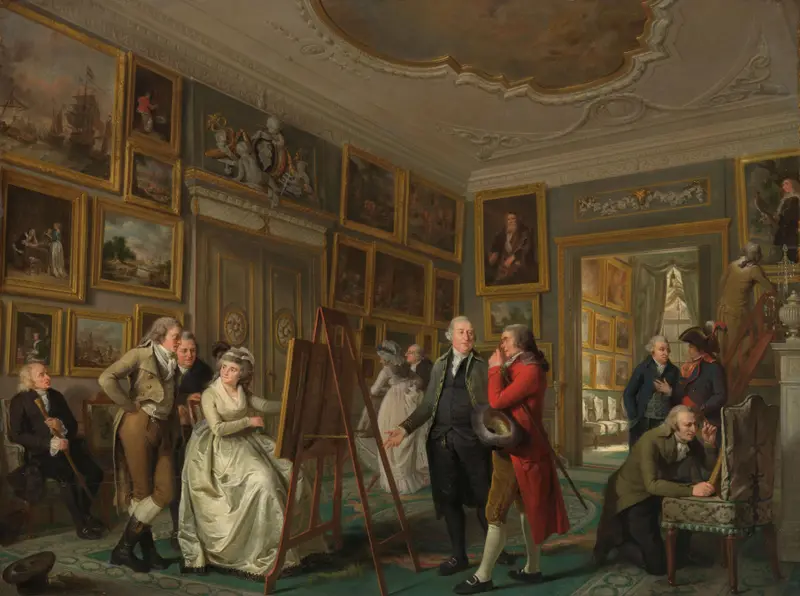
The Art Gallery of Jan Gildemeester Jansz
Adriaan de Lelie
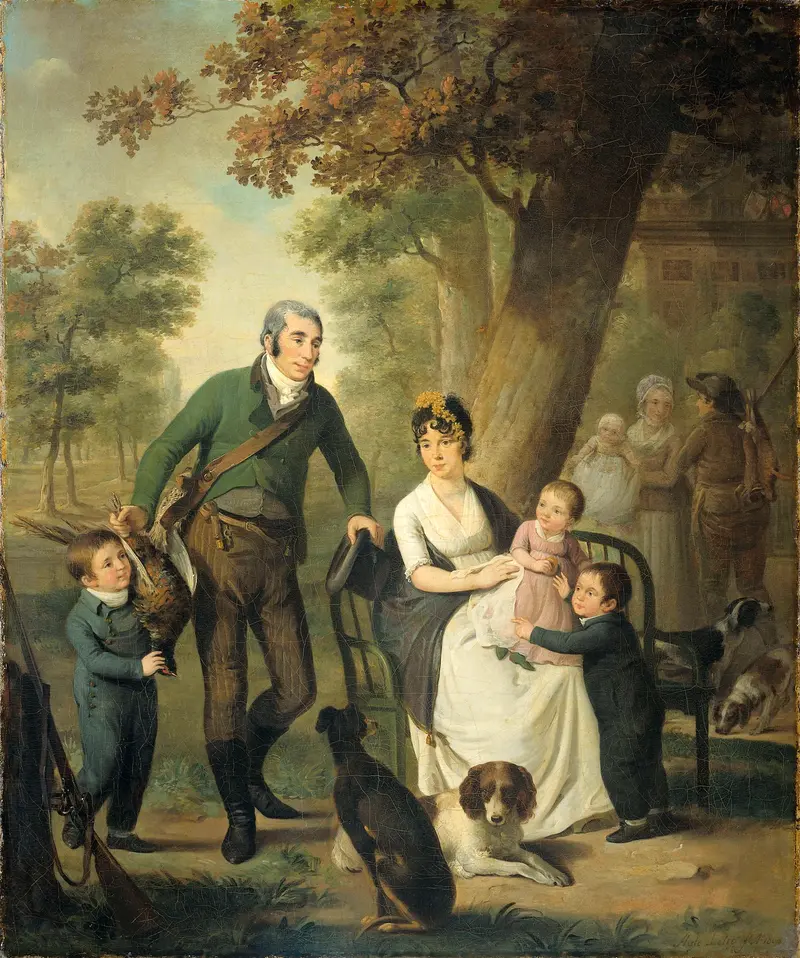
Jonkheer Gysbert Carel Rutger Reinier van Brienen van Ramerus(1771-1821), with his Wife and four of their Children
Adriaan de Lelie
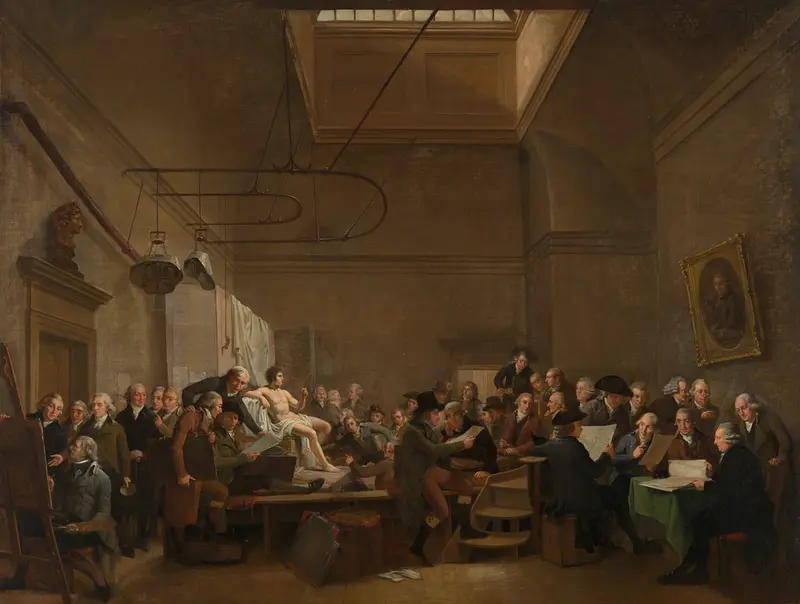
The Drawing Gallery of the Felix Meritis Society
Adriaan de Lelie
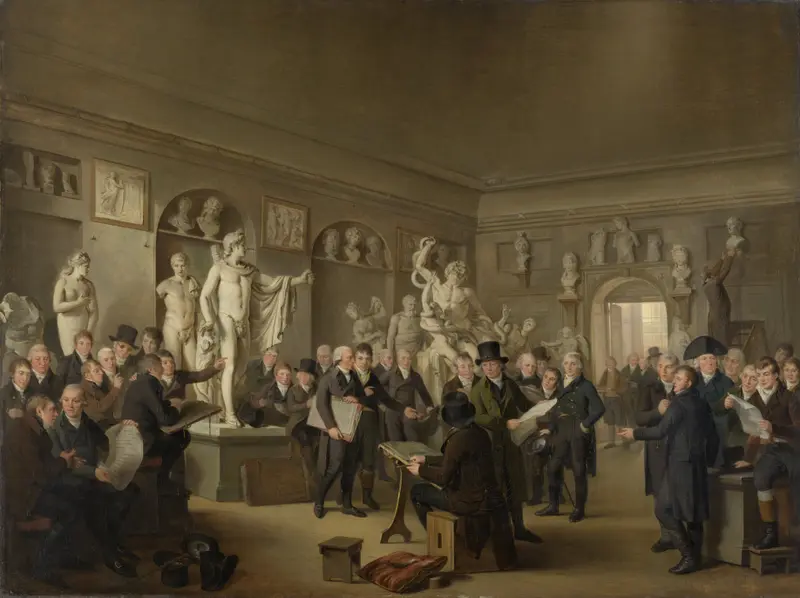
The Sculpture Gallery of the Felix Meritis Society
Adriaan de Lelie
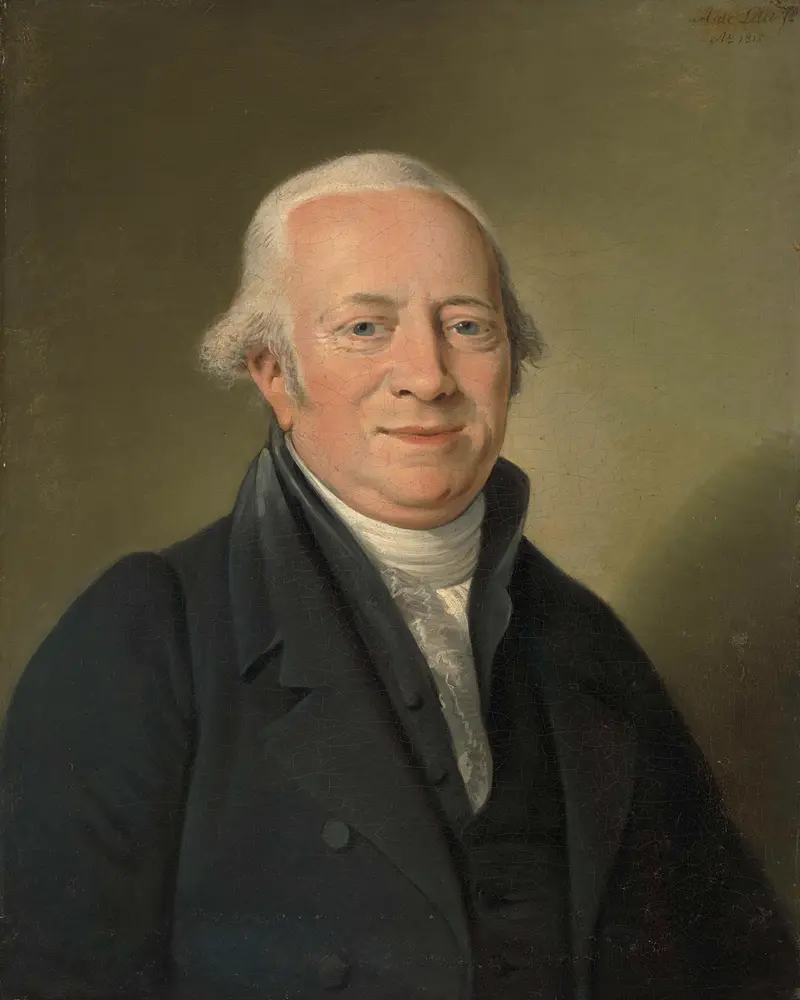
Cornelis Sebille Roos (1754-1820), Amsterdam Art Dealer and Keeper of the Nationale Konst-Gallery in Huis ten Bosch, The Hague
Adriaan de Lelie
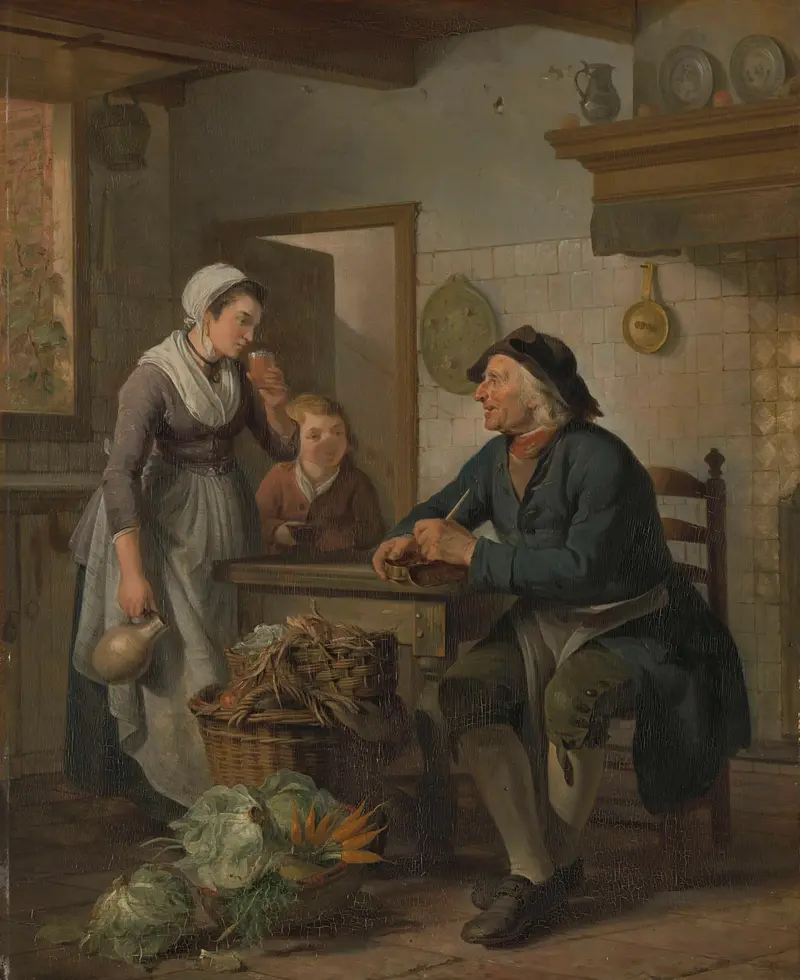
Morning Visit
Adriaan de Lelie
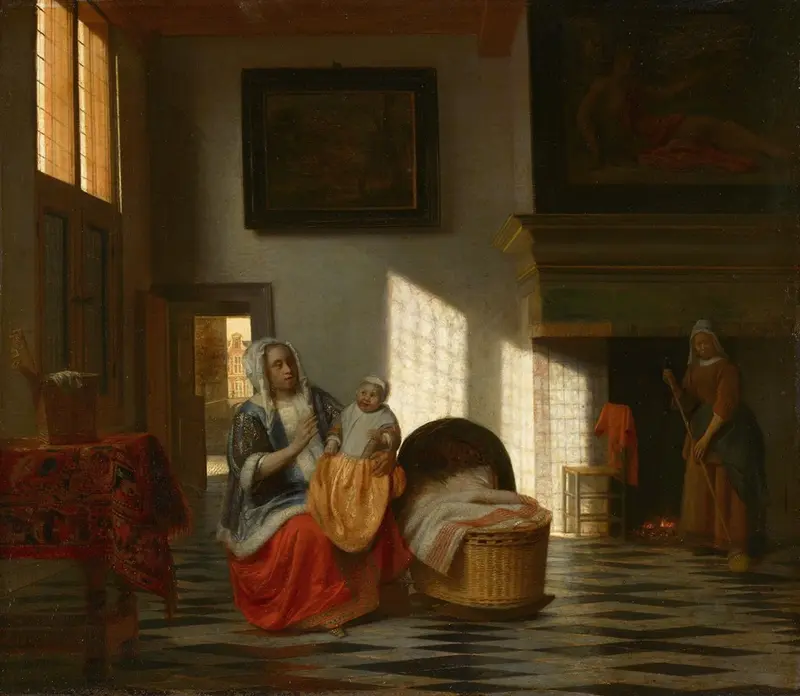
Mother and Two Children with Still Life
Adriaan de Lelie
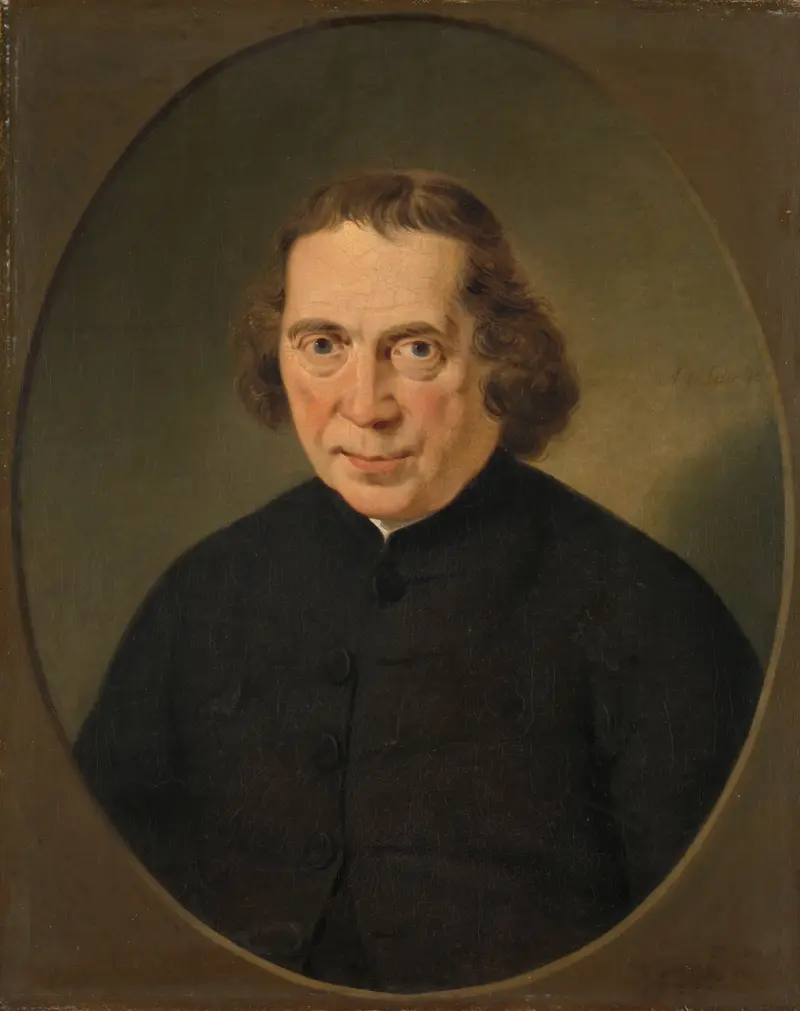
Portrait of Jan Nieuwenhuyzen
Adriaan de Lelie
Portrait of Cornelis Sebille Roos, Art Dealer in Amsterdam and Inspector of the National Konst-Gallery and the Huis ten Bosch in The Hague
Adriaan de Lelie
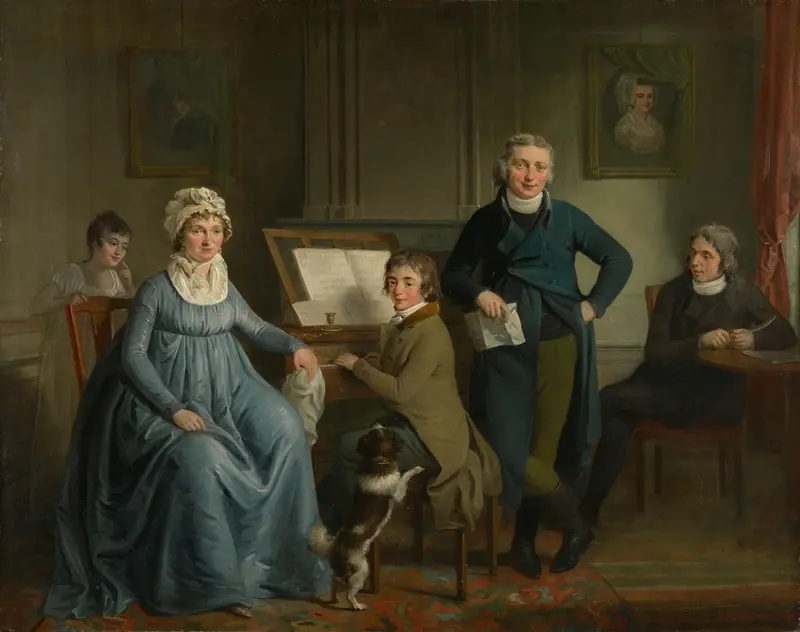
Musical family
Adriaan de Lelie





